Vitamin C is more than just a go-to nutrient for warding off the common cold—it’s a powerhouse antioxidant essential for collagen production, immune system function, and overall cellular health. In today’s fast-paced world, not everyone gets enough from diet alone, which is where supplements can step in. Whether you’re aiming to boost your immunity, speed up wound healing, or simply add nutritional insurance, understanding how to choose the right vitamin C supplement can make a significant difference. This guide unpacks the science, benefits, sources, and practical tips to help you make an informed choice.
Understanding Vitamin C
Importance of Vitamin C
Vitamin C is a must-have for keeping your body in tip-top shape. It’s like the underdog superhero in the lineup of nutrients, quietly working behind the scenes for your health. If you’re ever eyeing a vitamin C supplement, knowing why it matters is a good start.
Here’s a quick rundown of how much you might need:
| Who Needs It | Daily Amount (mg) |
|---|---|
| Women | 75 |
| Men | 90 |
| Expecting Moms | 85 |
| Nursing Moms | 120 |
| Kids (depends on age) | It varies |
Now, what’s Vitamin C up to in your body? Well, it’s busy with:
- Making collagen, which is like the glue holding your skin together.
- Giving your immune system a boost to combat those sniffles and other bugs.
- Teaming up with iron from plants to make sure it’s absorbed, boosting absorption by up to 67% (Healthline).
- Keeping your cartilage, bones, and teeth strong and healthy (WebMD).
Besides that, vitamin C is like a shield against free radicals, which are the troublemakers linked to all sorts of health issues.
Functions of Vitamin C
Vitamin C, fancy name ascorbic acid, is quite the multitasker. It’s crucial for maintaining your health and here’s why:
- Wound Healing: Think of vitamin C as your body’s natural band-aid, speeding up the healing of nicks and cuts by pumping up collagen production.
- Immune Support: It primes your white blood cells, the unsung heroes fighting off unwanted invaders (WebMD).
- Antioxidant Powers: As the bodyguard for your cells, vitamin C fends off damage from pesky free radicals and might help prevent chronic illnesses (Mayo Clinic).
Skimping on vitamin C can leave you feeling wiped out and dealing with stuff like scurvy, which isn’t fun – trust me, you don’t want that.
Knowing all this, you’re better prepared to make smart choices about what you eat and whether you need supplements. Curious about where to find vitamin C in your grocery store? Check out our list of food rich in vitamin C.
Food Sources of Vitamin C
Wanna amp up your vitamin C game? Check out which foods make the cut as superstar suppliers of this all-important vitamin. Let’s break it down with some juicy details.
Rich Sources of Vitamin C
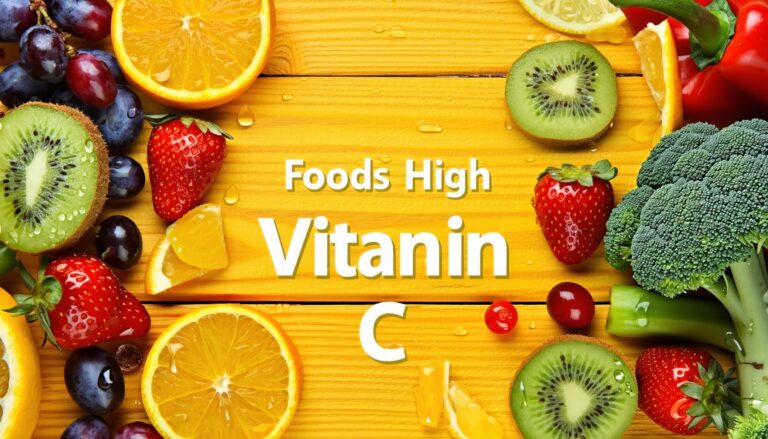
Fruits and veggies are the go-to when it comes to loading up on vitamin C. Sneaking these into your daily meals could easily get you the RDA tick. Here’s a peek at some of the front-runners:
| Food Item | Vitamin C (mg per 100g) | % Daily Value (DV) |
|---|---|---|
| Kakadu Plum | 2907 | 484% |
| Red Acerola Cherries | 825 | 916% |
| Yellow Bell Pepper | 342 | 380% |
| Strawberries | 97 | 108% |
| Orange Juice | 50 | 56% |
Thirsty for more? Explore food high in vitamin c or food rich in vitamin c for the scoop.
Quality and Quantity of Vitamin C in Foods
Not all vitamin C packed bites are created equal. While adding this nutrient to your diet, the sidekick benefits like fiber and other goodies tag along, boosting your health.
Take Kakadu plums, for example—they’re tiny but mighty, packing a whopping 484% of your daily needs in just one plum. Meanwhile, your everyday strawberries and oranges are reliable yet more low-key players in the vitamin C league.
Heads-up: How you prep your veggies matters. Boiling? Don’t be surprised if the vitamin C makes a sneaky exit. Opt for steaming or munching fresh to lock in those goodies. Wanna dig deeper into getting your fill of this vitamin? Sniff out options with vitamin c vitamins or dive into the gritty details on ascorbic acid.
Most folks meet their vitamin C targets simply by enjoying a mixed platter of fruits and veggies daily. Like tossing in half a cup of red peppers or sipping 3/4 cup of OJ should do the trick (Mayo Clinic).
Health Benefits of Vitamin C
Thinking about adding vitamin C to your life? It’s not just about keeping scurvy at bay. Come along, and let’s see how this vitamin can pump up your health game.
Immune System Support
Your immune system’s got a best bud—and yep, that’s vitamin C. It pitches in by cranking up those white blood cells, the body’s tiny bouncers keeping out the bad bugs. Finding yourself with fewer sniffles and sneezes could likely mean you’ve got enough of this superhero nutrient in your system. Studies hint that vitamin C could guard against serious stuff like pneumonia, holding the line when colds and flu come knocking. Toss enough of this into your diet, and you’re arming your body’s defenses for the long haul.
Collagen Production and Wound Healing
Vitamin C and collagen are like peanut butter and jelly—they just go together. Collagen keeps everything from your skin to your bones in check, and guess what? C is a key player here. Got a paper cut or a bruise? Vitamin C helps stitch you back up quicker. Plus, loading up on it might let you swerve issues like sagging or dry skin. And those creams that brag about reducing wrinkles? Chances are, they’ve got C in the mix (WebMD).
Antioxidant Protection
C’s also standing guard with its antioxidant prowess, like a bouncer keeping out the riffraff, aka free radicals. These bad boys can put you at greater risk for persistent diseases, so vitamin C is your defense. Keeping your C levels high not only keeps the heart ticking smoothly but also lessens stroke chances. Sip on OJ, throw in some leafy greens, or get a supplement—it’s an easy habit that could pay off (Healthline).
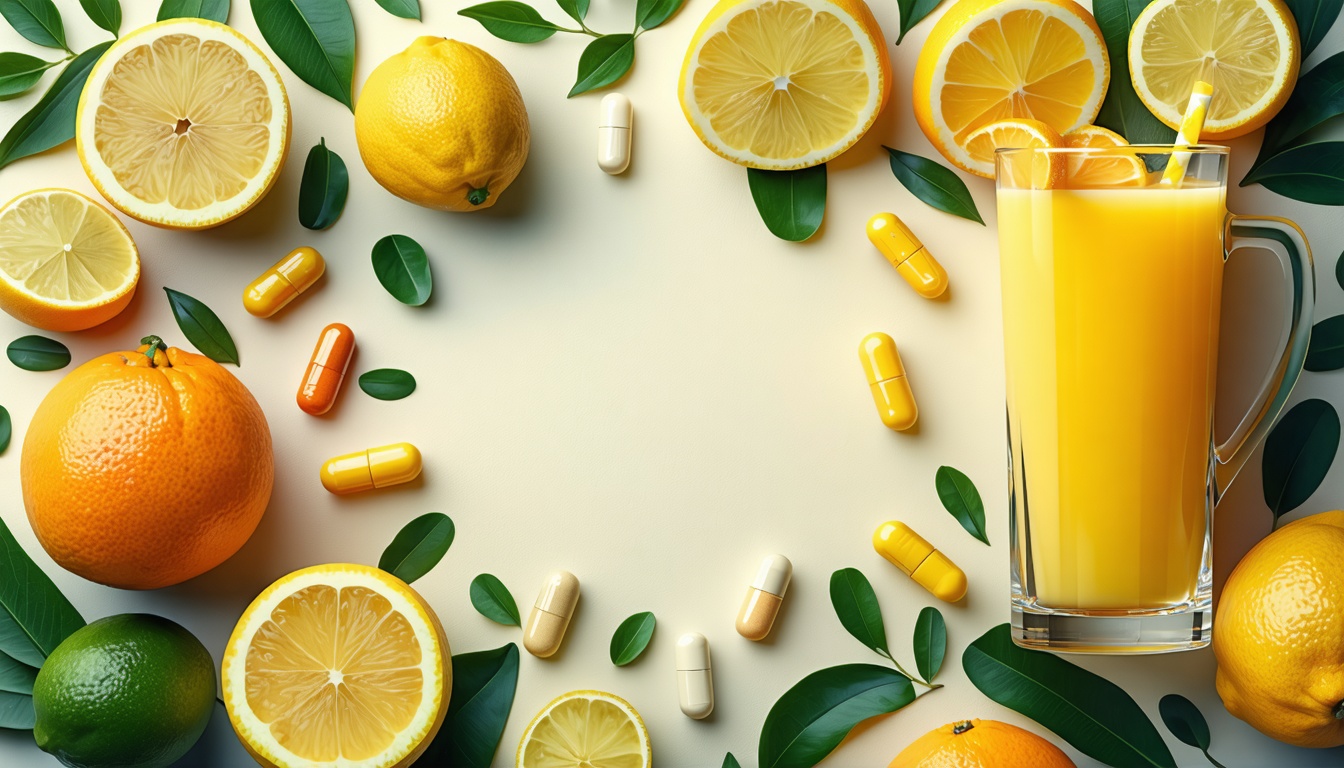
Time to bring vitamin C into your regular routine, whether you pop a vitamin C supplement or munch on foods rich in vitamin C. It’s like giving your immune system a cape, blessing your skin, and stacking your defenses against the sneaky free radicals. You decide—a juice, a pill, or some zesty snacks, and you’re all set to clock those health points.
Vitamin C Supplements
Who Might Benefit from Supplements
You might think about popping a vitamin C pill if you find yourself fitting into certain groups. Folks who don’t get their greens and fruits often enough—like vegetarians or vegans—might need the extra boost. Let’s not forget those with tummies that throw a fit like in Crohn’s disease, which keeps your body from soaking up the good stuff.
Then there are the older peeps, bless ’em. As time rolls by, grabbing nutrients isn’t as easy as before, so they might need a supplement hand. Just went through surgery, battling a cold, or feeling the weight of the world on your shoulders? Some extra vitamin C could cheer on your immune system and keep you in fighting form.
Safe Dosage Guidelines
Getting the right dose of vitamin C is as important as picking the right pair of shoes—it’s all about the fit! So, keep it within these trusty numbers: 90 milligrams for the guys and 75 milligrams for the gals daily. You don’t want to overdose on this stuff because more ain’t always merrier.
| Group | Recommended Daily Amount |
|---|---|
| Adult Men | 90 mg |
| Adult Women | 75 mg |
| Tolerable Upper Limit | 2,000 mg |
Swallowing more than 2,000 milligrams a day can make trouble knock on your door—like more bathroom trips or weird symptoms you’d rather not deal with. Stick to these pointers, and your body should be A-okay with it. Mayo Clinic.
Potential Side Effects
Even though vitamin C is your buddy in health, too much can turn it into a pesky frenemy. Pile it on, and you might find yourself dealing with tummy troubles like the runs or a bad case of nausea, especially if you’re going over the 2,000 mg warning tape. Side effects aren’t just about the stomach, though—overdoing it can play tricks on medical test results and might pave the way for kidney stones due to that pesky oxalate.
To dodge these bullet points on your medical chart, keep your vitamin C in check with sensible servings. Don’t go overboard—stay within 100% of your daily dose. Not sure if your supplement choice is on point? Your healthcare pro can steer you right. Got healthy skin on your mind? Peek at how a vitamin C kick can brighten your complexion or how it lends a hand in hair growth.
Vitamin C Deficiency
Signs of Vitamin C Deficiency
Keeping an eye out for vitamin C deficiency signs can save your health. Here’s what you might notice:
| Sign | Description |
|---|---|
| Twisty, curly hair | When your hair grows out looped or twisted, blame a protein oops. |
| Nails with an attitude | Your nails might get all flimsy and show red spots or stripes—they’re trying to say, “Give me vitamin C!” |
| Red dots in strange spots | These bright red patches near hair? They pop up when blood vessels get cranky and weak without enough vitamin C. |
| Skin acting weird | That bumpy look on your skin could mean you’re low on vitamin C, popping up just months after slacking on your intake. |
Apologies if your skin’s doing its own thing; consulting a healthcare pro is a good move for proper diagnosis and treatment. With some vitamin C love, those red dots can pack up and leave in around two weeks (Healthline).
Effects on Health
Low vitamin C isn’t just a quirky health issue—it’s a call for action. Ignoring it might lead to bigger problems, like scurvy—yep, the sailor’s health scare, which can lead to:
- Feeling low on iron
- Gums bleeding
- Bruises out of nowhere
- Taking ages to heal a cut
Scurvy isn’t something most folks deal with today because you can get vitamin C from munching on fruits and veggies like lemons, berries, tomatoes, peppers, and broccoli (Mayo Clinic).
Preventing and Managing Deficiency
Want to keep your vitamin C game strong? Sneak more of it into your meals. If you’re not hitting your daily target through your plate, think about a backup plan like supplements.
Tips to up your vitamin C levels:
- Load your meals with vitamin C-rich foods like oranges, strawberries, and bell peppers.
- Check out a vitamin C supplement if you’re worried your meals aren’t enough.
- Keep your shopping list packed with vitamin C goodies to stay on track.
If you’re feeling those deficiency vibes, hit up your healthcare provider for advice on boosting your diet and picking the right supplements. Tuning into your body’s signals can help you keep everything running smoothly.
Miscellaneous Facts on Vitamin C
Absorption and Excretion Rates
So, you’re thinking about popping a vitamin C pill? Let’s chat about how your body handles it. When you take in vitamin C, around 70% to 90% of it gets absorbed if you’re taking a moderate amount, say 30-180 mg/day. Pump it up past a gram a day, and it’ll absorb less, around 50% or so at best. That’s more like your body’s way of saying, “Whoa, slow down!” The rest? Well, it takes a one-way ticket out through your bladder. Just a heads-up: if you’re knocking back those 1.25 g capsules, you might hit vitamin C peak levels almost twice as high compared to noshing on a bunch of vitamin C-rich foods (National Institutes of Health (NIH)).
| Daily Dose (mg/day) | Absorption Rate (%) |
|---|---|
| 30-180 | 70-90 |
| >1000 | <50 |
Recommended Daily Intake Levels
So, how much vitamin C should you really play with each day? Here’s the scoop based on what’s good for men and women:
| Who Needs It | Vitamin C Daily Fix (mg) |
|---|---|
| Gents | 90 |
| Ladies | 75 |
In the good ol’ US of A, guys are getting about 105.2 mg daily, while the ladies are pulling in roughly 83.6 mg (National Institutes of Health (NIH)). If you’re looking into vitamin C supplements, just keep it safe and under control, alright?
Demographics at Higher Risk of Deficiency
Who should be on their toes about low vitamin C? If you find yourself in any of these categories, lean in:
- Smokers: Need another 35 mg daily ‘cause smoking lowers your levels.
- Breathin’ the Smoke: Just hanging around smokers gives ya a similar risk.
- Little Ones on Weird Diets: Mainly those on evaporated or boiled milk diets.
- Folks with One-Taste Diets: Yep, no variety means fewer nutrients.
- Trouble Absorbers: Any condition messing with nutrient uptake could leave you lacking.
- Chronic Health Warriors: Certain conditions might drain your C tank (National Institutes of Health (NIH)).
Cluing up on how much your body sucks up and the dos and don’ts of daily amounts puts you in a good spot when thinking of snagging vitamin C boosts. If you’re in a high-risk group, a quick chat with the doc about your vitamin ways could do wonders. And if you’re curious about vitamin C for sexy skin or luscious locks, check out vitamin c for skin or vitamin c for hair growth.
Final Thoughts
Vitamin C plays a pivotal role in many of the body’s key processes—from bolstering the immune system and improving iron absorption to maintaining youthful skin and preventing chronic illnesses. While a diet rich in fruits and vegetables remains the best source, supplements can help fill in the gaps for those with higher needs or limited intake. Remember, moderation matters—more isn’t always better. Staying within recommended daily limits and choosing high-quality, bioavailable forms of vitamin C ensures you get the health benefits without the side effects. Whether through oranges, strawberries, or a trusted supplement, your daily dose of C is a small habit with big rewards.
Frequently Asked Questions (FAQ)
How much vitamin C do I need per day?
The recommended daily intake is 90 mg for men and 75 mg for women. Pregnant and breastfeeding women may require more, while the upper limit for adults is 2,000 mg per day.
What are the best natural sources of vitamin C?
Fruits and vegetables are excellent sources. Top picks include Kakadu plums, acerola cherries, yellow bell peppers, strawberries, and orange juice.
Can I take too much vitamin C?
Yes. While vitamin C is water-soluble and excess amounts are usually excreted, high doses over 2,000 mg can cause side effects such as stomach upset, nausea, and even kidney stones in some individuals.
Who might benefit from vitamin C supplements?
People with limited fruit and vegetable intake, older adults, smokers, individuals with malabsorption issues, and those recovering from illness or surgery may benefit from supplementation.
What are signs of vitamin C deficiency?
Early signs include fatigue, red or swollen gums, easy bruising, dry skin, and slow wound healing. Severe deficiency may lead to scurvy, though it is rare in modern diets.
Is vitamin C good for the skin?
Absolutely. Vitamin C supports collagen production, reduces the appearance of wrinkles, and helps protect against UV-induced damage when used topically or consumed regularly.
Does cooking affect the vitamin C content in food?
Yes, high-heat cooking methods like boiling can significantly reduce vitamin C content. To preserve its potency, opt for steaming or eating raw when possible.