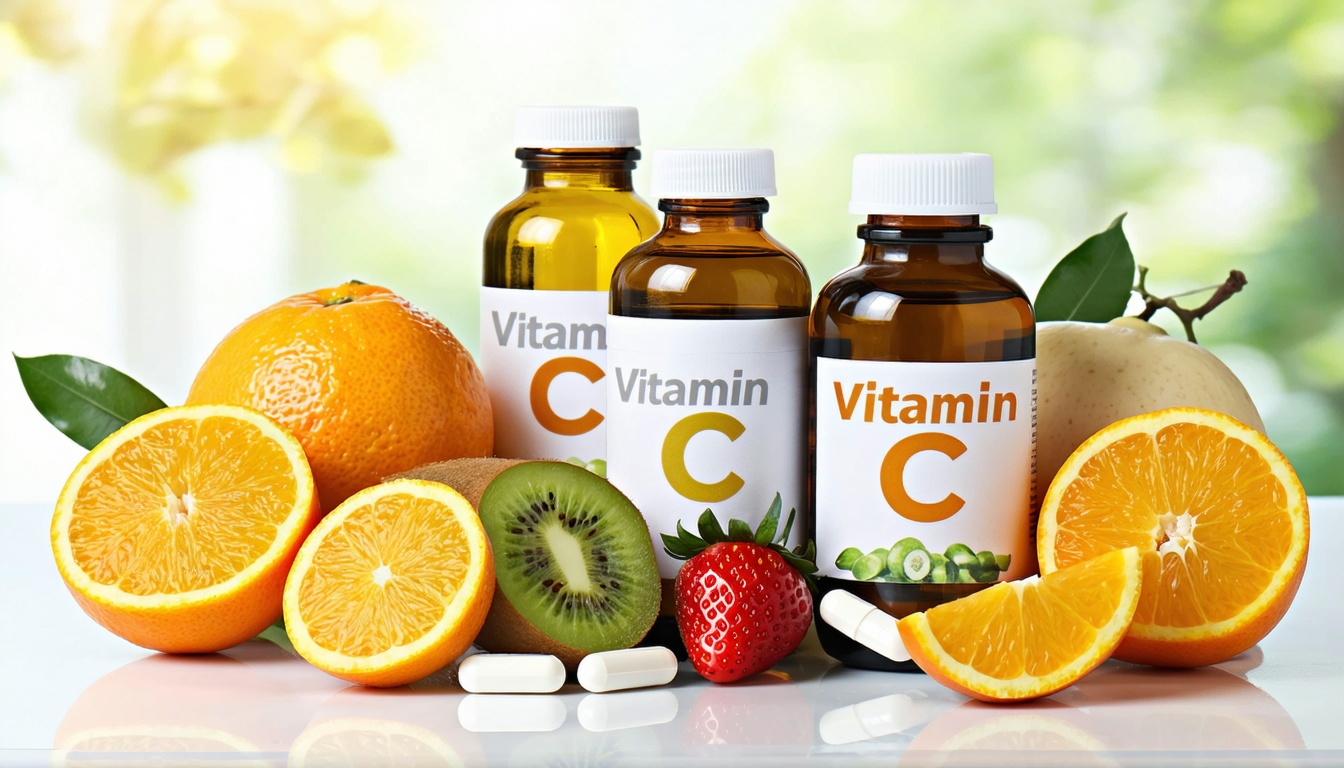
A Vitamin C supplement can be a powerful ally in your wellness routine, especially when your diet doesn’t quite deliver enough of this essential nutrient. Vitamin C, also known as ascorbic acid, plays a vital role in supporting your immune system, enhancing skin health through collagen production, and boosting iron absorption—particularly important for those on plant-based diets. ThriveWell’s comprehensive guide explores how this mighty antioxidant protects your cells from damage, aids in healing, and helps your body function at its best.
Understanding Vitamin C
Importance of Vitamin C
Think of Vitamin C, or as its fancy name goes, ascorbic acid, as your body’s best buddy when it comes to keeping things running smoothly. It’s your defense team against those pesky free radicals that want to mess with your cells and are linked to things like heart disease and cancer. Grown-ups need a decent dose, about 60 milligrams every day, which you can munch down with fruits and veggies. Your everyday oranges, strawberries, and bell peppers should do the trick Piedmont Healthcare.
Vitamin C helps in making sure some pretty important stuff doesn’t fall apart:
- Builds blood vessels like an expert architect
- Crafts cartilage and muscle as if it’s knitting a sweater
- Boosts collagen in bones, making them as strong as they look on the x-ray
- Speeds up the healing process like a superhero doctor
It’s also really good at helping your body grab iron from plant foods, which is perfect if you’re going the vegetarian or vegan way Mayo Clinic.
Role of Vitamin C in the Body
In the grand scheme of things inside you, Vitamin C is like a Swiss army knife – it does a bit of everything:
| Task | What It Does |
|---|---|
| Antioxidant Defense | Shields cells from those nasty free radicals |
| Collagen Production | Keeps your skin looking fresh and helps boo-boos heal |
| Iron Absorption | Gives a hand in sucking up non-heme iron, saying no to anemia |
| Immune Support | Braces up your immune system and might cut down on cold days |
If chomping on fruits and veggies isn’t quite cutting it, a Vitamin C pill might just save the day. There are superfoods that are Vitamin C powerhouses too, like the Kakadu plum, which boasts a jaw-dropping 2,907 mg per 100 grams, leaving ordinary oranges eating its dust Healthline. Curious to know more? Dive into our piece about food rich in vitamin c and find out what suits your eating style or why you might just need to pop a supplement.
Eyeing how Vitamin C can work magic on your skin or wishing for luscious hair? Hit up our sections on vitamin c supplement for skin and on vitamin c for hair growth for the lowdown.
Benefits of Vitamin C
Vitamin C’s like your body’s little superhero – always ready to swoop in and save the day. Whether you’re munching on fruits and veggies or popping a handy vitamin C supplement, this vitamin packs a punch in protecting your health.
Antioxidant Power
Vitamin C’s got some killer antioxidant moves. Think of it as a bodyguard for your cells, keeping free radicals at bay. Those pesky free radicals? They’re like gremlins that mess everything up and can cause big-time health problems. Vitamin C kicks them to the curb, lowering your chances of facing chronic diseases and boosting cell health.
Here’s a quick lowdown on its antioxidant actions:
| Benefit | What It Does |
|---|---|
| Protects Cells | Stops free radicals from causing damage. |
| Reduces Shakiness | Soothes inflammation from oxidative havoc. |
| Bolsters Immunity | Powers up your immune army to fight off invaders. |
Healing and Collagen Boost
If your skin’s seen better days or you got a nasty scrape, vitamin C to the rescue! It’s a secret ingredient for speedy wound healing and collagen magic. Collagen’s that protein stuff making up your skin’s strong bones. A bit of vitamin C and you’re on your way to smoother, healthier skin and quicker healing (Healthline).
Check out how vitamin C helps:
| Process | How It Works |
|---|---|
| Fixing Cuts | Aids in the patch-up job and tissue revamp. |
| Collagen Creation | Essential for collagen, giving skin its bounce. |
Boosting Iron and Beating Anemia
Vitamin C’s got a trick up its sleeve – making sure your body soaks up iron, especially from all those plant-based eats. Important, right? If you’re plant-powered, your iron needs a little help since plant iron’s a bit shy. Vitamin C helps you sidestep anemia by making sure you get all the iron your body craves (Healthline).
Get a peek at how vitamin C fits into iron fun:
| Iron Munchies | Iron Type | Vitamin C’s Role |
|---|---|---|
| Spinach | Plant Iron | Improves absorption |
| Lentils | Plant Iron | Cranks up bioavailability |
| Chicken | Animal Iron | Goes solo, no vitamin C needed |
Work on squeezing some vitamin C-laden foods or supplements into your meals. Check out some tasty vitamin C champs that’ll top off your nutrition game.
Sources of Vitamin C
Getting enough Vitamin C is a piece of cake once you know where to look. Here, you’ll find out how to sneak those magical Vitamin C foods right into your meals without a hitch. From juicy fruits to crunchy veggies and some turbocharged superfoods, we’ve got the scoop.
Dietary Sources of Vitamin C
Finding Vitamin C in food is easier than falling off a log. Seriously, there’s no need to stress. Just load up on these snazzy ingredients and you’ll be guzzling Vitamin C in no time. Take a gander at these common goodies:
| Food Item | Vitamin C Content (mg per serving) |
|---|---|
| Red Acerola Cherries | 1,650 (½ cup) |
| Kakadu Plum | 100 times more than oranges (Healthline) |
| Guava | 125 (1 fruit) (Healthline) |
| Green Chili Pepper | 109 (1 pepper) |
| Rose Hips | 426 (100g) |
No, you’re not seeing things; these foods are super rich in Vitamin C and can perk up your diet like nobody’s business.
Foods Rich in Vitamin C
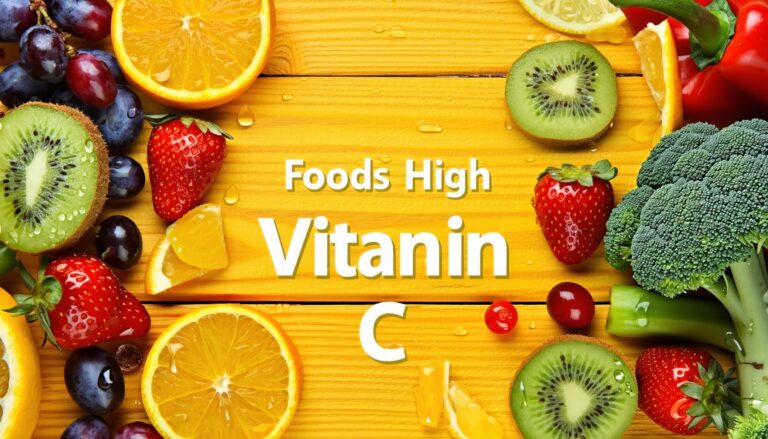
Your everyday menu can feature some Vitamin C superstars, easily meeting your needs without you even batting an eye. Here’s a quick list that should be on your radar:
- Red Bell Peppers 🍉
- Juicy Kiwifruit
- Scrumptious Strawberries
- Classic Oranges
- Nutritious Broccoli
Dive into the world of food high in vitamin c and food rich in vitamin c for more tasty options.
Superfoods with High Vitamin C Content
Ready for a Vitamin C boost that’ll knock your socks off? Superfoods, with their insane nutrient profiles, have your back. Check out these stars:
- Kakadu Plum: Packs way more Vitamin C than your trusty oranges.
- Red Acerola Cherries: Just half a cup is bursting with 1,650 mg of pure goodness.
- Rose Hips: Snag 426 mg per 100 grams—your smoothie won’t know what hit it.
Fit these into your diet, and consider backups like vitamin c supplements for extra oomph. Curious about more perks? Our articles on vitamin c supplement for skin and vitamin c for hair growth are bursting with info.
Armed with these treasures, you can jazz up your nutrition game. Smart choices about Vitamin C can make all the difference in keeping you feeling spry and sprightly!
Vitamin C Supplements
Thinking about picking up some vitamin C supplements to boost your health game? Let’s chat about how much you really need, the perks, and what makes a good supplement so you can get your money’s worth.
Recommended Daily Intake
What you should aim for depends on your age and whether, let’s say, you’re expecting a little one. Here’s the lowdown for grown-ups:
| Age Group | Daily Intake (mg) |
|---|---|
| Adult Guys | 90 |
| Adult Gals | 75 |
| Expecting Moms | 85 |
| Nursing Moms | 120 |
| Little Ones | Varies by age |
Got kiddos? Their dose varies, so it’s worth checking the Mayo Clinic page for details. Remember, your body doesn’t stockpile vitamin C, so eating fruits and veggies that pack a punch is always a win (food rich in vitamin c).
Health Benefits of Vitamin C Supplements
Popping a vitamin C pill can actually bring some cool perks to the table:
- Fights Off The Bad Stuff: Vitamin C’s got your back with its killer antioxidant powers. Think of it as a bodyguard against those pesky free radicals.
- Glow-Up for Your Skin: It’s a collagen buddy, boosting your skin’s bounce-back ability and healing power. For those shiny skin goals, check vitamin c supplement for skin.
- Better Iron Pickup: Helps your body absorb non-heme iron—a plus for folks keeping an eye out for anemia.
Considering these benefits, a little vitamin C might just zest up your health routine.
Considerations for Choosing a Supplement
Want a good vitamin C supplement? Here’s what to watch for:
- What’s Inside: Pure ascorbic acid is where it’s at, giving you all the benefits without the fluff. It’s a top-notch form compared to bioflavonoids (NIH Office of Dietary Supplements).
- How Much: Match the dose with what you need but don’t go overboard.
- Trustworthy Brands: Go for brands that get a thumbs-up from third-party testing, proving they’re legit in purity and doing what they claim.
Heads up, vitamin C is usually safe, but it can mess with some medical tests like glucose screens. Give your doc a heads-up if you’re taking a supplement before any medical exam.
By getting the scoop on how much you need, what benefits to expect, and what makes a good choice, you’re set to make a savvy vitamin C decision. Looking for natural options? Peek at our pages on food with vitamin c and food high in vitamin c.
Risks and Side Effects
Before you pop a vitamin C tablet like candy, it’s good to know what you’re getting into. While this vitamin is your body’s best buddy for health, going overboard can spell trouble.
Side Effects of Too Much Vitamin C
Going heavy on vitamin C, especially from supplements, can cause some real belly-aching problems. Imagine you went all-in on a citrus binge — your tummy might sing a sad song called diarrhea, bust out a chorus of nausea, or rumble with cramps. If you take more than 2,000 mg a day, these tummy troubles might start their not-so-fun party.
Here’s a peek at what happens if you party too hard with vitamin C:
| What’s the Problem? | What’s Happening? |
|---|---|
| Diarrhea | It’s liquid city down there with big doses |
| Nausea | Your stomach might feel like it’s on a teacup ride |
| Abdominal Cramps | Your gut could tighten up like a drumskin |
| Acid Reflux | Hot lava might creep up your throat |
Want to fill your plate with healthy sources instead? Check out our guides on food with vitamin c and food high in vitamin c.
Meds and Vitamin C – Friends or Foes?
Mixing vitamin C with medications? Sometimes they don’t play well together. Huge doses might mess with warfarin (Coumadin) and crank up your risk of blood clotting. You’ll want to keep an eye on your blood work and adjust any warfarin doses if you’re popping vitamin C.
Always check with your doctor before you dive into vitamin C supplement land, especially if your medicine cabinet is full.
Going Overboard: The Ugly Truth
More isn’t always merrier with vitamin C supplements. Too much could land you in a world of hurt, like kidney stones. These painful little dudes can show up if you hit over 2,000 mg a day, though it’s rare they’d cause kidney failure.
Plus, if you have conditions like hemochromatosis that make your iron levels go nuts, massive vitamin C might make things worse. More iron in your system can hammer away at your heart, liver, and thyroid.
To keep your vitamin C levels just right, aim for supplements at 2,000 mg or less daily. Need tips on getting your C-game up through food? Check out food rich in vitamin c and vitamin c vitamins. Always stay curious and chat with your health gurus about your vitamin C game plan.
Why You Need a Balanced Approach
Keeping your vitamin C levels on point is a big deal for feeling good and staying healthy. You want to eat it, don’t just pop pills, and chat with your doctor when you’re upping your intake.
Get Your Vitamin C from Food
Snagging your daily vitamin C from what you eat is the best way to get what you need. Grown-ups should get a minimum of 60 milligrams a day, with the ideal being 75 mg for the ladies and 90 mg for the gents. Eating a mix of fruits and veggies packed with vitamin C can easily help you hit those numbers. Check this quick list to see how much C you can get from these foods:
| Food | Vitamin C Per Serving (mg) |
|---|---|
| Orange (1 medium size) | 70 |
| Kiwi (1 medium size) | 71 |
| Red bell pepper (whole) | 190 |
| Strawberries (1 cup) | 85 |
| Broccoli (1 cup) | 81 |
Want more deets on top vitamin C foods? Dive into our pieces on food packed with vitamin C, vitamin C superfoods, and vitamin C-rich munchies.
Be Smart with Supplements
Supplements can help, but they shouldn’t be your main source. Aim to get your vitamin C from real food. Too much C, especially from supplements, can cause the runs, upset tummy, or cramps. Keep tabs on your vitamin C intake, especially if you’re grabbing a vitamin C supplement.
Taking vitamin C for reasons like glowing skin or boosting hair growth (vitamin C for hair growth)? Remember, balance is key to dodging any bad reactions.
Chatting with a Doc
Thinking about adding a vitamin C supplement, especially if you’re on meds? Talk it over with your healthcare provider first. Sometimes, vitamin C can mess with certain meds, particularly those for cancer treatment (WebMD). Your doc can help figure out if you need a supplement based on what you’re eating and your health aims. Professional advice goes a long way in keeping your vitamin C game safe and sound.
Final Thoughts
Vitamin C may be one of the most well-known vitamins, but it’s also one of the most underestimated. While getting your daily dose from food sources like bell peppers, strawberries, and kiwi is ideal, supplements can be a smart backup—especially during times of illness, stress, or dietary gaps. Just remember, more isn’t always better. Too much vitamin C can lead to digestive discomfort or interfere with certain medications. ThriveWell encourages a balanced approach: aim to meet your needs through whole foods, and supplement wisely when needed. Always consult with a healthcare provider before adding any new supplement to your routine.
Frequently Asked Questions (FAQ)
What are the benefits of taking a Vitamin C supplement?
Vitamin C supplements can strengthen your immune system, promote faster wound healing, enhance iron absorption (especially from plant-based foods), and support collagen production for healthier skin and joints.
How much Vitamin C do I need daily?
For most adults, the recommended daily intake is 75 mg for women and 90 mg for men. Pregnant and breastfeeding women may need more. While these needs can often be met through food, supplements can help fill the gap.
Can you take too much Vitamin C?
Yes. Taking over 2,000 mg a day may lead to side effects like nausea, diarrhea, abdominal cramps, or even kidney stones in rare cases. It’s best to stick to the recommended dosage unless advised otherwise by a healthcare provider.
Is it better to get Vitamin C from food or supplements?
Whole foods are the preferred source of Vitamin C, as they provide additional nutrients and fiber. However, supplements are beneficial when dietary intake is insufficient or when the body requires extra support.
Can Vitamin C supplements interfere with medications?
Large doses of Vitamin C can interfere with certain medications, such as blood thinners like warfarin. Always consult your doctor before starting any new supplement, especially if you’re on prescription meds.
What should I look for in a high-quality Vitamin C supplement?
Choose supplements with pure ascorbic acid, check for third-party testing or GMP certification, and avoid unnecessary additives. The product should be clearly labeled with dosage and ingredients.