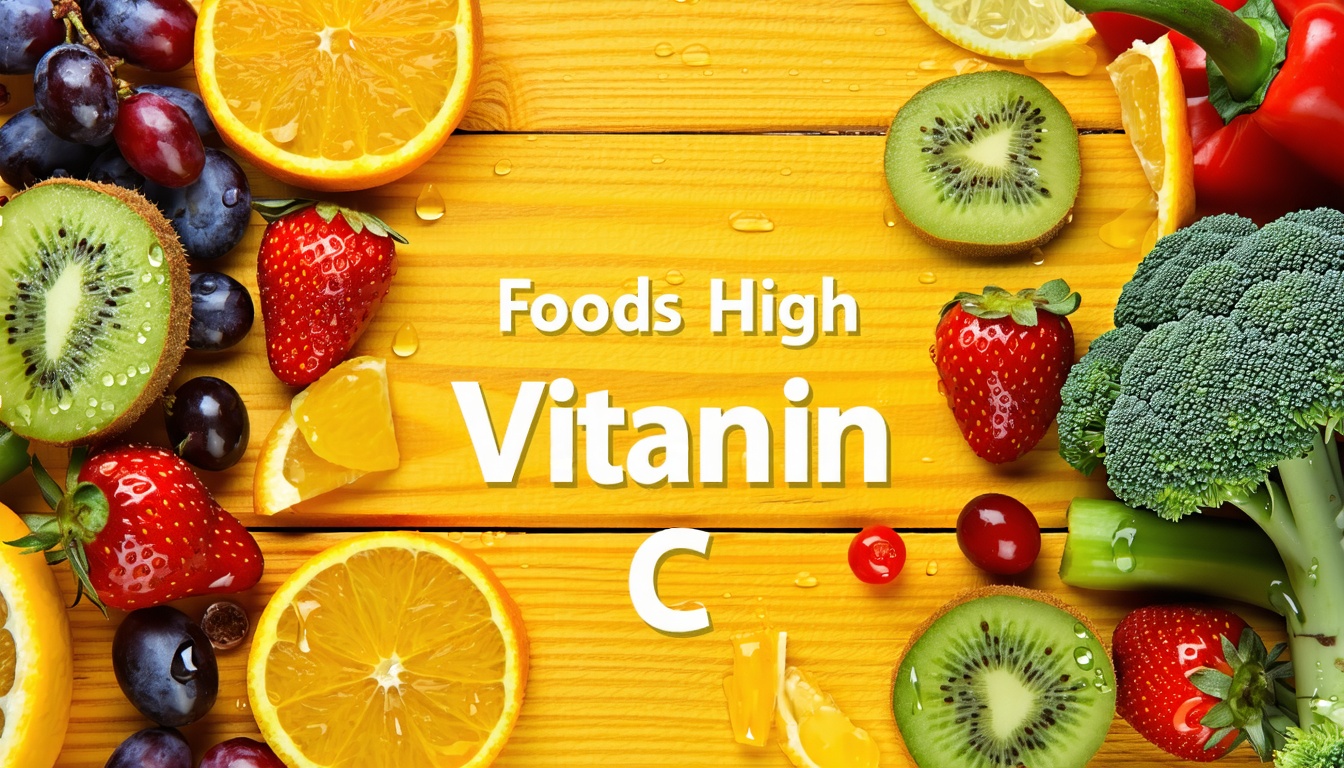
Foods high in vitamin C aren’t just a seasonal cold remedy—they’re everyday essentials that power up your body from the inside out. Vitamin C, also known as ascorbic acid, plays a crucial role in collagen production, immune function, iron absorption, and antioxidant protection. Since the human body can’t produce it naturally, your best bet is loading your plate with fresh fruits and vegetables that are naturally rich in this vital nutrient. This guide dives into the best natural sources of vitamin C, daily intake recommendations, how to retain its benefits during cooking, and when supplements might make sense.
Importance of Vitamin C
Vitamin C, or ascorbic acid (fancy name, huh?), is a superstar for your well-being. This mighty vitamin has got your back on loads of stuff. Let’s dive into why it deserves a spot on your daily playlist.
Role in Body Tissues
Think of vitamin C as your body’s maintenance crew—it keeps everything running smoothly:
-
Collagen Factory: Builds strong support for your skin, bones, and teeth. It’s like the scaffolding of your body.
-
Iron Buddy: Helps your body soak up iron better, keeping your blood shipshape.
-
Immunity Booster: Bumps up your defenses like a bouncer at the club, blocking out germs and nasties.
-
Wound Warrior: Jumpstarts repair work when you’ve had a scrape or a cut.
Unlike most animals, you’ve gotta get this essential from food or pills because your body can’t make it. So, pile your plate with vitamin C goodies like oranges, spuds, and broccoli (NCBI, NHS).
Benefits of Vitamin C
Vitamin C is like the gift that keeps on giving. Here’s the lowdown:
-
Bodyguard Against Damage: It’s in the antioxidant posse, fighting off sneaky free radicals that try to wreak havoc. Yeah, that’s less chance of things like cancer and heart troubles showing up (WebMD).
-
Immune Hero: Regular doses make your immune system a fighter in top form, cutting illnesses down to size.
-
Skin’s Best Friend: Love those creams and serums? They probably promise collagen boosts led by vitamin C. It’s your go-to for a glowing face. Check out our piece on keeping your skin fabulous with vitamin c supplements.
-
Hair Helper: Want lush locks? Vitamin C may have a role in that too. For the full scoops, flip over to our article on vitamin c for hair growth.
Dabble in our guides to load up on vitamin C through tasty stuff like fresh fruit smoothies or veggie-packed snacks: food high in vitamin c and food rich in vitamin c. Not only will you feel better, but you’ll be flashing that healthy glow everyone envies.
Daily Intake and Recommendations
Getting the hang of how much vitamin C you need is no rocket science. It’s all about knowing your numbers. So, let’s dive into the daily dose business and see how you can meet your vitamin cravings.
Recommended Dosage
How much vitamin C you need depends on who you are and how old you are. Here’s the scoop for grown-ups:
| Age Group | Recommended Daily Intake |
|---|---|
| Women (19 years and older) | 75 mg |
| Men (19 years and older) | 90 mg |
| Adults (19-64 years) | 40 mg (aim from your daily grub) |
Our bodies don’t stash vitamin C like a squirrel stores nuts. You’ve got to munch on it every day to keep everything running like a well-oiled machine. Getting your vitamin fix keeps you feeling top-notch.
Meeting Daily Needs
To hit that daily vitamin C quota, whip up meals with a bunch of vitamin C-packed foods. Here are some tasty options to toss into your shopping cart:
| Food Source | Vitamin C Content (mg per 100g) |
|---|---|
| Kiwi | 92.7 |
| Strawberries | 58.8 |
| Oranges | 53.2 |
| Bell Peppers | 80.0 |
| Broccoli | 89.2 |
These guys do more than pump you full of vitamin C—they’re packed with goodies your body loves. Sure, vitamin C supplements are out there, but making meals with whole foods is the winning ticket.
Don’t go overboard though—taking more than 1,000 mg a day might have you running to the bathroom, thanks to a tummy ache or worse. If you’re thinking about supplements or have doubts about hitting your vitamin C marks, chatting with a healthcare pro is a smart move. For extra tidbits on ascorbic options, check out our guides on ascorbic acid and vitamin C vitamins.
Food Sources of Vitamin C
Upping your vitamin C game is as simple as raiding your fridge. Fruits and veggies? Yeah, they’re your best friends here. Knowing what foods serve up the most vitamin C helps dial in those smart eating choices.
Natural Sources
Nature’s got you covered with loads of fruits and veggies bursting with vitamin C, among other good stuff. You can sprinkle a bunch of fresh produce into your daily meals and tick off that vitamin C box without breaking a sweat. Aim for fresh stuff over frozen or canned since it packs more punch in the vitamin department.
Fruits High in Vitamin C
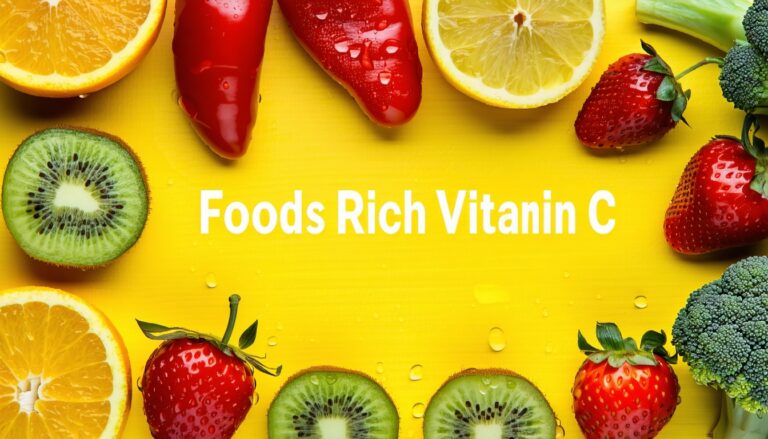
When it comes to packing a vitamin C punch, fruits are the heavyweights. Here’s a quick rundown of some fruity favorites with their vitamin C stats, per 100 grams:
| Fruit | Vitamin C Content (mg) |
|---|---|
| Oranges | 53 |
| Kiwifruit | 92.7 |
| Strawberries | 58.8 |
| Pineapple | 47.8 |
| Cantaloupe | 36.5 |
| Papaya | 60.9 |
Adding these beauties to your plate isn’t just a vitamin win; they throw a flavor party that your taste buds will thank you for.
Vegetables Rich in Vitamin C
Veggies are no slouches when it comes to delivering a good dose of vitamin C too. Check out these popular picks and their vitamin C content, per 100 grams:
| Vegetable | Vitamin C Content (mg) |
|---|---|
| Red Bell Pepper | 127.7 |
| Broccoli | 89.2 |
| Brussels Sprouts | 85.0 |
| Spinach | 28.1 |
| Potatoes | 19.7 |
| Tomatoes | 13.7 |
Mixing up these veggies in your meals is a surefire way to hit those vitamin C goals. Shooting for five servings of fruits and veggies a day? You’ll get 200 mg of vitamin C easy peasy!
If you’re scouting for more ways to up your vitamin C levels, you might want to think about options like vitamin C supplements or peek at our article on foods bursting with vitamin C. Keeping your vitamin C topped off naturally will have you feeling on top of the world!
Vitamin C Deficiency
Vitamin C is like the Swiss Army knife for your health—everything from keeping your skin glowing to making sure your wounds heal right. Miss out on enough of this do-it-all nutrient, and you’re asking for trouble. Let’s dig into how Vitamin C deficiency might give you a nudge that it’s time to stock up.
Signs and Symptoms
If your body’s running low on Vitamin C, it might send you some not-so-subtle hints. Here’s what to watch for:
- You’re feeling wiped out and weak
- Your gums are bleeding like a character in a horror flick
- Your hair feels like a broom
- Your skin’s as dry as the desert
- You bruise like a tomato
- Cuts turn into long-term projects
- Your joints are screaming for some relief
When things get seriously rough, you might face scurvy, which isn’t just for pirates of old—it can be a real danger if not addressed. Don’t let it get there. Keep Vitamin C-rich foods as your daily sidekick to fend off these troubles.
Preventing Deficiency
To stay in the safe zone, give your diet a makeover with juicy fruits and crisp veggies. Aiming for a daily hit of 7 to 8mg of Vitamin C can keep those pesky deficiencies at bay, since your body doesn’t hoard it and you can run low before you know it (Healthdirect).
Here’s a grocery list for some C-boosting power:
| Food Item | Vitamin C Content (mg) per 100g |
|---|---|
| Oranges | 53 |
| Strawberries | 58.8 |
| Kiwi | 92.7 |
| Bell Peppers | 80 |
| Broccoli | 89.2 |
If you’re a little low, it might just take munching on these goodies to get back on track. If that’s not doing the trick, a supplement might be your game-changer, but don’t go overboard—your body will just flush it out anyway (Healthdirect).
For those who like shortcuts, swing by our vitamin C supplements page for some easy options. Remember, a vitamin C-rich diet isn’t just to dodge deficiency. It’s the key to good skin, bulletproof immune defenses, and a well-oiled self (WebMD).
Browse through our tips on packing your meals with Vitamin C over on our food with vitamin c and food rich in vitamin c pages. Happy munching!
Impact of Cooking on Vitamin C
Cooking can play a tricky game with vitamin C in your chow, and knowing which cooking tricks keep this superstar nutrient in your grub is golden. Here, you’ll find some cooking hacks to keep vitamin C hanging around in your eats.
Cooking Methods
Different ways of cooking change how much vitamin C hangs out in your veggies and fruits. Check out what happens with these common kitchen rituals:
| Cooking Method | Effect on Vitamin C |
|---|---|
| Boiling | Vitamin C makes a fast getaway, leaving less in your meal. |
| Steaming | Keeps a good chunk of nutrients safe; only 9-15% of vitamin C slips away. |
| Microwaving | Holds onto most of the good stuff; loses about 20-30%, better than other ways. |
When you boil your veggies, beware! Vitamin C is a sucker for water and waves goodbye fast during boiling. So, if boiling’s your jam, keep the water low and the cooking time short (Healthdirect).
Steaming your greens like broccoli, spinach, and lettuce is a winner for keeping all those vitamins intact. It scores high marks for saving those vitamins from the other methods (Healthline).
Microwaving jumps in here as a top choice for those on-the-go moments. Quick cook times and lower heat mean zucchini, garlic, and even mushrooms keep their groove on with a 20-30% vitamin C vibe, putting boiling on the bench (Healthline).
Retaining Nutrient Content
If you’re all about getting the most vitamin C action, try these tips:
-
Pick Vitamin C Superstars: Gobble up fresh goodies like oranges, strawberries, bell peppers, and kiwi. These are your vitamin C VIPs! Check out our handy lists on food with vitamin c and food rich in vitamin c.
-
Cook Fast, Like Lightning: Get your cook on quick! Thinking steam and microwave because less time cooking means more vitamin C stays.
-
Low H2O Show: For boiling, keep water in check. Use just enough and maybe save that water for some soup action later.
-
No Sudden Moves: Keep a close watch and stop before things get saggy and overdone to hold onto all those vitamins.
Keeping these tricks in your back pocket can keep your meals filled with the awesome perks of vitamin C. For peeps thinking about vitamin C supplements, it’s always a good idea to mix ’em with real food for the whole shebang.
Supplements vs. Natural Sources
When you think about pumping up your vitamin C, you’ll probably wonder whether to grab some pills or munch on some juicy fruits. Each has its perks and pitfalls, so let’s break it down.
Pros and Cons
Supplements
| Pros | Cons |
|---|---|
| Super easy and quick to take | Miss out on the full benefits of whole foods |
| Helps hit your daily vitamin C goals | Too much can cause a bellyache and other troubles |
| Handy for those with special diets | Lacks other goodies like nutrients and fiber found in foods |
| Might boost iron levels and cut down anemia risk (Healthline) | Not everyone’s a fan of taking pills or powders |
Natural Sources
| Pros | Cons |
|---|---|
| Packed with extra vitamins, minerals, and antioxidants | Takes planning to get enough in your diet |
| Typically, the body absorbs it better | Might need more prep time and effort to eat |
| Refreshing and naturally hydrating | Can be tricky to fit into a busy schedule |
Mixing vitamin C-rich foods with some supplements can keep your levels in the sweet spot.
Making Informed Choices
Think about how to up your vitamin C while considering your everyday habits, dietary choices, and what your body needs. The U.S. FDA says adults should aim for 90 mg a day, and many can reach this by eating a balanced diet loaded with vitamin C-rich goodies (NIH Office of Dietary Supplements).
If you’re leaning toward supplements, aim for ones with ascorbic acid—the good stuff—or fill up your plate with natural foods rich in vitamin C. Foods like fruits and veggies offer more health boosts than a standalone tablet can.
Those of you eyeing vitamin C for glowing skin or luscious hair might find supplements handy for getting your fill. Always check in with a health expert if you’re switching things up, to ensure it’s right for your health needs.
Choosing between natural goodies or supplements, just make sure you’re getting enough vitamin C for your health and wellness.
Final Thoughts
Whether you’re chasing glowing skin, a stronger immune system, or better overall vitality, vitamin C-rich foods are a smart and delicious place to start. From strawberries and kiwi to bell peppers and broccoli, nature is full of colorful options that make hitting your daily goals both easy and enjoyable. While supplements can help fill in the gaps, they’re no match for the fiber, hydration, and extra nutrients whole foods deliver. The key is balance: aim for fresh, minimally processed choices and cook them gently to preserve as much of the good stuff as possible. Your body—and taste buds—will thank you.
Frequently Asked Questions (FAQ)
How much vitamin C do I need per day?
The recommended daily intake for adults is around 75 mg for women and 90 mg for men. However, even just 40 mg daily from food sources is often sufficient for basic needs. It’s important to get a consistent daily supply, as the body doesn’t store vitamin C.
What are the best fruits high in vitamin C?
Top fruit sources include kiwi (92.7 mg/100g), strawberries (58.8 mg/100g), oranges (53.2 mg/100g), papaya, and pineapple. These fruits not only deliver a potent vitamin C punch but are also refreshing and hydrating.
Which vegetables are rich in vitamin C?
Red bell peppers, broccoli, Brussels sprouts, and spinach are all excellent vegetable sources. Red bell peppers are especially potent, offering 127.7 mg per 100g.
Does cooking reduce the vitamin C content in food?
Yes, especially with methods like boiling. Steaming and microwaving are better at preserving vitamin C, as they use less water and shorter cooking times. For maximum retention, use minimal heat and cook quickly.
Can I get enough vitamin C through diet alone?
Absolutely. A well-balanced diet that includes a variety of fruits and vegetables can easily meet your daily vitamin C needs. Supplements may help in certain cases, but whole foods offer added benefits like fiber and antioxidants.
What are the signs of vitamin C deficiency?
Common symptoms include fatigue, bruising easily, bleeding gums, dry skin, and slow wound healing. In severe cases, deficiency can lead to scurvy, a condition that causes muscle weakness, joint pain, and gum disease.
Are vitamin C supplements safe?
Generally, yes—but too much (over 1,000 mg/day) can cause side effects like stomach upset or diarrhea. It’s best to consult with a healthcare provider before starting any new supplement routine.