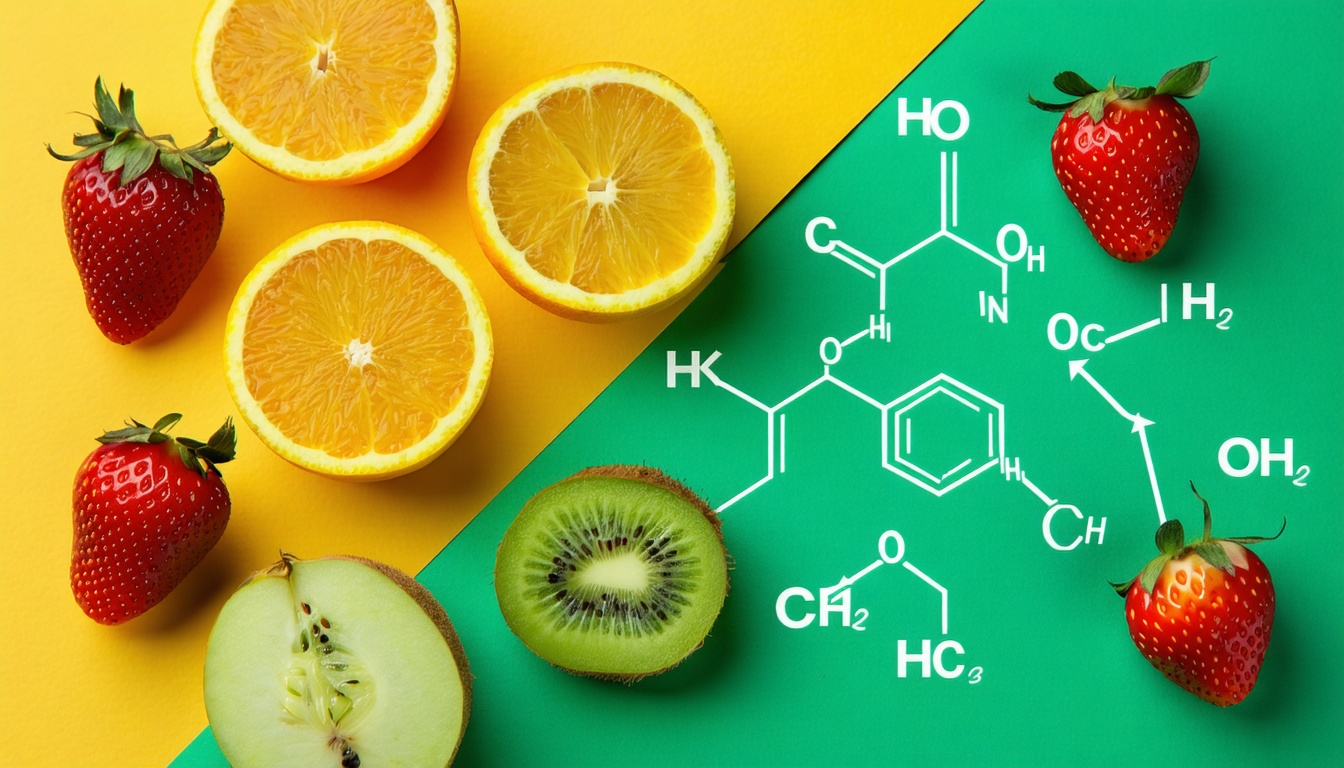
Ascorbic acid, more commonly known as vitamin C, plays a vital role in supporting overall wellness—from boosting immunity to enhancing skin health and accelerating wound healing. Since our bodies can’t produce it naturally, it’s essential to include this powerhouse nutrient through food or supplements. Whether you’re recovering from an illness, looking to protect your cells from oxidative damage, or simply aiming to feel more energized, ascorbic acid deserves a top spot in your daily routine.
The Power of Ascorbic Acid
Introduction to Vitamin C
You probably know it as vitamin C, but its fancy name is ascorbic acid. Since your body can’t whip up this essential player all by itself, you’ve got to get it from what you eat or pop in supplement form. Vitamin C has its hands in all sorts of bodily chores—helping you grow, develop, and bounce back when you’re feeling down. Plus, it’s a pro at helping you absorb iron, a crucial mineral that keeps you truckin’ along with that all-around healthy vibe. Wanna dig deeper? Check out our detailed piece on vitamin C.
Importance of Ascorbic Acid
When it comes to keeping your health on the up and up, ascorbic acid is kind of a big deal. First off, it’s got your immune system’s back, working hard to keep those nasty germs at bay. And thanks to its antioxidant superpowers, vitamin C is like a personal bodyguard for your cells, shielding them from those pesky free radicals that try to stir up trouble and lead to bigger health headaches like heart disease and cancer (MedlinePlus).
Need more reasons to love this nutrient? Ascorbic acid is your go-to for making collagen—the stuff that keeps your skin, blood vessels, cartilage, and bones in tip-top shape. And if your vitamin C levels take a nosedive, you could run into some gnarly problems like scurvy, which brings on the kind of issues nobody wants, like anemia, receding gums, and looking like you’ve been in a boxing match (Mayo Clinic).
Thinking about adding a vitamin C supplement to your shelf? You’ve got choices. Here’s a speedy rundown of what those tiny tablets can do for you:
| Benefit | Description |
|---|---|
| Healing and Recovery | Speeds up healing and helps your body make collagen. |
| Immune System Support | Cranks up your body’s defenses against germs. |
| Antioxidant Protection | Keeps your cells safe from rogue free radicals. |
Curious about packing your diet with more vitamin C? Check out foods that are bursting with it, or maybe think about a vitamin C supplement. For a juicy list of vitamin C-rich bites, peek at our feature on food rich in vitamin C. Every little bit helps in supercharging your health and taking full advantage of all the good stuff ascorbic acid has to offer.
Benefits of Vitamin C Supplements
Vitamin C (ascorbic acid) isn’t just another letter in the alphabet soup; it’s a game-changer for your body. Bringing vitamin C into your life, probably on your breakfast table, can do wonders for how you feel and heal. Let’s dig into why you might want to keep those vitamin C pills within arm’s reach, or maybe just squeeze a lemon now and then.
Healing and Recovery
Vitamin C is like your body’s handyman, fixing things up when they go out of whack. It’s a big player in whipping up collagen, the stuff that keeps your skin, blood vessels, and tissues in tip-top shape. Got a scratch or coming out of surgery? Vitamin C is your sidekick, speeding up your body’s mend-and-fix game.
It’s also a helper when it comes to soaking up iron from your leafy greens, giving a thumbs-up to fight off anemia. Here’s how it works its magic:
| Function | Benefit |
|---|---|
| Wound Healing | Speeds up recovery of boo-boos |
| Collagen Production | Keeps skin and tissues in good repair |
| Iron Absorption | Helps your body grab more iron from greens |
Immune System Support
Vitamin C has a reputation for being the bodyguard in your immune gang. It cranks up the work of white blood cells that tackle invading germs and nasties. Keeping a steady dose of vitamin C might mean fewer days wrapped up with a blanket and box of tissues. Plus, when nasty germs do break through, they might not stay as long. Here’s how vitamin C plays on your immune team:
| Benefit | Description |
|---|---|
| White Blood Cell Production | Enhances the fight against invaders |
| Reduced Infection Duration | Helps boot out colds quicker |
| Antioxidant Protection | Shields cells from harmful baddies |
Antioxidant Protection
Think of vitamin C as your body’s shield. It tackles pesky free radicals — those molecular misfits that crash around causing chaos and might even pave a path to heart problems and cancer. By keeping these free radicals at bay, vitamin C has your heart’s back and may lower your risk of serious health hiccups.
Taking at least 500 mg a day has been linked to a fresher heart. Make sure vitamin C finds its way into your meals or supplement routine.
Antioxidant Benefits:
| Benefit | Impact |
|---|---|
| Free Radical Neutralization | Protects cells from getting knocked around |
| Cardiovascular Health | Supports a hearty heart |
| Cancer Risk Reduction | Possibly lowers the odds of certain cancers |
Vitamin C supplements? They’re like a pocket-sized health boost. So, if you’re thinking of nudging more vitamin C into your day, whether popping a vitamin C supplement or munching on an orange, think of all the good you’re inviting into your day. Your body will likely thank you.
Forms and Dosage of Ascorbic Acid
Curious about how ascorbic acid can fit into your daily grind? It’s not just about adding it to your diet; knowing the types and the right amounts makes all the difference. Here, you’ll find the scoop on what’s out there and how much you should be taking.
Oral Supplements
Ascorbic acid comes in a buffet of oral supplement styles, ready to cater to your taste and convenience. Whatever floats your boat, there’s likely an option for you. A peek at the choices:
| Form | What It Means for You |
|---|---|
| Extended-release capsules | Slow and steady wins the race, great for all-day effects |
| Tablets | Classic pop-and-go pills—you know the drill |
| Lozenges | Munch or suck on these while they dissolve to your liking |
| Chewable gels | Tasty and easy, these soft gels go down a treat |
| Liquid drops | Easy-peasy, just drop ‘em in a spoon and down the hatch |
Typically, you can take these babies once a day, unless your doc says otherwise. For a closer look, check this MedlinePlus link.
Different Forms Available
You’ll find ascorbic acid solo or teamed up with other vitamins to boost your healthy vibes. If you go for a combo, you’re not just topping up your C game but also kicking up your general nutrition. There’re specialty blends too, tailored for your skin and hair. Curious? Our deep dives into vitamin c supplement for skin and vitamin c for hair growth dish out the details.
Recommended Dosage
Getting your C levels right maximizes good vibes and minimizes problems. “Less is more” isn’t the mantra here, just keep it in check. The cutoff for vitamin C is 2,000 mg per day—cross that line and you might face those not-so-fun side effects: tummy troubles like diarrhea or heartburn (Healthline).
| Age Group | Daily Must-Have (RDA) |
|---|---|
| Adults (19 years and older) | 65 – 90 mg |
| Expecting Moms | 85 mg |
| Nursing Moms | 120 mg |
If you’ve got some unique needs or health stuff happening, your healthcare buddy’s your best bet for nailing down the perfect amount. Staying below 2,000 mg a day keeps the side effects mostly at bay, letting you soak up ascorbic benefits without worry. Check out our vitamin c vitamins selection for more options to fit right into your life!
Natural Sources of Vitamin C
Adding natural sources of vitamin C, aka ascorbic acid, to your meals is a solid way to boost your health game. Here’s a peek at some top picks that’ll give you a vitamin C kick.
Kakadu Plum
Say hello to the Kakadu plum, a superfood gem from Australia. This fruit has a jaw-dropping amount of vitamin C, about 100 times more than oranges! With up to 2,907 mg per 100 grams, it’s like the superhero of vitamin C foods. Mixing a bit of Kakadu plum into your snacks could seriously up your vitamin C intake.
Red Acerola Cherries
Next up, we’ve got red acerola cherries. Just half a cup serves up around 1,650 mg of vitamin C. Besides ascorbic acid, these cherries bring some antioxidant and anti-inflammatory goodness to the table. They’re a tasty way to sneak more nutrients into your meals without feeling like you’re on a health mission.
Rose Hips
Rose hips, those little fruits from rose plants, are another nutrient powerhouse. In 100 grams, you’ve got 426 mg of vitamin C—an impressive 473% of your Daily Value (if we’re getting a bit numbery here). They’re a sweet pick if you’re on the hunt for boosting your vitamin punch.
Yellow Pepper
Yellow peppers aren’t just about the color pop—they’re nutrition champs too. One large yellow pepper gives you 342 mg of vitamin C, doubling what you’d get from the green kind. At about 380% of the DV, they’re a crisp addition to meals, with a side of vitamin C swell.
Mustard Spinach
Last but not least, mustard spinach. For a leafy green, it’s pretty rad, packing about 195 mg of vitamin C per cup, or 217% of the DV. Plus, it keeps a hearty dose of that C goodness even after cooking. You can toss it in just about anything for a nutritional lift.
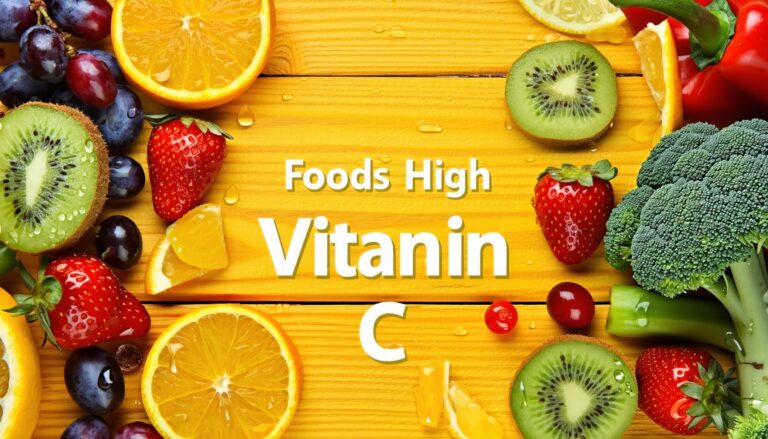
Squeezing these natural vitamin C havens into your diet can be a simple way to support your health. If supplements are more your style, check out our pages on a good vitamin C supplement for skin and vitamin C for hair growth. Remember, every little addition helps meet your daily needs. To dig deeper into foods that are bursting with vitamin C, swing by our articles on foods high in vitamin C and foods with vitamin C.
Risks and Side Effects
Alright, let’s chat about tossing some vitamin C (ascorbic acid) into your routine. It ain’t just for warding off colds. It’s like the Swiss Army knife of vitamins, with all its benefits, but too much of a good thing can be a problem. So, let’s keep things balanced, shall we?
Too Much of a Good Thing
When it comes to popping vitamin C pills, too much is definitely a thing. Keep it under 2,000 mg a day to play it safe. That’s the magic number for most folks.
| Vitamin C Daily Dose | What Could Happen? |
|---|---|
| Over 2,000 mg/day | Hello, kidney stones! |
| More than 2,000 mg/day | Upset tummy, yeah, nobody wants that. (Think diarrhea, the uneasy belly, and acid going north when it should go south) |
Go overboard with the C, and your kidneys might start forming little rocks, and you’ll feel not-so-great (Healthline). Long stretch of mega doses can stir up more than just tummy troubles. Curious about keeping it safe? Have a peek at vitamin c supplement.
Watch the Warning Signs
Most folks are fine with vitamin C, but some can’t handle too much. Spot these side effects? Hit timeout on your vitamin spree:
- A sudden need to camp out near the bathroom
- Feeling queasy
- Acid sneak-attacking your throat
If the above sound all too familiar, get a healthcare pro on speed dial (MedlinePlus).
Balance is the name of the game with vitamin C. Keep it cool with your doses so you enjoy more of the good stuff and less of the ouch. If you’re on the hunt for something from Mother Nature’s pantry, check our tips on munching on food rich in vitamin c and food high in vitamin c. Curious about how the C can spruce up your hair or skin game? Visit vitamin c for hair growth and vitamin c supplement for skin.
Vitamin C Deficiency and Health Effects
Getting enough vitamin C, also known as ascorbic acid, is like having the ultimate insurance policy for your health. When you’re running low, it can spell trouble—big time—bringing along scurvy and messing with your body’s ability to tackle anemia. So, let’s make sure you’re in the know!
Scurvy Symptoms
When you’re running on empty with vitamin C, scurvy’s knocking on the door. It’s not just a pirate’s disease; it’s very much real today! Here’s what you might see if scurvy’s crashing your party:
| Symptom | What It Feels Like |
|---|---|
| Fatigue | You’re feeling like a zombie, no caffeine required. |
| Gum Inflammation | Gums so puffy they’d make chipmunks blush, and they bleed on a whim. |
| Joint Pain | Knees creaking like an old door every time you move. |
| Poor Wound Healing | Even a paper cut’s a long-term relationship before it heals. |
| Capillary Fragility | Bruises pop up like bad family gossip—often and unwelcome. |
The NIH Office of Dietary Supplements gives you the lowdown on these symptoms, and trust me, it’s not a party you want to attend.
Impact on Anemia
Vitamin C is the sidekick that helps iron do its job. Skip out on it, and anemia might decide to join the fun. We’re talking about iron deficiency anemia with symptoms as soothing as a Monday morning alarm:
| Symptom | How It Shows Up |
|---|---|
| Fatigue | Energy levels in the basement, and it’s not even a finished basement. |
| Weakness | Feels like you’re lifting weights just lifting a spoon. |
| Shortness of Breath | Who knew walking to the fridge could leave you winded? |
| Pale Skin | A complexion that says, “I never see the sun.” |
Pair those vitamin C-rich foods with your iron buddies like they’re the PB&J of nutrition. Hungry for ideas? Check out our list of foods high in vitamin C.
Long-Term Health Consequences
Ignore vitamin C warnings and you might be dealing with some unwelcome long-term guests. The Mayo Clinic tells us all about these bad boys:
- Your immune system’s a bit like an old, rusty shield.
- Bugs and infections start to look at you like a buffet.
- Chronic fatigue starts feeling like your new best friend.
- Gum issues turn those pearly whites into pearly gone.
So, keep that vitamin C intake strong. Dive into food rich in vitamin C or try out vitamin C supplements to keep yourself on the healthier path.
Final Thoughts
Incorporating ascorbic acid into your everyday health plan is more than just a vitamin boost—it’s a proactive step toward stronger immunity, faster recovery, and better skin and cardiovascular health. With its antioxidant properties, ability to support iron absorption, and critical role in collagen production, vitamin C is indispensable. Just be mindful of your dosage and choose forms that suit your lifestyle, whether that’s chewables, tablets, or natural sources like Kakadu plum and yellow peppers. Staying consistent with the right intake can help keep your body resilient and thriving.
Frequently Asked Questions (FAQ)
What are the main benefits of ascorbic acid?
Ascorbic acid supports immune function, accelerates wound healing, aids in collagen synthesis, enhances iron absorption, and protects cells from oxidative stress caused by free radicals.
How much vitamin C should I take daily?
The recommended daily amount (RDA) for adults is between 65–90 mg, with an upper safe limit of 2,000 mg per day. Exceeding this may lead to side effects like stomach upset or kidney stones.
What happens if I don’t get enough vitamin C?
A deficiency can lead to scurvy, characterized by fatigue, gum inflammation, joint pain, poor wound healing, and increased susceptibility to infections and anemia.
Can I get enough vitamin C from food?
Yes. Natural sources like Kakadu plum, acerola cherries, rose hips, yellow peppers, and mustard spinach are rich in vitamin C. However, supplements can help fill gaps when dietary intake falls short.
Are there any side effects of taking too much ascorbic acid?
Yes. Consuming more than 2,000 mg daily may cause digestive issues such as diarrhea, nausea, and heartburn. In rare cases, it could increase the risk of kidney stones.
What forms of vitamin C supplements are available?
Vitamin C is available as extended-release capsules, tablets, lozenges, chewable gels, and liquid drops. Some are also combined with other nutrients to enhance specific health benefits like skin or hair support.