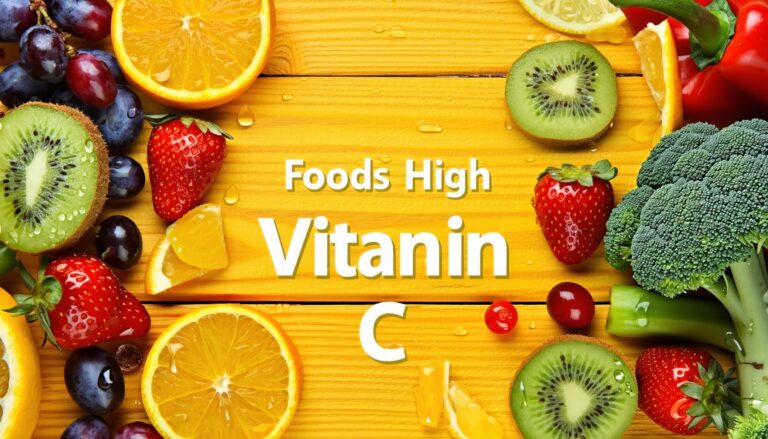
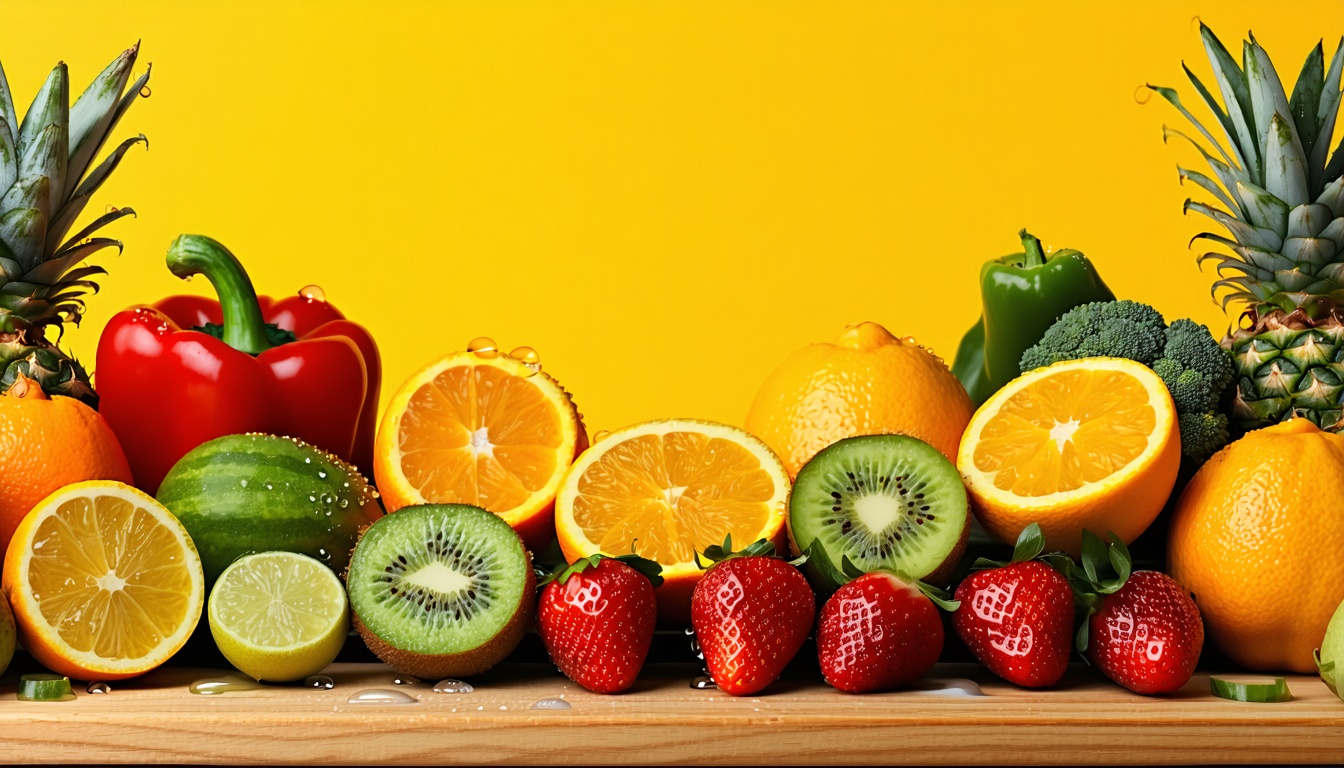
Foods rich in Vitamin C are essential for maintaining vibrant health, supporting your immune system, enhancing collagen production, and protecting your body from oxidative stress. Whether you’re looking to prevent deficiencies or simply want to supercharge your wellness routine, understanding which foods are naturally packed with vitamin C can make all the difference. From exotic fruits like Kakadu plums to everyday veggies like Brussels sprouts, incorporating these power-packed options into your meals ensures your body gets the boost it needs.
The Importance of Vitamin C
Let’s chat about Vitamin C, or as some call it, ascorbic acid—your body’s unsung hero. Why? Because it’s more than just a boost for your immune system; it’s also a key player in keeping everything running smoothly.
Benefits of Vitamin C
Packing your plate with vitamin C-rich foods can bring a whole bunch of good vibes to your health. Here’s a taste of what this mighty vitamin can do for you:
- Boosting Immunity: It does wonders by cranking up your body’s production of white blood cells, so you can battle infections like a pro (Healthline).
- Antioxidant Power: Think of it as a superhero protecting your cells from those pesky free radicals trying to wreak havoc.
- Collagen Creation: This vitamin is crucial for making collagen, the protein that keeps your skin, cartilage, and bones looking and feeling good.
- Healing Help: Getting enough vitamin C means cuts and scrapes heal faster, thanks to its role in collagen and immune-friendly functions.
To soak up all the goodness of vitamin C, make sure you’re munching on a variety of foods packed with it. Curious about what to add to your grocery list? Check out our guide on food high in vitamin c.
Recommended Daily Intake
Different strokes for different folks, right? Well, the same goes for how much vitamin C you need. Here’s a quick look at what’s suggested:
| Group | Daily Intake (mg) |
|---|---|
| Women | 75 |
| Men | 90 |
Chowing down on 100–200 mg per day fits the bill for most, ensuring you stay in tip-top shape and help fend off chronic nasties (PMC). Of course, your needs could change depending on your age, lifestyle, or any health hiccups. Thinking about popping a vitamin c supplement? It might be worth a chat with your doc to see what’s best for you.
When you’ve got the scoop on vitamin C and make sure you get enough, you’re doing yourself a solid. Load up on vitamin C-packed foods and let this vital nutrient work its magic for better health and overall wellness.
Food Sources of Vitamin C
If you want to amp up your vitamin C game, you’re in for a treat! Plenty of tasty options are brimming with this vital nutrient. Here’s a quick rundown of some all-stars:
Kakadu Plum
Meet the Kakadu plum, your new best friend for vitamin C. This little fruit packs a whopping 2,907 mg of vitamin C per 100 grams. That’s like hitting the vitamin C jackpot! Just one plum offers roughly 484% of your daily needs. Snack on these to skyrocket your vitamin C levels and feel like a superhero.
Red Acerola Cherries
Dive into red acerola cherries for a sweet vitamin C punch. A mere 1/2 cup (49 grams) scores you 825 mg of vitamin C, which is an eye-popping 916% of your daily fix. Toss these cherries into your smoothies or munch away to give your body a zesty vitamin boost (Healthline).
Black Currants
Don’t overlook black currants — they’re not just another pretty berry. A half-cup serving offers 102 mg of vitamin C or 113% of what you need in a day. These berries might help fend off oxidative stress, so enjoy them as a tasty, health-friendly treat (Healthline).
Mustard Spinach
This leafy green is a stunner when it comes to vitamin C, with 195 mg per cup, hitting you with 217% of the daily value. Sure, some vitamin C may vanish during cooking, but don’t stress — cooked mustard greens still pack 117 mg per cup. They’re perfect in salads or stews, adding a healthy, tasty twist (Healthline).
Brussels Sprouts
Love them or hate them, Brussels sprouts bring their vitamin C game. Cooked, a half-cup serving provides 48 mg of vitamin C, covering 41% of your daily needs. They’re good for your bones, thanks to collagen-forming vitamin C — who knew sprouts had so much power (Healthline)?
| Food Source | Vitamin C Content (per serving) | % Daily Value (DV) |
|---|---|---|
| Kakadu Plum | 2,907 mg (100g) | 484% |
| Red Acerola Cherries | 825 mg (1/2 cup) | 916% |
| Black Currants | 102 mg (1/2 cup) | 113% |
| Mustard Spinach | 195 mg (1 cup) | 217% |
| Brussels Sprouts | 48 mg (1/2 cup, cooked) | 41% |
Incorporating these good-for-you foods into your meals is an easy way to hit your vitamin C goals. If a vitamin C supplement catches your interest, we’ve got options, from overall health boosters to those targeting skin and hair health, like vitamin C for hair growth.
Signs of Vitamin C Deficiency
Missing out on Vitamin C can lead to some pretty obvious signs that your body isn’t getting what it needs. If your diet or your vitamin C supplement isn’t up to snuff, here’s what you might start noticing.
Keratosis Pilaris
This is the science-y name for when your skin feels like sandpaper—think rough, bumpy patches on your upper arms, thighs, or even cheeks. It tends to pop up after about 3 to 5 months of skimping on the vitamin C. The good news? Toss back a bit more of this vitamin and your skin should smooth out (Healthline).
Corkscrew-Shaped Hair
Ever look in the mirror and feel like your hair decided to twist itself into loops and spirals? That corkscrew look is another sign your body’s craving some vitamin C action. But don’t worry—fixing your intake can straighten this situation out in just about a month (Healthline).
Perifollicular Hemorrhage
This one sounds super serious, and it kinda is. It’s when you spot bright red dots around your hair follicles, screaming out for some vitamin C. With a little boost of the vitamin, many people see those scary spots vanish in about two weeks (Healthline).
Nail Abnormalities
Checking out your nails and spotting them starting to spoon like grandma’s kitchenware? Or maybe you see some weird red lines? These nail oddities could be pointing to a lack of vitamin C. Keep an eye on them but don’t rely on nails alone for a diagnosis (Healthline).
Dry, Damaged Skin
If your skin’s feeling like old leather, it might be screaming for vitamin C. This vitamin helps protect against the wear and tear of daily life. Missing out can make your skin dry and wrinkly, not exactly the kind of glow anyone wants.
To keep these signs at bay, spice up your life with some vitamin C-rich foods like Kakadu plums, red acerola cherries, and mustard spinach. Or just grab those trusty vitamin C vitamins to keep your health in check.
Side Effects of Excess Vitamin C
You’re all about boosting your health game with vitamin C, and that’s great! But hang on a sec, because too much of a good thing can become less beneficial. Let’s chat about what happens when you overdo it with all those oranges and supplements.
Tummy Troubles
Have a hankering for some not-so-fun bathroom act? Consuming too much vitamin C could do it. You might find yourself with the runs, feeling queasy, or doubling over with cramps. These unpleasant surprises pop up when you go beyond what your body wants, usually after knocking back over 2,000 mg a day. If you’re just starting out with vitamin C supplements, it’s smart to ease in to see how your belly behaves.
| Uh-oh | Feels Like |
|---|---|
| Tummy Troubles | Diarrhea, nausea, tummy cramps |
Iron Overload Woes
So here’s the deal: Downing heaps of vitamin C can stir up how your body hangs on to iron. This could be bad news if you’re someone who’s already struggling with too much iron, like folks with hemochromatosis. While usually, vitamin C helps you soak up iron from plants, jumping on mega doses without checking can spell trouble. Best to keep an eye on those levels, okay?
Kidney Stone Alert
Yikes, kidney stones! Not exactly what you signed up for, right? Taking in over 2,000 mg of vitamin C daily could up your oxalate levels, and that’s the stuff that can lead to these painful little rocks (Healthline). It’s all the more important to be cautious if you’ve fought kidney stones before. Keeping tabs on your vitamin C might just save you some serious discomfort.
| Uh-oh | Level of Oops |
|---|---|
| Kidney Stone Alert | Bigger oops with >2,000 mg |
Knowing how to play it smart with your vitamin C can keep you in the healthy zone. If you’re unsure or want to dig deeper into how much is right for you, having a chat with your healthcare buddy can clear things up. Curious about what good stuff vitamin C brings? Check out our pages on ascorbic acid and vitamin C vitamins for the lowdown.
Cooking Methods and Vitamin C
Eating your veggies is not just about feeling good; it’s about keeping your vitamins intact. How you cook them plays a big part in that, especially when you’re after that all-important vitamin C. Here’s the scoop on how different cooking styles affect its levels.
Boiling
Put simply, boiling is a vitamin C thief. It can steal up to half or more of the vitamin C in your veggies like broccoli, spinach, and lettuce. If keeping that C is high on your list, it’s best to skip boiling and try another method.
| Food Type | Vitamin C Loss (%) |
|---|---|
| Broccoli | 50% or more |
| Spinach | 50% or more |
| Lettuce | 50% or more |
If you’re curious about other ways to keep your vitamin C levels popping, take a peek at our list of food with vitamin c.
Simmering
Simmering might seem innocent, but it’s not all sunshine and rainbows for B vitamins. It can lead to a 60% disappearance act for these nutrients, though sipping on that flavorful liquid afterward saves a bunch. On the bright side, vitamin C isn’t hit as hard, but keeping an eye on it isn’t a bad idea.
| Nutrient | Retained (%) |
|---|---|
| B Vitamins (in liquid) | 70–90% |
| Minerals | 100% |
Microwaving
Now we’re talking! Microwaving isn’t just for popcorn—it’s a smart choice for vitamin C protection. Green veggies tend to lose about 20–30% of their vitamin C this way, which is better than many alternatives. Quick cooking means more nutrients get to hang around, perfect for those speedy dinners.
| Cooking Method | Vitamin C Loss (%) |
|---|---|
| Microwaving | 20–30% |
Steaming
A round of applause for steaming! It’s often the MVP when it comes to keeping vitamins in check. Steaming only nicks 9–15% of the vitamin C in veggies like broccoli, spinach, and lettuce. If you’re aiming to pack in the vitamin C, dust off that steamer.
| Food Type | Vitamin C Loss (%) |
|---|---|
| Broccoli | 9–15% |
| Spinach | 9–15% |
| Lettuce | 9–15% |
Choosing how you cook is a game changer for getting the best from your foods rich in vitamin C. Got an itch for more vitamin C knowledge? Dive into our article on vitamin c.
Preventing Vitamin C Deficiency
Keeping your vitamin C levels in check is a no-brainer for good health. By paying attention to what you eat, you can steer clear of deficiency and the problems it brings. Here’s the lowdown on how much you need, what to eat, what happens if you don’t, and what to do if you fall short.
Recommendations for Intake
How much vitamin C you need depends on who you are, but here’s the rundown for grown-ups:
| Age Group | Daily Intake (mg) |
|---|---|
| Adult Men | 90 |
| Adult Women | 75 |
| Pregnant Women | 85 |
| Breastfeeding Women | 120 |
Make sure your meals include a variety of foods packed with vitamin C to hit these targets and stay healthy.
Dietary Sources
Filling your plate with different fruits and veggies is your ticket to enough vitamin C. Check out these superstar foods:
| Food Source | Vitamin C Content (mg/100g) |
|---|---|
| Kakadu Plum | 1000+ |
| Red Acerola Cherries | 1500 |
| Black Currants | 200 |
| Mustard Spinach | 125 |
| Brussels Sprouts | 85 |
These choices don’t just give you vitamin C; they pack a punch of other nutrients that keep you feeling your best. Want more ideas? Swing by our article on foods rich in vitamin C.
Risks of Deficiency
If you skip out on fruits and veggies, you risk missing the mark on vitamin C. Eating less than 7 to 8 mg a day can put you in the danger zone since your body doesn’t stash away vitamin C (healthdirect.gov.au). Some signs you might be running low include:
- Tiredness and low energy.
- Scary stuff like scurvy if ignored for too long (healthdirect.gov.au).
Folks bouncing back from sickness or surgery might need to watch their levels even closer. Keeping your diet full of these crucial nutrients is key.
Treatment Options
Think you might be short on vitamin C? Load up on foods that are rich in it. For more serious gaps, your doc might suggest a vitamin C supplement to get you back on track fast. Just don’t go overboard, as too much can cause kidney stone troubles (healthdirect.gov.au). Regularly munching on a mix of fruits and veggies is your best bet for meeting your needs.
By following these pointers, you’ll keep your vitamin C levels in check and your health humming along. Want to dig deeper? Check out our articles on vitamin C benefits and how it can boost hair growth.
Final Thoughts
Vitamin C is far more than a simple immune booster—it’s a cornerstone of good health. By prioritizing a diet that includes a variety of fruits and vegetables rich in this nutrient, you can help protect your skin, bones, and cells from damage, while supporting faster healing and overall vitality. Just remember: while supplements are useful, nothing beats getting your vitamins straight from whole foods. Stay informed, eat smart, and let your health thrive from the inside out.
Frequently Asked Questions (FAQ)
What are the best natural sources of vitamin C?
Some of the top foods include Kakadu plums, red acerola cherries, black currants, mustard spinach, and Brussels sprouts. These foods offer high concentrations of vitamin C along with other health-promoting nutrients.
How much vitamin C do I need daily?
For most adults, the recommended daily intake is 90 mg for men and 75 mg for women. However, needs can vary depending on age, lifestyle, and health conditions.
Can I get too much vitamin C from food?
It’s rare to overdose on vitamin C through food alone. However, excessive supplementation (over 2,000 mg/day) can lead to side effects like stomach upset, kidney stones, or iron absorption issues.
What are the signs of vitamin C deficiency?
Common symptoms include dry or damaged skin, corkscrew-shaped hair, rough skin patches (keratosis pilaris), nail abnormalities, and bleeding around hair follicles (perifollicular hemorrhage).
Does cooking affect vitamin C levels in food?
Yes, cooking methods like boiling can reduce vitamin C content by over 50%. Steaming and microwaving are better options, as they help preserve more of the vitamin.
Who is most at risk for vitamin C deficiency?
People with limited fruit and vegetable intake, smokers, those recovering from illness or surgery, and individuals with restrictive diets may be at higher risk.