C Vita supplements are quickly becoming a go-to solution for individuals looking to support their immune system, enhance skin health, and increase daily energy levels. Vitamin C, also known as ascorbic acid, is a vital nutrient that your body can’t produce on its own—making daily intake essential. Whether you’re recovering from intense workouts, aiming to boost collagen production, or simply want to strengthen your body’s defenses, C Vita supplements offer a convenient and powerful way to meet your nutritional needs. This article explores the benefits, food sources, and considerations for supplementing with Vitamin C effectively and safely.
The Importance of Vitamin C
Essential Role of Vitamin C
Vitamin C, or as I like to call it, your body’s little helper, is a must-have in your diet. Think of it as the secret sauce that keeps your body ticking. It helps you grow, fixes you up after a scrape and boosts iron absorption like a boss. The catch? Your body doesn’t make it or stash it away for rainy days. So, you gotta get it in every day (Mayo Clinic).
One standout gig of Vitamin C is being a collagen-making machine. That’s the stuff that keeps your skin springy, your joints moving, and your tissues together. Plus, it’s an antioxidant powerhouse, duking it out with those pesky free radicals and giving vitamin E a makeover when it needs it (NIH Office of Dietary Supplements).
Benefits of Vitamin C Intake
Why bother with Vitamin C? Buckle up, because its perks are pretty sweet!
| Benefit | Description |
|---|---|
| Immune Support | It cranks up your immune system’s mojo. Goodbye lurgy! It won’t stop a cold from crashing your party but will send it packing quicker. |
| Wound Healing | It’s like a band-aid for your insides, making collagen to stitch up tissues faster. |
| Antioxidant Properties | Running defense against those bad guy free radicals and keeping your cells shiny and new. |
| Iron Absorption | Upgrades iron absorption – great for curbing those low-iron blues. |
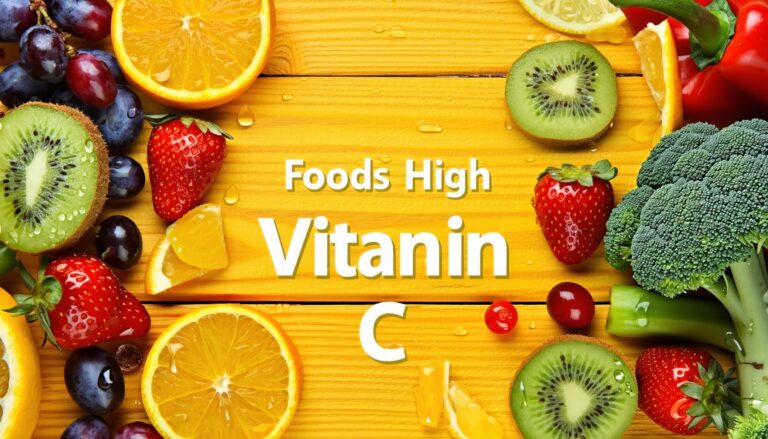
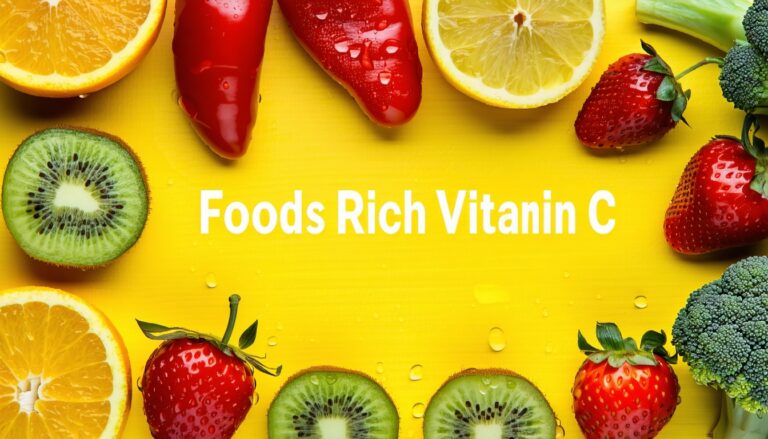
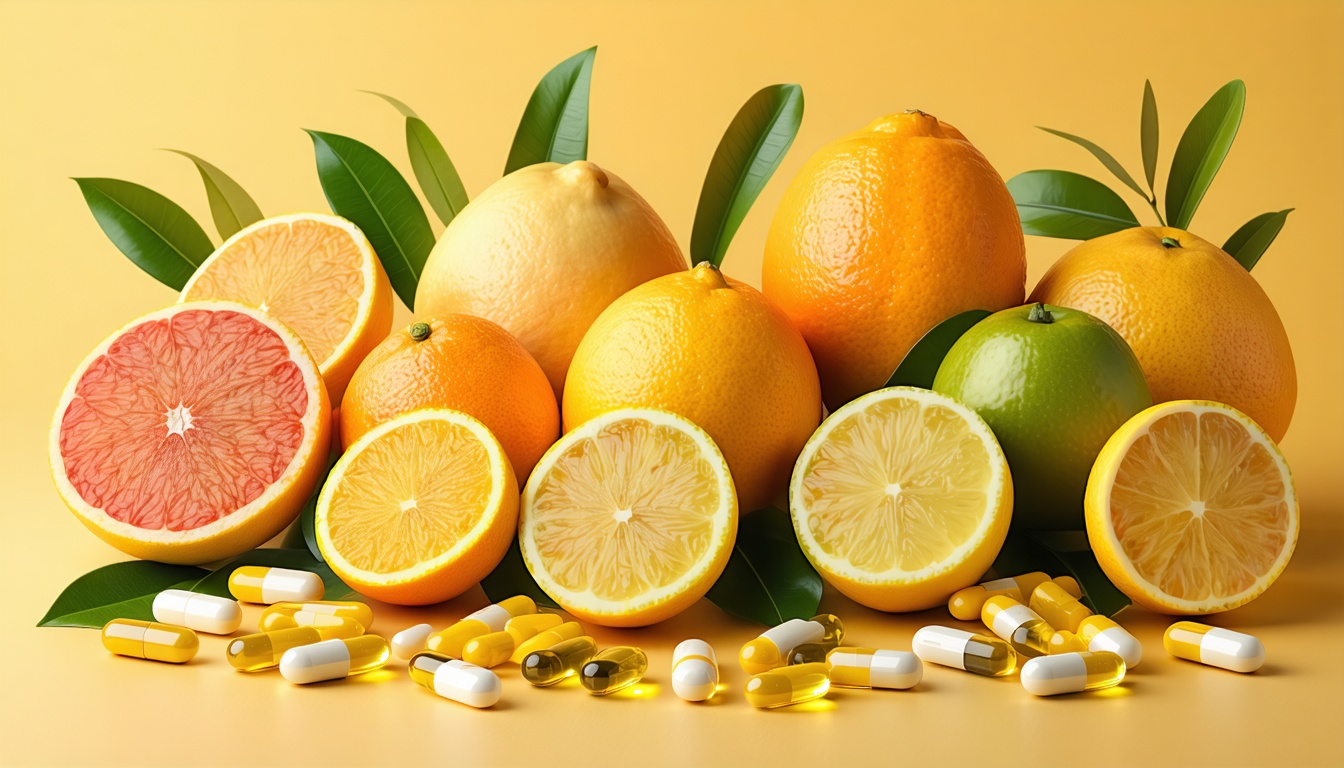
Getting your daily fix of Vitamin C is a breeze. Chow down on citrus fruits, strawberries, bell peppers, and broccoli – all packed with Vitamin C punch. If you’re eyeing a supplement, snag a top-shelf vitamin C supplement to keep your nutrition game strong.
Recommended Daily Intake
Nailing the right amount of vitamin C is like giving your health a high-five. Let’s chat about what you need to keep your vitamin C game strong.
Vitamin C Guidelines
The perfect dose of vitamin C isn’t one-size-fits-all; it’s more like finding the right shoe size. Take a peek at the suggestions below:
| Group | Recommended Daily Intake (mg) |
|---|---|
| Women | 75 |
| Men | 90 |
| Pregnant Folks | 85 |
| Nursing Moms | 120 |
Keep it under 2,000 milligrams daily to dodge any tummy trouble like the runs or upset (Healthline).
Vitamin C Dosage Recommendations
Getting your vitamin C fix should match up with what you personally need. Thinking about supplements? Here’s what you should know:
- Daily Needs: Stick to the recommendations for your group like glue.
- Why You’re Taking It: If you’re eyeing benefits like glowing skin or fabulous hair, a chat with a healthcare pro might be the way to go for custom advice.
- Eating Your C: Loads of foods are jam-packed with vitamin C. Check out food high in vitamin c and food rich in vitamin c for some tasty options.
That daily C boost doesn’t have to come in a bottle. Load your plate with vitamin-rich goodies. But if popping a supplement works better for you, there’s always vitamin c vitamins that slip right into your day. Wondering how C can perk up your look? Dive into vitamin c supplement for skin and vitamin c for hair growth.
Sources of Vitamin C
Getting your fill of vitamin C doesn’t have to be rocket science. Just dive into nature’s bounty, and you’re good to go. Let’s break down which tasty treats can boost your vitamin C levels, shall we?
Natural Food Sources
Fruits and veggies are Mother Nature’s gift, bursting with vitamin C goodness. Here’s a peek at some top picks you might wanna toss into your shopping cart:
| Snacks | Vitamin C Boost (mg per serving) | % Daily Value (DV) |
|---|---|---|
| Red Acerola Cherries | 1,650 mg (1/2 cup) | 1,833% |
| Mustard Spinach | 195 mg (1 cup) | 217% |
| Black Currants | 102 mg (1/2 cup) | 113% |
| Rose Hips | 426 mg (100 g) | 473% |
For more tasty treasures, hit up our guide on food high in vitamin c.
Superfoods Rich in Vitamin C
Step aside regular items, ’cause superfoods are swooping in with outrageous amounts of vitamin C. Here are some stars:
- Kakadu Plum: This Aussie gem is like the superhero of C! We’re talking 2,907 mg of vitamin C per 100 grams. Just grab a Kakadu plum (around 15 g), and you’re looking at 350 to 480 mg.
- Acerola Cherries: These bad boys don’t only bring vitamin C to the table—they’re ready to fight off doom and gloom with antioxidant and anti-inflammatory skills.
Consider sprinkling these into your snacks or meals or think about vitamin c supplements if you’re looking for a change-up.
Spicing up your diet with vitamin C-rich goodness can be a tasty journey all on its own. Fresh is always best for squeezing out all that C-flavored magic. If supplements tickle your fancy, check out our scoop on vitamin c vitamins or give ascorbic acid a whirl for another twist on this essential nutrient.
Health Benefits of Vitamin C
Vitamin C, or ascorbic acid, is like a superhero for your body, offering a truckload of perks to keep you tip-top. Here, you’ll learn how taking enough vitamin C can help fend off the sniffles, keep your ticker ticking, and fight off pesky free radicals.
How Vitamin C Helps Your Immune System
Vitamin C is like having an extra tool in your immune system kit. While it’s not a miracle cure for colds, some research says it might help you get over your cold a teensy bit quicker—around 13 hours or so. If you’re the kind of person who likes to challenge your body with extreme workouts or outdoor adventures, vitamin C has even bigger benefits. It might just cut the chance of getting a cold in half.
| Immune System Benefits | Effect |
|---|---|
| Cold duration reduction | ~13 hours sooner |
| Cold incidence reduction (extreme workouts or conditions) | 50% less likely |
Keeping Your Heart Happy
Vitamin C might be your heart’s new best pal. Folks who consume at least 700 mg of this vitamin daily seem to be reducing their risk of heart disease by a quarter over ten years. Not too shabby for an antioxidant that looks after your blood vessels and keeps things flowing smoothly.
| Heart Health Benefits | Effect |
|---|---|
| Lower heart disease risk | 25% with 700 mg daily |
Antioxidant Superpowers
Vitamin C acts as a top-notch antioxidant, fending off oxidative stress like a pro. By eliminating free radicals, it helps prevent the bad stuff like chronic diseases and aging. Plus, it’s great for your eyes, reducing the risk of age-related eye issues like macular degeneration and cataracts. The more vitamin C in your diet, the lower your chances of cataracts cropping up.
| Antioxidant Properties | How it Helps |
|---|---|
| Tackles free radicals | Cuts down oxidative stress & chronic illness risk |
| Lessens cataract risk | Tied to higher vitamin C intake |
Adding a vitamin C supplement into your daily routine could be just what the doctor ordered. But don’t forget natural sources—load up on foods rich in vitamin C like citrus fruits, strawberries, and sweet bell peppers. Whether you’re aiming for a strong immune system, a healthy heart, or need some antioxidant power, vitamin C is one important nutrient you shouldn’t overlook.
Considerations for Vitamin C Supplements
So, you’re thinking about boosting your vitamin C game, huh? Well, hold your horses—before you jump on the supplement train, it’s smart to know what could go sideways if you overdo it. This info can keep you on track to a healthier you without the hiccups.
Potential Side Effects
For most folks, vitamin C is as chill as a hammock on a sunny day, but pop too much and you might find yourself in stomach-churning waters. Eating more than 2,000 mg at once can lead to a dance with diarrhea or a tango with nausea. That’s why experts set a cap of 2,000 mg per day (Healthline).
Here’s the lowdown on what too much vitamin C might do:
| Side Effect | What’s Happening |
|---|---|
| Diarrhea | Yeah, you might wanna stay near a bathroom |
| Nausea | Your belly’s gonna hate you |
| Kidney Stones | Your kidneys might throw a rock concert |
Feeling funky after downing vitamin C? Maybe it’s time to call up your doc—or not, your choice!
Overdose Risks
Even vitamins carry their own baggage of risks when you overindulge, especially if you’re already dealing with other health stuff. Here’s what’s worth noting:
-
Iron Overload: Buddy, if you’ve got something like hemochromatosis that makes your body hoard iron, play it cool with vitamin C. It can crank up the iron levels and give your organs, like your heart and liver, a hard time.
-
Kidney Stones: A mega-dose of vitamin C can boost oxalate in your pee, leading to kidney stones—ouch. Anything over 2,000 mg daily can start causing trouble, though kidney failure from it is pretty rare, thank goodness (Healthline).
Staying safe means sticking to 100% of your daily vitamin C needs—about 90 mg for guys and 75 mg for gals. When in doubt, chat with a health pro, especially if you’ve got conditions that complicate the mix.
Wanna dive deeper into vitamin C world? Check out the benefits and food sources at vitamin C and food with vitamin c. Keep that balance in your diet, and you’re golden.
Vitamin C Deficiency
Symptoms of Deficiency
Low vitamin C isn’t just a bummer; it can lead to scurvy, a real heavy hitter health-wise. So, what’s the deal if your vitamin C plummets? You might notice some not-so-fun signals from your body:
| Symptoms | What’s Happening |
|---|---|
| Feeling Worn Out | You’re wiped out, like a phone battery that won’t hold a charge. |
| Just Off | A general “blah” feeling lurks around. |
| Puffy Gums | Your gums take a GIANT step to Squishy Town, maybe even bleeds. |
| Tiny Red Marks | Little red or purple dots show up, like connect-the-dots gone wrong. |
| Easy Bruising | Marks that seem to appear out of nowhere. |
| Blood Blotches | Larger spots of bleeding beneath the surface. |
| Achy Joints | Your joints might casually feel like they’ve aged 40 years overnight. |
| Slow Healer | Paper cut that’s pondering life choices before closing up. |
| Thick Skin Spots | Parts of your skin feel as smooth as tree bark. |
| Curly Cue Hairs | Where your hair decides to get creative with its twists. |
| Down in the Dumps | A cloud of gloom hangs over your mood. |
| Lack of Iron | You’re dragging without the juice to get going ’cause your body’s missing iron. |
Putting off scurvy? Don’t. It can get serious real quick. For more tidbits, check out the NIH’s rundown on Vitamin C.
Preventing Scurvy
Keeping scurvy at bay: It’s not rocket science! Here are some basic moves to keep your vitamin C game strong:
-
Citrus Power-Up: Munch on oranges, lemons, and grapefruit to power up your vitamin C levels.
-
Mix in More Produce: Strawberries, kiwi, bell peppers, broccoli, and tomatoes are vitamin C stars. Check more vitamin C-rich eats.
-
Try Supplements: Struggling to grab it all in your meals? A vitamin C supplement might give you the boost you need.
-
Mix it Up with Meals: Keep your diet lively and packed with vitamin Cs to dodge deficiency.
-
Keep an Eye on Yourself: Spotting any deficiency signs? Chat with your doc about your food habits and supplement thoughts.
Taking these steps guarantees you outsmart vitamin C deficiency and dodge those pesky symptoms. Keeping your vitamin C up doesn’t just help—it’s your health’s best buddy. Dive into more tips on how vitamin C makes your life better in our vitamin C guide or learn about ascorbic acid.
Final Thoughts
Vitamin C plays a crucial role in keeping your body running at its best—from supporting immune function and accelerating wound healing to acting as a powerful antioxidant. While whole foods like citrus fruits, berries, and leafy greens remain excellent sources, supplements such as C Vita can offer a practical alternative, especially for those with dietary gaps or increased needs. Just remember: more isn’t always better. Stick to the recommended dosage, monitor your body’s response, and consult with a healthcare professional when in doubt. Choosing the right supplement could be the small change that makes a big impact on your long-term health and wellness.
Frequently Asked Questions (FAQ)
What is C Vita?
C Vita refers to vitamin C supplements designed to boost your daily intake of ascorbic acid. They are typically used to support immune health, skin vitality, and overall well-being.
How much vitamin C should I take daily?
The recommended daily intake is 75 mg for women, 90 mg for men, 85 mg for pregnant individuals, and 120 mg for those who are breastfeeding. Avoid exceeding 2,000 mg per day to prevent side effects like nausea or diarrhea.
What are the best natural sources of vitamin C?
Some top natural sources include citrus fruits, strawberries, bell peppers, kiwi, broccoli, and superfoods like Kakadu plums and acerola cherries.
Can taking too much vitamin C be harmful?
Yes. Excessive intake (over 2,000 mg/day) can lead to gastrointestinal issues, kidney stones, and increased iron absorption, which may be risky for individuals with certain medical conditions.
Is it better to get vitamin C from food or supplements?
Whole foods offer a broader range of nutrients along with vitamin C, but supplements can be beneficial for individuals with higher needs or limited dietary options. A balanced approach often works best.
Does vitamin C prevent colds?
While vitamin C doesn’t prevent colds, it may reduce their duration and severity—especially in people exposed to physical stress or extreme environments.
Can vitamin C improve skin and hair health?
Yes. Vitamin C supports collagen production, which can improve skin elasticity and texture. It also helps fight oxidative stress, contributing to healthier hair and skin appearance.