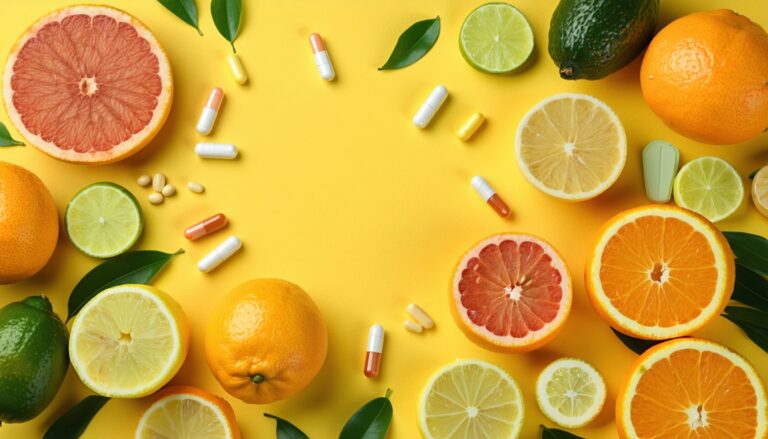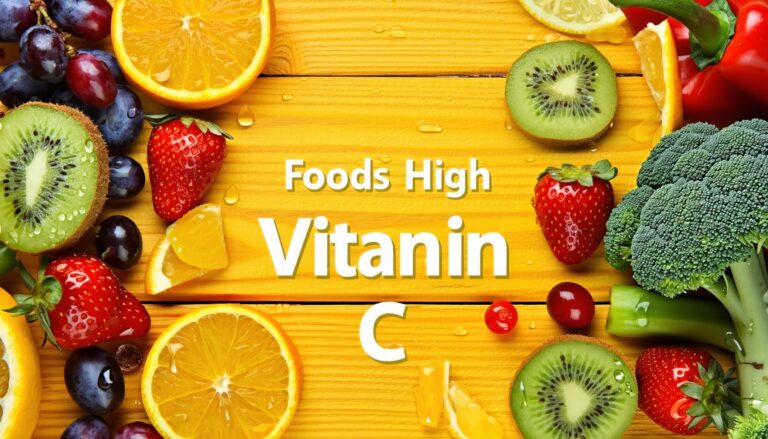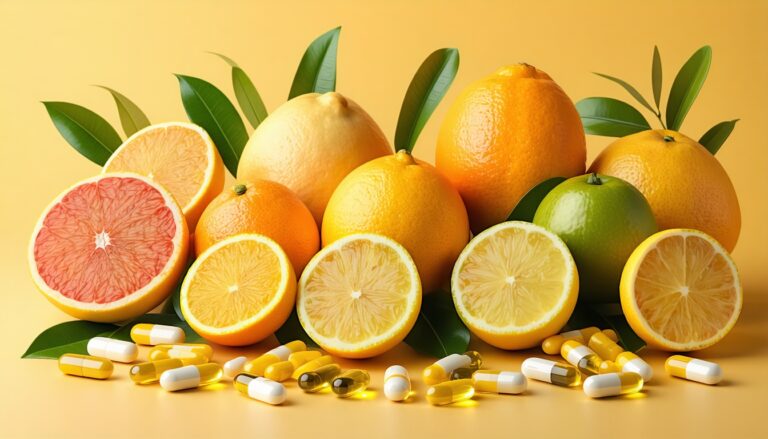

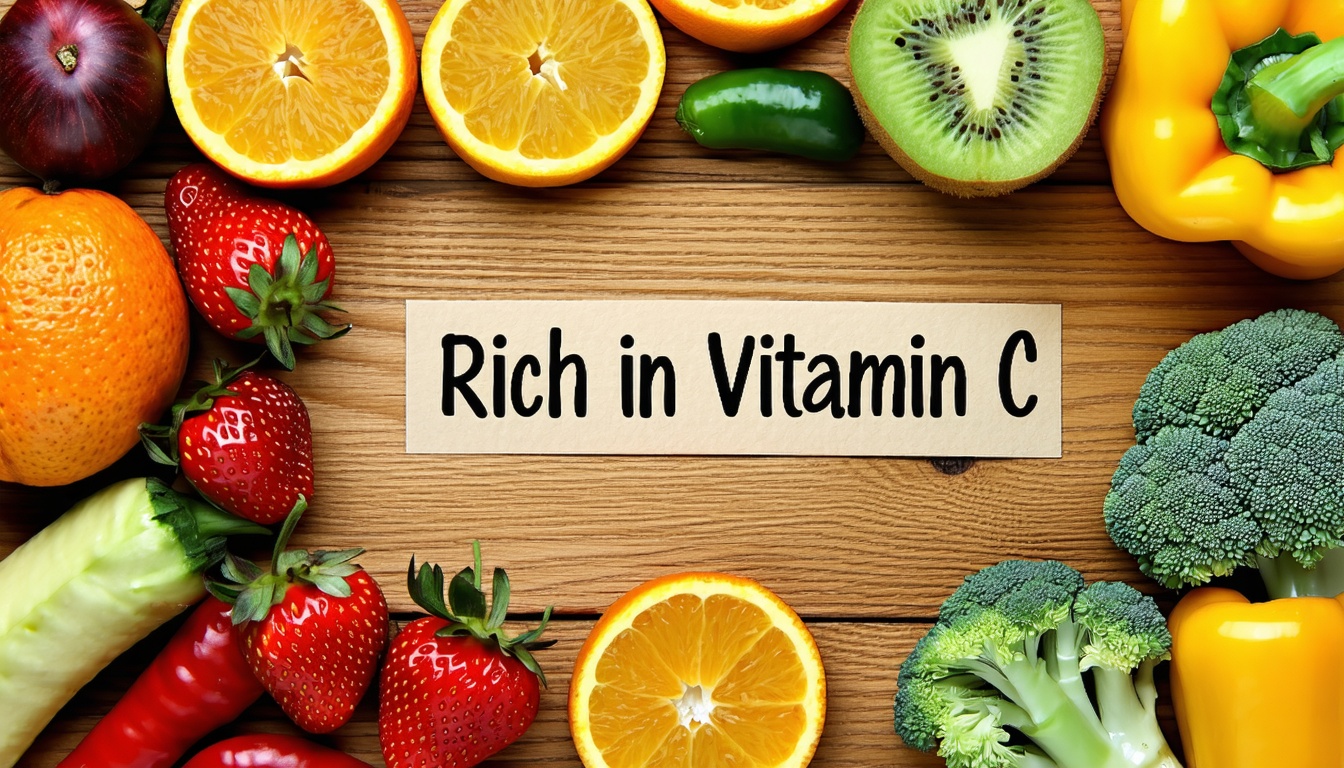
Rich in Vitamin C, nature’s health-boosting powerhouse, fruits and vegetables bring more to your plate than just flavor. Vitamin C is essential for immune support, collagen production, and iron absorption—benefits that go far beyond preventing the old-world ailment of scurvy. Whether you’re crunching into a vibrant red bell pepper or blending up a smoothie with kiwis and strawberries, adding vitamin C to your daily routine can make a powerful impact on your wellness journey. This guide dives deep into the best food sources, the right intake levels, and what to know before turning to supplements.
Why You Need Vitamin C in Your Life
Think of vitamin C as your personal health booster. Before you race off to find the best vitamin C stash, let’s break down why it’s a must-have in your daily diet and where to score it naturally.
How Much Vitamin C Do You Really Need?
Getting enough vitamin C is like giving your body a high-five. Based on your age and whether you were gifted the Y chromosome, your required dosage can shift. According to those health experts over at Mayo Clinic, here’s a quick breakdown:
| Who Needs It | Daily Dose (mg) |
|---|---|
| Gents | 90 |
| Ladies | 75 |
| Moms-to-be | 85 |
| Nursing Mamas | 120 |
Usually, you can get your daily C fix just by munching on a rainbow of fruits and veggies. If you’re lacking it, watch out for a baddie named scurvy—marked by symptoms like bleeding gums and taking forever to heal those pesky paper cuts. Ouch!
Where to Find Your Vitamin C Fix
Your body doesn’t have its own vitamin C factory, so include this nutrient in your meals. Fruits and vegetables are where it’s at. Here’s a cheat sheet on foods that give you the biggest bang for your buck:
| Yummy Eats | Vitamin C Jackpot (mg) per 100g |
|---|---|
| Oranges | 53 |
| Kiwifruit | 92.7 |
| Strawberries | 58.8 |
| Red Bell Peppers | 80.5 |
| Broccoli | 89.2 |
FYI: Don’t let your vitamin C vanish! Long storage and soggy cooking can zap its goodness. Stick to fresh and crunchy to maximize benefits. Get all the tasty details in our food chart.
Eating a mix of these goodies daily keeps your vitamin C levels happy and healthy. And if you’re falling short, no harm in giving a little vitamin C supplement a whirl to fill in the gaps.
Benefits and Side Effects
Getting a handle on the perks and pitfalls of vitamin C is key if you’re trying to amp up your health game with food or pills.
Health Benefits of Vitamin C
Vitamin C is like your body’s own personal cheerleader, keeping everything lively and in check. It’s a superhero antioxidant, tackling those pesky free radicals that love to mess with your cells. Check out some of its cool perks:
- Immune Booster: Vitamin C is like an extra layer of armor for your immune system, helping you fend off those nasty germs lurking around.
- Skin’s Best Friend: Got wrinkles? Vitamin C’s got you covered! It aids in collagen magic, keeping your skin looking fresh as a daisy. Curious? Peek at a vitamin C supplement for skin.
- Iron Absorption Champion: Vitamin C flexes its muscles when it comes to soaking up iron from plants, making life easier for vegetarians and vegans.
- Hair Rescuer: Some studies say vitamin C can add sparkle to your locks, possibly boosting both their growth and pizzazz. Dive into our vitamin C for hair growth to learn more.
Here’s a quick crib sheet on those benefits:
| Benefit | Description |
|---|---|
| Immune Armor | Bolsters your body’s defenses |
| Skin Savior | Collagen booster leading to fresher, youthful skin |
| Iron Absorption Hero | Helps grab iron from veggies and plants |
| Hair Revitalizer | Promotes stronger, healthier hair |
Side Effects of Excessive Vitamin C Consumption
Even too much of a good thing can turn sour. Going overboard with vitamin C isn’t the best idea. Clip your intake at 2,000 mg a day, or risk a rumbly tummy with a side of diarrhea and nausea. Tread carefully, my friend:
- Kidney Calcification: Overdose on vitamin C, and you might invite kidney stones to the party in your kidneys, tossing some extra oxalate into the mix (Healthline).
- Blocked Absorption Lane: Less is more! While 30-180 mg is your sweet spot, going past 1,000 mg/day might make your body skim over the vitamin, with excess splashing out through urine (NIH).
Adults should steer clear of more than 2,000 mg a day, while the kiddos have their own cap depending on age (Mayo Clinic).
Thinking of upping your intake? Nosh on more vitamin C-rich foods to enjoy the perks minus the pill-popping perils.
Vitamin C Supplements
Oral Vitamin C Supplements
So, thinking about vitamin C but suspecting you’re not getting enough from those leafy greens and citrus fruits? That’s when oral supplements step in. They’re like the shortcut to ensuring your body gets its daily dose, especially when life’s a bit too busy for balancing kale and oranges. Swallowing a pill might seem basic, but it’s a lifesaver for those at risk of not getting enough vitamin C in their diet.
Since your body doesn’t hold onto vitamin C like it does with some other vitamins, you gotta grab it every day. There are plenty of options out there—tablets, capsules, powders, gummies—you name it. Here’s the rundown of what you might expect:
| Supplement Form | Benefits | Drawbacks |
|---|---|---|
| Tablets | Easy-peasy dosage | Might take some effort to swallow |
| Capsules | Digests with ease | Could take a bit to kick in |
| Powders | Mix and match your dose | Needs a liquid buddy |
| Gummies | Yummy and simple | Sugary extras sneak in sometimes |
Thinking of adding some to your routine? Check what the label says about doses, and when in doubt, ask your doc to make sure you’re not going overboard.
Considerations for Vitamin C Intake
Oral vitamin C supplements can save the day, but a heads-up: overdoing it can make things unpleasant. We’re talking tummy troubles and pesky kidney stones if you take more than 2,000 milligrams a day. Your body diligently manages its vitamin C stash, and anything extra tends to just, well, take a leak NIH Office of Dietary Supplements.
You typically don’t need high-powered supplements to meet your daily C goal. Average intakes fit neatly within the daily allowance for most adults. It’s like those old cartoons where the character pulls out just the right gadget from their pockets. NIH Office of Dietary Supplements.
Want to hit those vitamin C numbers without popping pills? Go raid the fruit and veggie aisle. Fresh produce is loaded with vitamin C, plus some extra healthy goodness that a supplement won’t quite match. So, supplements in hand, think about what you can add to your plate to get the full fruity, veggie blast of vitamin C.
Vitamin C-Rich Foods
Eating foods loaded with vitamin C isn’t just healthy; it’s downright tasty. Let’s dig into some fruits and veggies that can help you up your vitamin C game.
Fruits High in Vitamin C
Fruits are fantastic at delivering vitamin C. Check out these stars:
| Fruit | Vitamin C Content (mg per 100g) | % Daily Value (DV) |
|---|---|---|
| Kakadu Plum | 2,907 | 484% |
| Acerola Cherries | 3,380 | 916% |
| Black Currants | 102 | 113% |
| Kiwi | 92.7 | 103% |
| Strawberries | 58.8 | 65% |
- Kakadu plums are the champs, with a whopping 2,907 mg of vitamin C in just 100 grams.
- Acerola cherries pack a serious punch too–just half a cup (49 g) hits you with 1,650 mg of vitamin C, a mind-blowing 916% of your daily quota (Healthline).
Vegetables Rich in Vitamin C
Veggies bring their A-game to the vitamin C party as well. Here’s the line-up:
| Vegetable | Vitamin C Content (mg per 100g) | % Daily Value (DV) |
|---|---|---|
| Yellow Pepper | 342 | 380% |
| Green Pepper | 80 | 89% |
| Broccoli | 89.2 | 99% |
| Brussels Sprouts | 85 | 95% |
| Cantaloupe | 37 | 41% |
- Yellow peppers are the MVPs here, with 342 mg of vitamin C per pop (Healthline).
- Don’t forget broccoli and Brussels sprouts, both packing a reliable punch of this all-important vitamin.
Tucking into these vitamin C-loaded foods can really boost your wellness. If you’re looking for an extra blast, consider vitamin C supplements for that little extra assurance. For more juicy deets on boosting your vitamin C intake, swing by our pages on food high in vitamin c and food rich in vitamin c.
Vitamin C and Health
Getting the lowdown on how vitamin C shakes up your health is key, especially if you’re thinking about popping a vitamin C pill with your daily pep. This superstar nutrient ain’t just about immune power; it packs a punch for your health in more ways than most folks reckon.
Vitamin C for Immune Function
You’ve probably heard that vitamin C is your immune system’s trusty sidekick. It’s like your body’s handyman—fixing up collagen for those vital tissues and healing cuts and scrapes. It’s the unsung hero transforming fat into energy, and it even chips in on protein duties too.
Research has shown vitamin C to be all about boosting your immune mojo, especially when sniffling season kicks in. Ready to delve a bit deeper? Check out our chat about vitamin c supplement.
Vitamin C and Antioxidant Activity
Vitamin C ain’t just about stopping the sniffles. It’s your cellular bodyguard, keeping nasty free radicals at bay. These pesky things can come from the grub you eat, secondhand smoke, or even a bit of that sunshine. If left to their own devices, free radicals can stir up problems like heart issues or even the big C.
A 2018 peek into vitamin C claims it might help your body brush off pollution trauma that could lead to things like lung oncology or wheezing problems (Medical News Today).
Want your health to thank you later? Nosh on citrus goodies and veggies rich in vitamin C. Get the gist of where to find these vitamin boosters with our reads on food high in vitamin c and food rich in vitamin c. They’re not only about keeping you fit and healthy, they’re your ticket to dodging health woes.
Recommended Vitamin C Intake
Recommended Daily Allowance (RDA) for Vitamin C
Let’s dive into what’s needful for Vitamin C each day to keep things ticking along smoothly. The recommended intake levels for the folks are as follows:
| Group | RDA (mg) |
|---|---|
| Adult Men | 90 |
| Adult Women | 75 |
| Pregnant People | 85 |
| Breastfeeding Folks | 120 |
Most folks can get enough Vitamin C from eating right. Skipping on this vitamin can lead to scurvy, yikes! That’s when issues like bleeding gums and slow-healing injuries kick in (Mayo Clinic).
The FDA suggests a Daily Value (DV) of 90 mg for everyone aged 4 and above. Foods that have 20% or more of the DV are packed with this vitamin.
Meeting Vitamin C Requirements
Getting your daily dose of Vitamin C doesn’t have to be a chore. Here are some tips to help ensure you’re not missing out:
- Eat Your Vitamin C: Load up your plate with fruits and veggies that are bursting with Vitamin C, like oranges, strawberries, kiwis, bell peppers, and broccoli. For more tasty treats packed with vitamin power, see our article on foods that score an A+ in Vitamin C.
- Pop a Supplement: If chewing through a pile of veggies isn’t your style, consider a Vitamin C supplement. Many folks find this an easy route to hitting their daily goals.
- Check Your Levels: Did you know around 35% of adults pop multivitamins with Vitamin C, and about 12% buy it on its own (NIH)? Keeping an eye on how much you’re getting can clue you in on whether you need to boost your intake.
Understanding these intake suggestions and eating Vitamin C-rich foods can help you keep your health in check. For more fab nutrient-rich food ideas, peek at our write-up on Vitamin C-packed foods.
Final Thoughts
Meeting your daily vitamin C needs doesn’t have to be complicated—or boring. With a rainbow of fruits and vegetables offering delicious ways to get your fill, you can naturally fuel your body while supporting skin, immunity, and overall vitality. While supplements can be helpful, especially during busy times or for specific health goals, real food should be your first line of defense. By understanding how much you need, where to get it, and how to avoid going overboard, you’ll be well-equipped to thrive with the help of this essential nutrient.
Frequently Asked Questions (FAQ)
How much vitamin C do I need each day?
The recommended daily amount varies: adult men need 90 mg, women need 75 mg, pregnant individuals need 85 mg, and those breastfeeding require 120 mg. Most people can meet these needs through a balanced diet rich in fruits and vegetables.
What are the best natural sources of vitamin C?
Top sources include kakadu plums, acerola cherries, kiwi, strawberries, oranges, red and yellow bell peppers, broccoli, and Brussels sprouts. These foods are both nutrient-dense and flavorful, making it easy to hit your daily targets.
Can I get too much vitamin C?
Yes. The upper intake level for adults is 2,000 mg per day. Exceeding this can lead to side effects like stomach upset, nausea, diarrhea, and, in some cases, kidney stones.
Do I need a vitamin C supplement?
Supplements can help if you’re not getting enough from your diet, especially during times of stress, illness, or dietary restrictions. However, whole foods provide additional nutrients and fiber that supplements don’t.
Does vitamin C help with skin and hair?
Absolutely! Vitamin C boosts collagen production, which supports skin elasticity and reduces signs of aging. It may also support healthy hair growth by enhancing circulation and fighting oxidative stress.
How does cooking affect vitamin C content?
Vitamin C is sensitive to heat, light, and storage time. To preserve it, opt for raw or lightly cooked vegetables and eat fruits fresh rather than stored long-term.