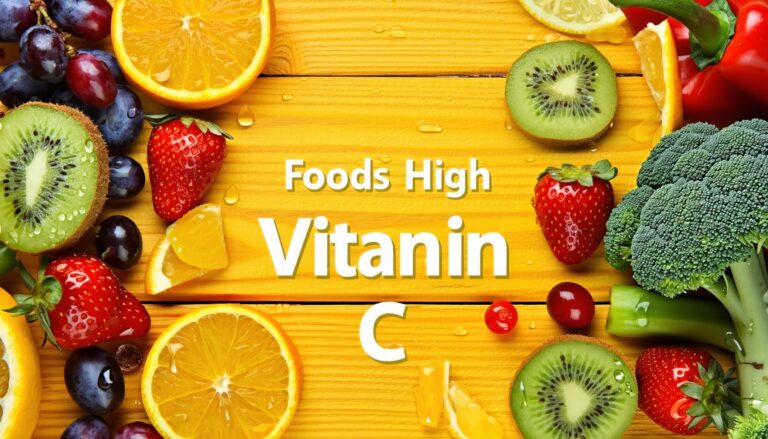
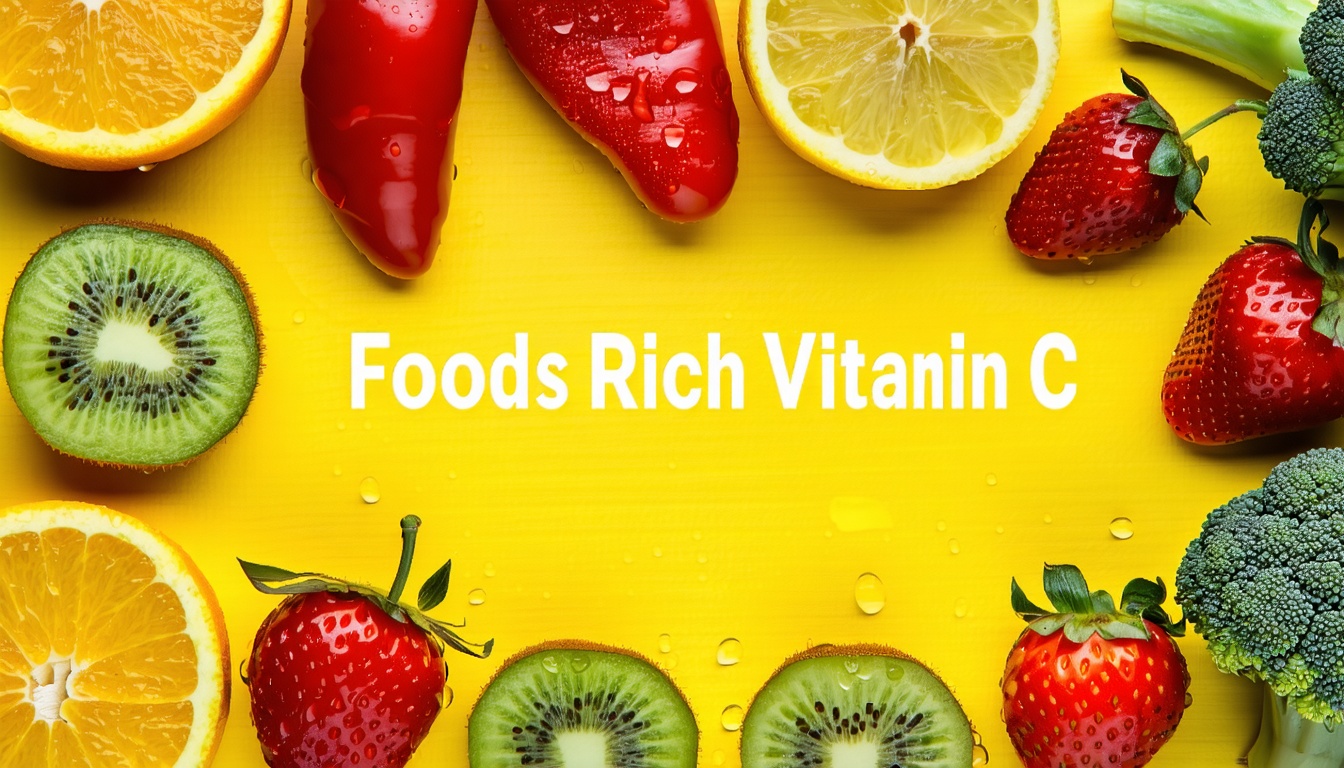
Food with Vitamin C plays a crucial role in supporting overall health, from boosting the immune system to enhancing skin vitality and aiding in iron absorption. This article dives into a vibrant mix of vitamin C-rich foods that go beyond the usual suspects like oranges. From exotic Kakadu plums to spicy chili peppers, and powerhouse veggies like red bell peppers and broccoli, you’ll discover a flavorful variety of ways to naturally elevate your vitamin C intake. Whether you’re a fruit lover or a veggie enthusiast, these nutrient-packed options offer more than just great taste—they deliver meaningful health benefits in every bite.
Exploring Vitamin C Sources
So, you’re thinking about upping your vitamin C game? You’ve hit the jackpot! In this little adventure into vitamin territory, we’re gonna zero in on three stellar sources: Kakadu plum, red acerola cherries, and, surprise surprise, chili peppers.
Kakadu Plum
Ever heard of the Kakadu plum? Well, it’s the superstar from Down Under, and let me tell you, it’s no ordinary fruit. Packing a whopping 2,907 mg of vitamin C per 100 grams, this little guy absolutely crushes it—think 100 times more vitamin C than oranges (Healthline). Besides being the vitamin C king, it’s got those antioxidant goodies that keep you in tip-top shape. Mix it into your diet and watch your vitamin C levels soar.
| Food Item | Vitamin C Content (mg per 100g) |
|---|---|
| Kakadu Plum | 2,907 |
Red Acerola Cherries
Next up, we’ve got red acerola cherries—tiny but mighty! If you scoop out just 1/2 a cup (49 grams), you’ll score 1,650 mg of vitamin C (Healthline). And it’s more than just vitamins; they come with antioxidants and anti-inflammatory perks too. Toss these cherries into your smoothies or fruit salads and bam! Healthy vibes all around.
| Food Item | Vitamin C Content (mg per 1/2 cup) |
|---|---|
| Red Acerola Cherries | 1,650 |
Chili Peppers
Chili peppers aren’t just about setting your mouth on fire. They’re also little vitamin C gems. Your standard green chili pepper? That’s got 109 mg, while the fiery red chili pepper brings in 65 mg (Healthline). Spice up your dishes and sneak in some vitamin goodness.
| Pepper Type | Vitamin C Content (mg per pepper) |
|---|---|
| Green Chili | 109 |
| Red Chili | 65 |
So there you have it! These vitamin C stars are the bomb for anyone wanting to boost their levels. And hey, if you’re thinking about a vitamin c supplement for that extra punch, you’re on the right track. Check out more foods high in vitamin c to spice up your meals and your health regime!
Rich Vitamin C Fruits
Keeping your diet loaded with vitamin C-packed fruits can give your health a serious boost. Check out these lip-smacking picks when you’re craving some vitamin C goodness.
Guava
Meet guava, the superstar in vitamin C. Munching on one medium guava gives you about 125 mg of this vitamin. Plus, these tasty treats are full of lycopene—maybe even fighting off cancer along the way (Healthline).
| What’s Inside Guava | 1 Medium Guava Packs |
|---|---|
| Vitamin C | 125 mg |
| Lycopene | Oh yeah, it’s there |
Black Currants
Black currants bring on the vitamin C with 102 mg per half-cup. These little berries are also packed with antioxidants, giving your body’s defense system some extra gear against nasty oxidative stress (Healthline).
| Black Currants Goodies | ½ Cup Full of Gifts |
|---|---|
| Vitamin C | 102 mg |
| Antioxidants | Tons |
Oranges and Citrus Fruits
Oranges, the vitamin C emblem. Just one medium orange covers a hefty chunk of your daily vitamin C requirements (Cleveland Clinic). Lemons, limes, and grapefruits join the citrus squad with their hefty doses, too!
| Citrus-Zing Nutrients | 1 Medium Orange Delivers |
|---|---|
| Vitamin C | Around 70 mg |
| Extra Boosts | Fiber, Folate |
Strawberries
Beyond their juicy goodness, strawberries deliver a whopping 150% of the daily vitamin C needs in just one cup (Cleveland Clinic). Perfect for sprucing up smoothies, cereals, or munching straight up!
| Yummy Strawberry Bits | 1 Cup Sweetness |
|---|---|
| Vitamin C | About 85 mg |
| Fiber | Abundant |
Throw these vitamin C champs into your diet, and watch your health flourish. If you’re amping up your intake, you might wanna explore vitamin C supplements or vitamin C vitamins. Enjoying a mix of these fruits gives your vitamin C levels a natural lift—tasty and effective!
Nutrient-Packed Vegetables
Eating a variety of veggies is a smart move when you’re trying to up your vitamin C game. Let’s dive into some of the powerhouses that can easily meet your vitamin C requirements.
Cruciferous Vegetables
Cruciferous veggies like broccoli, Brussels sprouts, and cauliflower are gold mines of vitamins. They serve a solid helping of vitamin C on your plate. Take a cup of raw broccoli, for example—it’s got around 81 mg of vitamin C. That’s almost 90% of what you need daily.
| Vegetable | Vitamin C (mg per 100g) |
|---|---|
| Broccoli | 89 |
| Brussels Sprouts | 85 |
| Cauliflower | 48 |
Adding these to your meals is a no-brainer for healthier eating. Check out our article on food high in vitamin c to explore more chill options.
Russet Potatoes
Bet you didn’t think of potatoes for vitamin C, did you? Well, those humble russets offer about 13 mg per 100g. Plus, potatoes are the chameleons of the food world, ready to please with their adaptability in the kitchen.
Red Bell Peppers
Red bell peppers like to show off with roughly 190 mg of vitamin C per 100g. They pack a sweet punch and blend seamlessly into salads, stir-fries, or even straight-up raw for a crunchy delight.
| Vegetable | Vitamin C (mg per 100g) |
|---|---|
| Russet Potato | 13 |
| Red Bell Pepper | 190 |
Cooking Methods and Vitamin C Loss
Now, how you cook ’em matters big time. Boiling? Yeah, it can drain away 50% or more of your vitamin C. Stir-frying or sautéing saves more of that goodness, plus you might absorb other great nutrients better (Healthline).
Steaming seems to be the hero here—expect only a 9-15% dip in nutrients. Microwaving ain’t bad either, with 20-30% vitamin C potentially slipping away.
Here’s the scoop on cooking and keeping your vitamin C levels in check:
| Cooking Method | Vitamin C Loss (%) |
|---|---|
| Boiling | 50% or more |
| Sautéing | Moderate loss |
| Steaming | 9-15% loss |
| Microwaving | 20-30% loss |
Being careful with cooking can keep that vitamin C locked in your veggies. For a more in-depth take on vitamin c and where to get it, browse through our other articles.
Understanding Vitamin C Benefits
Vitamin C, or plain ol’ ascorbic acid, does wonders for your health. It helps with healing and even plays a part in absorbing iron. Let’s dig deeper into why this nutrient is your body’s best buddy.
Healing Properties
Quick question: ever notice how fast a cut heals with the right care? That’s vitamin C in action! It’s the handyman of your body, patching up tissues and mending wounds. Whether you’re nursing a paper cut or coming back from surgery, make sure you load up on foods rich in vitamin C. Your body will throw you a party for it!
Antioxidant Protection
Vitamin C swoops in like a superhero, fighting off free radicals trying to crash your cells’ party. These pesky molecules are like messy guests that can speed up aging and lead to chronic issues. By squeezing enough vitamin C into your meals, you can keep your health in check. Check out our list of vitamin C-packed foods to keep those free radicals at bay.
Role in Iron Absorption
Iron and vitamin C are like besties at a party. Eating them together helps your body soak up iron, especially when it’s from plant-based sources. If you stick to a vegetarian or vegan diet, team up iron-rich eats with vitamin C pals to up your iron intake. If you’re curious about how this dynamic duo works, we’ve got more details in our other articles.
Daily Intake Recommendations
To get all the good stuff from vitamin C, you’ve got to hit the daily targets based on your age and gender:
| Age | Male (mg) | Female (mg) |
|---|---|---|
| 1-3 years | 15 | 15 |
| 4-8 years | 25 | 25 |
| 9-13 years | 45 | 45 |
| 14-18 years | 75 | 65 |
| Adults (19+) | 90 | 75 |
These numbers give you a good ballpark to aim for, but everyone’s different. Thinking about supplements? Run it by a healthcare pro first. And hey, if you’re on the hunt for vitamin C in pill form, our article spills the details.
Eating a rainbow of vitamin C-rich foods helps you hit these goals and keeps you feeling fab. Whether you feast on oranges or pop a supplement, knowing the perks of vitamin C means you’re making smart choices for your bod.
Potential Side Effects of Vitamin C
Vitamin C – it’s a favorite nutrient, right up there with oxygen and Wi-Fi. But, hang tight, because taking too much isn’t always a joyride. Before you pop that next supplement, check out these need-to-know tidbits about overdoing it, iron uptakes going wild, and those pesky kidney rocks.
Too Much of a Good Thing: Digestive Woes
Think you’re invincible with your vitamin stash? Not so fast. Overdosing on vitamin C can send your tummy for a loop with diarrhea and tummy grumbles strong enough to make your dog jealous. The magic number to keep things cool is 2,000 mg a day – any more, and you’re asking for trouble, literally (Healthline). Your body’s quick to ditch the excess C, especially when it’s all natural, but supplements don’t get the same hall pass.
Peek at this quick-fix chart:
| C-Level Intake | What Might Happen |
|---|---|
| Under 2,000 mg/day | No worries, enjoy your day |
| Over 2,000 mg/day | Say hi to bathroom visits and queasy feels |
Iron Absorption Adventures
Vitamin C is like the hype-man for iron, especially the sleepy kind from plants. When C says “jump,” iron says “how high?” This buddy system’s great if you’ve got a low iron report card. But heads up, too much C in people with conditions like hemochromatosis is like giving an already crowded room more cats – too much iron, risky stuff.
| Situation | Vitamin C Advice |
|---|---|
| Low iron | Let C do its thing, it’s helpful |
| Iron overload (hemochromatosis) | Keep C in check, buddy! |
Kidney Stones: The Unwanted Souvenir
Rack up too much C, and your kidneys might start crafting a stone or two, thanks to those pesky oxalates rising up like they own the place. Go past the 2,000 mg daily and your odds of starting a kidney rock collection increase (Healthline).
If you’re one of those folks with a stone-prone history, watch those C stats like a hawk:
| C-Level Intake | Kidney Stone Alert |
|---|---|
| Under 2,000 mg/day | Low chance, enjoy riding those waves |
| Over 2,000 mg/day | Grab some water, you might need it |
Enjoying vitamin C can be a win, but it’s all about balance. Want more on how to keep C fun and safe? Dive into our pieces on food high in vitamin c and vitamin c supplement. Your body’s your temple, so load up on some good, mindful knowledge!
Vitamin C Supplements
Hey, let’s chat about vitamin C supplements and which one might be your best buddy. Whether you’re trying to keep those sniffles at bay or just chasing a health boost, here’s the lowdown on the different types available:
Types of Vitamin C Supplements
- Ascorbic Acid: This is the popular kid on the block. You’ll find it in a bunch of supplements and it’s straightforward vitamin C.
- Sodium Ascorbate: Less harsh on the stomach, this one’s the gentle giant for those with a sensitive tummy.
- Calcium Ascorbate: Like a health cocktail, it mixes vitamin C with a bit of calcium.
- Liposomal Vitamin C: For those who want that VIP absorption, it’s wrapped up for better uptake.
Different strokes for different folks – what works for your neighbor might not work for you. Curious about these? Dive into our vitamin c supplements guide.
Recommended Doses
So, how much should you really load up on? Here are some smart guidelines:
- Adult Women: Aim for 75 mg each day.
- Adult Men: 90 mg will do the trick.
- Expecting Moms: Step it up to about 85 mg.
- Nursing Moms: You’ll need a bit more, around 120 mg.
Definitely steer clear of crossing that 2,000 mg mark unless you want a run-in with kidney stones (no thanks). Pair those pills with some tasty vitamin C-rich foods.
Supplement Safety and Considerations
These little capsules can do wonders, but keep it reasonable to dodge tummy troubles or those dreaded stones. Popping more than 2,000 mg regularly? Check in with a doc (Mayo Clinic gives the full scoop).
Most folks get enough of this sunshine vitamin from food alone. But if you’re feeling like you’re missing out or have some health stuff going on, a chat with a healthcare pro might set you on the right path before you hit up the supplement aisle.
Ready to glow from head to toe? See how vitamin C might give your skin and hair a boost in our skin perks article and discover how it helps your hair.
Final Thoughts
Getting enough vitamin C isn’t just about avoiding colds—it’s about energizing your body, supporting healing, and helping key nutrients like iron do their job. Whether you’re loading up on guavas and black currants or sprinkling chili peppers into your stir-fry, nature provides an abundance of choices to meet your daily needs. Just remember, while supplements can offer a helpful boost, real food should be your first line of defense. Be mindful of how you prepare your meals, as cooking methods can impact vitamin C levels. A diverse, colorful plate isn’t just more enjoyable—it’s also the key to lasting wellness.
Frequently Asked Questions (FAQ)
What are the best natural sources of vitamin C?
Some of the top food sources include Kakadu plums, red acerola cherries, chili peppers, guava, strawberries, oranges, black currants, and red bell peppers. These foods pack a high dose of vitamin C along with additional antioxidants and nutrients.
How much vitamin C do I need each day?
Adult women generally need 75 mg per day, while adult men need about 90 mg. Pregnant and breastfeeding women require slightly more. It’s important not to exceed the upper limit of 2,000 mg per day without medical supervision.
Does cooking affect the vitamin C content in food?
Yes, cooking—especially boiling—can significantly reduce the vitamin C content. Steaming, microwaving, and sautéing are better methods to preserve this nutrient. Raw consumption often retains the highest vitamin C levels.
Are vitamin C supplements necessary?
Most people can get enough vitamin C from a balanced diet. However, supplements can be useful for individuals with dietary restrictions, certain health conditions, or increased needs. Always consult a healthcare provider before starting any supplement routine.
Can you get too much vitamin C?
Yes. Consuming more than 2,000 mg per day can lead to digestive issues, increase iron absorption excessively, or even contribute to kidney stone formation. Moderation and dietary balance are key.