
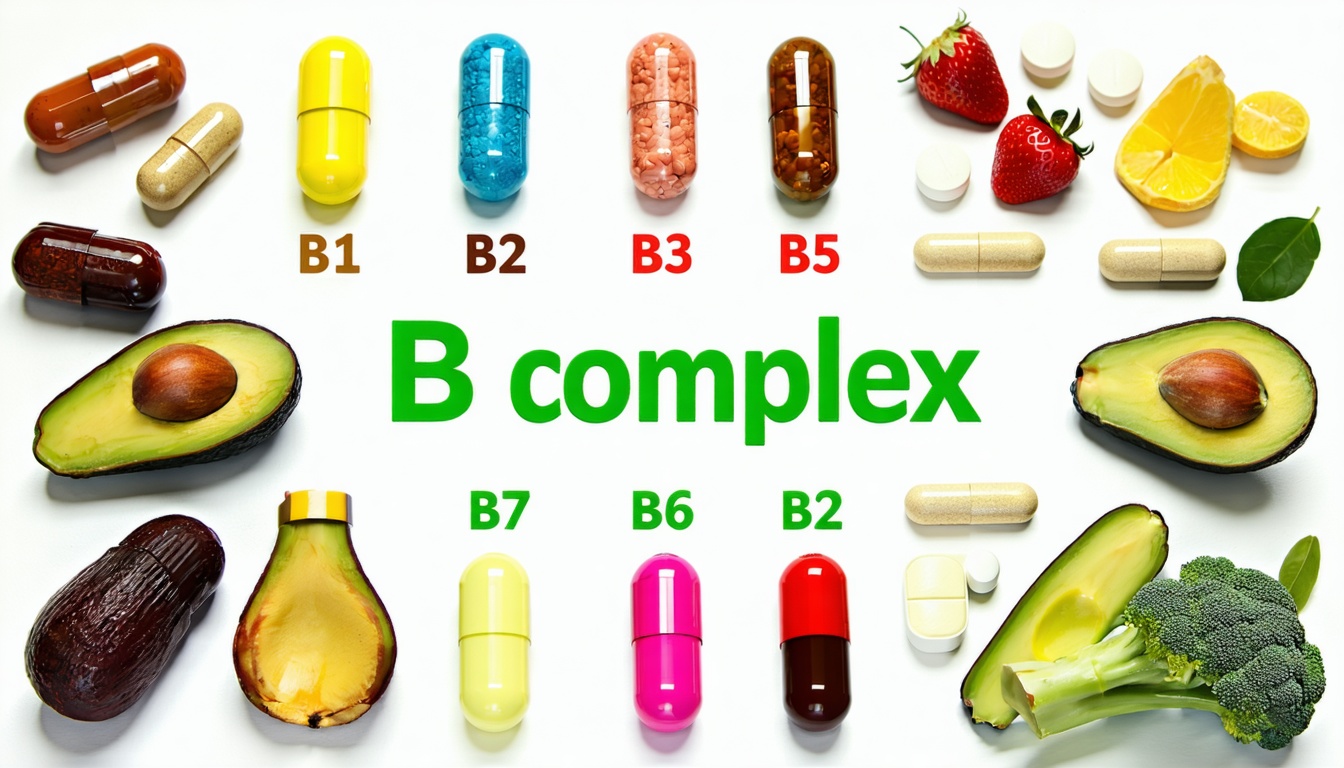
B Complex supplements are more than just another bottle on your shelf—they’re a vital tool in supporting your body’s energy production, brain function, and cellular health. This comprehensive guide breaks down each of the eight essential B vitamins, where to find them in your diet, and how to choose the right supplement tailored to your lifestyle. Whether you’re navigating fatigue, dietary gaps, or specific health conditions, understanding the power of B Complex can be a transformative step toward better wellness.
Understanding Vitamin B Supplements
Why B Vitamins Matter
B vitamins are the behind-the-scenes powerhouses your body adores. They’re the unsung heroes converting your meals into energy, keeping your nervous system humming along, and making sure your skin and blood cells stay spiffy. In short, they’re vital for your body’s to-do list and help keep the metabolism on track. Run low on Vitamin B12, and you’re staring down the barrel of issues like anemia and those pesky cognitive hiccups like memory fog or mood swings (Healthline).
Sleep struggles? Feeling cranky, wiped out, or mentally off-kilter? Give B vitamins some credit (Healthline). With their wide array of talents, knowing your B stuff can guide you to savvy choices regarding vitamin B supplements and help keep your body’s nutrient bucket full.
| B Vitamin | What It Does for You |
|---|---|
| Vitamin B1 (Thiamine) | Turns meals into fuel; boosts brainpower. |
| Vitamin B2 (Riboflavin) | Fuels cellular activity and energy. |
| Vitamin B3 (Niacin) | Helps metabolism and fixes DNA. |
| Vitamin B6 (Pyridoxine) | Supports immunity and metabolism. |
| Vitamin B9 (Folate) | Key for DNA work and pregnancy health. |
| Vitamin B12 (Cobalamin) | Vital for making blood cells and nerve health. |
Where to Find Your B Vitamins
You’re in luck—B vitamins aren’t rare treasures. They’ve set up shop in both critter and plant foods. Meat, fish, dairy, and eggs are B12 hotspots, while whole grains, legumes, nuts, and leafy greens are buzzing with other B vitamins. Check out the following rundown to see where these B guys hang out:
| B Vitamin | Food Hangouts |
|---|---|
| Vitamin B1 (Thiamine) | Grains, pork, fish, and nuts. |
| Vitamin B2 (Riboflavin) | Eggs, milk, greens, and meats. |
| Vitamin B3 (Niacin) | Poultry, fish, grains, and beans. |
| Vitamin B6 (Pyridoxine) | Fish, liver, spuds, and some fruits. |
| Vitamin B9 (Folate) | Greens, legumes, seeds, and cereals. |
| Vitamin B12 (Cobalamin) | Meat, dairy, cereals, and some veggies. |
Eating these goodies regularly can ensure you’re loading up on B vitamins. But if getting them from meals feels like a chore, B complex supplements are here to make life easier.
Types of Vitamin B in B Complex
Vitamin B complex is a powerhouse of eight vitamins, each doing its bit to keep you in tip-top shape. Knowing about these vitamins can guide you in picking the right B complex supplement that fits your lifestyle.
Vitamin B12
Vitamin B12, or cobalamin—your body’s red blood cell booster and brain buddy. Without enough B12, you’re looking at tired blood, brain fog and some mood swings you didn’t ask for. Usually sourced from meats and dairy, B12 isn’t out of reach for vegetarians either, thanks to fortified foods like cereals and nutritional yeast.
| Function | Sources |
|---|---|
| Red blood cell friendly, brain helper | Meat, dairy, fortified cereals, nutritional yeast |
Curious? Check out our deep dive on vitamin B12 supplement and B12 supplements.
Vitamin B6
Meet Vitamin B6—bringing the energy and keeping germs at bay. It’s like your little helper, turning munchies into energy and supporting your body’s defense squad. Lack of it might leave you feeling zapped and a bit cranky.
| Function | Sources |
|---|---|
| Turns food into fuel, immunity guard | Fish, chicken, potatoes, chickpeas, bananas |
Find out more about B6 and its perks in our piece on vitamin B6 supplements.
Vitamin B1 and B2
Say hello to Vitamin B1 (thiamine) and B2 (riboflavin)—the dynamic duo turning snacks into go-power. Shortfalls aren’t common stateside because our foods get a vitamin boost, but those who indulge in booze may want to keep an eye out for deficiency.
| Vitamin | Function | Sources |
|---|---|---|
| B1 (Thiamine) | Boosts energy | Whole grains, pork, sunflower seeds |
| B2 (Riboflavin) | Fuels energy and cellular upkeep | Dairy, eggs, green veggies, almonds |
Catch the full scoop on B complex in our article on vitamin B complex supplement.
Vitamin B3 and B9
Vitamin B3 (niacin) is your digestion and energy buddy, essential in keeping skin flare-ups, tummy troubles, and mind funks at bay. Lack the B3 spark, and pellagra might rear its ugly head.
Vitamin B9 (folate) is a must-have for moms-to-be for a healthy baby start. Even though many foods are fortified, some might still run low and feel worn out.
| Vitamin | Function | Sources |
|---|---|---|
| B3 (Niacin) | Aids energy and digestion | Meat, fish, poultry, nuts, whole grains |
| B9 (Folate) | Crucial for DNA and cells | Leafy greens, beans, fortified grains |
Dive into the world of B through our resources on vitamin B and vitamins B 12.
Benefits of B Complex Supplements
B complex supplements pack a punch, especially when you’re at risk of not getting enough from your diet alone. Knowing what your body needs and how different factors play in can help you check the right boxes for your health.
Daily Requirements
How much B vitamin you need changes with age, gender, and personal health quirks. Nailing the right dose can keep you feeling on top of your game.
| Vitamin | Recommended Daily Intake (Adults) |
|---|---|
| Vitamin B1 (Thiamine) | 1.1 – 1.2 mg |
| Vitamin B2 (Riboflavin) | 1.1 – 1.3 mg |
| Vitamin B3 (Niacin) | 14 – 16 mg |
| Vitamin B5 (Pantothenic Acid) | 5 mg |
| Vitamin B6 (Pyridoxine) | 1.3 – 2.0 mg |
| Vitamin B7 (Biotin) | 30 mcg |
| Vitamin B9 (Folate) | 400 mcg |
| Vitamin B12 (Cobalamin) | 2.4 mcg |
If you’re hitting 65 or have a bun in the oven, you might need a bit more love in the B department. Chat with a doc to pin down what’s just right for you.
Health Conditions and Risks
Some folks are more likely to fall short on B vitamins. Moms-to-be or breastfeeding women must make sure they get enough B12 to keep their baby’s brain ticking well (Healthline). If you’ve had certain surgeries or conditions, B complex might be your new best friend.
Being low on B can put you in a funk or crank up your stress levels. Getting your B fix might help lift your mood and keep stress at bay (WebMD).
Medication Interactions
Certain meds can be a buzzkill for B vitamin absorption, pushing you toward supplements. If you’re taking stuff like proton pump inhibitors or metformin, your B vitamin levels might need some boosting. Talk it out with your doc if you’re on meds and thinking of going the B supplement route. They’ll not only help tweak the dosage but also steer you towards the best picks for your health.
Getting clued up on B complex supplements makes it easier to make choices that’ll have you feeling good from the inside out.
Choosing the Right B Complex
Picking out a B complex supplement can feel like trying to find the best scoop of ice cream. Here’s how to nail it by focusing on what you really need and sorting through some key things that could steer your decision.
Considerations for Different Groups
Certain folks might see major benefits from adding a B complex vitamin supplement to their routine. Let’s dive into who those people are and why they might consider it:
| Group | Reasons You Might Need It |
|---|---|
| Parents-to-Be | To knock out the chance of nasty deficiencies that might cause serious nerve issues or birth defects in the kiddo. |
| Seniors | They’re more likely to run low on crucial B vitamins thanks to age messing with absorption. A check-in with the doc can help nail down what’s best (Healthline). |
| Veggie Lovers | They might miss out on certain B vitamins that hang out mostly in meat and dairy. |
| Health Conundrums | Those tackling specific health hurdles or who’ve had weight loss surgery may find themselves short on vitamins. |
| Med-Takers | Meds like proton pump inhibitors or metformin may interfere with B vitamin absorption, so supplementing could be a wise choice. |
Brand Varieties
The market’s packed with B complex options—kind of like breakfast cereal. Each brand has its own magic blend and perks. When you’re on the hunt for the best one, here’s what to think about:
- Ingredients: Make sure the stuff you pick has all the main B vitamins you need. Products might differ in the specific kind and amount of each vitamin, so keep that in check.
- Form: From tablets to caplets and liquid, grab what suits you. Like your morning routine, it should be something you’ll actually stick with.
- Quality and Transparency: Eye brands that get an independent check-up and are open about where and how they make their products.
- Added Nutrients: Some pop in extra goodies like other vitamins or minerals. Check if these buddies align with your health goals.
- Customer Reviews: See what the online gossip’s saying about effectiveness and user experiences. It’s like asking a friend before trying a new restaurant.
Need the full scoop on specific B vitamins like B12 or B6? Check our articles on vitamin b12 supplement, vitamin b6 supplements, and vitamin b complex. Scoring the right supplement for you can be a game-changer for feeling great and living a groovier life.
Potential Risks and Side Effects
Thinking about diving into the world of B complex Vitamins? It’s good to be clued up on what might go sideways. Knowing what you’re getting into helps you keep things smooth sailing with your health.
Stool Changes
Alright, let’s talk about… poop. Yep, taking B vitamins can sometimes jazz up your stool color. Your body’s doing its thing, processing all that extra you’re pumping in. Usually, it’s no big deal, but if your pee looks like a highlighter exploded or you feel any tummy grumbles, check with a doctor.
| Vitamin | Surprise Poop Shade |
|---|---|
| Vitamin B2 (Riboflavin) | Neon yellow |
| Vitamin B12 | Golden yellow |
| Others | It’s like a crayon box, folks! |
Storage and Disposal
Want those B complex capsules working their magic? Stick ’em in the right spot! Keep them away from the little ones and furry friends who might think they’re candy. The bottle’s pretty smart, so trust the label—usually somewhere cool and shady. Expired ones? Bin ’em safely, no need for unwanted adventures (Cleveland Clinic).
Dosage Recommendations
Nailing the right dose is like buttering your toast just right. Overshooting? Yeah, not so great. For instance, folks chilling between 19 to 64 need roughly 1.5 micrograms of vitamin B12 daily. Chomp on some chicken or sip on a milkshake, and you’re probably good. Vegans? Might need a boost since plants play hard to get with B12. Keeping it under 2mg daily is your safe zone.
Want the 411 on other B vitamins? Chat with your doc, and peep our links for vitamin B supplements, vitamin B12 supplements, and vitamin B6 supplements. Be in the know and keep those wild side effects at bay with ease.
Natural Food Sources of Vitamin B
Adding natural Vitamin B foods to your meals keeps your body’s engine running smoothly. Let’s look at some tasty options that serve up an array of essential B vitamins.
Salmon and Other Fish
Salmon is more than just a delicious meal—it’s packed with a variety of B vitamins such as riboflavin, niacin, vitamin B6, and vitamin B12. It’s also low in mercury while being jammed with omega-3s and protein, making it a defender against nutritional lags. So, add salmon to your plate and keep those vitamin levels in check. Want to know more about Vitamin B12’s benefits? Take a peek at our vitamin b12 article.
| Nutrient | Amount per 3.5 oz (100g) of Salmon |
|---|---|
| Riboflavin (B2) | 0.3 mg |
| Niacin (B3) | 8.5 mg |
| Vitamin B6 | 0.8 mg |
| Vitamin B12 | 4.9 µg |
Leafy Green Vegetables
Got greens? Spinach, collards, turnip greens, and romaine lettuce are stellar sources of folate (B9). This nutrient is a backstage powerhouse for DNA work and other key processes. Steam them just right—not mushy, not crunchy—to keep their goodness intact. Curious about folate? Dive into our article on vitamin b complex.
| Leafy Green | Folate per 100g |
|---|---|
| Spinach | 194 µg |
| Collards | 140 µg |
| Turnip Greens | 130 µg |
| Romaine Lettuce | 136 µg |
Organ Meats and Eggs
Organ meats, especially liver, might not star as menu favorites today, but they’re a jackpot of B vitamins like riboflavin, niacin, B6, and B12. And don’t forget eggs—they’re little justice leagues of biotin and B vitamins. Cooking them helps you get the full biotin benefit, so don’t skip that stove time. For some B6 vitamin wisdom, check our b6 vitamin article.
| Food | Vitamin B Content |
|---|---|
| Liver (3.5 oz) | 34.1 µg Vitamin B12, 2.8 mg Vitamin B6 |
| Large Cooked Egg | 10 µg Vitamin B12, 0.1 mg Vitamin B6 |
Balanced Diet Importance
Supplements can pinch-hit for low vitamin levels, but nothing truly stacks up to a balanced diet brimming with variety. It’s like the ultimate health combo move—eating nutritious meals and supplementing wisely (Cleveland Clinic). Interested in the supplement side of things? Peek at our articles on vitamin b supplements and b complex supplement.
Final Thoughts
Choosing the right B Complex supplement doesn’t have to be overwhelming. With a solid understanding of each B vitamin’s role, where to source them, and how different life stages or health factors affect your needs, you’re well-equipped to make a confident decision. Supplements can provide critical support, especially when dietary intake falls short, but they work best when paired with a nutrient-rich diet and thoughtful self-care. Before starting any new regimen, consulting a healthcare professional can ensure you’re meeting your body’s specific needs effectively and safely.
Frequently Asked Questions (FAQ)
What is B Complex and why do I need it?
B Complex is a group of eight B vitamins that support energy production, brain function, red blood cell formation, and overall cellular health. Each vitamin plays a unique role, and together they contribute to vital bodily processes that keep you energized and functioning well.
Who should consider taking a B Complex supplement?
People with restricted diets (like vegetarians or vegans), older adults, pregnant individuals, those with certain medical conditions, and anyone experiencing symptoms like fatigue, mood swings, or brain fog may benefit from B Complex supplementation.
Are there side effects to taking B Complex?
B Complex is generally safe when taken as directed, but it can cause bright yellow urine, mild digestive discomfort, or in rare cases, allergic reactions. Always check with a healthcare provider before starting, especially if you’re on medications that might interfere with vitamin absorption.
Can I get enough B vitamins from food alone?
Yes, a balanced diet can provide adequate B vitamins. However, certain populations—like those with dietary restrictions, absorption issues, or higher nutritional demands—may need supplements to maintain optimal levels.
How do I choose the best B Complex supplement?
Look for a supplement that includes all eight B vitamins in bioavailable forms, aligns with your health needs, and comes from a reputable brand with quality testing and transparency. Consider your preferred delivery method (capsules, liquid, etc.) and any additional nutrients you may need.
What are the signs of B vitamin deficiency?
Common signs include fatigue, irritability, poor concentration, digestive issues, and numbness or tingling in the extremities. Long-term deficiencies can lead to more serious health problems, so it’s important to address symptoms early.