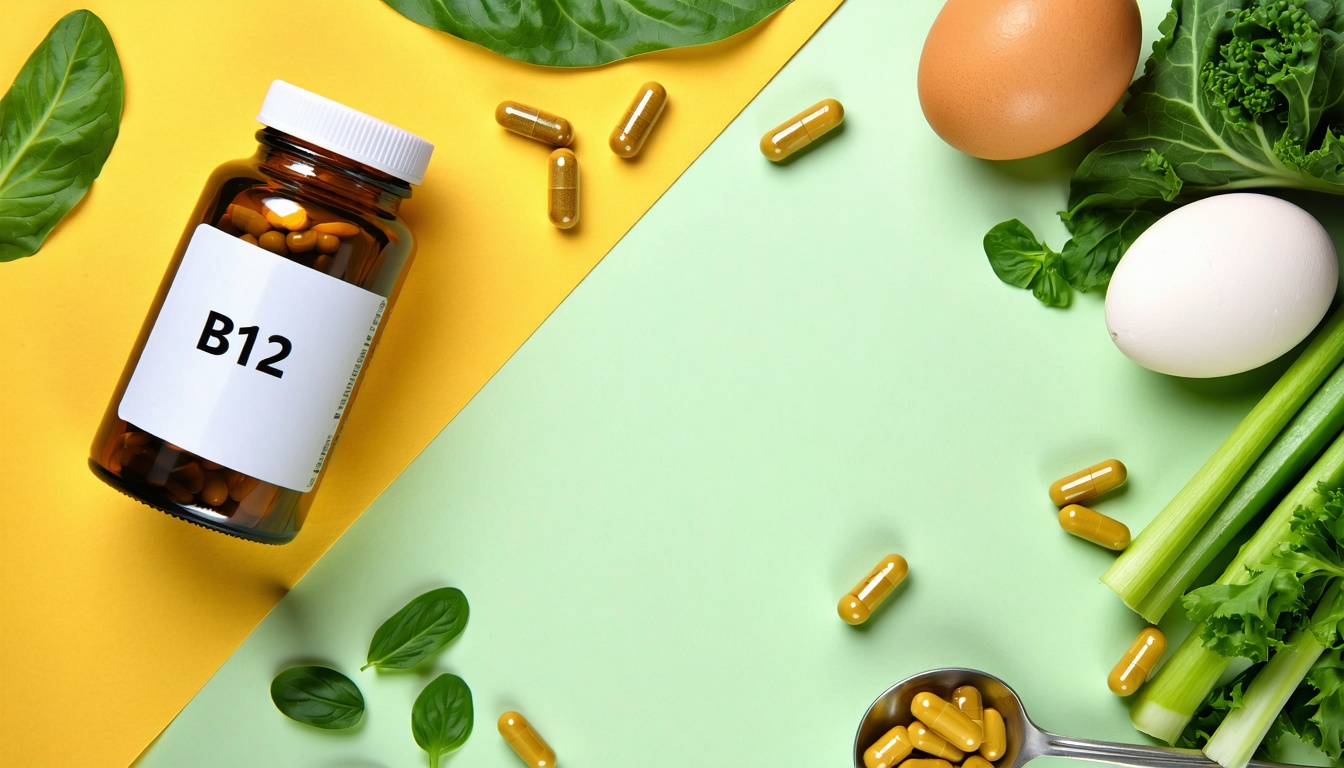
B 12 Vitamin is an essential nutrient that plays a crucial role in your body’s ability to produce red blood cells, support brain function, and maintain a healthy nervous system. Often referred to as cobalamin, this water-soluble vitamin is especially important for those following plant-based diets, older adults, and individuals with digestive issues. Whether you’re curious about food sources, deficiency symptoms, or the best supplements to use, understanding the significance of B12 can be a game-changer for your overall well-being.
Understanding Vitamin B12
Importance of Vitamin B12
Vitamin B12, often called cobalamin, is a vital water-soluble vitamin. It’s a big deal for keeping your nerve cells happy and your DNA on point. Need to make some red blood cells or keep your brain ticking? B12’s got your back. You generally need about 2.4 micrograms a day, though if you’re pregnant or breastfeeding, you might need a smidge more.
If you’re not getting enough of this stuff, you might feel like you’re dragging with anemia, fatigue, and even have some muscle troubles or mood swings. Knowing why Vitamin B12 is worth its weight can help you see if your eating game is strong or if you should be popping a vitamin B12 supplement to stay on track.
Functions of Vitamin B12
B12’s got several jobs to keep your body running smoothly:
- Red Blood Cell Formation: It’s front and center in making red blood cells, those little guys that ferry oxygen all over your body.
- Nerve Function: Your nervous system would throw a fit without B12—it’s crucial to its happiness.
- DNA Production: If your cells are going to reproduce and stay in tip-top shape, B12’s role in DNA synthesis is key.
- Cofactor for Enzymes: Gets a bit nerdy here—it’s like the sidekick for enzymes like methionine synthase and L-methylmalonyl-CoA mutase, helping out with important metabolic work.
Given all this heavy lifting, you gotta make sure you’re not short on B12. Whether it’s coming from a steak, fish, a block of cheese, or those fortified cereals, your body welcomes it. If you’d rather give up the animal route, think about vitamin B supplements or check out B complex options for a veggie-friendly boost.
Vitamin B12 Deficiency
Vitamin B12 is pretty darn important for your body, doing a whole bunch of stuff you probably take for granted. If you’re running low on it, your health might just throw a little tantrum. Knowing why you might be short on B12, what to look out for, and how to double-check your levels is important for keeping that health wagon rolling.
Causes of Deficiency
Not getting enough B12 often happens when your diet’s skipping animal products, a common hitch for vegetarians and vegans since this vitamin likes to hide out in meats and dairy. But food’s not the only thing to blame. Here are some curveballs that could mess with B12 absorption:
| Why It’s Missing | What Happens |
|---|---|
| Genetic Quirks | Some folks’ bodies just don’t handle B12 the right way |
| Stomach Surgeries | Cuts and snips in the digestive system can make absorbing nutrients tricky |
| No Stomach Left | If you’ve had your stomach (or part of it) removed, absorbing B12 gets harder |
| Gut Drama | Things like celiac and Crohn’s disease can turn nutrient absorption into a soap opera |
| Lazy Pancreas | If your pancreas skips the enzyme party, digestion takes a hit |
| Germ Overload | Too many bugs in your gut might hog the B12 |
| Inflamed Guts | Chronic tummy troubles can suck the fun out of B12 absorption |
| Short Gut Issues | Having less intestine than usual can lead to nutrient woes |
Got questions about where to find B12 in your grub? Check out our info on vitamin b supplements.
Symptoms of Deficiency
Running low on B12 can leave you feeling all sorts of off, whether it’s a sneaky slow build-up or a knock-you-on-your-butt fast track. Sometimes, it stays under the radar unless you’re looking close. Keep an eye out for these telltale signs:
| Feel Like This | What It Means |
|---|---|
| Always Tired | Blame it on red blood cells going AWOL |
| Tongue Trouble | Your tongue’s sore and beefier than usual |
| Zaps & Tingles | Pins and needles feeling without cause |
| Mental Fuzz | Memory is AWOL, life’s confusing, or you feel like Dementia is knocking |
| Anemia Funk | You’re not making enough red blood cells ’cause B12’s MIA |
| Unwanted Slimdown | Shedding pounds without lifting a finger |
| Mood Swings | Feeling down and moody, possibly from B12 neglect |
Want to know more about how this all ties into your health? Head on over to our write-up on vitamin b12.
Diagnosis and Blood Tests
Finding out if B12’s playing hooky in your system usually means getting poked and prodded with routine blood tests. A complete blood count (CBC) and a B12-specific poke test will generally do the trick. If your B12 levels hit below 150 pg/mL, well, there’s your answer (Cleveland Clinic).
For the skinny on what to do next, have a look at our advice on vitamin b12 supplements. Got a hunch something’s up? Chat with your doc to hash out the symptoms and figure out the next steps.
Who is at Risk?
Knowing whether you’re at risk for a vitamin B12 shortage helps you make smarter choices about your health. Let’s chat about who’s likely to run low on this super important nutrient.
Groups Prone to Deficiency
Some people are more likely to have low vitamin B12 levels:
| Group | Risk Details |
|---|---|
| Vegetarians | Few natural sources in diet; should add fortified foods or think about supplements. |
| Vegans | Way more risk here; fortified foods and supplements are a must. |
| Older Adults | Absorption drops as you get wiser (and older). |
| Folks with Pernicious Anemia | Missing the intrinsic factor needed to soak up B12. |
| Those Who’ve Had Gut Surgery | Surgeries can mess with how we take in nutrients. |
| Babies of Vegan Moms | At risk due to mom’s diet lacking B12 sources. |
The Cleveland Clinic mentions that vegetarians and vegans have to be extra careful since B12 is mainly found in animal foods. Not forgetting older folks and those with issues like pernicious anemia, who also need to watch out (NIH Office of Dietary Supplements).
Risk Factors for Deficiency
A few things might play a part in how likely you are to develop a vitamin B12 shortage.
- Eating Habits: Hardcore vegetarians and vegans might not get enough B12 because it’s mostly in animal stuff.
- Gut Issues: Problems like Crohn’s or celiac disease can block the body from grabbing that vitamin.
- Surgical Operations: If you’ve had surgery on your tummy, like for weight-loss, it can mess up how well you absorb nutrients.
- Medicines: Taking some meds, like those pesky proton pump inhibitors, for too long can mess up B12 absorption.
It’s worth keeping tabs on what you’re eating if you fall into any of these categories. You might want to look into vitamin B12 supplements or a B complex supplement, chock-full of important B vitamins. Figuring out if you’re at risk could mean you start taking steps to keep your vitamin levels in check, especially if you’re more prone to running low.
Treatment and Supplements
Recommended Daily Amount
So, what’s the deal with vitamin B12? For grown-ups, you’re looking at needing about 2.4 micrograms (mcg) a day. Most folks can get enough from their food. But if you’re older, vegetarian, vegan, or expecting a little one while on a plant-based diet, you might want to add a supplement to your routine. Pregnant ladies up their intake to 2.6 mcg, and breastfeeding moms need 2.8 mcg. Check out Mayo Clinic if you want more info on that.
| Who You Are | How Much B12 You Need (mcg) |
|---|---|
| Any Adult | 2.4 |
| Pregnant Women | 2.6 |
| Breastfeeding Women | 2.8 |
Safe Supplement Usage
Usually, your body handles excess vitamin B12 like a champ, so high doses aren’t usually a big deal. But don’t be popping those pills like candy unless you actually need them for a deficiency. Most doctors would say, stick to what’s in your daily multi-vitamin unless a doc tells you otherwise. According to Medical News Today, if you’re on meds and thinking of taking B12, talk to your healthcare provider just to be on the safe side. Extra B12 might play funny with other medicines.
Benefits of Vitamin B12 Supplements
Should you think about B12 supplements? Could be a game-changer for folks lacking in it. Here’s why:
- Boosts Your Energy: If you’re feeling like a sloth, B12 helps convert food into energy. It’s like fuel for your body and can really perk you up if you’re dragging.
- Brain and Mood Perks: B12 is like your brain’s best friend. It keeps the noggin sharp, possibly slowing down that dreaded cognitive decline and keeping mood swings in check.
- Red Blood Cell Helper: B12’s got a hand in making those red blood cells, which you need to avoid anemia, a condition that can leave you feeling wiped out.
Thinking of giving B12 a whirl? You can learn more about it in our article on vitamin B12 supplements or check out the full family of vitamin B supplements for more options.
Food Sources of Vitamin B12
You’re not just eating for taste; check out stuff like meat, plants, and jazzed-up foods to hit those B12 goals. Knowing your bites helps with health vibes you want.
Animal-Based Sources
Meaty meals pack the biggest B12 punch. Here’s a sneak peek of what to chow down on:
| Food Item | Serving Size | Vitamin B12 Content (% DV) |
|---|---|---|
| Clams | 20 little dudes (190g) | Over 7,000% |
| Lamb Liver | 3.5 ounces | 3,571% |
| Sardines | 1 cup (drained) | 554% |
| Salmon | Half fillet (178g) | 208% |
Throwing a seafood fiesta or sinking your teeth into lamb liver is like giving your body a high-five, as these dishes are bursting with the stuff your body likes to keep it happy and humming.
Plant-Based Sources
For meat-free munchers, there are few but funky ways to catch some B12:
- Fortified Milk Alternatives: Nutty drinks like almond or soy milk get a boost with B12.
- Nutritional Yeast: Not just for hippie dips, this cheesy stuff shakes up flavor plus some B12.
- Fortified Cereals: Shoveling down certain breakfast cereals can top up your B12.
- Vegan Spreads: Marmite, made from yeast, is a quiet powerhouse for B12.
Eating greens and grains? You might want to chat with your doc about getting a vitamin B12 booster if you think B12’s playing hide and seek.
Fortified Foods
Fortified grub is your buddy, especially if natural pickings are slim. Here’s where you find B12 perks:
- Breakfast cereals: A fair few brands jazz up their cereals with B12.
- Snack bars and munchables: B-packed nibbles keep things simple and steady.
Adding fortified eats throws you into the B12 fast lane. Peep those labels for your B12 fix, and don’t be shy about looking into vitamin B boosts or B complex upgrades to stay in tiptop shape.
Vitamin B12 and Health
Impact on Nervous System
Vitamin B12 is like the unsung hero keeping your nervous system happy. Think of it as the vitamin that helps your brain talk to your body smoothly. This vitamin’s role covers the growth and maintenance of the nervous system’s cables—those nerve fibers. If your B12 tank runs low, those protective cables may start to fray, possibly leading to nerve struggles (NIH Office of Dietary Supplements).
Check out this breakdown of B12’s tasks for your nerves:
| Task | What It Does |
|---|---|
| Myelination | Builds the protective cover around nerve cables |
| Communication | Ensures that nerve cells can chat with each other |
| Repair | Helps fix and renew nerve cells |
Role in Red Blood Cell Production
When it comes to making a healthy batch of red blood cells, Vitamin B12 is the master chef. It assists with important tasks like cell metabolism and DNA building. If your B12 levels dip, your body might struggle to whip up those red blood cells, causing you to feel worn out—classic signs of anemia (Mayo Clinic).
Here’s how Vitamin B12 contributes to blood cell creation:
| What It Does | Why It’s Important |
|---|---|
| Cell Division | Supports red blood cells multiplying |
| DNA Synthesis | Essential for making the cell’s blueprint |
| Metabolism | Powers the processes that give energy |
Associations with Anemia and Neurological Symptoms
Low Vitamin B12 can sneak up and bring along anemia, leaving you feeling like you’re running on the last fumes of energy, along with pale skin. But heads up, a B12 shortage can happen even if anemia doesn’t show up to the party (Cleveland Clinic).
Low B12 might also tinker with your nerves, bringing on things like numbness, tingling, memory hiccups, or wobbly balance. If you’re thinking B12 might be your thing, check out B12 supplements or vitamin B supplements to keep your health firing on all cylinders.
Figuring out what Vitamin B12 does can tune you into keeping those levels right, either by munching the right foods or adding some boost from bottles. If you’re on the hunt for a good B12 addition, browsing vitamin B12 supplement reviews can steer you towards a solid pick.
Final Thoughts
Vitamin B12 isn’t just another item on the nutrition label—it’s a powerhouse nutrient that keeps your energy levels high, your nerves functioning properly, and your brain sharp. From fortified foods to supplements, there are a variety of ways to meet your daily needs, even if your diet doesn’t naturally include it. If you’re experiencing fatigue, mood swings, or neurological issues, a B12 check might be in order. Being proactive with your B12 intake could be the simple step that makes a big difference in your long-term health.
Frequently Asked Questions (FAQ)
What is Vitamin B12 and why is it important?
Vitamin B12, also known as cobalamin, is a water-soluble vitamin essential for red blood cell production, DNA synthesis, and nervous system health. A deficiency can lead to fatigue, anemia, memory issues, and more.
How much B12 do I need daily?
Most adults need 2.4 micrograms per day. Pregnant women require 2.6 mcg, and breastfeeding mothers need 2.8 mcg. Your needs may vary based on age, diet, and health status.
What are the signs of a B12 deficiency?
Symptoms include chronic fatigue, tingling in hands or feet, memory problems, mood changes, a swollen tongue, and unexplained weight loss. These may develop gradually and can sometimes go unnoticed.
Who is at risk for Vitamin B12 deficiency?
Vegetarians, vegans, older adults, individuals with digestive conditions (like Crohn’s or celiac disease), and those who’ve undergone gastrointestinal surgery are at higher risk of deficiency.
What are good sources of Vitamin B12?
Animal-based foods such as clams, liver, salmon, and sardines are rich in B12. Fortified plant-based options include certain cereals, nutritional yeast, plant milks, and vegan spreads.
Can I get too much B12 from supplements?
Vitamin B12 has a low risk of toxicity. Excess amounts are usually excreted in urine. However, it’s still best to consult a healthcare provider before starting any high-dose supplement, especially if you are on medication.
Are B12 supplements necessary for vegans?
Yes, because plant-based diets typically lack natural sources of B12. Fortified foods and supplements are recommended to meet daily requirements and prevent deficiency.
How is B12 deficiency diagnosed?
A healthcare provider can confirm a deficiency through blood tests, including a complete blood count (CBC) and a specific vitamin B12 level test. Levels below 150 pg/mL are typically considered deficient.