
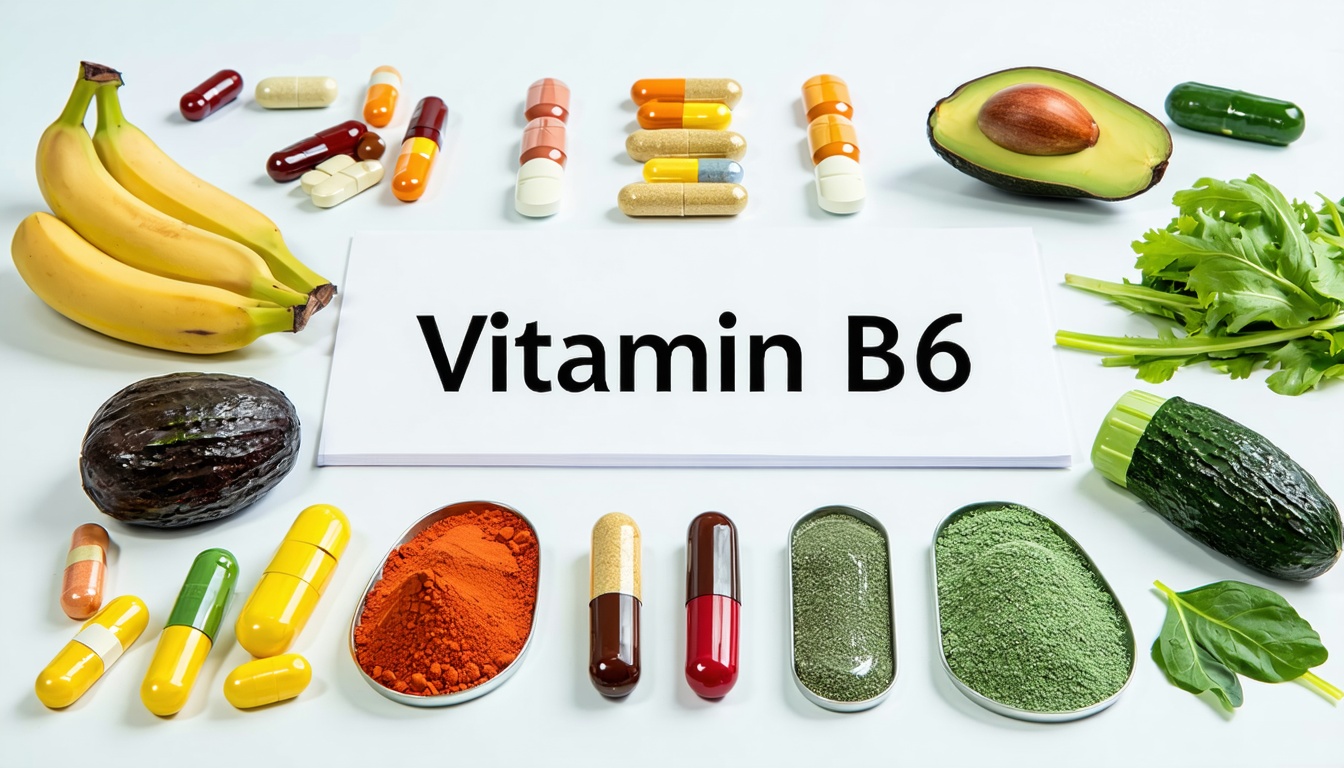
Vitamin B6 Supplements have garnered increasing attention for their significant role in mental wellness, energy production, and overall body function. Whether you’re feeling low, struggling with stress, or simply aiming to support your nervous system and adrenal health, vitamin B6—also known as pyridoxine—may be the quiet powerhouse your wellness routine is missing. This article explores the wide-reaching benefits of vitamin B6, including its impact on brain chemistry, hemoglobin production, and mood regulation, while also guiding you through natural food sources, recommended intake, and safety considerations.
Importance of Vitamin B6
Vitamin B6, also known as pyridoxine, is a big player in keeping your body ticking along nicely. Knowing about its perks can shed light on why you might want to think about popping a vitamin B6 supplement.
Role in Brain Health
Keeping your brain in top form is no small feat, and that’s where vitamin B6 shines. This vitamin is a key ingredient in making neurotransmitters—the messengers that help brain cells chat. We’re talking heavyweights like serotonin and dopamine, which are crucial for keeping your mood and mind sharp.
Studies hint that not having enough vitamin B6 could be tied to memory issues and mental health challenges, especially as you age. It has a link to the blues—a deficiency might crank up those feelings of depression (Healthline). While there’s buzz about vitamin B6’s potential in reducing homocysteine levels to fend off Alzheimer’s, don’t pop the champagne just yet—the scientific jury is still out (Healthline).
| Function | Importance |
|---|---|
| Neurotransmitter Production | Key for mood and clarity of thought |
| Ward Off Cognitive Decline | Helps in lowering risks related to mood dips |
Impact on Mood
Feeling down? Vitamin B6 might just be the pick-me-up you need. By assisting in neurotransmitter creation, it plays a major role in balancing your mood. Research shows low levels of B6 could be why some people grapple with a sour mood, underscoring its value in managing mental wellness (Healthline).
Adding vitamin B6 to your menu or reaching for supplements could brighten your emotional outlook. If you’re diving into different vitamin options, vitamin B supplements or B complex supplements that bundle B6 with more B vitamins might catch your eye.
By tapping into the benefits of vitamin B6, you’re setting yourself up for more informed health choices—and a potentially happier you.
Food Sources of Vitamin B6
Thinking about boosting your vitamin B6 without popping pills? Good news! You can snag this powerhouse vitamin from various foods. Let’s chow down on some tasty sources you might want to sprinkle into your meals.
Milk and Dairy
You might be surprised to learn that plain old milk is a decent farewell-to-the-blues beverage. Cow or goat’s milk features about 5% of the recommended daily dose of this vitamin per cup. So, pouring a glass or munching on dairy products doesn’t just please your taste buds but also tickles your bones good, especially for the kiddos needing it for a growth spurt.
| Dairy Product | Serving Size | Vitamin B6 Content (%) |
|---|---|---|
| Cow’s Milk | 1 cup | 5% |
| Goat’s Milk | 1 cup | 5% |
Fish Sources
Hook yourself some fishy goodness because salmon, in particular, is B6-rich! It’s not just swimming with this vitamin but also packing stuff that helps your adrenal health. Plus, it’s a fab low-fat protein—yum. Think about tossing some fish into your menu to crank up those B6 figures and give your health a leg up (Healthline).
| Fish Type | Serving Size | Vitamin B6 Content (%) |
|---|---|---|
| Salmon | 3 ounces | High concentration |
Eggs
Looking for egg-citing news? Eggs fit cozily onto the vitamin B6 team with about a 10% chunk of the daily value per egg. These little powerhouses are not just easy on the eye but also on the plate, working their magic in dishes from breakfast to dinner. So, whether you prefer them sunny-side-up or boiled hard, they’re there to beef up your B6 and overall nutrition (Healthline).
| Food Type | Serving Size | Vitamin B6 Content (%) |
|---|---|---|
| Eggs | 1 large egg | 10% |
Munching on these fab food sources keeps your vitamin B6 levels up to snuff. But if you find food alone isn’t cutting it, give vitamin B6 supplements a thought for some extra mojo.
Benefits of Vitamin B6
Vitamin B6 supplements come with a good handful of perks for your health that might just improve how you feel daily. Let’s chat about how vitamin B6 plays into keeping your adrenal glands in check and upping hemoglobin production.
Adrenal Health
Vitamin B6 is pretty crucial when it comes to keeping your adrenal glands ticking like a well-oiled machine. These glands help juggle metabolism, immunity, and how you handle stress. Wild-caught salmon, packing a powerful punch of vitamin B6, is a great option to chow down on if you want to help out those adrenals thanks to it being full of good stuff yet light on fat (Healthline).
Getting enough vitamin B6 can help your adrenal glands operate at peak performance, backing up your health overall. If you’re running low on this vitamin, you might find yourself weary and stressed out, so tossing a supplement into the mix could be smart if life has you in a pressure cooker.
Hemoglobin Production
Vitamin B6 also has a big hand in making hemoglobin, that superhero protein in red blood cells that shuttles oxygen everywhere you need it. Active forms of vitamin B6, like pyridoxal 5′ phosphate (PLP), are key players in getting the right amino acids together to form hemoglobin. Fish like tuna, especially yellowfin and albacore, are jam-packed with vitamin B6, which can give hemoglobin production a little extra love (Healthline).
Trying to bump up those hemoglobin numbers? Adding vitamin B6 into your life through food or a pill might do the trick. Keeping hemoglobin levels up is all about staying energized and lively, so vitamin B6 could be a nice boost to your regular diet routine.
For more tips on how vitamin B6 and its siblings can lend a hand to your health, have a look at our resources on vitamin b supplements and their vitamin buddies.
Vitamin B6 Supplements
Daily Recommended Intake
Thinking about popping some Vitamin B6 pills to boost your health? First, get the lowdown on how much you actually need each day because it changes depending on your age, if you’re a guy or a gal, or even if you’re a mom-to-be. Here’s a handy table with the daily needs for different folks:
| Age Group / Life Stage | Recommended Daily Intake (mg) |
|---|---|
| Infants (0-6 months) | 0.1 |
| Children (1-3 years) | 0.5 |
| Children (4-8 years) | 0.6 |
| Boys (9-13 years) | 1.0 |
| Girls (9-13 years) | 1.0 |
| Teen Boys (14-18 years) | 1.3 |
| Teen Girls (14-18 years) | 1.2 |
| Adult Men (19 years and older) | 1.3 |
| Adult Women (19 years and older) | 1.2 |
| Pregnant Women | 1.9 |
| Breastfeeding Women | 2.0 |
Hitting these targets is key to keeping your body in tip-top shape. Check out more precise info from the NIH Office of Dietary Supplements.
Conditions Requiring Supplements
Sure, most folks get their fill of Vitamin B6 from a good diet, but there are times when your body might be waving a little Vitamin B6 flag. Here’s when adding a supplement could be the right call:
- Deficiency: If you’re feeling extra cranky, gloomy, or just plain confused, you could be running low. Folks with these symptoms might need a bigger dose to get back to feeling like themselves.
- Pregnancy and Lactation: Got a bun in the oven or a little one attached to you? You might need extra B6 to help both you and your baby thrive, leading some women to reach for supplements.
- Certain Medical Conditions: If you’ve got something like celiac, Crohn’s, or a fussy kidney, your body might not hold on to B6 the way it should, so it’s worth asking the doc if you need more.
- Medication Interactions: Taking meds that mess with B6, like some for TB or seizures, could mean you’re running low. A supplement might be your new best friend.
Think you might need extra Vitamin B6? Chat with a healthcare professional. For more on other important B vitamins, wander over to our vitamin B supplements and B complex supplement pages for a read.
Safety and Side Effects
When you’re thinking about taking vitamin B6 supplements, it’s good to know what’s safe and what could go wrong. Knowing the risks of taking too much and how these vitamins might mess with your meds can help you make smart choices.
Too Much of a Good Thing
Overdoing it with vitamin B6 can make your body unhappy. If you consistently take too much, it might mess up your nerves. You could feel numb or tingly in your hands and feet, which isn’t fun. So, stick to the recommended doses on the supplement bottle or listen to what your doc says.
Adults shouldn’t exceed 100 mg a day. While you probably won’t hit these numbers just eating food, popping too many supplements can crank up your intake way too fast.
| Age Group | Max Vitamin B6 (mg/day) |
|---|---|
| Adults | 100 |
| Kids (1-3 years) | 30 |
| Kids (4-8 years) | 40 |
| Kids (9-13 years) | 60 |
Check with your doctor before starting any supplement, especially if you’ve got health issues.
Don’t Mix Without Checking
Vitamin B6 can mess with some medications, changing how they work or causing side effects. Here’s a heads up on a few key interactions:
- Blood Pressure Pills: If you’re on meds for high blood pressure, taking a lot of vitamin B6 might drop your pressure too low. Keep an eye on it regularly.
- Amiodarone: This one makes your skin extra sensitive to the sun. Mix it with Vitamin B6, and you might end up sunburned or with a rash. Throw on some sunblock and long sleeves if you’re going out.
- Phenytoin: For those taking phenytoin for seizures, vitamin B6 might mess with its effectiveness. Large doses could lead to more seizures, so monitoring is key.
- Levodopa: This often gets paired with carbidopa because Vitamin B6 can break down levodopa too quickly, making it less effective.
By keeping these points in mind and following dose recommendations, you can still soak in the perks of vitamin B6 supplements. Curious to learn more about vitamin B? Check out our section on vitamin b supplements.
Final Thoughts
Vitamin B6 is more than just another supplement—it’s a key contributor to your mental sharpness, emotional balance, and metabolic function. From promoting neurotransmitter production to supporting adrenal and red blood cell health, B6 offers a range of benefits that can easily complement a balanced lifestyle. While food sources like eggs, fish, and dairy can help maintain adequate levels, supplements may offer targeted support for those with deficiencies or specific medical needs. As always, it’s best to consult a healthcare provider to determine if a supplement is right for you and to ensure you’re taking a safe dosage.
Frequently Asked Questions (FAQ)
What does vitamin B6 do for the body?
Vitamin B6 supports neurotransmitter production, aids in hemoglobin creation, enhances adrenal gland function, and helps regulate mood and cognitive performance. It plays a vital role in maintaining brain and immune health.
Can I get enough vitamin B6 from food alone?
Yes, many people meet their B6 needs through a balanced diet that includes foods like salmon, eggs, milk, and fortified cereals. However, those with certain health conditions, dietary restrictions, or increased needs may benefit from supplementation.
How much vitamin B6 should I take daily?
The recommended daily intake varies by age and life stage. Adults typically need 1.2–1.3 mg per day, while pregnant and breastfeeding women require up to 2.0 mg. Always follow professional guidance before adjusting your intake.
Are there risks to taking too much vitamin B6?
Yes. Excessive intake, especially over 100 mg per day in adults, may lead to nerve damage, tingling, or numbness in the extremities. Stick to recommended dosages and consult your doctor if unsure.
Who might need a vitamin B6 supplement?
Individuals who are pregnant or breastfeeding, have certain medical conditions (like celiac or kidney disease), or take medications that interfere with B6 absorption may require supplements to maintain optimal health.