
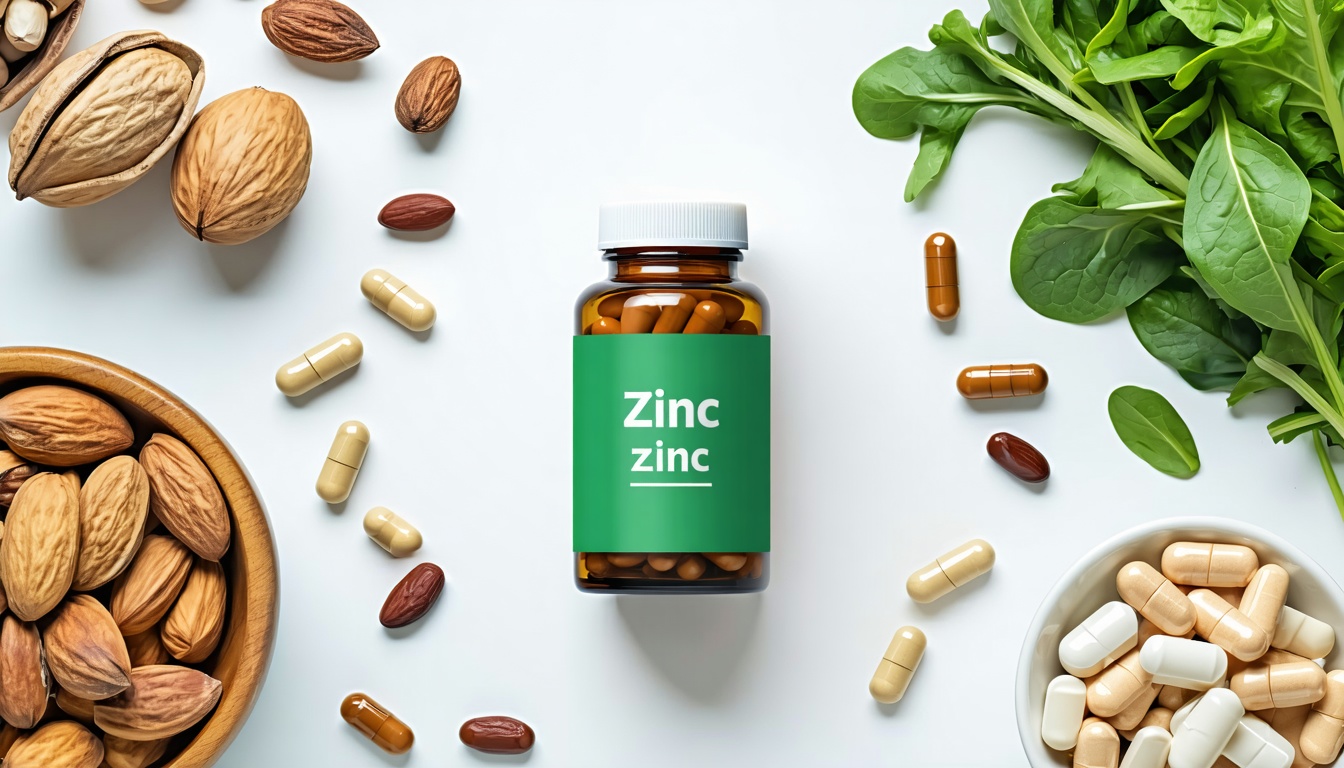
Zinc supplement usage has surged in popularity, and for good reason—this essential mineral plays a pivotal role in everything from immune defense to heart health. Whether you’re looking to shorten the duration of a cold, improve your skin, or support your body’s fight against inflammation and chronic disease, zinc can be a game-changer. But before adding it to your daily regimen, it’s important to understand the right dosage, types of supplements available, and possible interactions with medications.
Understanding Zinc Supplements
Benefits of Zinc Supplements
Zinc supplements are like tiny health heroes for those who don’t get enough zinc from their diet. If you’re feeling a bit run-down, these little wonders might just be what you need. Studies say that popping zinc can boost your immune system and help you kick that annoying cold to the curb faster—about a third quicker, to be precise. Zinc wears an antioxidant cape, battling inflammation and fighting off serious stuff like heart disease, cancer, and diabetes along the way.
Here’s your go-to list for why zinc’s a real MVP:
| Benefit | Why It Rocks |
|---|---|
| Immune Support | Helps your body fight off those nasty germs. |
| Antioxidant Power | Keeps inflammation in check and shields your cells. |
| Steady Blood Sugar | Aids in keeping your sugar levels steady and improves how your body handles insulin (Healthline). |
| Heart Cheerleader | May help drop those cholesterol and blood pressure numbers (Healthline). |
| Sharp Eyes | Helps keep your peepers safe from age-related wear and tear (Healthline). |
With all this goodness, it’s no wonder zinc supplements are a top choice for boosting your health.
Risks of High-Dose Zinc
But hold up—it’s not all sunshine and rainbows. Going overboard with zinc can land you in a tough spot. Too much zinc can leave you feeling queasy, messing with your appetite, and even causing stomach issues or headaches. Overdoing it for too long might mess up how your body absorbs other key minerals, like copper.
Stick to the script with your zinc intake to keep those troubles at bay. Check out this handy guide to see how much zinc is just right:
| Age Group | Max Daily Dose (mg) |
|---|---|
| Infants (0-6 months) | 4 |
| Little Kids (1-3 years) | 7 |
| Kids (4-8 years) | 12 |
| Older Kids (9-13 years) | 23 |
| Teens (14-18 years) | 34 |
| Adults (19 years and older) | 40 |
Got specific zinc needs or concerns? It’s always smart to chat with a healthcare pro. They can point you to perfect picks, whether it’s a zinc supplement for men or zinc supplements for women. This way, you’ll enjoy the perks of zinc without the hiccups.
Dosage Guidelines for Zinc
Thinking of jumping on the zinc train? It’s crucial to know how much you need to take. This will help you get the most out of it without overdoing it. Let’s run through what you need to know about daily zinc intake for everyone in the family.
Recommended Zinc Intake
How much zinc should you aim for each day? It depends on your age and whether you’re expecting or nursing. Here’s a quick look:
| Age Group | Daily Zinc Target (mg) |
|---|---|
| Adult Men (19+) | 11 |
| Adult Women (19+) | 8 |
| Pregnant Women | 11 |
| Nursing Moms | 12 |
Got any doubts about just how much zinc you need? A chat with your doctor is a smart move. And for those grown-ups over 19, don’t top 40 mg a day (Mayo Clinic).
Zinc Supplements for Different Age Groups
Kids and teens have their own zinc needs too. Here’s a breakdown of the maximum daily amounts for the younger crowd:
| Age Group | Max Daily Limit (mg) |
|---|---|
| Children (1-3) | 5 |
| Children (4-8) | 7 |
| Children (9-13) | 11 |
| Teen Girls (14-18) | 9 |
| Teen Boys (14-18) | 11 |
For kids, always check in with a doctor to nail down the right zinc dosage (Mayo Clinic).
Keep in mind that with zinc, more isn’t always better. The goal? Just the right amount, so you can reap its rewards without any downsides. Curious about working more zinc into your day? Look into options like zinc picolinate or try a zinc-rich diet.
Types of Zinc Supplements
Picking the right zinc supplement can feel like choosing a cereal in a colorful supermarket aisle. But hey, when it comes down to it, knowledge is power, right? Let’s jump into understanding the different zinc choices so you can make the best choice.
Absorption Rates of Different Forms
All zinc isn’t the same. Some types slide right into your system like a DM, while others take the scenic route. Here’s your cheat sheet on common zinc forms and how quickly they get absorbed:
| Zinc Form | Absorption Rating | Notes |
|---|---|---|
| Zinc Picolinate | High | Zips right in—your body’s best bud. |
| Zinc Citrate | High | Another top contender in the absorption Olympics. |
| Zinc Acetate | Moderate | Solid runner-up; good for tackling deficiencies. |
| Zinc Monomethionine | Moderate | Gentle on the belly—like a warm hug. |
| Zinc Oxide | Low | Often dawdles; not the quickest on its feet. |
Most zinc supplements are packing 15–30 mg per serving. Stick to the rules, though—going beyond 40 mg a day without a doc’s nod can throw your immune game off and dip your copper level (Healthline).
Liquid vs. Pill Form
Whether you’re a chugger or a pop-a-piller, zinc’s got your back.
-
Liquid Zinc:
-
Perfect if pills aren’t your cup of tea.
-
Quick to absorb and a breeze to consume.
-
A solid choice if you prefer gulping down a dose instead of swallowing it whole (Healthline).
-
Pill Zinc:
-
Easy to toss in your bag and take anywhere.
-
Comes in tablets and capsules.
-
Some folks might find these a bit rough on the tummy.
Let’s look at how they stack up:
| Supplement Form | Pros | Cons |
|---|---|---|
| Liquid Zinc | Goes down easy, quick on the uptake | Might taste funky |
| Pill Zinc | Handy and found everywhere | A pill could be a gulp too far |
Choosing your zinc buddy boils down to what fits your style and what you find comfy. Whether it’s a liquid or a pill that speaks to you, each comes with its own perks. Want more info? Check out the zinc lowdown on our page zinc, or get the skinny on specific stuff like zinc picolinate to zero in on benefits.
Zinc and Potential Interactions
When you’re eyeing a zinc pill, keep an eye on how it might shake hands with your other meds. Picking up on these connections can help you make smarter health choices that’ll keep you feeling good.
Drug Interactions with Zinc
Zinc supplements and some meds can tussle with each other. Right now, there are 153 drugs known to clash with zinc sulfate. These are split up like this:
| Interaction Level | Number of Drugs |
|---|---|
| Major | 5 |
| Moderate | 36 |
| Minor | 112 |
If your medicine cabinet includes any of these, be a little extra careful. For instance, zinc in big doses can mess with how certain antibiotics work. This might make them less effective. So, before you start popping zinc supplements, have a chat with your doctor to steer clear of any hiccups. Here’s a handy link with more info: Drugs.com.
Consulting Healthcare Professionals
Thinking about adding zinc to your lineup? A quick convo with your doctor goes a long way. They’ll help figure out if it’s a good fit, especially if you’re juggling other meds that might not play nice with zinc. The Mayo Clinic suggests touching base with your doc to get the best out of zinc without any hitches.
Taking control of your health means knowing not just the highlights of zinc but also the full picture of how it fits into your wellness game plan. Check out our pages on zinc rich diet and zinc supplements for women for more scoop. Make sure any supplement, including zinc, aligns with your overall health vibe.
Health Benefits of Zinc
Adding zinc to your diet or as a supplement can do wonders for your health, making you feel better and stronger. Let’s check out how it helps fight bugs and keep your heart ticking just right.
Fighting Off the Bugs
Zinc is like an unsung hero for your immune system. It keeps the defenses strong, and taking it when you first feel a cold might shorten it by about a third (Resource). It also acts as a shield, fending off inflammation and aiding your body in steering clear of long-term baddies like heart disease, cancer, and diabetes.
| How Zinc Helps | What It Does |
|---|---|
| Immune Boost | Makes your body’s defenses stronger, shortens colds |
| Protection from Inflammation | Keeps the nasties away from sticking around |
If you catch colds easily or often feel under the weather, think about making zinc supplements your new buddy.
Keeping the Heart Happy
Zinc doesn’t stop at just helping your immune system; it steps in for your heart too. It’s shown to lower bad cholesterol, unhealthy blood fats, and can even bring down high blood pressure (Resource). All these things together lower the chances of heart trouble.
| Heart Gains | What It Achieves |
|---|---|
| Cholesterol Buster | Keeps the bad cholesterol from piling up |
| Blood Pressure Helper | Supports normal blood pressure |
With all these perks, zinc is worth considering if you’re looking to boost your heart health. If keeping your heart in check sounds like a plan, explore zinc-rich foods or zero in on specific zinc supplements.
Knowing these benefits lets you decide if adding zinc to your daily routine is a smart move for better health.
Addressing Zinc Deficiency
Zinc shortage might sound like a rare bird, but when it hits, it can throw quite a wrench in the works. If you think you’re a bit low on zinc, it’s good to know how to fix it and spot the red flags.
Correcting Zinc Deficiency
Most zinc deficiency cases get sorted out with a good sprinkle of supplements and a dash of smart eating. Several studies say zinc pills can bump up your zinc levels faster than you can say “supplement,” often sorting out pesky issues like runs and skin problems. Symptoms can start stepping back as soon as a day to a week or two after getting on those pills (Healthline).
For grown-ups, a regular zinc pill dose is between 15 to 30 mg per serving. But don’t get overzealous; stick under 40 mg daily since going overboard can do more harm than good, leading to things like weaker immune defenses and copper shortage (Healthline).
Thinking of popping a zinc supplement? Keep these tips in mind to make sure you’re doing it right, according to what your body needs:
| Age Group | Recommended Daily Zinc Intake (mg) |
|---|---|
| Women (19 years and older) | 8 |
| Men (19 years and older) | 11 |
Symptoms of Zinc Deficiency
Nipping zinc troubles in the bud requires spotting the hints. Look out for:
- Diarrhea: If you’re frequently dashing to the loo, it might be time to check your zinc.
- Skin Lesions: Skin troubles like rashes or slow-to-heal cuts could be flashing signals.
- Hair Loss: Losing more hairs than winning arguments? Zinc might be the villain.
- Fatigue: Feeling like a zombie? Low zinc can take the blame.
- Decreased Immune Function: Coughs and sneezes on repeat? Zinc again.
- Loss of Appetite: Food’s not tempting? It might affect your zinc levels.
Catching a couple of these tells might mean it’s time to chat with a doc about zinc pills or chow options. Docs can help map out a game plan to up your zinc through pills and tweaks to what’s on your plate. If you’re looking to load up on dietary zinc, welcome beef, chicken, fish, and fortified cereals to your menu. For more foodie tips on a zinc-rich diet, peek at our zinc-rich diet guide.
Final Thoughts
Zinc is a mighty mineral with a wide range of health benefits, especially when your diet falls short of meeting your daily needs. From strengthening your immune system and improving metabolic health to protecting your vision and supporting cardiovascular wellness, zinc supplementation can offer comprehensive support. However, like any nutrient, balance is key—too little can lead to deficiencies, and too much may cause adverse effects. Choosing the right form of zinc and taking it at the right dose is essential. Always consult with a healthcare professional to make the best decision for your unique needs.
Frequently Asked Questions (FAQ)
What are the main benefits of taking a zinc supplement?
Zinc supplements support immune function, reduce inflammation, improve heart health, maintain steady blood sugar, and may help protect eyesight from age-related damage.
How much zinc should I take daily?
For adults, the recommended daily intake is 11 mg for men and 8 mg for women. The upper limit is 40 mg per day for adults unless otherwise directed by a healthcare provider.
Can I take too much zinc?
Yes. Excessive zinc intake can lead to nausea, stomach cramps, reduced copper absorption, and a weakened immune system. Staying below the recommended upper limits is crucial.
Which form of zinc is best for absorption?
Zinc picolinate and zinc citrate are known for high absorption rates, making them excellent choices for supplementation.
What are the signs of zinc deficiency?
Common symptoms include hair loss, diarrhea, skin lesions, fatigue, decreased immunity, and appetite loss.
Can zinc interact with medications?
Yes, zinc can interact with over 150 medications, including antibiotics. Always consult a healthcare provider before starting a zinc supplement if you are on other medications.
Are liquid zinc supplements better than pills?
Liquid zinc may be absorbed faster and is ideal for those who struggle with swallowing pills, while pills are more portable and widely available. The best choice depends on personal preference and digestive comfort.