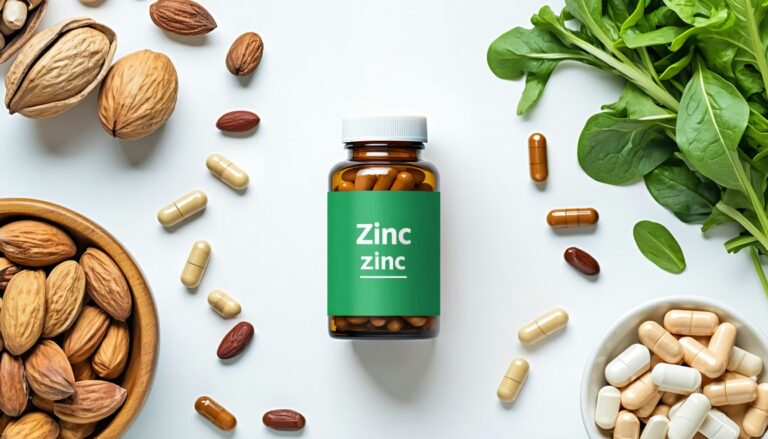
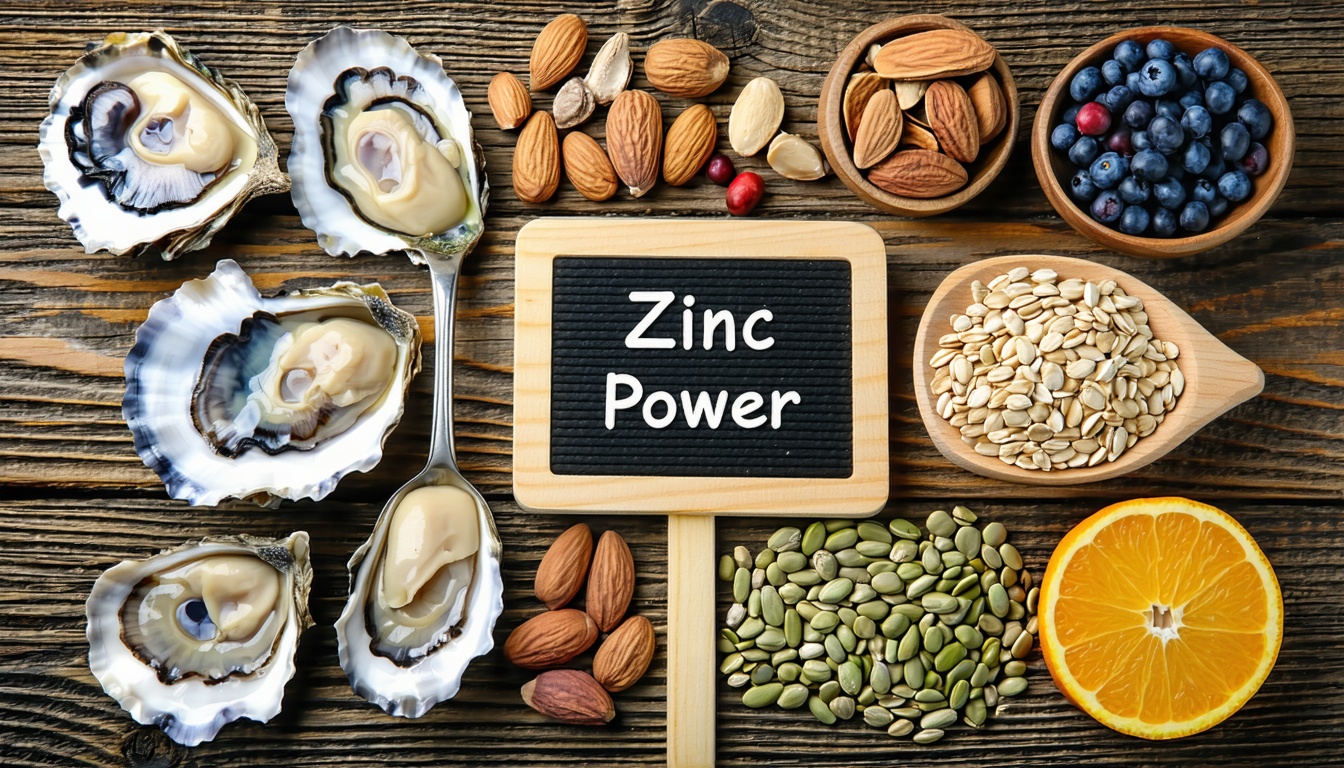
A Zinc Rich Diet is more than a nutritional trend—it’s a foundational approach to strengthening your immune system, supporting growth, enhancing wound healing, and maintaining optimal skin health. Zinc is a powerful trace mineral that plays a key role in numerous bodily functions, yet many people don’t get enough of it. Whether you’re looking to increase your energy, recover faster from illness, or simply ensure your body runs smoothly, understanding the benefits of zinc and how to incorporate it into your daily meals can have a lasting impact on your well-being.
The Importance of Zinc in Your Diet
You ever heard of zinc? It’s quite the unsung hero for your body. This fancy mineral isn’t just lying around waiting to be noticed; it’s busy making sure you’re feeling your best and functioning properly every single day!
Role of Zinc in the Body
So, what exactly does zinc do for you? A whole lot, actually:
- Immune Function: Zinc’s like the coach for your immune defense, training those immune cells to tackle anything trying to bring you down. Plus, it helps whip an organ that plays a big part in your immune response back into shape! (Fred Hutchinson Cancer Research Center).
- Wound Healing and Skin Health: Who doesn’t want their skin in top-notch condition? Zinc’s your go-to guy for helping wounds heal and keeping your skin looking great. It’s also vital in crafting proteins and DNA, aiding growth and tissue repair.
- Growth and Development: For the kiddos, zinc’s like rocket fuel for growth—essential for them to grow up big and strong, facilitating cell division and overall development (WebMD).
- Taste and Smell: Love your food? Thank zinc! It helps you relish those delicious flavors and aromas. Without it, savoring a meal could become quite the challenge.
No magic tricks needed here—just make sure you’re eating foods rich in zinc to keep your levels up.
Signs of Zinc Deficiency
When zinc goes missing, your body lets you know. Here are a few signals it might send out:
| Sign of Deficiency | What Happens |
|---|---|
| Frequent Illness | You might find yourself catching colds or infections more often. |
| Skin Issues | Those cuts take longer to heal, and your skin gets problematic. |
| Loss of Taste/Smell | Your favorite dish might start tasting a bit off. |
| Hair Loss | Noticing more hair in your brush than usual? |
| Growth Delays | Kids not reaching their growth spurt could mean they need more zinc. |
Peep any of these signs? You might want to think about adjusting your diet or even introducing a zinc supplement to your routine. Options like zinc picolinate can help with absorption.
Getting enough zinc can prevent those nagging deficiencies. Always good to check in with a healthcare professional if you think you’re falling short or thinking about a supplement. Swing by our pages for more on choosing the best zinc vitamin and zinc supplements for women.
Zinc-Rich Foods to Include
Want to give your body a boost? Start adding zinc-rich foods to your daily eats. Zinc is like your body’s multitool, helping with loads of essential functions. You’ve got plenty of options from both animal and plant sources. Let’s break it down.
Animal-Based Sources
Animal products are zinc powerhouses. Including a range of these on your plate can help you hit your daily zinc numbers with ease.
| Food Item | Zinc Content (mg) per Serving |
|---|---|
| Oysters (90g) | 30 |
| Beef (90g) | 6.3 |
| Pork (90g) | 4.0 |
| Turkey Breast (90g) | 3.3 |
| Shrimp (90g) | 2.5 |
| Sardines (90g) | 1.3 |
| Greek Yogurt (1 cup) | 1.0 |
| Cheese (30g) | 1.0 |
| Milk (1 cup) | 1.0 |
Oysters are the zinc champs, packing a massive 30 mg in just a 90g serving—holy moly! Meats like beef and pork also bring a good dose, helping you boost those zinc levels.
Plant-Based Sources
No meat? No problem. Plant-based peeps can still load up on zinc goodness. Although your body doesn’t absorb zinc from plants as easily as from meat, pairing them with other munchies can help increase their absorption.
| Food Item | Zinc Content (mg) per Serving |
|---|---|
| Pumpkin Seeds (30g) | 2.2 |
| Lentils (1 cup) | 1.3 |
| Cashews (30g) | 1.6 |
| Chickpeas (1 cup) | 2.5 |
| Mushrooms (1 cup) | 0.9 |
| Fortified Breakfast Cereal (1 cup) | 3.8 |
Think pumpkin seeds, lentils, and chickpeas—they’re just the ticket for your zinc-hit. Eating a good mix of these will help you stay on top of your zinc game.
And hey, if you’re thinking about supplements, like zinc picolinate or zinc tablets, sometimes they can step in if you’re not getting enough from food alone. Just give your doc a quick chat to see what’s the right call for your situation. Check out our zinc supplement guide if you’re curious!
Recommended Daily Intake of Zinc
Getting the right amount of zinc in your diet is super important for keeping you in tip-top shape. Let’s walk through how you can make sure you’re hitting your zinc targets.
Zinc Requirements for Adults
How much zinc you need depends on stuff like your age and gender. Check out this simple guide for most adults to know where you stand:
| Age Group | Gender | Daily Zinc (mg) |
|---|---|---|
| 19 and up | Guys | 11 mg |
| 19 and up | Gals | 8 mg |
| Pregnant Ladies | 11 mg | |
| Breastfeeding Mamas | 12 mg |
Some folks might need more zinc, especially if they’re older, dealing with certain health conditions, or on particular meds.
Groups Who Might Need More Zinc
Certain people might have to boost their zinc game a bit more. Let’s see who’s on that list:
- Pregnant Women: You’re not just eating for two, you need zinc for the baby’s development too—around 11 mg a day.
- Breastfeeding Moms: Your body’s working overtime, so you’ll need about 12 mg daily.
- Older Folks: Our bodies get a bit picky with absorbing zinc as we age.
- People with Digestive Problems: Conditions like Crohn’s can mess with how you absorb nutrients.
- Those Who Enjoy Alcohol: Heavy drinking can shortchange your zinc levels (Healthline).
Depending on where you fit in, tailor your diet to load up on zinc-rich foods. Need a little extra? Considering a zinc supplement? It’s always a good idea to chat with a healthcare pro to pick the one that’ll work best for you.
Effects of Zinc Supplementation
So, you’re thinking about hopping on the zinc train? Good call! Zinc’s got quite a bit to offer. But, before you dive in, let’s take a friendly stroll through here’s why zinc may be your new buddy, and when it might turn into a too-much-of-a-good-thing situation.
Benefits of Zinc Supplements
If zinc’s missing from your go-to nutrients, supplements can step up and fill the gap. Here’s how they can give you a boost:
- Boosting Your Defenses: Zinc is like the personal trainer for your immune cells, helping them flex their muscles to ward off germs. You know those annoying winter sniffles? Zinc might just help shorten that misery parade!
- Speeding Up Healing: Got a few boo-boos? Zinc is your skin’s best friend, helping patches and cuts mend faster.
- Taming the Flames: Some brainy folks with lab coats suggest zinc can calm down inflammation – kind of like telling someone to chill when they’re overheating.
Thinking about hitting the right zinc balance? Throw in some calcium and magnesium for good measure. Check out more details about this mineral squad at calcium magnesium and zinc.
Here’s a cheat sheet for how much zinc different folks should aim for daily:
| Who You Are | Zinc Daily Goal (mg) |
|---|---|
| Ordinary Blokes | 11 |
| Ordinary Gals | 8 |
| Moms-to-Be | 11 |
| Nursing Moms | 12 |
Risks of Excessive Zinc Intake
Alright, now for the warning label. Don’t go overboard with zinc—it can be a tricky fellow when overdone. The National Institutes of Health advises no more than 40 mg a day for grown-ups. Here’s what could happen if you overdo it:
- Copper’s Rival: Overloading on zinc might leave copper, another important player in your system, without a place at the table. Without enough copper, your blood cell production could take a hit.
- Immune System Overload: As weird as it sounds, too much zinc could make your immune system slouch and not fight off microbes as it should.
- Tummy Troubles: Popping too much zinc can leave you with queasy feelings or a metallic tang in your mouth, especially if you’re using lozenges or syrups.
Thinking about getting friendly with a zinc supplement? Chat with a healthcare professional to see where you stand with zinc and if you need to up your intake. They can steer you to the right amount you should be taking. Curious about the best picks for women or men? Check out more tailored options at zinc supplements for women and zinc supplement for men.
Deciding wisely can help you tap into the strengths of a diet rich in zinc!
Diagnosing and Treating Zinc Deficiency
Feeling a bit rundown or just not yourself lately? Could be you need more zinc in your diet. Let’s get down to brass tacks on how to find out if you’re running low on this essential mineral and what you can do to fix it.
Methods of Diagnosis
Trying to figure out if you’re short on zinc is not all that tricky. Here’s how the pros typically do it:
- Blood Tests: Your doc might take a little blood to check out your zinc situation. It’s a common way to spot what’s missing.
- Urine Tests: Yep, just like your sodium levels, your pee has a lot to say about your zinc, too.
- Hair Analysis: Believe it or not, your hair can spill the beans on zinc levels because it keeps a record of trace elements over time.
If you find out your zinc is lagging, it could be a sign of other issues, like copper deficiency tagging along for the ride (Healthline).
Treatment Options
Found out you’re lacking zinc? No sweat, it’s fixable. Here’s what you and your healthcare pro might consider:
- Zinc Supplements: Typically, a quick and easy fix. Pop a pill as the doc orders, and you’re likely to feel better in a week or two (Cleveland Clinic). Here are a couple of go-to options:
- Zinc Picolinate: This one absorbs quite nicely.
- Zinc Oxide: Pretty popular in supplements and those pasty creams.
- Dietary Changes: Your kitchen can be your medicine cabinet, too. Load up on:
- Meats, like beef or pork
- Fish, with oysters being the zinc superstar
- Eggs
- Nuts and seeds
Eating these goodies might naturally boost your zinc. However, before you revamp your menu, it’s smart to run it by your healthcare buddy to make sure you’re not missing anything important (Cleveland Clinic).
| Treatment Options | Description |
|---|---|
| Zinc Supplements | Tablets to top up your zinc levels |
| Dietary Changes | Filling your plate with zinc-rich nosh |
Remember, while a bit of zinc can do wonders, too much might give you a funky taste in your mouth or mess with copper levels, possibly throwing off your immune game (Healthline). Chat with your healthcare guru to strike the right balance between diet and supplements like zinc vitamin.
Zinc and Immune Function
Your body knows a good thing when it gets it, and zinc is definitely one of those good things, especially for a rock-solid immune system. Knowing how zinc supports your health can really make you see why a diet full of zinc is worth your time.
Zinc’s Impact on Immune Health
Zinc’s like the Swiss army knife of minerals, multitasking in metabolism, digestion, nerve whiz-bang, and the crucial job of beefing up your immune defense (Healthline). Skimp on zinc, and you might find yourself catching colds, or worse, pneumonia, more easily. A little zinc can mean a lot—pop a lozenge or syrup when you feel a cold coming on and it could shave days off that pesky bug (WebMD).
Here’s a simple list of how zinc gives your immune system that extra oomph:
| Benefit | Description |
|---|---|
| Immune Activation | Gets those T cells up and running, which are key players in your immune defense. |
| Infection Resistance | Keeps colds, pneumonia, and other nasties at arm’s length. |
| Recovery Support | Helps you bounce back faster from whatever’s been dragging you down. |
Zinc’s Role in T Cell Development
T cells are like your body’s own superhero squad, and zinc feeds them right—without it, your thymus (the T cell training ground) can start looking more like an empty warehouse (Fred Hutchinson Cancer Research Center).
Research (on our furry little friends, the lab mice) has shown that a zinc top-up can reboot your thymus, cranking out T cells when you need ’em most. After nasty immune system hits, zinc got those mice back on track with more T cell power (Fred Hutchinson Cancer Research Center).
Adding zinc to your daily lineup, whether through food or a zinc supplement, is one way to play it smart with your health, keeping infections at bay. Look into different zinc vitamin picks, like zinc picolinate or calcium magnesium zinc, to see what clicks best for you.
Final Thoughts
Zinc might be a small mineral, but its role in your health is anything but minor. From powering up your immune system to helping wounds heal and aiding in taste and smell, zinc earns its place on your nutritional priority list. By embracing a zinc-rich diet and considering supplementation when necessary—always under medical guidance—you can ensure your body has what it needs to thrive. Whether you’re a meat lover or follow a plant-based lifestyle, there’s a wide array of food options to help you meet your daily zinc needs. Staying informed and proactive about your zinc intake is a simple yet powerful step toward better overall health.
Frequently Asked Questions (FAQ)
What are the best food sources for zinc?
Animal-based foods like oysters, beef, pork, and turkey are among the richest sources of zinc. For plant-based options, pumpkin seeds, lentils, chickpeas, and fortified cereals are excellent choices.
How much zinc do I need daily?
For adults, men typically need 11 mg per day and women need 8 mg. Pregnant and breastfeeding women require slightly more—11 mg and 12 mg respectively.
What are the signs of zinc deficiency?
Common symptoms include frequent illness, delayed wound healing, skin issues, hair loss, and diminished taste or smell.
Can I take too much zinc?
Yes, excessive zinc intake (over 40 mg daily for adults) can interfere with copper absorption, weaken the immune system, and cause nausea or a metallic taste.
Are zinc supplements necessary?
They can be helpful if you’re not meeting your needs through diet or have increased requirements. However, it’s best to consult a healthcare provider before starting supplementation.
Is zinc important for the immune system?
Absolutely. Zinc supports the development and function of T cells, which are crucial for a strong immune response and protection against infections.