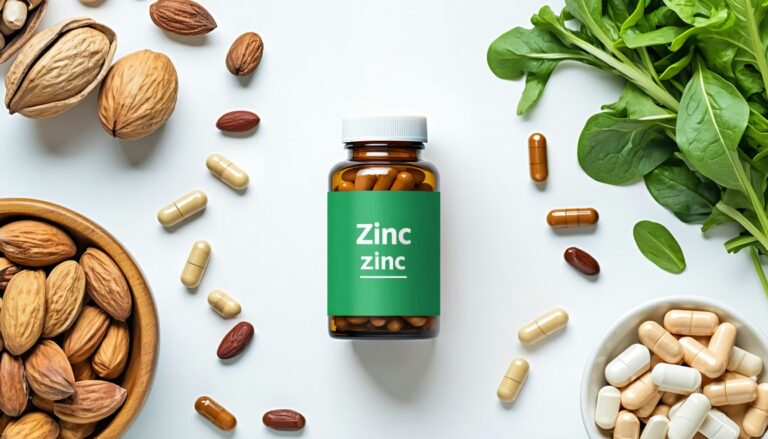

Calcium Magnesium and Zinc are essential minerals that serve as the foundation for numerous physiological functions, from bone strength and immune support to mood regulation and sleep quality. While each mineral has its own critical role, their combined power creates a synergistic trio that supports your body’s performance from head to toe. This guide explores how these three nutrients work together, the symptoms of deficiency, their recommended intake, and why balancing them is key to long-term health.
Importance of Zinc, Calcium, Magnesium
Essential Minerals for Your Well-Being
Zinc, calcium, and magnesium are like your body’s backstage crew, working tirelessly behind the scenes to keep you at your best. Each has its own starring role in your daily health drama. It’s really important to make sure you’re getting enough of these minerals, especially if you’re eyeing a zinc supplement.
| Mineral | What’s it do for you? |
|---|---|
| Zinc | Keeps your immune system in check, triggers enzyme activity, and supports cell growth. |
| Calcium | Key player in keeping your bones strong and muscles working smoothly. |
| Magnesium | Helps you snooze better, lifts your mood, and keeps inflammation in check. |
Zinc is a bit of an overachiever, acting as the behind-the-scenes force for over 300 bodily enzymes. It helps your digestive system, metabolism, and nerve health play nice together (WebMD). And it’s not just for grownups; it’s vital for kids too since it kicks off cell multiplication.
Calcium shows its might by strengthening bones and chomping down on muscle issues. Plus, it helps your body send important signals, like a critical text message among your cells.
Magnesium complements this power trio by lifting your spirits and making bedtime sweeter. Without it, inflammation can flare up, but studies suggest that magnesium supplements might help calm things down (Healthline).
How They Fuel Your Body
Together, zinc, calcium, and magnesium are the dream team for keeping your body running like a well-oiled machine. Let’s break it down:
-
Zinc: It’s your immune system’s best friend, getting T cells fired up to fight off colds and other nasties, kind of like a personal bodyguard.
-
Calcium: While it makes your skeleton rock-solid, it also helps your heart and muscles move to the beat. It’s the DJ for your emotional health too, so keeping calcium levels balanced is a mood booster.
-
Magnesium: The behind-the-scenes pro that regulates how your muscles and nerves communicate, keeps your sugar levels steady, and pulls your blood pressure into line. Plus, it’s involved in building proteins and crafting energy—pretty impressive!
Once you get a handle on these minerals, you can make savvy decisions about giving your diet a lift. Thinking about upping your game? Check out a calcium magnesium zinc supplement for a little extra pep in your step.
Zinc: What Makes It a Must-Have?
So, what’s the deal with zinc? This tiny mineral is a powerhouse when it comes to keeping you fit and fighting off nasty germs. Get to know how zinc works its magic and why you might want to add it to your daily lineup.
Your Body’s Own Personal Defender
Zinc’s like that friend who always has your back. It’s a big player in fighting infections and patching up those cuts and scrapes. Your immune system needs zinc to kick into gear. So, if you’re running low, you might find yourself catching all the bugs you meet, and let’s face it, that’s no fun at all.
| Zinc’s Moves | What It Means For You |
|---|---|
| Kicks Immune System Into Gear | Keeps you healthier |
| Speeds Up Healing | You’re back on your feet faster |
Keepin’ the Blues Away
There’s more to zinc than just brawn; it’s got brains too. Having enough zinc can make a real difference in keeping things sunny side up. Research shows that people with decent zinc levels are less likely to feel down in the dumps. Zinc helps your brain chemicals keep your mood in check, so getting enough can be a mood game-changer.
| Zinc and Your Mind | What It Does |
|---|---|
| Enough Zinc | Lowers depression risk |
| Brain Buddy | Keeps your spirits up |
Zinc and Baby on Board
Expecting? Zinc is a big deal during pregnancy—for both you and your little one. It can cut down on scary stuff like early labor. Making sure you get enough zinc, through what you eat or popping a supplement, is key to keeping you and your baby healthy.
| Pregnancy Perks | How Zinc Helps |
|---|---|
| Supplementing | Helps avoid early arrivals |
| Healthy Levels | Supports baby growth |
There’s loads more to discover about how zinc can boost your health. Check out stuff like how it teams up with calcium and magnesium or foods high in zinc to make sure you’re getting your share. Tailor your zinc choice—maybe a zinc vitamin or zinc picolinate supplement—to fit into your life and keep you at the top of your game.
Magnesium Effects and Deficiency
Magnesium isn’t just vital—it’s practically your health’s secret weapon. Understanding what it does can help you make smart choices about your diet and supplements. Here, we’ll dig into how this mineral helps in cooling down chronic inflammation, getting your sleep on the right track, and figure out just how much you should actually be getting each day.
Reducing Chronic Inflammation
Feeling like you’re constantly fighting off aches and pains? Magnesium might be your knight in shining armor. Science has linked not having enough of it to chronic inflammation that wreaks havoc in your body. Start taking it, and you might just see those inflammation indicators like CRP and IL-6 drop like a bad habit. It’s a real boon for anyone battling problems tied to inflammation.
Enhancing Sleep Quality
Tossing and turning at night? Magnesium could be your personal sandman. Research points to it being a sleep enhancer, thanks to its role in jazzing up your parasympathetic nervous system. It helps ease your mind into that calm, relaxed state you need to catch those precious Z’s.
Recommended Daily Intake
How much magnesium do you need? Well, it depends on who you are. Here’s a quick rundown:
| Age Group | Recommended Daily Intake (mg) |
|---|---|
| Adult Men | 400-420 |
| Adult Women | 310-320 |
| Pregnant Women | 350-360 |
| Breastfeeding Women | 310-320 |
Thinking you might be running low on magnesium, or planning to up your intake with supplements? Better have a chat with your doctor first. Some health issues like preeclampsia or Crohn’s disease might get a boost from more magnesium, but it’s not a one-size-fits-all solution.
To keep things in check, balance your magnesium intake with other heavy hitters like zinc and calcium. For more insights, check out our deep dive on calcium magnesium zinc.
Calcium Functions and Deficiency
Hey there! So, calcium’s pretty much the unsung hero in your body, doing a ton behind the scenes to keep you ticking. Let’s chat about why it’s such a big deal—and what happens if your calcium balance goes off-kilter.
Bone Health and Muscle Problems
Think of calcium as the construction worker keeping your bones strong. If calcium’s running low, your bones start to resemble a neglected building site; first, it’s osteopenia, then full-on osteoporosis. Basically, bones get so flimsy that a slight stumble might land you in a cast. After hitting 30, you start shedding calcium like a cat in spring. For women, the drop is steeper after menopause, where bones practically scream for more calcium. A lot of experts think popping a calcium supplement, maybe with some vitamin D for good measure, could keep your bones from turning into little chalk sticks as you age (Cleveland Clinic).
Calcium doesn’t just punch the clock for your bones. Your muscles need their fair share of it too. Not enough? That’s where the muscle cramps, aches, and generally feeling like an old man when you get out of bed begin to rear their ugly heads. Keeping your calcium intake on point is like getting a mini-service for your body’s engine.
| Age Group | Recommended Daily Intake (mg) |
|---|---|
| Adults 19-50 | 1,000 |
| Women over 50 | 1,200 |
| Men over 70 | 1,200 |
Impact on Mental Health
Ever felt down in the dumps and couldn’t figure out why? Your calcium levels might be trying to tell you something. Some smarty-pants researchers have noticed that low calcium might be linked to throwing your mental mojo out of whack. Get your calcium levels sorted, and you might just find a roadmap back to a sunnier outlook on life (Medical News Today).
Dietary Sources and Intake
Now, how do you get enough calcium without turning every meal into a mad, chalky supplement fest? Easy: eat! Here’s the lowdown on where to find your daily doses:
- Dairy products – Milk, cheese, and yogurt are calcium’s best buddies.
- Leafy green veg – Think kale and broccoli.
- Fortified foods – Cereal and plant milks always add a bit of extra zing.
- Nuts and seeds – Almonds and sesame seeds might be small, but they’re mighty!
Here’s a handy table of calcium-rich goodies:
| Food Item | Calcium (mg per serving) |
|---|---|
| 1 cup of milk | 300 |
| 1 cup of yogurt | 400 |
| 1 oz of cheddar cheese | 200 |
| 1 cup of cooked kale | 180 |
If you’re not getting enough calcium from your meals (who knew the balanced diet could be such a puzzle?), maybe it’s time to have a chinwag with your doc about a supplement. Your bones, muscles, and mood might just throw you a little thank-you party for it!
Calcium, Magnesium, Zinc Interactions
You don’t want to play chemist with supplements. Knowing how calcium, magnesium, and zinc mix with other stuff is key if you’re thinking about adding them to your daily routine. Let’s break down what you gotta know about these minerals and their interactions, risks, and reasons you might reach for a magnesium boost.
Drug Conflicts to Watch For
Got pills? Watch out when popping calcium, magnesium, and zinc along with your meds. A whopping 103 drugs can tango with these minerals:
| How Bad Is It? | Number of Drugs |
|---|---|
| Super serious | 7 |
| Could be trouble | 92 |
| Meh | 4 |
Want to know if your meds are on the list? Check it out on Drugs.com. And hey, if you’re on meds already, chat with your doc before adding any new supplements to your stash.
The Hazards of Too Much Calcium
Calcium’s your best buddy for bones, but hug it too much, and you might get kidney stones, constipation, or mess up how your body absorbs other cool minerals. Too little calcium? Could mess with your mood and even lead to serious stuff like depression (More details from Medical News Today). Keep your calcium levels just right, Goldilocks-style.
When to Turn to Magnesium Supplements
Magnesium’s got its hands in a lot of body jobs. But unless you’ve got a spot-on deficiency or conditions like preeclampsia or Crohn’s, you might not need to pile on the magnesium pills. That said, it can help if you’re having trouble counting sheep or get headaches that just won’t quit. Always hit up your healthcare guru before starting on supplements – there might be funky interactions (Read more at Harvard Health Publishing).
For digging deeper into supplements, these links are your portal to further wisdom:
- Zinc supplement
- Zinc vitamin
- Zinc supplements for women
- Calcium magnesium zinc
These paths guide you toward more wisdom on what these supplements can do and how they interact with everything else.
Zinc: The Unsung Hero of Health
You might not think about zinc much, but this little powerhouse is doing a lot behind the scenes to keep you healthy. Grabbing a zinc supplement can be a game-changer once you know what zinc really brings to the table.
Enzyme Dynamo and Kiddo Growth
So, here’s the skinny: zinc is like the unsung hero for nearly 300 enzymes. These enzymes are busy keeping your metabolism running, helping you digest food, and making sure your nerves are all systems go. Zinc is also team captain when it comes to cell division, which is a big deal, especially if you’re still growing (WebMD).
| Task | Zinc’s Role |
|---|---|
| Enzyme Activity | Keeps metabolism and digestion moving |
| Growth | Crucial for kids growing and cell division |
Clear Eyes, Happy Skin
Got skin woes or want to keep your eyes in tip-top shape? Zinc’s got your back. It helps your skin stay strong, giving acne and infections the boot. And if you’re worried about your eyesight as you age, zinc can slow down that pesky Age-Related Macular Degeneration, helping you keep your eagle eyes in your golden years (WebMD).
| Perk | Zinc’s Superpower |
|---|---|
| Skin Health | Tackles acne and infections like a champ |
| Eye Health | Slows down vision loss from aging |
Your Body’s Defense Mechanism
Let’s not forget zinc’s mighty role in your immune system. It kicks T cells into action, those white blood cells that are crucial for fighting off bugs. Zinc keeps your immune system on its toes, making it an important ally during flu season or whenever there’s a nasty virus going around (WebMD).
| Immune Boost | Zinc’s Work |
|---|---|
| T Cell Activation | Powers up immune watchdogs |
| Defends Against | Wards off colds and more |
Getting enough zinc in your diet isn’t rocket science. Whether you want to munch on a zinc rich diet or prefer zinc supplements for anyone and zinc supplement options, there’s a way for everyone. Curious about zinc’s relationship with other minerals? Check out calcium magnesium zinc for the inside scoop.
Final Thoughts
Maintaining proper levels of calcium, magnesium, and zinc isn’t just about filling nutritional gaps—it’s about empowering your body to function at its best. From supporting bone health and muscle function to boosting immunity and mood, this trio of minerals plays a vital backstage role in your well-being. While a balanced diet can cover most needs, supplements can help fill in the blanks, especially when life throws dietary challenges your way. Just remember: before adding any new supplements to your routine, especially if you’re taking medications, consult your healthcare provider to avoid interactions and get the most benefit.
Frequently Asked Questions (FAQ)
What does calcium, magnesium, and zinc do for the body?
Calcium strengthens bones and muscles, magnesium supports sleep and inflammation control, and zinc boosts immune function and helps with healing and cell growth. Together, they contribute to overall physical and mental health.
Can I take calcium, magnesium, and zinc together?
Yes, many supplements combine these three minerals because they complement each other. However, they can also interfere with each other’s absorption in high doses, so taking them in the right balance is important.
What are signs of a deficiency in these minerals?
Common signs include brittle bones, muscle cramps, fatigue, frequent colds, poor sleep, and mood swings. Persistent symptoms may warrant a nutritional evaluation or supplementation.
Is it safe to take these minerals while on medication?
Not always. Calcium, magnesium, and zinc can interact with over 100 different medications. Always consult a healthcare provider to avoid negative interactions.
How do I get these minerals naturally?
You can find calcium in dairy products and leafy greens, magnesium in nuts and seeds, and zinc in meat, legumes, and fortified foods. A balanced diet can often provide all three.
Are there risks to taking too much of any of these?
Yes. Excess calcium can cause kidney stones and constipation, while too much magnesium may lead to diarrhea or low blood pressure. High zinc intake can disrupt copper absorption and suppress immune function. Stick to recommended daily values unless directed by a professional.