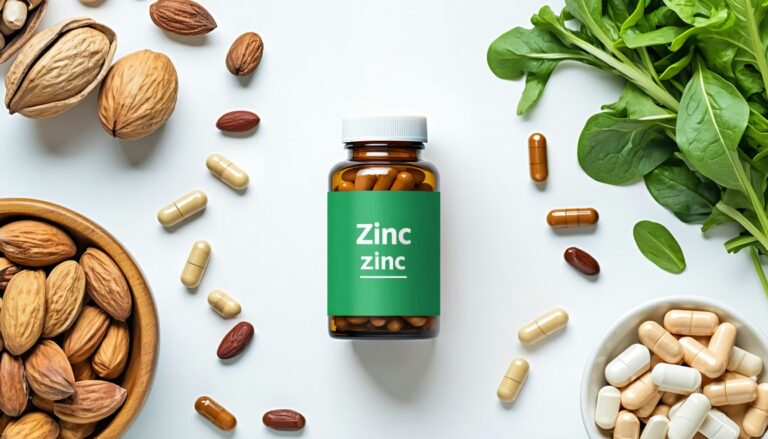

Zinc is a powerhouse mineral that your body depends on for a wide range of essential functions. From energizing over 300 enzymes to boosting immune defenses, zinc is involved in digestion, skin repair, wound healing, and brain function. While often overlooked, this trace element is vital for daily wellness and resilience. Whether you get it from your diet or a supplement, maintaining healthy zinc levels can make a real difference in how you feel and function.
Understanding Zinc
Why Zinc Matters to You
Zinc’s like the MVP of the mineral world—second only to iron in terms of abundance, it’s tucked inside every one of your cells and fuels over 300 enzymes. These mighty enzymes help with pretty much everything your body does, from how you digest those tacos you had for lunch, to keeping your brain firing on all cylinders. Plus, it’s your immune system’s secret weapon, keeping those germs at bay (Healthline).
Here’s what’s at stake when your zinc game is strong:
- Immune Defense: Zinc is the shield that helps your body fend off sneaky viruses and everything in between.
- Battle Wounds: Got a scrape? Zinc’s your body’s first aid kit, getting you back into action quickly.
- Growing Pains: It’s critical for growth and development—super crucial for kiddos and expecting moms.
But wait, there’s more! Zinc isn’t just for when you’re sick or growing; it’s a ticket for overall daily wellness. Thinking about giving your diet a zinc boost? Flip through our zinc-rich diet guide for the inside scoop.
Finding Zinc in Your Day-to-Day
You chow down on zinc more than you think—it’s all over your pantry. From steaks to oysters, and those crunchy almonds you can’t stop snacking on, zinc’s got you covered. Feel like you’re not getting enough? No worries. Check out zinc vitamin or zinc picolinate supplement to hit your daily quota.
Let’s talk mining: Earth’s crust isn’t exactly spilling over with zinc, but thanks to some nifty mining, we’re keeping pace with what the world demands. Here’s a quick look at some zinc facts:
| Year | World Zinc Production (Metric Tons) | World Zinc Reserves (Metric Tons) |
|---|---|---|
| 2008 | 11 million | 180 million |
| Estimated Reserve Base | – | 480 million |
Why’s this matter? Zinc’s got thousands of uses, from your smartphone to galvanized nails. Curious about different styles? Have a peek at zinc supplements for women and zinc supplement for men.
Recycling zinc? That’s a tough nut to crack, but knowing where zinc comes from and the mining process can help you value this mineral even more in your life. So, next time you’re grabbing a handful of nuts or looking at that supplement bottle, you’ll know just what a big shot zinc really is.
Health Benefits of Zinc
Zinc‘s more than just a little mineral hiding in your pantry; it’s like your body’s secret weapon. Figuring out what it does can help you make some smart choices when thinking about adding a zinc supplement to your daily routine.
What’s Zinc Doing for Your Immune System?
Zinc acts like a superhero for your immune system, getting those germ-fighting cells into gear. It’s been shown to cut down the length of a pesky cold by a good 33% (Healthline). So, you might wanna keep some around, especially when everyone’s coming down with something during flu season.
| Health Benefit | Description |
|---|---|
| Boosts Immune Function | Gets your immune cells revved up. |
| Shortens Cold Duration | Can help you shake off colds quicker. |
| Lowers Infection Risk | Might help in dodging infections. |
For older folks, keeping up your zinc levels can ease off some of that nasty oxidative stress and give your immune system a boost. If gearing up for flu season sounds like a plan, a little zinc in your diet might just do the trick. Dive into our zinc vitamin article for more juicy info.
Zinc’s Magic on Your Skin and Wounds
Zinc doesn’t just stop at your immune system; your skin loves it, too. It helps with making collagen, which keeps your skin stretchy and ready for anything. Studies show people who add zinc to their routine heal up quicker, especially with those annoying wounds like diabetic foot ulcers.
| Skin Health Benefit | Description |
|---|---|
| Helps Wounds Heal | Speeds up recovery from skin mishaps. |
| Boosts Collagen | Keeps your skin looking and feeling young. |
| Tames Inflammation | Quietens down skin flare-ups. |
Thinking about giving your skin a little TLC? Eating foods rich in zinc or adding a supplement might work wonders. Check out options like zinc picolinate or zinc picolinate supplement to match your needs. Throw these into your routine for clearer skin and quicker healing.
If making sure you’re not skimping on zinc sounds good to you, stop by our guide on a zinc rich diet. Whether you’re all about supporting your immune system or keeping your skin in check, knowing what zinc can do gives you the power to make smart decisions for your health.
Zinc Deficiency
You might not think much about zinc, but not having enough can cause big headaches. Let’s chat about what zinc brings to the table and whether grabbing some zinc supplements might be your next smart move.
Health Risks of Zinc Deficiency
Zinc is like the backstage crew of your body – you don’t see it, but it’s making sure the show’s running smooth. Low zinc can mess with lots of things. Check out the main headache-makers that come with low zinc:
| Health Problem | What’s Going On? |
|---|---|
| Stunted Growth | Kids not growing as they should? Zinc might be playing hard to get. |
| Weakened Immunity | Catching every cold floating around? Zinc helps keep your defenses strong. |
| Delayed Development | Teenagers need zinc for the growing up game – no zinc means bumps in the road. |
| Slow Wound Healing | Got a cut that won’t quit? Zinc helps heal boo-boos fast. |
| Brain Farts & Fog | Memory slipping or things not clicking? Zinc sorts out the thinking cap. |
| Long-Term Diseases | Missing out on zinc can be a pesky guest at the diabetes, arthritis, and heart disease parties. |
About 2 billion folks worldwide aren’t getting enough zinc, especially in places where getting nutritious food is a daily struggle. In places like the U.S., almost a third of the older crowd might be low on zinc, which can roll out the red carpet for the nasties listed above (Wikipedia, PMC).
Common Causes of Zinc Deficiency
Figuring out why you’re low on zinc isn’t rocket science. Here’s the usual suspects:
- Low Zinc Foods: Gobbling loads of grains but missing out on the meat or seafood? That’s your zinger there. Grains and beans are zinc blockers.
- Life’s Demands: Pregnant? Nursing? Just super young? You’ve got greater zinc needs, and diet alone might not cut it.
- Gut Issues: Got IBS, Crohn’s, or celiac? Your gut might not be the best at grabbing zinc.
- Chronic Illness: Ongoing health problems like diabetes or kidney snags could mean less zinc in your system.
- Booze & You: Love those happy hours? Too much alcohol can zap your zinc.
Eating your greens with a side of meat or nuts is key to staying zinc-strong. Want more tips on keeping your zinc in check? Dive into our scoop on a zinc-rich diet. Considering bolstering with supplements? Peek into our pages offering more on zinc vitamin options like zinc picolinate.
Zinc Supplements
Zinc could be your health sidekick if your diet needs a bit of a boost. Figuring out your daily dose and being aware of potential hiccups will give you confidence in your choices.
Daily Zinc Requirements
How much zinc tickles your fancy each day depends on your age, gender, and life moment—according to the National Institutes of Health, grown folks should cap it at 40 mg a day. Here’s a simple guide for different peeps:
| Age Group | Recommended Daily Allowance (RDA) | Upper Limit |
|---|---|---|
| Toddlers (1-3 years) | 3 mg | 5 mg |
| Kids (4-8 years) | 5 mg | 12 mg |
| Kids (9-13 years) | 8 mg | 23 mg |
| Teen Boys (14-18 years) | 11 mg | 34 mg |
| Teen Girls (14-18 years) | 9 mg | 34 mg |
| Adults – Men | 11 mg | 40 mg |
| Adults – Women | 8 mg | 40 mg |
Got kiddos, and zinc got you puzzled? Better let a healthcare pro guide your way (Mayo Clinic).
Risks and Side Effects of Zinc Supplements
Popping zinc pills can be nifty, but beware—there’s a flip side. High doses might rumble you up a bit. Things that could go wrong include:
- Feeling queasy
- Tummy upset
- Weird metallic mouth feeling
Taking too much for too long can snatch away your copper, triggering nasty stuff like brain and nerve issues—tingly arms or legs, anyone?.
If you’re sizing up zinc, peek at how it fits into your diet puzzle. Curious about where zinc fits in? Check out our nuggets on zinc supplement, zinc vitamin, calcium magnesium zinc, and zinc picolinate. Keep things balanced, and use supplements to top off a zinc-rich diet. Get a thumbs-up from your doc before jumping in—better to play it safe.
Zinc in Various Industries
Zinc isn’t just useful for keeping your immune system in check, it’s a rockstar metal that jazzes up several industries, making it a real MVP (Most Valuable Player) beyond the vitamin aisle. If you’re thinking about making zinc a part of your daily health regimen, it might be cool to know how it’s a heavy hitter in more ways than one.
Galvanization Process
Picture this: zinc being the knight in shiny armor, shielding metals from the evil clutches of rust. In construction, transportation, and other areas, zinc is the go-to. When it hits the air, zinc pulls out a magic trick by creating a protective barrier that stops iron or steel from becoming a rusty mess (Noah Chemicals).
Hot-dip galvanization is like giving metals a cozy bath in molten zinc at about 860 degrees Fahrenheit—pretty toasty! This process results in a solid bond between zinc and any metal lucky enough to get a dip in this zinc pool.
And once the metal dries off, it gets an upgrade with a layer of zinc oxide that does a chemical dance with carbon dioxide, turning into zinc carbonate. It’s like getting a double-layered security blanket.
| Galvanization Method | Temperature (°F) | Purpose |
|---|---|---|
| Hot-Dip Galvanization | 860 | Keep the rust away! |
Zinc Applications and Uses
Zinc’s resume is packed with gigs! Most of it dons its metallic form, jazzing up its primary role in coating metals—but it doesn’t stop there!
Check out the cool stuff zinc gets up to:
| Application | Description |
|---|---|
| Construction | Keeps steel structures looking young, fighting off the aging effects of corrosion. |
| Transportation | A car’s rust-fighting sidekick, ensuring it ages like fine wine, not milk. |
| Electrical | Makes electrical gadgets tick, from gizmos to whatchamacallits. |
| Ammunition | The secret sauce in brass alloys for shooting gear. |
| Refrigeration | Hanging out in your fridge, making sure it runs smooth and cool. |
Imagine zinc not only beefs up your health but also supercharges industries as this unsung hero. If you’re curious about more zinc adventures, consider checking out a zinc-rich diet or discover the benefits of zinc picolinate for a health boost!
Zinc Science and Properties
Zinc isn’t just another mineral; it’s a superstar trace element that keeps a ton of bodily functions on point. Gettin’ a handle on what it does for your body can seriously up your appreciation for this powerhouse of a nutrient. Plus, you might be inspired to check out some supplements, like solid ol’ zinc oxide or zinc picolinate, if you’re feelin’ like your diet needs a boost.
Zinc Properties and Characteristics
With an atomic number of 30, zinc’s not just any mineral—it’s got some pretty slick features. Here’s the lowdown:
| Property | Value |
|---|---|
| Atomic Number | 30 |
| Electron Configuration | [Ar]3d10 4s2 |
| Relative Atomic Mass | 65.38 |
| Melting Point | 419.5°C |
| Boiling Point | 907°C |
Zinc is a little superstar necessary for folks, critters, greenery, and even tiny bugs. From makin’ babies grow right to handling multiple body processes, it’s all about the zinc life. In fact, over 3,000 proteins in humans get their groove from zinc-binding spots. It’s a major player in how cells work. This mineral locks down protein structures and helps them fold just right, ensuring your body’s running smooth as butter (Wikipedia).
Zinc in Cellular Metabolism
When it comes to cellular metabolism, zinc is the boss. It teams up with enzymes, ensuring essential chemical reactions don’t miss a beat. Here’s how zinc’s makin’ your body proud:
- It’s a must-have for enzyme action, pushin’ growth and metabolism into gear.
- Shapes up proteins into DNA magnets with cool zinc fingers, helping with gene chatter.
- Keeps your immune system on its toes, makin’ it a disease-busting machine.
Messing with enzymes and ripping away their zinc? That’s a big no-no—it messes up proteins and their jobs, proving just how crucial zinc is for your well-being (Source).
Diggin’ into zinc’s backstory can help you make smart moves for your health, especially when eyeing those zinc supplements. Curious about how zinc pals around with other minerals? Don’t miss out on our takes on calcium magnesium zinc or gettin’ the trio magic of calcium magnesium and zinc.
Final Thoughts
Zinc is more than just a cold-season remedy—it’s a daily necessity that supports immunity, speeds up recovery from wounds, aids in growth and development, and promotes clear, healthy skin. It’s found in everyday foods like meats, seafood, and nuts, but supplements can help when dietary intake falls short. By understanding how zinc contributes to total-body health and how to manage your intake, you can make smarter choices for long-term wellness. As with any supplement, balance is key—speak with a healthcare provider to tailor zinc use to your needs.
Frequently Asked Questions (FAQ)
What does zinc do for the body?
Zinc helps activate enzymes that support immune function, wound healing, digestion, and cognitive performance. It also plays a crucial role in cell growth and repair.
What are signs of zinc deficiency?
Common symptoms include frequent colds, delayed wound healing, loss of appetite, fatigue, poor concentration, hair loss, and stunted growth in children.
Which foods are high in zinc?
Zinc-rich foods include oysters, beef, chicken, pumpkin seeds, cashews, lentils, and fortified cereals. Animal-based sources tend to be more easily absorbed.
How much zinc should adults take daily?
The recommended daily allowance (RDA) for adult men is 11 mg and for adult women is 8 mg. The upper safe limit is 40 mg per day unless otherwise advised by a healthcare professional.
Can you take too much zinc?
Yes. High doses of zinc can lead to side effects like nausea, vomiting, abdominal cramps, and copper deficiency over time. Long-term excess may impact nerve function.
What is zinc picolinate and is it effective?
Zinc picolinate is a highly absorbable form of zinc commonly used in supplements. It may be especially helpful for individuals with absorption issues or increased nutritional needs.
Does zinc help with colds?
Zinc may reduce the duration and severity of colds if taken at the onset of symptoms. It supports immune cell activity, which helps the body respond to viruses more effectively.
Is zinc only useful when you’re sick?
Not at all. Zinc supports everyday health by maintaining immune strength, skin integrity, metabolic function, and even mental clarity.