
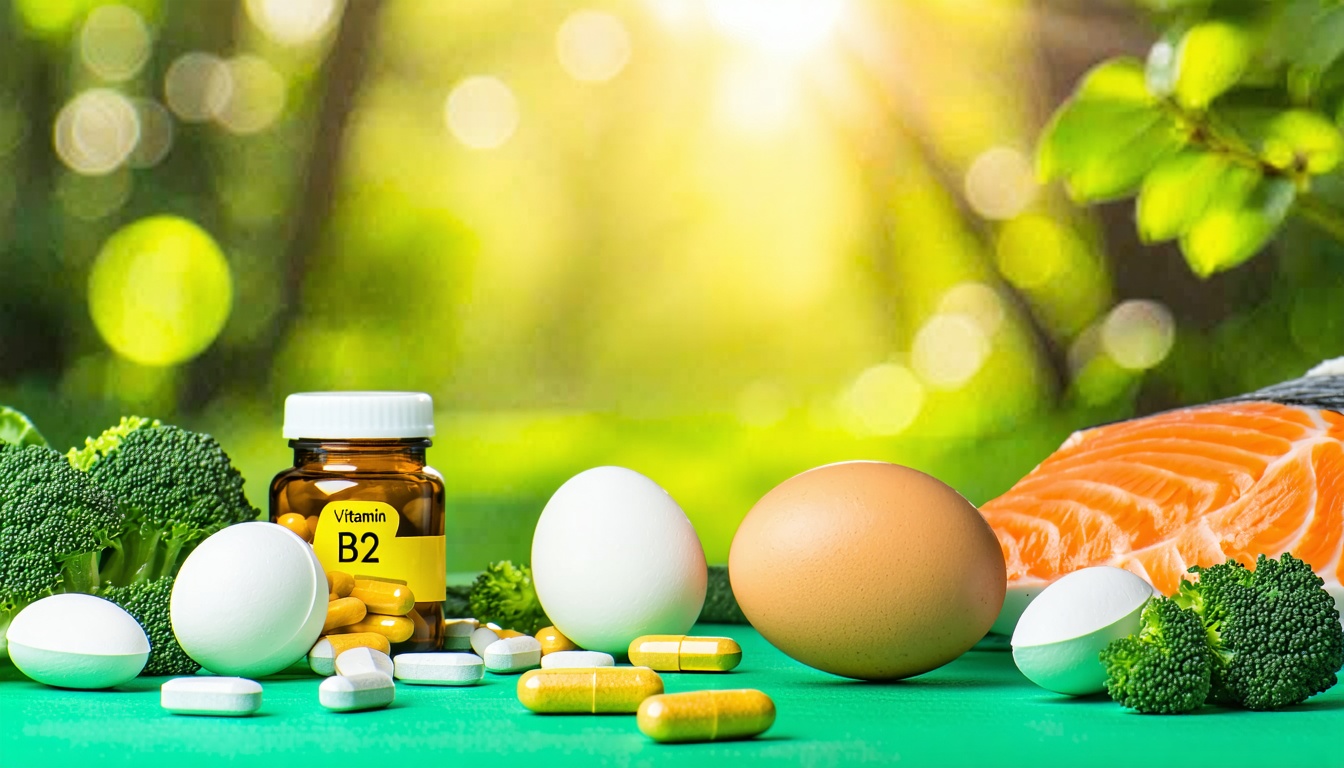
Vitamins B 12 play a crucial role in supporting energy levels, brain function, and red blood cell formation. Yet, many people may be unknowingly deficient, especially those following plant-based diets, older adults, or individuals with digestive issues. This guide uncovers the symptoms of B12 deficiency, its causes, and how to maintain optimal levels through diet or supplementation. Whether you’re curious about your nutritional health or considering B12 supplements, this article provides a clear and practical breakdown for all ages.
Understanding Vitamin B12 Deficiency
You know how life throws you curveballs sometimes? Well, low Vitamin B12 can be one of those sneaky troubles. Let’s break down what causes this troublemaker and how it shows up.
Causes of B12 Deficiency
Okay, why would B12 go missing in action? There could be a few culprits lurking about:
- Pernicious Anemia: Fancy word for your body saying, “Oops, we’re short on that intrinsic factor needed for B12 absorption!” (NIH Office of Dietary Supplements)
- Not Eating Enough B12 Foods: If you’re rocking the veggie or vegan lifestyle without enough B12 food buddies, you might run low. (Cleveland Clinic)
- Trouble Absorbing B12: Sometimes, your body just doesn’t take in B12 like it should. This can happen because of:
- No intrinsic factor
- Some rare disorders
- After certain surgeries like weight-loss surgery
- Issues like celiac or bowel diseases
Here’s a quick look at what might trip up your B12:
| Why B12 Goes Missing | What’s Going Down |
|---|---|
| Pernicious Anemia | Missing crucial intrinsic factor |
| Not Enough B12 in Diet | Skipping B12-rich foods, especially in strict vegan diets |
| Gut Troubles | Absorption blockers, think celiac disease here |
| Surgery that Changes the Gut | Surgeries messing with how your gut absorbs stuff |
Want more on where to grab B12? Check out our scoop on vitamin b supplements.
Symptoms of B12 Deficiency
So, how can you tell if you’re running low on this important vitamin? Here’s what to watch for:
- Feeling Tired and Weak: Yep, the energy slump is real.
- Pale or Yellowish Skin: Your skin might start acting out and looking different.
- Heart Doing the Cha-Cha: An irregular heartbeat because of anemia.
- Nerve Weirdness: That tingling or numbness in your hands and feet? Yeah, could be B12 saying hello.
- Brain in a Fog: Struggling to focus or remember stuff.
- Gut Grumbles: Issues like an upset stomach or unwanted trips to the bathroom.
- Mouth Troubles: An inflamed tongue or mouth. Ouch!
For little ones, low B12 might lead to slower growth and development steps.
Knowing these clues will help you find out if B12 has gone AWOL and point you to the right vitamin B12 supplement fixes.
Importance of Vitamin B12
Role of Vitamin B12
Vitamin B12, often called cobalamin, is like the hidden hero in your body. It’s got a big job on its hands, keeping your blood and nerve cells in tip-top shape. Plus, it’s a key player in making DNA and making sure you steer clear of issues like megaloblastic anemia. Missing out on this vitamin can lead to a host of issues, including feeling drained, muscle weakness, tummy troubles, nerve misfires, and mood swings (Mayo Clinic).
B12 is your central nervous system’s best buddy and vital for creating those all-important red blood cells. It makes sure oxygen gets where it needs to in your body and helps power up the DNA-making process, ensuring your cells run smoothly.
| Function | Description |
|---|---|
| Blood Cell Formation | Pivotal in making healthy red blood cells |
| Nerve Function | Keeps your nerve cells in healthy condition |
| DNA Synthesis | Essential for building and fixing DNA |
| Prevention of Anemia | Helps ward off megaloblastic anemia |
Impact on Different Age Groups
Different ages, different B12 needs. Let’s break it down so you can make sure you’re getting what you need through vitamin B supplements and what you eat.
Children and Adolescents
Kids need B12 for sprouting up and developing a sharp mind. Enough B12 helps them grow strong and stay smart. Typically, little ones aged 1-3 need about 0.9 µg/day, while teenagers (14-18 years) should aim for about 2.4 µg/day.
Adults
For grown-ups, aiming for around 2.4 µg/day of Vitamin B12 is wise. It’s all about keeping energy up, staying sharp, and feeling good overall. Without enough B12, adults might find themselves running low on energy or a bit out of sorts.
Older Adults
Seniors might face B12 shortages because it’s tougher to absorb from food as they age, not to mention some meds that can interfere. It’s a good idea for older folks to boost B12 intake through a bit of dietary help or supplements, aiming for 2.4 µg/day or more to feel their best (NIH Office of Dietary Supplements).
Make sure you’re getting your fill of B12 by eating the right stuff or adding a supplement if needed. When you’re on the lookout for a vitamin B12 supplement, select one that suits your age and health needs for the best results.
Meeting B12 Needs
Making sure you grab enough vitamin B12 is key for feeling your best and keeping healthy. The amount you need can change depending on your age, how you live, and your personal life circumstances.
Recommended Daily Intake
If you’re over 14, the magic number for B12 is 2.4 micrograms (mcg) a day. But depending on what’s happening in your life, you might need to tweak that a bit:
| Age Group | Daily Needs (mcg) |
|---|---|
| 14 years and older | 2.4 |
| Pregnant folks | 2.6 |
| Nursing moms | 2.8 |
Hit that golden age of 50+? Better to think about getting your B12 through supplements and foods that have been fortified with it. As you get older, absorbing B12 might get a smidge tougher (Healthline). Got dietary limits or issues with absorption? Check out a vitamin B12 supplement for a boost.
Special Considerations for Certain Groups
Different strokes for different folks, right? Here’s who needs to keep an even closer eye on their B12:
- Older Folks: If you’re over 60, about 1 in 5 might not have enough vitamin B12, so it’s really important to keep tabs on it.
- Pregnant Folks: Expecting a bundle of joy? You’ll need a smidge more—2.6 mcg a day—since it’s crucial for your baby’s development. Not having enough B12 could mean trouble, so it’s best to stay on top of it.
- Veggie Lovers and Vegans: B12 likes to hang out in meat, dairy, and eggs. If you’re sticking to plant vibes, you might wanna look into foods that have B12 added or consider a supplement.
- Those with Gut Issues: Got a gut issue like celiac or Crohn’s? These can mess with B12 absorption. You might need a supplement in that case.
Don’t stop here—check out our pages for more on vitamin B goodies and b complex boosts. Making sure your Vitamin B12 levels are tip-top will keep you feeling your best!
Sources of Vitamin B12
To keep your vitamin B12 levels in check, let’s talk about where this little powerhouse nutrient hangs out. You’ll find it in two main spots: natural foods and fortified goodies, including those trusty supplements we all know.
Natural Food Sources
Vitamin B12 loves a good meat fest, so you’ll mainly find it in animal foods. Check out this quick list of some B12-packed bites:
| Food Item | Serving Size | Vitamin B12 (DV%) |
|---|---|---|
| Lamb Liver | 3.5 oz (100 g) | 3,571% |
| Clams | 20 small clams (190 g) | 7,000% |
| Sardines | 1 cup (150 g) | 554% |
Pretty astounding numbers, huh? Lamb liver and clams are basically B12 superstars, ready to give you more than you could ever need for the day (Healthline).
For more foods that are big on B12, swing by our article on vitamin b supplements.
Fortified Foods and Supplements
Not into animal products? No problem. Fortified foods and supplements have got your back, especially for vegans or anyone who’s steering clear of meat.
Here’s what the fortified gang has to offer:
| Food Item | Serving Size | Vitamin B12 (DV%) |
|---|---|---|
| Fortified Nondairy Milk | 1 cup (240 mL) | Up to 86% |
Fortified nondairy milk—perfect for the vegan crowd—packs a significant punch of B12, keeping you cruising through the day (Healthline).
If food alone doesn’t cut it, grab some vitamin B12 supplements to fill the gap. They’re a great backup for those who struggle with absorbing B12 from food. Dive deeper into this in our guide to vitamin b12 supplements.
So there you have it—hit a mix of natural meals, fortified options, or some handy supplements, and you’ll nail your vitamin B12 needs. Need more info? Check out our pieces on vitamin b6 supplements and b complex supplement.
Vitamin B12 Supplementation
Thinking about giving your health a boost with some vitamin B12 supplements? Good call, especially if you’re worried about missing out on this essential vitamin. But let’s break down a few things to keep in mind before diving in.
Safe Dosages
For the average adult, you’re looking at a daily need of about 2.4 micrograms of vitamin B12. But don’t stress—the body’s a forgiving friend. Go a bit over, and it’ll just wash the extra out through urine, so dosing up isn’t much of a worry (Mayo Clinic). Check out this quick reference for what you might need:
| Age Group | Recommended Daily Intake (mcg) | Safe Supplemental Dosage (mcg) |
|---|---|---|
| Adults | 2.4 | Up to 1,000+ |
| Pregnant Women | 2.6 | Up to 1,000+ |
| Breastfeeding Women | 2.8 | Up to 1,000+ |
Considerations and Interactions
Before you start popping B12 like candy, remember to chat with your doc. Even though vitamin B12 generally plays nice, some meds might not mix well. Ask about how your current prescriptions might influence B12 absorption—it’ll save you stress down the road (Mayo Clinic).
Medications like the ever-popular proton pump inhibitors could mess with how well you’re absorbing B12, especially if you’re taking them a lot.
Be mindful of what else you’re swallowing. Mixing different vitamins and supplements can make things tricky. Consider balancing out your approach—maybe look into vitamin B6 or a B complex supplement if you need a solid backup plan.
Keeping these bits in mind ensures you’re not just adding B12 to your diet but doing it right. Fancy diving into more B12 stories? Check out our detailed takes on vitamin B12 and b12 supplements for more.
Absorption and Transport of Vitamin B12
Getting a handle on how vitamin B12 gets into your body and moves around is super handy if you’re keeping tabs on your nutrition. Here, we’ll break down the whole shebang on how this process works and what might trip it up.
Mechanisms in the Body
Vitamin B12 doesn’t just waltz into your body on its own—it’s got a complex system of transport proteins to help it out: intrinsic factor, haptocorrin, and transcobalamin. It all kicks off in your stomach, where vitamin B12 hops off its food carrier proteins and sticks to haptocorrin. Then, in the duodenum, it ditches the haptocorrin cloak thanks to some pancreatic proteases and pairs up with intrinsic factor.
Once vitamin B12 reaches the distal ileum, it gets picked up by a special duo of receptors, cubilin, and amnionless, that help pull it into the bloodstream. The vitamin doesn’t stop there; your liver takes charge and makes sure B12 that’s been through the bile gets another spin around the block, recycling what your body can use again.
Factors Affecting Absorption
Lots of things can throw a wrench in how well vitamin B12 gets sucked up into your system. Some folks aren’t born with the right stuff to make it happen properly, thanks to issues like intrinsic factor deficiency or conditions such as Imerslund-Gräsbeck disease and Addison’s pernicious anemia. If you’ve had surgery for obesity or digestive disorders, or if you deal with celiac or inflammatory bowel issues, these could mess with absorption too.
Old-school tests for measuring B12 levels, like the Schilling test, aren’t in the picture anymore. As such, we need new ways to keep an eye on things, especially for those who’ve had a gastric bypass or weight loss surgery.
To keep your vitamin B12 levels in shape, you might want to think about adding different sources to your diet. Vitamin B supplements and vitamin B12 supplements are solid options to help you hit that daily target.
Final Thoughts
Vitamin B12 is a powerhouse nutrient that shouldn’t be overlooked. From keeping your nerves in check to fueling your DNA production, it’s essential for feeling sharp and energized. Understanding the signs of deficiency, knowing your daily needs, and choosing the right foods or supplements can make a big difference in your health. Whether you’re vegetarian, aging, or simply trying to feel your best, staying proactive about B12 ensures your body runs like a well-oiled machine.
Frequently Asked Questions (FAQ)
What are the main symptoms of Vitamin B12 deficiency?
Common signs include fatigue, pale or yellowish skin, nerve tingling, memory issues, and digestive troubles. In children, it may affect growth and development.
Who is most at risk for Vitamin B12 deficiency?
Vegans, older adults, people with gastrointestinal disorders, and those who have undergone certain surgeries are more likely to experience B12 deficiency.
How much Vitamin B12 do I need daily?
Adults typically need 2.4 micrograms per day. Pregnant individuals require 2.6 mcg, and breastfeeding individuals need 2.8 mcg daily.
What are the best sources of Vitamin B12?
Top natural sources include animal products like lamb liver, clams, and sardines. Fortified non-dairy milk and supplements are excellent options for vegans.
Is it safe to take high doses of B12 supplements?
Yes. Vitamin B12 has low toxicity, and excess amounts are usually excreted through urine. However, it’s still smart to consult with a healthcare provider before starting supplements.
How do I know if I’m not absorbing Vitamin B12 properly?
If you have conditions like celiac disease, Crohn’s, or have had gastrointestinal surgery, you may not absorb B12 effectively. Blood tests and medical evaluation can help confirm this.