
B6 Vitamin is more than just another nutrient on your supplement label — it’s a powerhouse that supports brain health, energy metabolism, and immune strength. Known scientifically as pyridoxine, vitamin B6 plays a crucial role in over 100 enzyme reactions, particularly those involved in the metabolism of protein, carbohydrates, and fats. From preventing deficiency-related symptoms like nerve issues and dermatitis to helping manage mood and cognitive performance, this essential vitamin proves vital at every stage of life.
Understanding Vitamin B6
Importance of Vitamin B6
Vitamin B6, or pyridoxine if you’re feeling fancy, keeps things running smoothly in your body. It’s your brain’s sidekick in development, your nervous system’s best buddy, and it throws support to your immune system like a true champion. Missing out on this vitamin could leave you facing anemia, confusion, or even the blues. Folks with kidney troubles, those who can’t absorb nutrients well, or even people taking certain meds for epilepsy are more at risk of running low on this little powerhouse (Mayo Clinic).
Deficiency Symptoms of Vitamin B6
Keep an eye out for Vitamin B6 deficiency warning signs. Common red flags include:
- That annoying, scaly rash on your face that just won’t quit, officially called seborrheic dermatitis
- Lips splitting more than a dry comedy skit
- Tingly, numb hands or feet
- Trouble with nerves acting up and not doing their job right (WebMD)
Some folks just have a tougher time keeping enough of this vitamin, such as those battling liver or kidney issues, smokers, people with extra pounds, those who enjoy one too many drinks, and expectant moms (Healthline).
There’s also a link between Vitamin B6 levels and your mental state. Low B6 might connect to feeling down, particularly in older adults, but the jury’s still out on how effective it is as a mood lifter (Healthline).
Thinking of adding a Vitamin B6 supplement to your daily mix? Chat with a healthcare pro first to get advice that suits you just right.
Recommended Daily Intake
Keeping tabs on your vitamin B6 intake is pretty important if you want to stay healthy and chipper. Let’s dive into what’s suggested for folks under and over the age of 50.
Daily Intake for Adults Under 50
If you’re under 50, aim for 1.3 milligrams of vitamin B6 each day. This bit of the vitamin does wonders for things like revving up your metabolism and keeping your brain in tip-top shape, a bit like giving your car the right fuel. So, make sure you’re hitting this goal to dodge any potential nutrient shortfalls and keep feeling your best.
| Age Group | Suggested Daily Intake (mg) |
|---|---|
| Men (14-50 years) | 1.3 |
| Women (14-18 years) | 1.2 |
| Women (19-50 years) | 1.3 |
Daily Intake for Adults Over 50
Once you hit 50, your vitamin B6 needs get a little upgrade. The goal amount for the older crowd is this:
| Age Group | Suggested Daily Intake (mg) |
|---|---|
| Men (51+ years) | 1.7 |
| Women (51+ years) | 1.5 |
Your body changes its tune a bit as you tick upwards in age, so these numbers make sure it’s still playing your health anthem right. If you’re mulling over adding a vitamin B6 boost to your daily game plan, checking out vitamin B6 supplements could be a practical move to hit those numbers. And if you’ve got a wider lens on the B family, vitamin B supplements or B complex supplements might be worth a gander to cover all your bases.
Benefits of Vitamin B6
Vitamin B6 is like that multi-tool in your pocket—small, but mighty, handling many jobs, especially in your brain and how your body breaks down stuff.
Role in Enzyme Reactions
B6 is busy in over 100 enzyme reactions, mostly dealing with how your body handles protein. It helps you process proteins, carbs, and fats, keeping your engine running smoothly. Think of it like the grease that keeps the gears turning (NIH Office of Dietary Supplements).
Here’s a quick rundown of what Vitamin B6 does for enzymes:
| Function | What’s Happening |
|---|---|
| Amino Acid Metabolism | Helps to put together and take apart amino acids. |
| Carbohydrate Metabolism | Turns stored sugar into energy. |
| Fat Metabolism | Breaks down fat to keep your energy up. |
| Neurotransmitter Production | Helps make chemicals that control mood and behavior. |
While checking out some vitamin B supplements, remember that getting your share of B6 powers these important processes.
Impact on Brain Function
B6 isn’t just about metabolism, it’s also a brain booster. It helps control mood swings, appetite, and mental clarity—keeping you sharp as a tack. It’s been shown that having enough B6 can trim down levels of homocysteine, something you don’t want too much of if you’re dodging stuff like dementia (Harvard School of Public Health).
B6 also has a big hand in taming your immune system. It can dial down oxidative stress and inflammation—fancy words for bad stuff that messes with your brain. Keeping your B6 tank full might just help keep you sharp and on your toes longer.
Choosing the right vitamin B6 supplements isn’t just about feeling good today, but about keeping sharp tomorrow. And hey, don’t forget to consider the all-star b complex supplement for all-around support.
Sources and Supplements
Food Sources of Vitamin B6
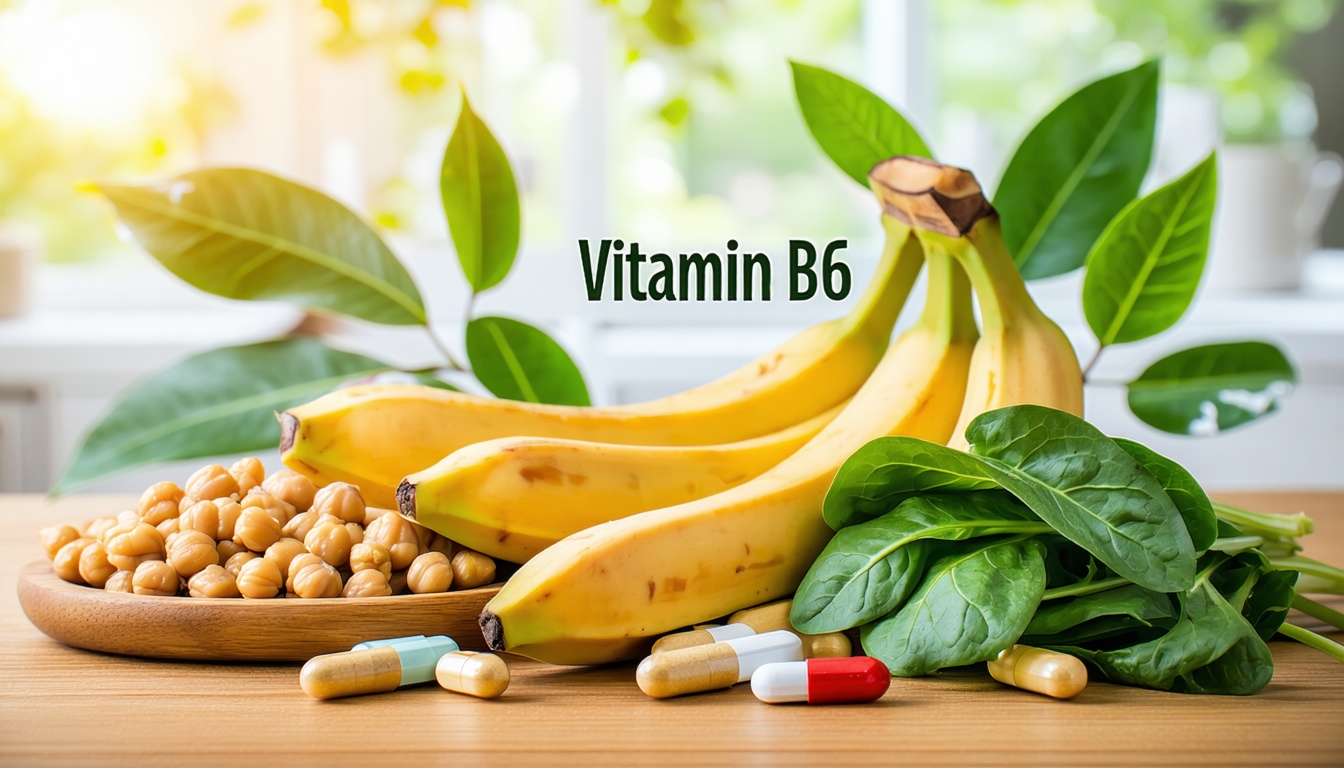
Getting your fill of vitamin B6 through food isn’t as tricky as it sounds. Folks in the U.S. generally do well on this front, with women averaging around 1.5 mg daily and men clocking in at about 2 mg. Here’s a cheat sheet for some tasty foods rich in vitamin B6:
| Food Item | Vitamin B6 Content (mg) per Serving |
|---|---|
| Chicken Breast (3 oz) | 0.6 |
| Fish (like tuna, 3 oz) | 0.7 |
| Potatoes (1 medium) | 0.4 |
| Bananas (1 medium) | 0.4 |
| Chickpeas (1 cup) | 1.1 |
| Fortified Cereals (1 serving) | 0.5 – 1.0 |
| Spinach (1 cup cooked) | 0.4 |
Thankfully, munching on these will usually keep you safe from overdoing it. Variety on your plate is your friend here, helping you keep those vitamin B6 levels on point.
Considerations for Vitamin B6 Supplements
While a balanced diet often does the trick, some might need a little help from supplements. Your age, lifestyle, and even if you’re puffing away on smokes can affect your vitamin B6 stash. Here’s what to mull over if you’re thinking about snagging some vitamin B6 pills:
- Dosage: Keep an eye on your age and gender to nail down the right amount and avoid taking way too much.
- Form Options: Whether you’re into capsules, powders, or good ol’ tablets, pick what suits you best.
- Mix and Match: If you’re in the market for a little more, check out those B combos. A B complex pill might hit the spot.
Give your doc a shout-out before diving into new supplements, especially if you’ve got other meds in your rotation. Worried about clashing with your current cocktail? Always better to ask first. Curious about other B vitamins? Peek at our pages on vitamin B12 supplement and vitamin B complex.
Potential Risks
While vitamin B6 is good for your health, it’s worth keeping an eye on what too much can mean and how it dances with other meds you might be taking.
Watch Out for Overdoing It
Munching on vitamin B6 from grub is usually fine, but knock back too many supplements, and you’re in for trouble. Adults 19 and over should keep it under 100 mg a day. Go too far over, especially with supplements, and you’re asking for big-time health drama. Loads of vitamin B6—think 1 to 6 grams a day for a while—might mess up your nerves, skin, gut, and more (NIH Office of Dietary Supplements).
If you’re reaching for the pill bottle, here’s a quick hit on what too much can lead to:
| What Too Much B6 Might Do |
|---|
| Nerve troubles (like tingling fingers and toes) |
| Trouble walking |
| Major nerve problems |
| Skin issues |
| Stomach woes |
Check-in with a doc before diving into vitamin B6 supplements, especially if you’re already on meds (Mayo Clinic).
How It Plays with Meds
Vitamin B6 can tangle with some meds, either watering them down or cranking up side effects. Here’s a peek at some usual suspects where this might happen:
| Med Type | What Happens |
|---|---|
| Epilepsy meds | Might dull their power |
| Levodopa | Could weaken levodopa’s punch for Parkinson’s folks |
| Some antibiotics | Might mess with how well certain antibiotics work |
It’s smart to chat with your doc before diving into vitamin B6 or any other supplements, especially if you’re juggling meds. Keeping that convo open is key in dodging any unwanted twists and turns with your health.
Want to know more about the vitamin B gang and your options? Check out our deep dives on vitamin B supplements and vitamin B6 supplements.
Special Considerations
Vitamin B6 is a rock star when it comes to keeping your body in harmony, but, just like your favorite band, it needs a good setup to perform. Some folks might hit a few bumps on the road to getting enough of this essential vitamin. Let’s chat about those curveballs and the groups that might need a little extra attention to keep their vitamin B6 levels groovy.
Vitamin B6 Deficiency Risk Factors
Think of these factors as parking tickets on your health windshield that might slow you down in getting that B6 goodness:
| Possible Bumps in the Road | What Gives with These? |
|---|---|
| Liver Troubles | A sluggish liver can hold back vitamin absorption like it’s caught in traffic. |
| Troubled Kidneys | If the kidneys aren’t working well, vitamins might not get to where they need to go. |
| Gut Issues | Conditions like Crohn’s or celiac can make your body play hard-to-get with nutrients. |
| Autoimmune Bittersweet | Your immune system could be remixing how you process nutrients altogether. |
| Puffing Away | Smokers might find their vitamin B6 levels ghosting them more often. |
| Extra Pounds | Carrying extra weight can stir up inflammation, giving nutrients the cold shoulder. |
| Booze Cruise | Too much partying with alcohol means your body might forget how to absorb vitamins properly. |
| Bun in the Oven | With a baby on board, the demand for B6 cranks up especially when dealing with conditions like preeclampsia or eclampsia. |
Neglecting these risks might leave you facing unwelcomed guests like anemia or dermatitis knocking on your health’s front door.
Vitamin B6 in Specific Population Groups
Some groups might find they need to pay a little extra attention at the vitamin B6 bar to keep things lively:
| Who Needs a Little Extra? | Why the Extra TLC? |
|---|---|
| Grandpas and Grandmas | As the birthdays add up, your body’s system might lag a touch in nutrient processing. |
| Moms-To-Be | Growing a life is a big ask and needs more nutrients, including B6, to keep things shipshape. |
| Autoimmune Warriors | Sometimes the body throws a wrench in nutrient absorption; something to watch for. |
| Fans of the Grape | Those with a fondness for alcohol might find their B6 dissipating into thin air. |
| Folks with Gut Woes | Digestive issues like ulcerative colitis can mean vitamins don’t stay long enough for a proper chat. |
Boosting your B6 could mean digging into your diet or perhaps topping up with vitamin B6 supplements, depending on your lifestyle and health needs. As always, though, it’s wise to have a chat with a doc before making any supplement pit stops.
Final Thoughts
Vitamin B6 is a small but mighty component of overall health, especially when it comes to neurological function, metabolism, and immunity. While most people get enough through a balanced diet, certain populations — including older adults, pregnant women, individuals with chronic illnesses, and those with lifestyle risk factors — may benefit from B6 supplementation. However, more isn’t always better. Over-supplementing can lead to nerve damage and other health issues. As always, consulting with a healthcare provider before starting any supplement regimen ensures your choices are safe and personalized.
Frequently Asked Questions (FAQ)
What are the main benefits of Vitamin B6?
Vitamin B6 supports brain function, mood regulation, and energy metabolism. It also helps produce neurotransmitters, maintain healthy nerve function, and regulate homocysteine levels, which may lower the risk of cognitive decline.
What are the symptoms of Vitamin B6 deficiency?
Deficiency in vitamin B6 can lead to symptoms like a scaly facial rash, cracked lips, numbness or tingling in the hands and feet, fatigue, irritability, and even depression or confusion.
How much Vitamin B6 should I take daily?
For adults under 50, the recommended daily intake is around 1.3 mg. For those over 50, it increases slightly — 1.7 mg for men and 1.5 mg for women. Always check the label on supplements and consult a healthcare provider to avoid exceeding the safe upper limit of 100 mg per day.
What foods are rich in Vitamin B6?
Foods such as chicken, fish (like tuna), bananas, potatoes, chickpeas, fortified cereals, and spinach are all excellent sources of vitamin B6.
Are there risks associated with taking too much Vitamin B6?
Yes. High doses of vitamin B6 supplements (usually above 100 mg/day) over extended periods can lead to serious side effects such as nerve damage, numbness, balance issues, and gastrointestinal problems.
Who is most at risk for Vitamin B6 deficiency?
People with kidney or liver disease, smokers, those with alcohol dependence, individuals with autoimmune conditions, pregnant women, and people with malabsorption issues are more likely to experience vitamin B6 deficiency.
Can Vitamin B6 interact with medications?
Yes. Vitamin B6 can interact with medications such as certain epilepsy drugs, levodopa for Parkinson’s disease, and some antibiotics. These interactions may reduce the efficacy of the medication or increase side effects.