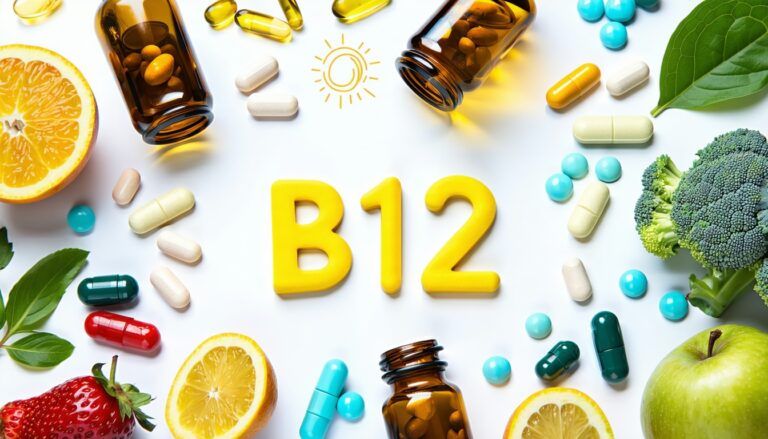


A B Complex Supplement can be a game-changer for your overall health and energy levels, especially if your diet or lifestyle leaves gaps in essential nutrients. ThriveWell’s article explores how this group of eight essential B vitamins plays a vital role in everything from brain function and red blood cell production to hormonal balance and fetal development. Whether you’re pregnant, plant-based, over 65, or managing a health condition, understanding the power of B vitamins can help you make smarter decisions for your well-being.
Benefits of B Complex Supplements
Let’s shine a light on B complex supplements that are a heartthrob for folks looking to shoot up their health game. Pregnant individuals and those curious about testosterone levels, pay close attention!
Importance for Pregnant Individuals
Pregnancy can feel like a whirlwind, but B vitamins—especially folic acid and B12—are superheroes during this time. Think of them as your pregnancy guardians. Folic acid ensures that little nugget’s brain is developing like a champ and keeps scary stuff like birth defects at bay. And it’s not just about the baby—these vitamins pump up energy, take the edge off morning sickness, and help dodge preeclampsia nuisances.
| B Vitamin | What it Does for You and Little One |
|---|---|
| Folic Acid | Builds fetal brain and shields from defects. |
| Vitamin B12 | Fosters brain growth and stops nerve damage. |
If you’re expecting, getting enough B vitamins can make a big difference. Missing out on B12 might even cause serious nerve damage or defects in your little one. Dive deeper into this by checking our vitamin B12 supplement page.
Potential Role in Testosterone Levels
Now, let’s talk testosterone! Some whispers in the research world say B vitamins might have a finger in this pie, too. While the science is still firming up, vitamins like B6 and B12 are pegged as helpers for hormonal harmony.
| B Vitamin | How it Bolsters Testosterone |
|---|---|
| Vitamin B6 | Could help cook up testosterone and keep hormones balanced. |
| Vitamin B12 | Fuels your energy and metabolism, which might boost testosterone. |
Especially for guys or anyone dealing with stress or lifestyle swings, keep an eye on these B vitamins. You wouldn’t want your hormones playing musical chairs, right? For a closer look, head over to our vitamin B complex article.
Thinking of adding B complex supplements to your routine? Consider what you’re munching on, any health quirks, and daily habits to decide if they’re right for you. Getting your B game strong ensures you’ve got the nutrients lining up for tip-top health.
Who Needs B Complex Supplements
Ever wonder if you’ve got enough vitamin B running through your veins? It’s not just a health junkie’s concern; it’s something everyone might need to think about. Some folks could be falling short on B vitamins without even realizing it. Let’s break it down.
B Vitamin Deficiency Risk Factors
Guess what? You don’t have to be living off TV dinners to miss out on B vitamins. Certain groups might find themselves shortchanged, which isn’t exactly ideal for feeling like a superhero. Here are some signs your B-game might be a little weak:
- Pregnant or breastfeeding folks: If you’re carrying or feeding a little one, B vitamins are your best buds. They fuel that tiny brain in your belly and cut down risks of baby boo-boos. They also take the edge off that constant tiredness and, yep, nagging morning sickness (Healthline).
- Golden agers: As our bodies earn those wisdom lines, the superpowers they once had for sucking up nutrients start to fade. Older adults might need a bit more B to keep the pep in their step.
- Plant-based pals: Team vegetarian or vegan? You’re probably rooting for the veggies but missing out on B12, mostly chilling in animal goodies.
- Folks with certain health hiccups: If you’ve got conditions like celiac or Crohn’s, your gut might be playing hide and seek with nutrients, meaning less B for you.
- Medicine takers: Some pills like proton pump inhibitors and metformin can mess with your B vitamin absorption, so talk supplements if that sounds like your pill box (Healthline).
| Risk Group | What’s Up? |
|---|---|
| Pregnant or breastfeeding | Helps grow the little guys’ brains |
| Golden agers | Nutrient absorption hits a speed bump |
| Plant-based peeps | Low B12 as animals host the most |
| Health-conditioned folks | Absorption off the menu |
| Pill poppers | B absorption gets a roadblock |
Higher Recommended Intake for Certain Groups
Some people just need a bigger B boost than others. Huddle up with a health guru if you’re wondering how much you should take. Who should keep an eye out?
- Expecting moms: Get that folic acid up to keep those baby blues at bay.
- Wisdom-filled adults: If you’re over 65, you might want extra B6 and B12 – natural consumption might’ve slowed down a bit.
- Herbivores: Keep an eye on your B12, maybe make friends with a bottle of B supplements.
- Surgery veterans: If you’ve had gastric bypass surgery, topping off on B vitamins could be a solid move.
Feeling like a B complex might be the sidekick you need? We’ve got more on vitamin B12, B12 supplements, and vitamin B6 supplements. Give your lifestyle a look, and consider if a B complex supplement might be your next health hero.
Understanding Vitamin B12
Vitamin B12 is like your body’s backstage crew—it does all kinds of essential stuff like keeping your nerves up to par, popping out healthy red blood cells, and helping to whip up DNA. Knowing the deal about B12 deficiency and how it might mess with your health is key, especially if you’re thinking about loading up on a B complex supplement.
Risks of Vitamin B12 Deficiency
Running low on B12 can throw some annoying health issues your way. Here’s the rundown:
- Anemia: Without enough B12, your body might churn out clunky red blood cells that don’t cut it, leading to fatigue and that dragged-out feeling.
- Brain Fog: Skimp on B12, and your brain might not work like a well-oiled machine; we’re talking mood swings and memory lapses here.
- Heart Trouble: B12 also keeps homocysteine—some fancy word for stuff linked to heart issues—in check. Low B12? Homocysteine spikes.
- Nerve Woes: Ignore low B12 for too long, and you might end up with tingly limbs and other nerve niggles that could stick around.
| Risk | Description |
|---|---|
| Anemia | Fatigue from dodgy red blood cell production. |
| Brain Fog | Possible memory and mood hiccups. |
| Heart Trouble | Higher chance of heart-related hiccups. |
| Nerve Woes | Ongoing nerve-related annoyances. |
Impact on Health Conditions
Not getting enough B12 can stir up or worsen a bunch of health troubles:
- Mood Swings: If you’ve been feeling down or anxious, a B12 shortage might be a sneaky culprit.
- Memory Mishaps: Especially for those wiser with age—low B12 levels can play into forgetfulness or fuzziness.
- Heart Risks: Let high homocysteine hang around, and you could be setting yourself up for artery issues (Healthline).
- Pregnancy Perils: Expecting a little one? You’ll want your B12 levels on point for the baby’s growth and a smoother pregnancy.
Thinking about a vitamin B12 supplement? It’s wise to chat with a healthcare pro who can steer you toward the right choices for keeping your vitamin levels in check.
Considerations Before Supplementing
When to Consider B Complex Supplements
Thinking about taking a B complex supplement? It’s a good move if you’ve got a deficiency in any B vitamins floating around in there. Most folks get their B vitamins from munching on a balanced diet of meats, dairy, eggs, beans, and whole grains. But certain people—like those over 65 or pregnant individuals—might need a little extra boost. If your plate doesn’t scream “B-packed”, or if you’re feeling off with symptoms like these, it’s time to chat with someone about popping a supplement into your routine.
Here’s a handy quick-look table to see if you should be thinking of adding B vitamins to your daily grind:
| B Vitamin Lacking | Signs |
|---|---|
| Vitamin B1 (Thiamine) | Feeling tired, cranky, or slow reflexes |
| Vitamin B2 (Riboflavin) | Cracks in the corners of your lips, sore throat |
| Vitamin B3 (Niacin) | Skin troubles, fatigue, brain fog |
| Vitamin B6 (Pyridoxine) | Anemia, the blues, low immunity |
| Vitamin B12 (Cobalamin) | Fatigue, weakness, nerve tingles |
| Folate (Vitamin B9) | Sleep troubles, crankiness, forgetfulness |
Curious about individual B vitamins? Be sure to peek at our deep dives on vitamin B12, vitamin B6 supplements, and general vitamin B supplements.
Consultation with Healthcare Professional
Before you start tossing back supplements like candy, have a chat with your healthcare buddy. They can help you work out if a B complex supplement fits your needs and how much you should take. Going all in without a confirmed Bs deficiency is sort of like buying a new pair of shoes without checking your size – it’s just not smart.
Ready to spill the beans to your doctor? Have a list of your meals, any weird body hints you’ve been noticing, and other meds you’re on. This info gives your doc what they need to help you tweak your nutrition game for the better.
Staying on top of those check-ins with your doc helps keep your vitamin levels where they should be. Need more juice about the highs and lows of B vitamins? Scoot over to vitamins B12 and B12 supplements for the full scoop.
Elements of B Complex
Overview of B Vitamins
B complex supplements round up a crew of B vitamins, primed and ready to bolster your health game. Here’s the lineup:
- Thiamine (B1)
- Riboflavin (B2)
- Niacin (B3)
- Pantothenic Acid (B5)
- Pyridoxine (B6)
- Biotin (B7)
- Folate (B9)
- Cobalamin (B12)
These vitamins bring their A-game to the table! They jazz up energy production, pump up heart health, and keep those cells in tip-top shape. You’ll get all eight B vitamins when you grab a B-complex supplement, so your daily nutritional checklist’s as good as ticked WebMD, Healthline.
Functions and Daily Intake
Each B vitamin is a multitasking powerhouse with its daily intake suggestions. Here’s a cheat sheet to keep you in the know:
| B Vitamin | Function | Recommended Daily Intake (RDI) |
|---|---|---|
| B1 (Thiamine) | Turns carbs into energy | 1.2 mg (men), 1.1 mg (women) |
| B2 (Riboflavin) | Cranks out red blood cells | 1.3 mg (men), 1.1 mg (women) |
| B3 (Niacin) | Shakes up metabolism and fixes DNA | 16 mg (men), 14 mg (women) |
| B5 (Pantothenic Acid) | Drives fatty acid production | 5 mg (grown-ups) |
| B6 (Pyridoxine) | Works on amino acids | 1.3 mg (grown-ups) |
| B7 (Biotin) | Boosts hair, skin, and nail glow | 30 mcg (grown-ups) |
| B9 (Folate) | Makes DNA | 400 mcg (grown-ups) |
| B12 (Cobalamin) | Keeps nerves and blood cells in line | 2.4 mcg (grown-ups) |
Daily intake is not a one-size-fits-all deal—different strokes for different folks when it comes to age and health. If you think you’re missing out, give your doc a call to nail down what fits you best Healthline.
A B complex supplement could be your new buddy if your meals are, let’s say, lacking in color. And hey, if you fancy a deep dive into any of these champs, check out our pieces on vitamin b6 supplements and vitamin b12 for juicy nuggets of info.
Safety and Side Effects
Risks of Excessive B Vitamin Intake
B complex supplements usually play nice with your body when you stick to suggested doses. But if you treat them like candy, you might be in for trouble. Mega-doses of B3 (niacin) or B6 can cause some serious issues like messing with your liver or nerves. So, it’s smart to not let extra vitamins pile up without reason.
Most B vitamins don’t hang around in your system because they get flushed out in your pee. Don’t freak out if your urine looks like a yellow highlighter exploded–it’s just your body’s way of getting rid of what it doesn’t need (Healthline). Here’s a quick guide on daily limits and what happens if you go overboard:
| Vitamin | Recommended Daily Limit (mg) | Possible Overdoing Issues |
|---|---|---|
| Vitamin B1 (Thiamine) | 1.2 (men), 1.1 (women) | Rarely bothersome |
| Vitamin B3 (Niacin) | 16 (men), 14 (women) | Facing liver trouble |
| Vitamin B6 (Pyridoxine) | 1.3 – 2.0 (varies by age) | Nerve issues might occur |
| Vitamin B12 (Cobalamin) | Unlimited safely | Generally no sweat |
Safety Precautions and Dosage Recommendations
Before you grab a B complex supplement off the shelf, chatting with your doctor is wise, especially if you’re juggling health stuff or popping pills for other conditions. Keep an eye on these:
- Got allergies to any supplement bits? Your doctor should know.
- Dealing with diabetes, liver quirks, or a vitamin B12 shortage? Better hit up the medical advice before diving into B supplements (WebMD).
- Follow the suggested dose on the bottle whether you’re scooping up capsules, chewing tablets, or chugging liquid.
Eating a diet rich in B vitamins and topping up with supplements when it’s tough to get your fill from food can keep your vitamin levels on track. Dive into more deets about vitamin B through our guides on vitamin b, vitamin b complex, and vitamin b12 supplements.
Final Thoughts
B complex supplements aren’t just for health enthusiasts—they offer crucial support for many people navigating the challenges of pregnancy, aging, dietary restrictions, and chronic health conditions. ThriveWell’s breakdown highlights how these vitamins work together to support energy, brain function, mood regulation, and more. However, before diving into supplementation, it’s wise to speak with a healthcare professional to identify your unique needs and avoid unnecessary or excessive intake. With the right guidance, a B complex supplement can be a simple yet impactful way to upgrade your health routine.
Frequently Asked Questions (FAQ)
What is included in a B complex supplement?
A B complex supplement typically includes eight B vitamins: B1 (thiamine), B2 (riboflavin), B3 (niacin), B5 (pantothenic acid), B6 (pyridoxine), B7 (biotin), B9 (folate), and B12 (cobalamin). Together, they support energy production, brain function, metabolism, and cell health.
Who should consider taking a B complex supplement?
People who may benefit include pregnant or breastfeeding individuals, older adults, vegetarians or vegans, individuals with malabsorption issues (like celiac or Crohn’s disease), and those taking medications that affect B vitamin absorption.
Can B complex supplements affect testosterone levels?
While research is still developing, some B vitamins—especially B6 and B12—are believed to support hormonal balance and energy levels, which may influence testosterone production indirectly.
Are there side effects to taking too much B complex?
Most B vitamins are water-soluble and flush out through urine, but high doses—particularly of niacin (B3) and pyridoxine (B6)—can cause side effects such as liver issues or nerve problems. Always follow recommended dosages and consult a healthcare provider.
How can I tell if I’m deficient in B vitamins?
Symptoms vary by vitamin but may include fatigue, brain fog, mood swings, cracked lips, anemia, or tingling in the hands and feet. If you suspect a deficiency, it’s best to seek medical advice and testing.
Should I talk to a doctor before starting a B complex supplement?
Yes, especially if you are pregnant, over 65, have chronic health conditions, or take regular medications. A healthcare provider can recommend the right dosage and ensure the supplement fits your specific health needs.