
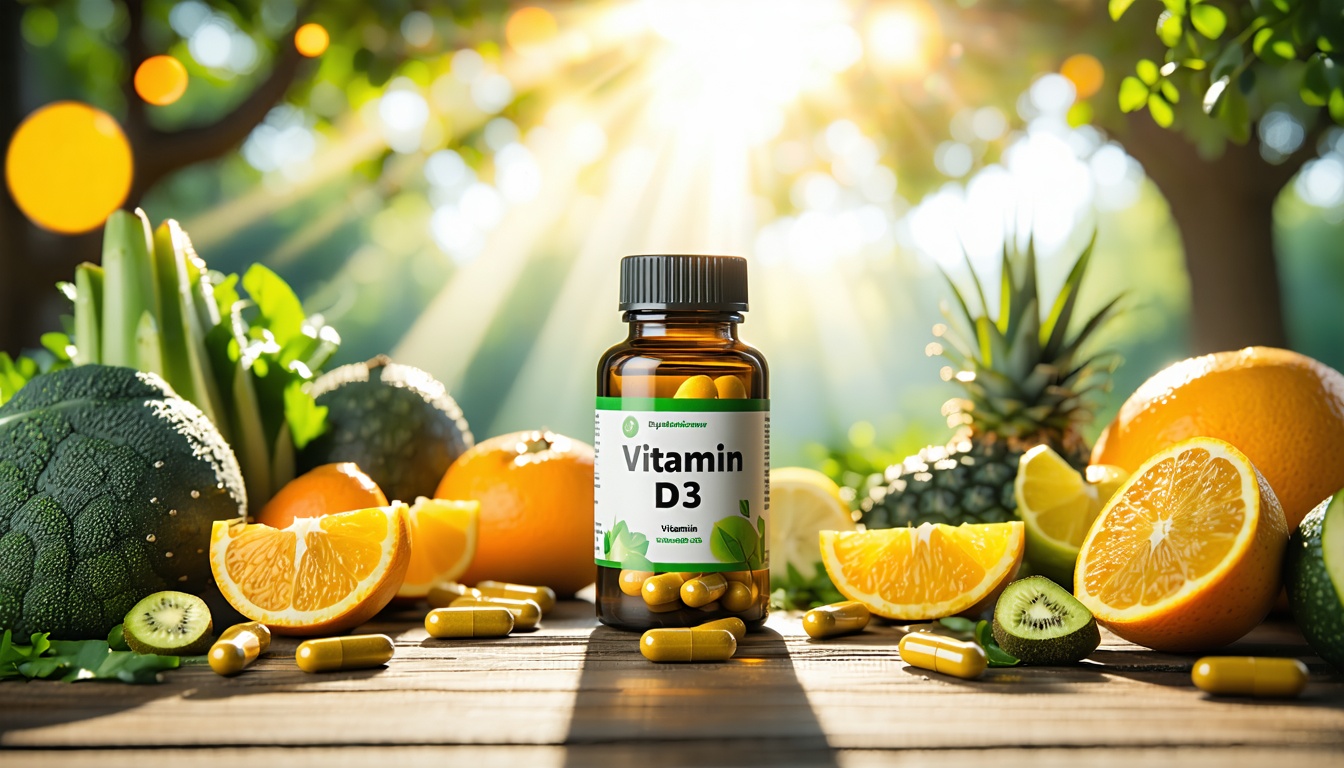
A Vitamin D3 supplement isn’t just another bottle in your wellness cabinet—it’s a powerful ally in supporting bone strength, muscle function, immune defense, and overall vitality. While some of this essential nutrient can be gained from food and sun exposure, modern lifestyles, age, body composition, and even skin tone can make it hard to get enough. That’s why more individuals are turning to high-quality D3 supplements to fill the gap and stay on top of their health game.
Understanding Vitamin D
Importance of Vitamin D
So, why’s everyone buzzing about Vitamin D? Because it’s a powerhouse for keeping you in tip-top shape. This vitamin’s a superstar when it comes to building and maintaining strong bones by helping your body soak up calcium like a sponge. Imagine your body trying to make do without Vitamin D—like a car running on fumes! It’s especially crucial for you ladies who’ve bid farewell to menopause, packing an extra punch against osteoporosis (WebMD).
But that’s not all. Vitamin D’s got more tricks up its sleeve—boosting muscle strength, ensuring your nerves are firing on all cylinders, and giving your immune system a solid hand NIH Office of Dietary Supplements. To make sure you’re all stocked up, get some sunshine, toss some D-rich foods into your cart, or consider a supplement for a health boost!
Functions of Vitamin D
There’s more to Vitamin D than just keeping your bones happy. Take a peek at what else it gets up to:
| What It Does | How It Helps |
|---|---|
| Calcium Absorption | Think of it as a helper, making sure calcium sticks around for strong bones and shiny teeth. |
| Muscle Strength | Keeps those muscles in check, slashing the odds of trips and spills, especially for the seasoned folks. |
| Immune Support | Armors your body against nasty bugs, fortifying your defenses! |
| Nerve Function | Ensures smooth sailing for your nerves so everything runs as it should. |
Though you’ll find a dash of vitamin D in egg yolks, cheese, and some fatty fish, it’s often a light sprinkle. If you’re mulling over a supplement, particularly vitamin D3, check out our detailed guide on vitamin d supplement and vitamin d3. Finding the right fit will keep this essential nutrient working hard for you all year round!
Factors Affecting Vitamin D Levels
Thinking about a vitamin D3 supplement? Let’s see the different pieces of the puzzle that shape your vitamin D levels. Key players here are your weight, skin type, and how often you catch some rays.
Body Weight and Vitamin D
Heavier folks often show lower vitamin D readings. While vitamin D isn’t a magic bullet for weight loss, it’s all tangled up with weight and fat. Body fat tends to hog the vitamin D, keeping it from doing its job effectively. If you’re carrying extra pounds, slipping some vitamin D3 into your routine might be a good idea to keep your levels where they should be.
Skin Tone and Vitamin D
Got darker skin? Your body has to work extra to make vitamin D from sunlight because of higher melanin levels. This natural skin pigment can put a damper on vitamin D production, which could mean a deficiency risk is higher (Healthline). If your skin leans to the darker side, it might be wise to keep tabs on your vitamin D levels and chat with a healthcare provider about a possible vitamin D3 boost.
Sunlight Exposure and Vitamin D
Sunlight is the big boss when it comes to vitamin D. If you live miles away from sunny spots, you might need to grab some extra vitamin D via diet or supplements to keep your levels up. The word on the street is that folks in these areas should be aiming for about 1,000 IU (25 mcg) of vitamin D3 a day (Healthline).
Older adults often miss out on enough sunlight, which can mess with their vitamin D intake. If you’re in this group, a chat with a healthcare professional to sort out your vitamin D game plan might just be the ticket.
Keeping these factors in mind can help you make smarter choices about getting your vitamin D3 and keeping your body’s needs in check.
Recommended Vitamin D Intake
Getting your head around how much vitamin D you should have is key to staying spry and healthy. Let’s break down the daily dose, the scoop on D2 vs. D3, and what certain folks might need more of.
Recommended Daily Intake
In the U.S., you’re likely covered if you snag 400–800 International Units (IU) or 10–20 micrograms (mcg) of vitamin D per day (Healthline). The Institute of Medicine puts it at 600 IU for the young adults and bumps it up to 800 IU for those over 70. But some smart folks reckon adults could go for 1,500 to 2,000 IU and be all the better for it.
| Age Group | Recommended Daily Intake (IU) |
|---|---|
| Young Adults | 600 |
| Adults 70+ | 800 |
| Adults (higher needs) | 1,500 – 2,000 |
Differences Between Vitamin D2 and D3
Vitamin D comes in two main forms: D2 (ergocalciferol) and D3 (cholecalciferol). Even though both types up your vitamin D game, D3 is like the VIP. Studies show that it can boost vitamin D levels more and keep them steady longer than D2 (NIH Office of Dietary Supplements).
| Vitamin D Form | Description | Effectiveness |
|---|---|---|
| D2 (Ergocalciferol) | Plant-based source | Not as strong, shorter-lasting |
| D3 (Cholecalciferol) | Animal-based source | Packs a better punch, lasts longer |
Special Population Needs
Certain groups might need a bit more vitamin D loving. This includes breastfed infants, folks with darker skin, people carrying extra weight, and those who’ve had gastric bypass. Plus, if you’re dealing with conditions like ulcerative colitis or Crohn’s disease that mess with fat absorption, more vitamin D might be on the menu.
Sorting out these doses and differences lets you make smart moves about vitamin D3 supplements. Want more sunny side-source info? Peek at our vitamin for sun guide or see what the fuss about vitamin D3 and K2 supplements is all about.
Sources of Vitamin D
Getting enough vitamin D is a real game-changer for your health, especially when you’re eyeing a vitamin D3 supplement. We’ll show you the ins and outs of loading up on vitamin D from food and fortified stuff that’ll hit your daily goals.
Food Sources of Vitamin D
You’ve got some tasty players in the vitamin D lineup, mainly D2 and D3. On your plate, you’ll want fatty fish, egg yolks, and some weird yet wonderful organ meats. Meet a few all-stars packed with the good stuff:
| Food Item | Serving Size | Vitamin D Content (IU) | % Daily Value (DV) |
|---|---|---|---|
| Farmed Atlantic Salmon | 3.5 ounces (100g) | 441 | 55% |
| Wild-Caught Salmon | Varies | Higher than farmed | Varies |
| Cod Liver Oil | 1 tablespoon | 1360 | 170% |
| Egg Yolks | 1 large | 37 | 5% |
| Beef Liver | 3.5 ounces (100g) | 49 | 6% |
| Oily Fish (Tuna, Mackerel) | Varies | 200-600 | Varies |
Fatty fish like salmon and others top the charts for vitamin D3, the MVP in ramping up your body’s vitamin D. Many folks are reaching for vitamin D cholecalciferol and vitamin D calciferol when it comes to boosting with pills.
Fortified Foods with Vitamin D
Can’t get enough from your usual eats? No sweat. A bunch of foods are fortified to help you hit those vitamin D numbers. In the good ol’ USA, check out the usual suspects:
| Food Item | Serving Size | Vitamin D Content (IU) | % Daily Value (DV) |
|---|---|---|---|
| Fortified Cow’s Milk | 1 cup (8 ounces) | 111 | 14% |
| Fortified Orange Juice | 1 cup (8 ounces) | 137 | 17% |
| Fortified Yogurt | 1 cup | 80-100 | 10% |
| Fortified Breakfast Cereals | 1 serving | Up to 100 | Varies |
| Fortified Soy Milk | 1 cup (8 ounces) | 100 | 12% |
These fortified goodies come in clutch, especially if you’re avoiding the sun or on a special diet. Since these aren’t naturally rich in vitamin D, tossing them into the mix can really boost what you’re getting (Healthline, Mayo Clinic Q&A).
Try weaving in a combo of real foods and these fortified gems to keep your vitamin D levels on point, pairing them with your trusty vitamin D supplements.
Vitamin D Supplements
Let’s chat about Vitamin D, specifically vitamin D3, and why it’s worth considering for your health toolkit. It’s a good idea to get the gist of how these supplements can fit into your daily routine, be aware of any warnings, and know how they might mix with other meds.
Why Bother with Supplements?
Vitamin D, especially the D3 kind, is like a multitool for your body. It’s your sidekick in making sure you’ve got enough calcium, keeping those bones strong and ready for action. Now, if you’re comparing vitamin D3 with D2, cheers to D3 for being the overachiever in boosting those vitamin levels in your bloodstream (Healthline).
Adding a vitamin D3 supplement can be your secret weapon against bone thinning, a concern if you’re eyeing the later years or at risk of osteoporosis. Dimming your confusion, the general consensus is around 400 IU for little ones under a year, 600 for those from 1 to 70, and 800 for the wise ones over 70 (Mayo Clinic).
| Age Group | Recommended Daily Intake (IU) |
|---|---|
| Infants (up to 12 months) | 400 |
| Children & Adults (1-70 years) | 600 |
| Older Adults (over 70 years) | 800 |
When Too Much is Too Much
Yeah, vitamin D is sunshine in a bottle, but knock back too much, and it’s a one-way ticket to Troubletown. Going beyond 4,000 IU daily could slap you with a vitamin D hangover. We’re talking too much calcium cranking up nausea, making you visit the bathroom more often, and even messing with your head (Mayo Clinic).
If your blood levels decide to party too hard over 100 ng/mL, it’s excess city. At 150 ng/mL, you’re into intoxication territory. Play it cool, and aim for a sweet spot between 30–60 ng/mL for your vitamin D checks (Healthline).
Watch Out for Mix-Ups
Vitamin D3 isn’t just along for the ride; it’s particular with its chemical company. Some meds might not play nice, taking a toll on how well your body absorbs it. If you’re using bile acid sequestrants or orlistat, they might just toss a wrench in the process. To avoid the drama, try spacing out your vitamin D3 dose a couple of hours before or after these meds.
Getting a handle on how your trusty vitamin D3 interacts and the potential hiccups along the way is key. Chat with your doctor before you start popping any new pills, especially if you’ve got other meds in the mix. If you’re hungry for more info, check out our takes on vitamin d cholecalciferol and vitamin d supplements for women.
Health Implications of Vitamin D
Bone Health and Vitamin D
Vitamin D is your skeleton’s best buddy, playing a huge part in keeping your bones strong and your muscles working right. It’s like the key that unlocks the door to calcium and phosphorus absorption, which are super important for building sturdy bones. Vitamin D3 steps up to help tackle problems like rickets and osteomalacia, making sure your bones don’t feel wobbly like Jell-O (WebMD).
How much vitamin D do you need? Well, it depends on your age. Little ones need about 400 international units (IU), while teens and grown-ups (up to 70) need around 600 IU. If you’re over 70, it’s up to 800 IU. Without enough of this sunshine vitamin, your bones could turn fragile, boosting the chance of osteoporosis and those unpleasant breaks.
| Age Group | Recommended Daily Intake (IU) |
|---|---|
| Babies (up to 12 months) | 400 |
| Kids & Adults (1 to 70 years) | 600 |
| Seniors (over 70 years) | 800 |
Vitamin D and Cancer Risk
There’s buzz about vitamin D possibly playing a part in the fight against cancer. Higher levels in your blood might mean lower odds of getting hit by certain cancers like colorectal, prostate, and even pancreatic. Though vitamin D pills might not stop cancer in its tracks, they could help with reducing the grim stats related to dying from it.
So, keeping your vitamin D up to snuff might just be a sidekick in your cancer prevention playbook.
Vitamin D Deficiency Related Conditions
Low vitamin D? That spells trouble. Kids might get rickets, leaving them with bones softer than they should be. Meanwhile, teens and grown-ups could face osteomalacia, where bones turn into a painful mess. But it doesn’t stop there—other troubles like multiple sclerosis, rheumatoid arthritis, chronic pain, diabetes, high blood pressure, heart issues, and some cancers could sneak up when you’re low on vitamin D (Mayo Clinic Q&A).
All this underscores why making sure you’ve got enough vitamin D is key to staying healthy. Thinking about popping a supplement to boost your vitamin D levels? Consider checking out vitamin D3 supplements as a handy option for keeping your health in top shape.
Final Thoughts
Whether you’re trying to maintain bone density, support immune resilience, or simply improve your general wellness, incorporating a vitamin D3 supplement into your routine can be a smart, proactive choice. With factors like age, weight, sun exposure, and skin pigmentation affecting natural vitamin D levels, it’s important to understand your personal needs. The science is clear: vitamin D3, the more potent and longer-lasting form compared to D2, offers real benefits. Consult your healthcare provider to determine your optimal dosage and make vitamin D3 a consistent part of your daily routine.
Frequently Asked Questions (FAQ)
What is the difference between vitamin D2 and D3?
Vitamin D2 (ergocalciferol) comes from plant sources, while D3 (cholecalciferol) is derived from animal sources. D3 is more effective at raising and maintaining vitamin D levels in the bloodstream.
How much vitamin D3 should I take daily?
General guidelines suggest 600 IU for adults under 70 and 800 IU for those over 70. Some individuals may benefit from higher doses (1,500–2,000 IU), especially if they have certain health conditions or limited sun exposure.
Who should consider taking a vitamin D3 supplement?
People with darker skin tones, those living in less sunny climates, older adults, individuals with higher body fat, and those with limited dietary intake of vitamin D-rich foods may benefit most from supplementation.
Can I get enough vitamin D from food alone?
It’s challenging. While fatty fish, egg yolks, and fortified products contain vitamin D, most people do not consume enough to meet daily needs, making supplementation a practical solution.
Are there risks to taking too much vitamin D3?
Yes. Taking more than 4,000 IU per day can lead to toxicity, causing symptoms like nausea, kidney issues, or high blood calcium levels. Always follow recommended dosages or consult your healthcare provider.
Does vitamin D3 help with conditions beyond bone health?
Yes, research suggests that sufficient vitamin D3 levels may help reduce the risk of certain cancers, support nerve function, and play a role in managing chronic conditions like diabetes, heart disease, and autoimmune disorders.