
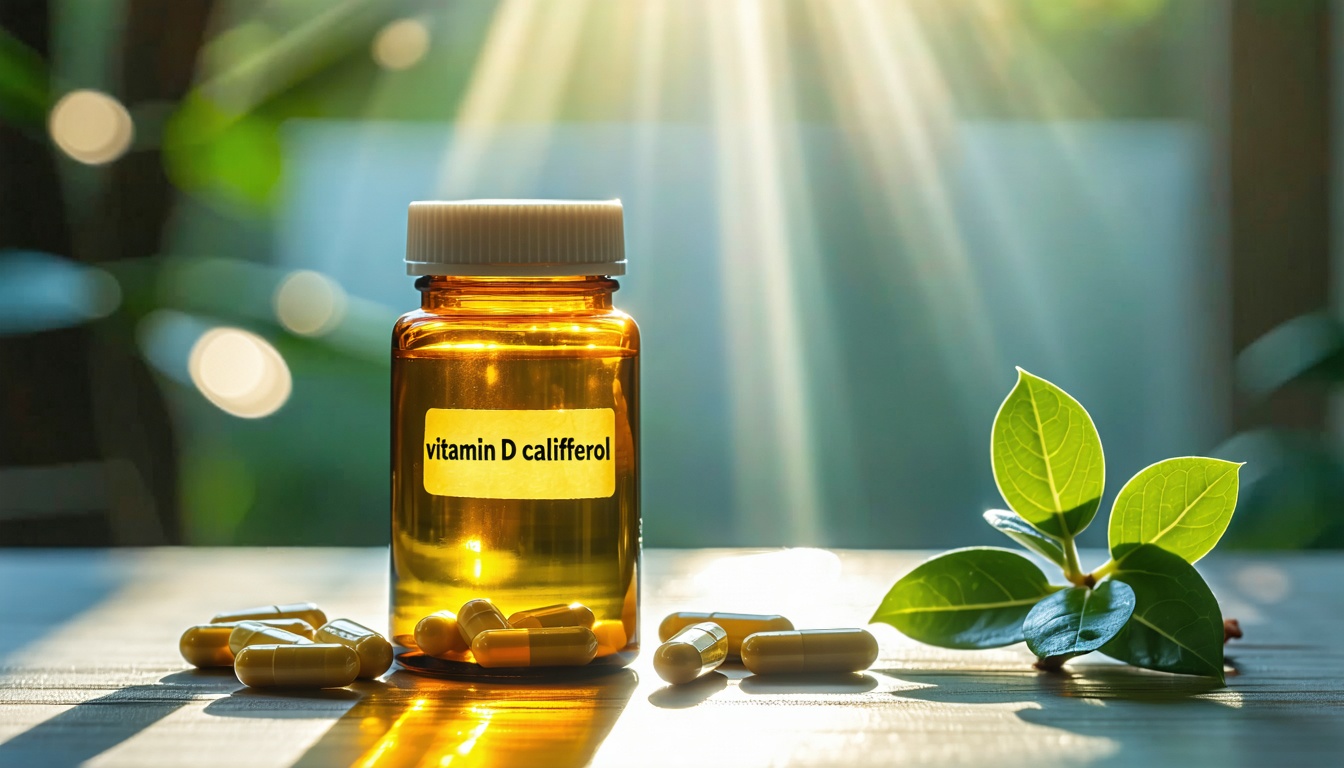
Vitamin D Calciferol is a vital nutrient your body needs to maintain strong bones, a robust immune system, and overall well-being. Often referred to as the “sunshine vitamin,” it helps your body absorb calcium, regulate immune responses, and prevent bone-related conditions such as rickets, osteomalacia, and osteoporosis. Whether you’re soaking up sunlight, incorporating vitamin-rich foods into your diet, or exploring supplement options, understanding the full spectrum of vitamin D’s benefits is essential for long-term health.
Understanding Vitamin D
Importance of Vitamin D
Vitamin D, particularly the kind called calciferol, is super important for keeping your body running smoothly. It’s the magic key that helps your body absorb calcium in the gut, which is needed to build strong bones and prevent problems like rickets in kids and soft bones (osteomalacia) in grown-ups. For the older folks, getting enough Vitamin D can be your armor against osteoporosis—that pesky thing that makes bones brittle and easy to crack.
Think of your Vitamin D status like a report card, with the serum concentration of 25(OH)D being your grade:
| Serum Concentration (nmol/L) | Vitamin D Status |
|---|---|
| Below 30 | Deficiency |
| 30 – 50 | Needs Improvement |
| 50 or higher | A-OK |
| Above 125 | Maybe Too Much |
For more nitty-gritty details, check out our deep-dive article on vitamin d supplement.
Sources of Vitamin D
You can stock up on Vitamin D through a bunch of ways. Mother Nature hands it out for free when you bask in sunlight, as UV rays get your skin to make Vitamin D on its own. But for those of us who don’t see much sun, there are dietary goodies to turn to:
| Food Source | Vitamin D Content (IU per serving) |
|---|---|
| Fatty fish (e.g., salmon, mackerel) | 400 – 600 |
| Cod liver oil | 1,360 |
| Fortified milk | 100 – 120 |
| Fortified cereals | 40 – 100 |
| Egg yolk | 37 |
Folks more likely to be short on Vitamin D include breastfed babies, older adults, people who mostly stay indoors, and those with darker skin. If that sounds like you or someone you know, supplements might be the way to go. Swing by our sections on vitamin d3 supplement and vitamin d2 supplement for the scoop.
Getting your fill of Vitamin D is not just a bone thing—it’s a whole-body health hero, keeping your system strong and ready to roll.
Vitamin D Deficiency
Lack of vitamin D isn’t a problem to brush off. Millions globally feel the effects of low vitamin D, and being aware of what ramps up your risk can help tackle any potential issues.
Risk Factors
Some things can put you at a higher risk for missing out on vitamin D. Keeping these in mind can help you decide if you need to adjust your routine or consider getting an extra boost. Here’s a table sticking out the key points:
| Risk Factor | Description |
|---|---|
| Limited Sun Exposure | If the sun’s not in your day-to-day, your body might miss out on making enough vitamin D. |
| Dark Skin | More melanin in darker skin can mean less vitamin D production from the sun. |
| Obesity | Extra body fat can “hide” vitamin D, keeping it from doing its thing in your system. |
| Fat Malabsorption | Issues like celiac disease or cystic fibrosis may interfere with absorbing vitamin D. |
| Age | Getting on in years often means your skin isn’t as good at making vitamin D. |
| Breastfed Infants | Babies fed only breast milk might need extra vitamin D to avoid deficiency. |
Nearly 25% of adults in the U.S. have less vitamin D than needed (NIH), and about a billion people worldwide fall short of healthy levels (Cleveland Clinic).
Symptoms of Deficiency
Knowing the signs of vitamin D deficiency is key for nipping it in the bud. See the table below for what to watch out for:
| Symptom | Description |
|---|---|
| Fatigue | Feeling run-down or low on energy could be your body’s call for more vitamin D. |
| Bone Pain | As a vitamin crucial for bone strength, not having enough can make bones ache. |
| Muscle Weakness | Things might feel heavier or tougher to handle without enough vitamin D. |
| Mood Changes | This vitamin has been linked to mental well-being, with shortages possibly affecting your mood. |
Seeing these signs? Have a chat with a healthcare pro about possible tests or supplements. Need more help with upping your vitamin D game? Check out our simple guide on vitamin d supplement and vitamin d3 supplements. For insights on types of vitamin D, like vitamin d cholecalciferol and vitamin d2 supplements, our articles have got it all covered.
Health Benefits of Vitamin D
Vitamin D, often hiding under the fancy name calciferol, is like your body’s sunshine superstar. It’s got some impressive tricks up its sleeve, mainly helping you keep those bones strong and your immune system fighting fit.
Bone Health
So, here’s the lowdown on your bones: Vitamin D is their best friend. It helps your body grab onto calcium from your diet, which is key for keeping those bones nice and sturdy. Without enough vitamin D, you’d be at risk for things like rickets (soft bones in kids) and osteomalacia (ouchy weak bones in grown-ups). Plus, if you’re past the point of debating what to do about gray hairs, this vitamin could be your secret weapon against osteoporosis, a condition where bones become fragile and fracture-prone.
| Health Benefit | What It Does for You |
|---|---|
| Calcium Helper | Boosts calcium absorption from your food |
| Bone Builder | Essential for growing and maintaining solid bones |
| Stops Bone Softening | Guards against bone weakness due to low vitamin D |
| Fights Osteoporosis | Helps keep your bones fracture-free as you age |
Immune System Support
Now, onto your body’s defense squad—the immune system. Vitamin D plays a hand here, too, making sure your immune cells are doing their job. It regulates how your body deals with inflammation, which is critical because, let’s face it, no one wants to be floored by the flu. Especially given how germs seem to love the same seasons we do.
| Immune Function | Vitamin D’s Role |
|---|---|
| Immune Cell Boss | Keeps T-cells and macrophages in line |
| Inflammation Control | Calms down over-the-top immune reactions |
| Busts Bugs | Boosts your body’s ability to ward off nasties |
Thinking of adding a vitamin D supplement to your routine? You’re onto something. Whether it’s vitamin D3 or D2, it’s a good move for keeping those bones intact and your immune system ready to take on whatever. Check out our vitamin D goodies for more scoop.
By knowing what vitamin D can do for you, you’ll see why it deserves a spot in your health toolkit. Bone health and keeping those pesky colds at bay—what’s not to love?
Sun Exposure and Vitamin D
Sun Exposure Recommendations
To give your Vitamin D levels a nice boost with a bit of sunshine, it helps to know how much sunlight your skin is soaking up and what that means for you depending on where you are in the world. Research shows that sun exposure needs can differ quite a bit based on where you live and the time of year.
| Where You Are | Time of Year | Sunbathing Time (With 25% Skin Out) |
|---|---|---|
| Valencia, Spain | Spring/Summer | 8 – 10 minutes |
| Winter | 2 hours | |
| Miami, FL | Summer | 3 minutes |
| Boston, MA | Winter | 23 minutes |
You can think of Vitamin D as a kind of sunlight savings account stored in your fat cells. Regular sun exposure can fill that account, which helps your bones stay strong even when the sun hides away. For those wanting top-notch Vitamin D production, midday when the sun is high packs the best punch (UCLA Health).
Impact of Sunscreen
Here’s a hot topic: does sunscreen stop you from getting enough Vitamin D? Studies show that even when slathered in sunscreen, most folks can still soak up enough sunshine to keep those vitamin levels in check. Sunscreen lets some UV rays slip through, so you’re still getting some benefits (NCBI).
It’s super important to shield your skin from those harsh UV rays, so while extra protection might slightly cut down on your Vitamin D production, the perks of wearing sunscreen mean less skin damage and a lower risk of skin cancer. If the sunshine isn’t shining your way enough to meet your Vitamin D needs, look into taking supplements or chat with a healthcare pro about what might be best for you when it comes to vitamin d supplements.
Vitamin D Supplements
If you’re not soaking up enough sun or missing out on dietary sources, vitamin D supplements might be just what the doctor ordered. Let’s break down the options and help you figure out the best dosage for your needs.
Types of Supplements
The superstar in the vitamin D lineup is cholecalciferol, or vitamin D3. It comes in many shapes, so you can pick the one that suits you best. Check out these common types:
| Supplement Type | Description |
|---|---|
| Capsules | Small and simple to gulp down. |
| Gel Capsules | Squishy and gentle on the tummy. |
| Chewable Gels (Gummies) | Sweet treat that’s good for you. |
| Tablets | Classic pill that might need a swig of water. |
| Liquid Drops | Mixes easily into your food or drink, perfect for the kiddos. |
You can take D3 on its own or mixed with other vitamins and minerals. Need more info on specifics? Dive into our guides on vitamin D3 and vitamin D2.
Dosage and Usage
How much vitamin D you need isn’t a one-size-fits-all answer—it depends on your age, health, and lifestyle. Usually, folks take cholecalciferol once or twice a day, but don’t skip out on the calcium if you’re aiming to keep those bones strong. Consider loading up on dairy or grab a calcium supplement if necessary (MedlinePlus).
Here’s a quick look at what’s normally recommended:
| Age Group | Recommended Daily Dosage |
|---|---|
| Infants (0-12 months) | 400 IU |
| Kids (1-18 years) | 600 IU |
| Adults (19-70 years) | 600 IU |
| Seniors (70+ years) | 800 IU |
Keep munching on your usual foods unless a doctor gives you different advice. And seriously, chat with a healthcare pro before jumping into new supplements, especially if you’re juggling meds (MedlinePlus).
You might also want to pair your D3 with vitamin K2 for an extra boost to your bones. Curious about how they work together? Check out our deep dive on vitamin D3 and K2.
Safety and Risks
When you’re thinking about popping a vitamin D calciferol pill, it’s good to stay clued up on possible safety mumbo jumbo and what could happen if you go overboard or mix it with other meds.
Toxicity Concerns
Going overboard with vitamin D isn’t all that common, but if it happens, it’s no party. You might find yourself swimming in high calcium levels in your blood, fancily called hypercalcemia, which could mess with your health big time. If you’re feeling queasy, throwing up, scratching your head in confusion, constantly thirsty, or peeing out kidney stones – you might be in the danger zone. Naturally, eating foods filled with vitamin D or catching some sun shouldn’t reach these levels, but sticking to suggested doses for supplements is the way to go (Healthline).
| Vitamin D Level | Status |
|---|---|
| Less than 30 nmol/L (12 ng/mL) | Not enough |
| 30 to 50 nmol/L (12–20 ng/mL) | Could be lacking |
| 50 nmol/L (20 ng/mL) or higher | You’re good |
Having a chat with your doc before jumping on the vitamin D bandwagon is smart, especially if you’re already dealing with other health stuff or megadosing on other meds.
Interaction with Medications
Vitamin D can shake things up when mixed with some meds, causing unexpected side effects. Here’s what’s on the radar:
- Corticosteroids: These may stop calcium from doing its thing and make vitamin D less efficient.
- Anticoagulants: Blood thinner levels might go bonkers with vitamin D in the mix; so, better keep an eye out.
- Weight Loss Medications: Some of these could mess with how your body absorbs fat-soluble vitamins, like vitamin D.
Give your healthcare sidekick a full scoop on whatever you’re taking, especially if it involves vitamin D3, to dodge bad interactions with your prescribed stuff. Keeping tabs on your vitamin D levels is a neat trick to stay on the safe side.
Final Thoughts
Vitamin D, particularly in its calciferol form, plays a crucial role far beyond bone health. From enhancing immunity to supporting muscle function and mood, it’s an indispensable part of a balanced wellness routine. For those at risk of deficiency—whether due to limited sun exposure, age, skin tone, or diet—supplementation offers a practical solution. However, it’s essential to find the right form and dosage, ideally in consultation with a healthcare provider. Taking steps today to optimize your vitamin D levels could lead to stronger bones, better immunity, and a brighter outlook for years to come.
Frequently Asked Questions (FAQ)
What is Vitamin D Calciferol?
Vitamin D Calciferol is a fat-soluble vitamin that includes both vitamin D2 and D3 forms. It helps your body absorb calcium and phosphorus, supporting bone health and immune function.
How do I know if I’m deficient in Vitamin D?
Common symptoms of deficiency include fatigue, muscle weakness, bone pain, and mood changes. A blood test measuring 25(OH)D levels can confirm your vitamin D status.
What are the best sources of Vitamin D?
The best sources include sunlight, fatty fish (like salmon and mackerel), cod liver oil, fortified foods (like milk and cereals), and supplements.
Is it better to take Vitamin D2 or D3?
Vitamin D3 (cholecalciferol) is generally more effective at raising blood levels of vitamin D compared to D2 and is often recommended for supplementation.
Can sunscreen interfere with vitamin D production?
Yes, sunscreen can slightly reduce vitamin D production, but it’s still possible to synthesize adequate levels with short, regular sun exposure while protecting skin health.
What is the recommended daily intake for Vitamin D?
It varies by age: infants need about 400 IU, children and adults up to age 70 need 600 IU, and seniors over 70 should aim for 800 IU daily.
Are there any risks of taking too much Vitamin D?
Yes. Over-supplementation can lead to vitamin D toxicity, which may cause high calcium levels, nausea, confusion, or kidney issues. Always follow dosage guidelines and consult a healthcare provider.
How does Vitamin D support the immune system?
Vitamin D helps regulate immune responses by supporting the activity of immune cells like T-cells and macrophages and reducing harmful inflammation.