

Many people use the terms abs and core as if they mean the same thing. While they overlap, they are not identical. This misunderstanding often leads to poor training choices, limited results, and frustration when abs fail to develop despite regular workouts.
Knowing the difference between abs and core muscles helps you train more effectively, improve performance, and reduce injury risk. This article explains how these muscle groups differ, how they work together, and why training both matters if your goal includes visible abs and functional strength.
What Are the Abs?
The abs refer to a specific group of muscles on the front and sides of the torso.
Rectus Abdominis
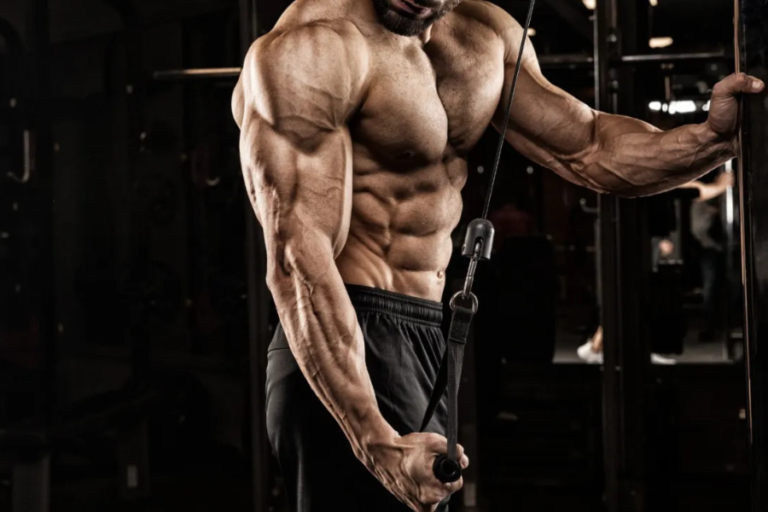
This muscle runs vertically from the rib cage to the pelvis. It flexes the spine and creates the familiar segmented appearance associated with a six pack.
Internal and External Obliques
These muscles sit on the sides of the torso. They assist with rotation, side bending, and resisting unwanted movement.
When people say they want to “train abs,” they usually mean these muscles.
What Is the Core?
The core includes the abs but extends far beyond them. It refers to the muscles that stabilize the spine, pelvis, and rib cage during movement.
Core muscles include:
- Rectus abdominis
- Transverse abdominis
- Internal and external obliques
- Erector spinae
- Multifidus
- Diaphragm
- Pelvic floor
The core functions as a unit. Weakness in one area affects the entire system.
Key Differences Between Abs and Core
| Abs | Core |
|---|---|
| Primarily visible muscles | Mostly internal stabilizers |
| Produce flexion and rotation | Resist movement and stabilize |
| Aesthetic focus | Performance and safety focus |
| Limited muscle group | Entire trunk system |
Understanding this difference explains why crunch-only routines often fail.
How the Abs and Core Work Together
Abs do not work in isolation. Every movement requires coordination with deeper core muscles.
Examples:
- During a squat, the abs brace while the spinal muscles stabilize
- During running, the core limits excessive rotation
- During overhead lifts, the core maintains alignment
Training only the abs without addressing core stability limits strength and increases injury risk.
Why Training Only Abs Leads to Plateaus
Many ab routines rely on repeated flexion exercises. While these movements strengthen the rectus abdominis, they neglect stability and control.
Common outcomes:
- Flat-looking abs despite frequent training
- Lower-back discomfort
- Weak bracing during compound lifts
Balanced training corrects these issues.
Core Strength Improves Ab Definition
Strong core muscles improve posture and muscle engagement. Better posture makes abs appear more defined even at the same body fat level.
Core strength also allows:
- Heavier ab loading
- Better control during movements
- Improved muscle activation
Visible abs benefit from strong support systems.
Abs Training vs Core Training: Different Goals
Abs Training Goals
- Increase muscle thickness
- Improve flexion strength
- Enhance visual definition
Core Training Goals
- Improve stability
- Reduce injury risk
- Enhance movement efficiency
Both goals support each other when trained together.
Best Exercises for Abs
Effective ab exercises involve controlled movement with resistance.
Examples:
- Cable crunches
- Hanging knee raises
- Decline sit-ups
- Weighted crunch variations
These movements directly target the rectus abdominis and obliques.
Best Exercises for Core Strength
Core exercises focus on resisting movement rather than creating it.
Examples:
- Planks and plank variations
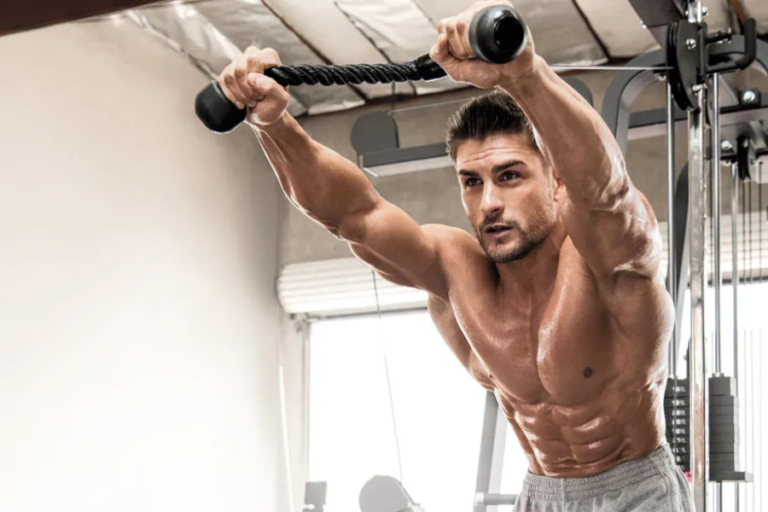
- Pallof presses
- Dead bugs
- Farmer carries
- Anti-rotation holds
These exercises train stability and control.
How to Combine Abs and Core Training
A balanced program includes both movement and stability.
Example Weekly Structure
- Day 1: Flexion-based ab work + light stability
- Day 2: Core stability and carries
- Day 3: Mixed session with moderate resistance
Each session remains short and focused.
Common Misconceptions About Core Training
“Core training replaces ab training”
Core training improves stability but does not fully develop visible abs.
“Crunches are bad”
Crunches are effective when controlled and loaded properly.
“Compound lifts train abs enough”
Compound lifts engage the core but often lack sufficient ab tension for growth.
How Poor Core Strength Affects Daily Life
Weak core muscles affect more than workouts.
Potential issues include:
- Lower-back pain
- Poor posture
- Reduced balance
- Inefficient movement
Training the core improves quality of life as well as appearance.
Breathing and Core Activation
Proper breathing improves core engagement.
Key points:
- Exhale during exertion
- Brace before movement
- Avoid holding breath excessively
Breathing patterns influence both strength and safety.
Abs, Core, and Injury Prevention
A strong core distributes load evenly across the spine. This reduces stress on the lower back during lifting and daily tasks.
Common injuries linked to weak core muscles include:
- Lumbar strain
- Hip discomfort
- Poor lifting mechanics
Balanced training lowers these risks.
How Long It Takes to Notice Results
Core strength improves quickly. Many people notice better control and posture within weeks.
Visible ab changes take longer and depend on:
- Training consistency
- Body fat levels
- Nutrition habits
Patience and consistency remain key.
Final Thoughts
Abs and core muscles serve different roles, but they depend on each other. Training only abs limits strength and stability. Training only core stability limits visible development. A well-designed program includes both.
When you understand the difference and train accordingly, results improve across strength, appearance, and movement quality.