
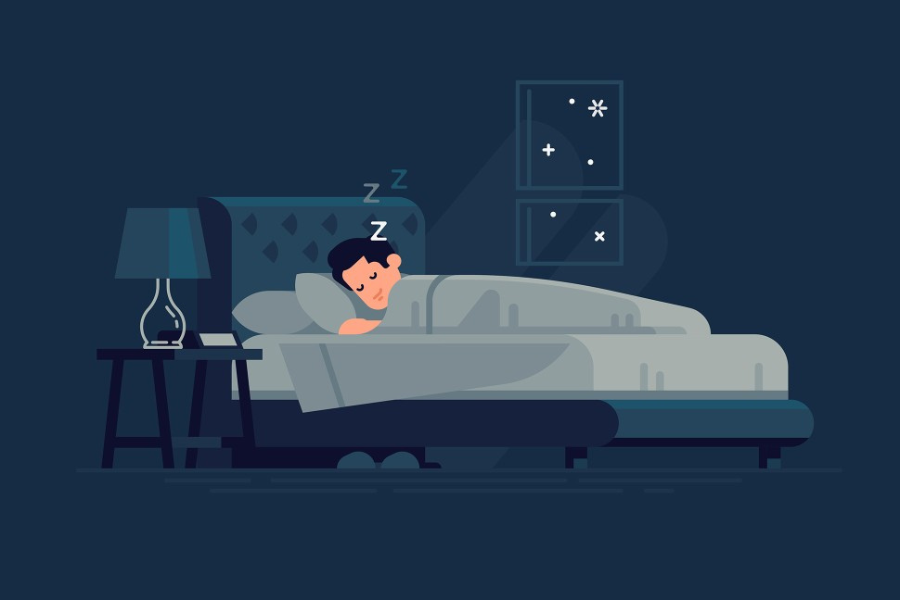
Insomnia can feel like your body is tired but your brain did not get the memo. If you have been asking yourself, “what is insomnia, and do I have it?” you are not alone. Insomnia is one of the most common sleep problems, but it is also one you can understand and manage with the right information and support.
Below, you will learn what insomnia is, how it shows up, why it happens, and what you can do to start getting more restful sleep.
Understand what insomnia is
Insomnia is a sleep disorder. It is more than a single bad night of sleep. You might have insomnia if you regularly:
- Have trouble falling asleep
- Wake up often during the night
- Wake up too early and cannot fall back asleep
- Wake up feeling unrefreshed, even after spending enough time in bed
Insomnia affects how you feel and function during the day. You might feel sleepy, irritable, low on energy, or have trouble concentrating or staying safe while driving or working (Cleveland Clinic).
Most adults need about 7 to 9 hours of sleep per night, but if insomnia keeps interrupting that, you can end up sleep deprived, even if you go to bed “on time” (Mayo Clinic).
What insomnia is not
It helps to separate insomnia from a few related situations:
- A single restless night after a stressful day is not necessarily insomnia.
- Choosing to stay up late watching shows or scrolling your phone is sleep loss by choice, not a sleep disorder.
- Feeling tired after a long flight may be jet lag, which is temporary and related to time zones.
With insomnia, you want to sleep and are trying to sleep, but your body and brain are not cooperating.
Recognize common symptoms
Insomnia affects your nights and your days. You might notice some, or all, of these symptoms.
Nighttime signs
At night, you may:
- Lie awake for 30 minutes or more before falling asleep
- Wake up several times and have trouble drifting off again
- Wake up much earlier than you planned, even on days you could sleep in
- Feel like your sleep is shallow and never truly restful
Daytime signs
During the day, insomnia can lead to:
- Tiredness or low energy
- Sleepiness that makes it hard to stay alert, especially while driving or working
- Mood changes, such as irritability, sadness, or feeling “on edge”
- Difficulty focusing, remembering details, or making decisions
- A sense that your health, work, or relationships are not getting your best self (Mayo Clinic)
If poor sleep is starting to affect what you can do or how you feel, it is worth paying attention.
Learn the types of insomnia
When you ask “what is insomnia,” it is helpful to know that the word covers a few different patterns.
Acute versus chronic insomnia
Doctors usually group insomnia into short term and long term:
-
Acute insomnia
-
Lasts for days or a few weeks
-
Often linked to a specific stressor, like a big deadline, argument, or major life change
-
Tends to improve once the stressful situation settles
-
Chronic insomnia
-
Happens at least 3 nights a week
-
Lasts for 3 months or longer
-
May be connected to another medical condition, mental health issue, or ongoing lifestyle factors (NHLBI)
Both forms can feel frustrating, but chronic insomnia is more likely to affect your overall health and may need more structured support.
Primary versus secondary insomnia
You might also hear about insomnia in two other ways:
- Primary insomnia means sleep trouble is not clearly caused by another health condition or medication.
- Secondary insomnia means your insomnia happens along with another issue, such as chronic pain, depression, anxiety, asthma, or medication side effects.
In reality, your insomnia might sit somewhere in between. Many factors can overlap.
Explore possible causes
There is rarely one single cause of insomnia. Instead, several pieces often come together. Experts are still studying the exact mechanisms behind insomnia, but they agree that mental health, physical health, and lifestyle all play a role (Cleveland Clinic).
Lifestyle and daily habits
Your everyday choices can support or sabotage sleep. Insomnia may be linked to:
- Irregular sleep and wake times
- Long or late naps
- Heavy meals, caffeine, nicotine, or alcohol close to bedtime
- A lot of screen time in the evening
- Lack of physical activity during the day
These habits can confuse your internal clock or keep your brain too alert when you want it to slow down.
Stress and mental health
Stress is one of the most common triggers of insomnia. You might lie awake replaying conversations, worrying about the future, or thinking about your to do list. Conditions like anxiety and depression are also closely tied to insomnia (Mayo Clinic).
The relationship goes both ways. Poor sleep can worsen mood, and low mood can make it harder to sleep. It can feel like a loop.
Medical conditions and medications
Insomnia can be connected to other health issues, such as:
- Chronic pain
- Breathing problems, including asthma
- Heart or lung conditions
- Neurological conditions
- Gastroesophageal reflux (heartburn)
- Hormonal changes
Some medications, including certain antidepressants and drugs for asthma or blood pressure, can also affect sleep (Mayo Clinic). If you suspect your prescription is part of the problem, talk with your doctor before changing anything.
Aging and life changes
Insomnia becomes more common as you get older. You might:
- Sleep more lightly
- Wake more often during the night
- Nap more during the day
Life transitions like grief, retirement, caring for family members, or moving can also unsettle your sleep routines and contribute to insomnia (Mayo Clinic).
Understand why insomnia matters
It can be tempting to shrug off insomnia as “just being a bad sleeper.” Over time, though, insomnia can affect both your safety and your health.
Daytime safety and performance
Ongoing poor sleep may:
- Slow your reaction time, which is risky while driving or operating machinery
- Make it harder to focus at work or school
- Increase the chance of errors or accidents (Cleveland Clinic)
You might notice you are more easily overwhelmed or less patient with people around you.
Long term health and quality of life
Chronic insomnia can reduce your overall quality of life. It has been linked with:
- Worsening mood symptoms, such as anxiety and depression
- Increased stress and strain on relationships
- Greater risk of certain physical and mental health complications over time (Mayo Clinic)
Caring for your sleep is not a luxury. It is one of the basic supports for your mental and physical well being.
See how insomnia is diagnosed
If you are wondering whether what you feel counts as insomnia, a healthcare professional can help you sort it out.
What to expect at an appointment
When you talk with a doctor about sleep, they may:
- Ask about your sleep schedule, bedtime routine, and how long problems have been happening
- Review your medical history, medications, and family health history
- Talk about your stress levels, mood, and daily habits
- Perform a physical exam, which might include listening to your heart and lungs and looking at your throat and neck if sleep apnea is a concern (NHLBI)
They are looking for patterns that suggest insomnia and for any other conditions that might be contributing.
Keeping a sleep diary
Your doctor may ask you to track your sleep in a simple diary for 1 to 2 weeks. You would write down:
- What time you go to bed and wake up
- How long it seems to take to fall asleep
- How often you wake up
- Whether you nap
- Your caffeine and alcohol intake
- How sleepy you feel during the day (NHLBI)
This record helps you and your doctor see trends that are hard to notice in the moment.
Explore treatment options
The good news is that insomnia is treatable. You are not stuck being a “bad sleeper” forever. Treatment usually focuses on your thoughts, behaviors, and routines around sleep. In some cases, short term medication may be added.
Cognitive behavioral therapy for insomnia (CBT I)
Cognitive behavioral therapy for insomnia is often recommended as the first choice of treatment. It helps you:
- Identify thoughts that keep you awake, such as “I will never fall asleep”
- Learn skills to calm your mind and body
- Change habits that interfere with sleep
- Reset your association with bed, so it becomes a place for rest instead of worry
Research shows CBT I can be as effective as sleep medications, and sometimes more effective, especially over the long term (Mayo Clinic).
Prescription sleep medications
Your doctor may suggest prescription sleeping pills to help you through a short rough patch. These medications:
- Can help you fall asleep or stay asleep
- Are usually recommended only for short term use
- Can cause side effects, such as daytime grogginess, dizziness, or increased risk of falls
- May lead to habit formation if used too long (Mayo Clinic)
If you use a prescription sleep aid, it is important to follow your doctor’s instructions and discuss any concerns.
Over the counter sleep aids
Many over the counter sleep aids rely on antihistamines. These can make you sleepy, but they also:
- Can leave you drowsy or foggy the next day
- May cause dizziness or confusion, especially if you are older
- Are not recommended for regular or long term use (Mayo Clinic)
Because of the side effects and limited benefits over time, it is a good idea to check with your doctor before using these products often.
Adjust your daily habits
Your everyday choices have a powerful effect on insomnia. Small, consistent steps can make a noticeable difference, even if you have been struggling for a while.
Build a steady sleep routine
Try to:
- Get up at the same time every day, even on weekends
- Aim for a consistent bedtime that gives you 7 to 9 hours in bed
- Start a wind down period 30 to 60 minutes before bed
- Keep your bedroom dark, quiet, and cool
Over time, your body learns to expect sleep at these regular times.
Create a calming pre bed ritual
You can signal to your brain that it is time to slow down by:
- Dimming lights in the evening
- Turning off bright screens or using night mode
- Reading a light, non stressful book
- Practicing gentle stretching or relaxation breathing
- Taking a warm shower or bath and then letting your body cool
The goal is to shift from “doing” mode to “resting” mode.
Watch what you eat, drink, and do
A few practical guidelines:
- Limit caffeine in the afternoon and evening
- Avoid heavy or spicy meals close to bedtime
- Go easy on alcohol, which can fragment sleep later in the night
- Stay active during the day, but finish vigorous exercise a few hours before bed
None of these changes need to be perfect. Even a small improvement in one area can support better sleep.
Know when to seek help
You do not have to wait until you are completely exhausted before reaching out for support.
Consider talking with a healthcare professional if:
- You have difficulty falling or staying asleep at least 3 nights a week
- Sleep problems have lasted for a month or more
- Daytime sleepiness is affecting your work, relationships, or safety
- You snore loudly, gasp, or stop breathing during the night, which may suggest sleep apnea
- You have tried adjusting your routine and still feel stuck
Insomnia is common, and it is a valid reason to ask for help.
Bringing it all together
When you ask “what is insomnia,” you are really asking how sleep fits into your health, your habits, and your daily life. Insomnia is a sleep disorder where you struggle to fall asleep, stay asleep, or wake up feeling rested. It affects both your nights and your days, but it is also something you can understand and treat.
By learning about the symptoms, causes, and treatments and by making small, steady changes to your routine, you give yourself a better chance at the kind of sleep that actually restores you. You do not have to fix everything overnight. Start with one change this week, notice how you feel, and build from there.