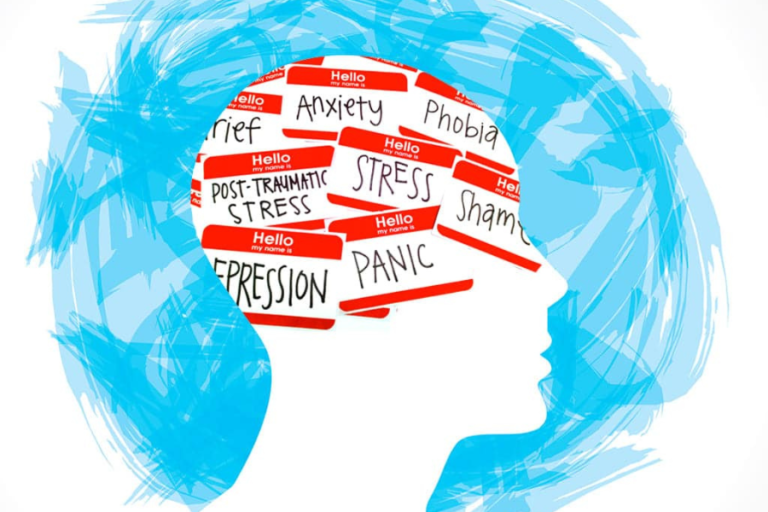

Stress affects mental health in direct and measurable ways. Short-term stress can be useful, but ongoing stress wears down emotional stability, focus, and resilience. When stress becomes chronic, it increases anxiety, disrupts sleep, and contributes to burnout.
Effective stress management does not require complex systems or drastic lifestyle changes. It requires practical techniques that fit daily life and reduce the body’s stress response in real time. Learning which strategies work allows you to manage stress before it overwhelms your mental health.
Understanding the Stress Response
Stress activates the body’s survival system. Heart rate increases, breathing becomes shallow, and muscles tense. This response helps in emergencies, but constant activation harms mental well-being.
Chronic stress can lead to:
- Irritability and mood swings
- Anxiety symptoms
- Difficulty concentrating
- Emotional exhaustion
- Sleep disruption
Managing stress involves calming the nervous system and reducing unnecessary triggers.
Why Some Stress Advice Fails
Many stress tips sound helpful but fail in practice. Advice that requires too much time, motivation, or mental energy often increases pressure rather than reducing it.
Common issues include:
- Techniques that take too long
- Advice that ignores daily responsibilities
- Strategies that feel unrealistic during high stress
Effective stress management works even on busy or difficult days.
Breathing Techniques That Calm the Nervous System
Breathing directly affects the nervous system. Slow, controlled breathing signals safety to the brain.
Simple Breathing Techniques
Extended Exhale Breathing
- Inhale for four seconds
- Exhale for six seconds
- Repeat for two to five minutes
Box Breathing
- Inhale for four seconds
- Hold for four seconds
- Exhale for four seconds
- Hold for four seconds
These methods lower heart rate and reduce physical tension.
Physical Movement as Stress Relief
Movement helps discharge stress hormones and release muscle tension.
Effective options include:
- Walking outdoors
- Stretching
- Light strength training
- Gentle cardio
Movement does not need to be intense. Consistency matters more than effort.
Time Blocking to Reduce Mental Overload
Unstructured time increases stress by creating uncertainty. Time blocking gives the brain clear expectations.
How Time Blocking Helps
- Limits decision fatigue
- Reduces multitasking
- Improves task completion
- Creates mental boundaries
Even loose scheduling helps reduce overwhelm.
Setting Boundaries to Lower Stress
Many stressors come from overcommitment. Setting boundaries protects mental energy.
Examples include:
- Saying no to unnecessary obligations
- Limiting after-hours work communication
- Protecting personal time
Boundaries reduce resentment and emotional fatigue.
Managing Information Overload
Constant notifications and information exposure increase stress.
Helpful strategies include:
- Turning off nonessential alerts
- Scheduling email and message checks
- Limiting news consumption
Reducing input calms the mind.
Journaling for Mental Clarity
Writing helps externalize stress. It gives the mind a place to release tension.
Effective journaling approaches include:
- Writing worries without editing
- Listing current priorities
- Reflecting on what is within control
Short sessions are often enough.
Muscle Relaxation Techniques
Stress often hides in the body. Progressive muscle relaxation helps release tension.
How It Works
- Tense one muscle group for five seconds
- Release and relax for ten seconds
- Move through the body gradually
This technique improves body awareness and relaxation.
Improving Sleep to Reduce Stress
Poor sleep increases stress sensitivity. Improving sleep habits supports emotional resilience.
Helpful habits include:
- Consistent sleep times
- Evening wind-down routines
- Reduced late-night screen use
Better sleep improves stress tolerance.
Social Support and Stress Reduction
Connection reduces stress by providing emotional safety.
Supportive actions include:
- Talking with trusted people
- Sharing responsibilities
- Asking for help when needed
Support reduces isolation and emotional burden.
Managing Stress at Work
Work stress often feels unavoidable, but small changes help.
Practical Work Stress Strategies
- Clarify priorities daily
- Take short breaks
- Separate work and personal time
These steps reduce mental strain.
Stress Management During High-Pressure Periods
Stress peaks during demanding periods. During these times, lower expectations and simplify routines.
Helpful approaches include:
- Focusing on basics
- Reducing nonessential tasks
- Maintaining sleep and meals
Simplification protects mental health.
Signs Stress Management Is Working
Effective stress management produces gradual changes.
Signs include:
- Faster recovery after stress
- Improved mood stability
- Better focus
- Reduced physical tension
Progress reinforces healthy habits.
Building a Sustainable Stress Management System
Stress management works best when techniques become habits.
Tips for Sustainability
- Choose two or three strategies
- Practice them daily
- Adjust during busy periods
Consistency matters more than variety.
Long-Term Benefits of Stress Management
Over time, effective stress management improves mental health.
Benefits include:
- Lower baseline stress
- Improved emotional control
- Better sleep quality
- Increased resilience
Managing stress supports overall well-being.
Final Thoughts
Stress is unavoidable, but chronic stress is manageable. Effective stress management relies on practical techniques that calm the nervous system and reduce overload. You do not need perfection or elaborate routines.
Small, repeatable actions practiced daily protect mental health and improve quality of life.