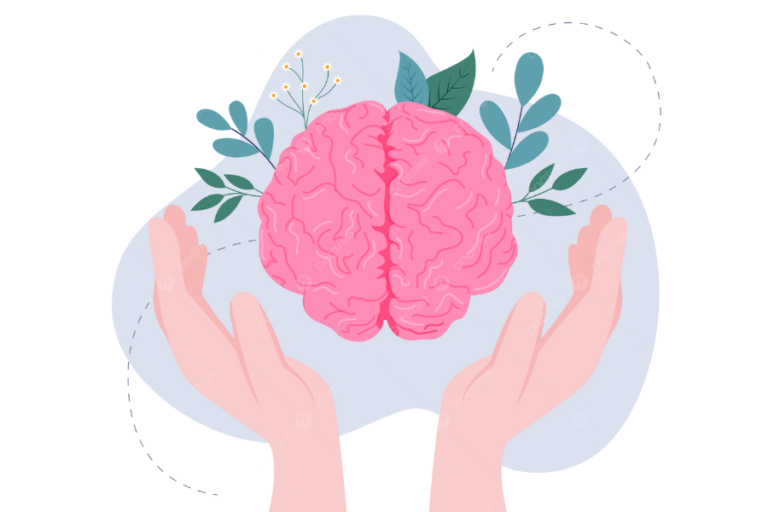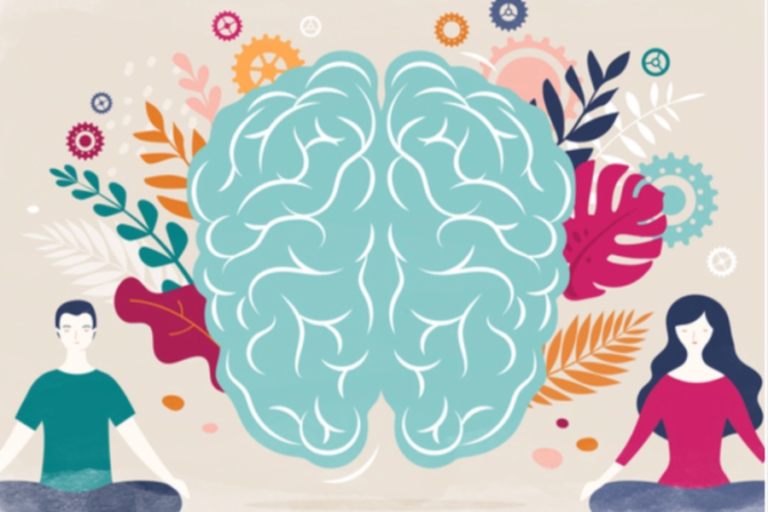


Mental health and physical activity are closely connected. Movement affects how the brain processes stress, regulates emotions, and maintains focus. While many people associate exercise with physical fitness alone, regular movement also supports emotional balance, mental clarity, and resilience.
You do not need intense workouts or long training sessions to see benefits. Consistent physical activity, even at low intensity, creates measurable improvements in mood and stress management. Understanding how movement supports mental well-being helps you use it as a practical, sustainable tool.
How Physical Activity Affects the Brain
Movement changes brain chemistry. When you engage in physical activity, the brain releases neurotransmitters that influence mood and emotional regulation.
Key chemical changes include:
- Increased endorphins, which improve mood
- Higher dopamine levels, which support motivation and focus
- Improved serotonin activity, which helps regulate emotions
- Reduced cortisol, the primary stress hormone
These changes occur across many types of movement. Walking, strength training, stretching, and low-impact cardio all contribute to these effects.
Exercise and Stress Reduction
Stress is a natural response, but chronic stress harms mental health. Physical activity provides a controlled outlet for stress by activating and then calming the nervous system.
Why Movement Reduces Stress
- It burns off excess stress hormones
- It releases physical tension stored in muscles
- It encourages deeper breathing
- It shifts attention away from racing thoughts
After movement, the nervous system enters a calmer state. This makes stress feel more manageable rather than overwhelming.
Physical Activity and Anxiety Symptoms
Anxiety often involves heightened alertness, shallow breathing, and persistent worry. Movement helps interrupt this cycle.
Regular physical activity can:
- Reduce restlessness
- Improve breath control
- Lower baseline anxiety levels
- Improve confidence in managing stress
Rhythmic activities such as walking, cycling, or swimming are especially effective because they regulate breathing and heart rate.
Depression and Movement
Low mood often reduces motivation, which makes movement harder to start. Yet physical activity remains one of the most effective non-medical supports for depressive symptoms.
Movement helps by:
- Increasing energy levels
- Improving sleep quality
- Creating a sense of accomplishment
- Providing structure to the day
Even short sessions can help. A 10-minute walk can shift mood and mental clarity.
Focus, Attention, and Mental Clarity
Physical activity improves blood flow to the brain. This supports sharper thinking and better concentration.
People who move regularly often report:
- Improved attention span
- Better memory retention
- Reduced mental fatigue
- Faster stress recovery
This makes movement valuable during mentally demanding periods, including workdays and high-pressure environments.
The Role of Routine in Physical Activity
Consistency matters more than intensity. The brain responds best when movement becomes a predictable part of daily life.
Why Routine Strengthens Mental Benefits
- Reduces decision fatigue
- Builds emotional stability
- Creates reliable stress relief
- Improves adherence over time
Scheduling movement at the same time each day helps it become automatic rather than optional.
Different Types of Physical Activity and Their Mental Benefits
Not all movement affects the mind in the same way. Different activities support different mental health needs.
Walking
- Lowers stress
- Improves mood
- Encourages reflection
- Easy to maintain daily
Strength Training
- Builds confidence
- Improves self-efficacy
- Reduces anxiety
- Supports focus
Yoga and Stretching
- Improves body awareness
- Supports emotional regulation
- Encourages calm breathing
- Reduces physical tension
Cardio Activities
- Improves mood quickly
- Reduces restlessness
- Supports emotional resilience
Choosing the right type depends on preference and lifestyle.
Physical Activity and Sleep Quality
Movement supports deeper, more restorative sleep. Sleep quality directly affects mood, stress tolerance, and emotional control.
Regular physical activity helps by:
- Regulating circadian rhythms
- Reducing nighttime restlessness
- Improving sleep onset
- Increasing sleep depth
Better sleep strengthens mental health across all areas.
The Mind-Body Connection
Mental health does not exist separately from the body. Physical sensations influence emotional states. When the body feels tense, the mind often follows.
Movement restores balance by:
- Releasing muscle tension
- Improving posture and breathing
- Increasing body awareness
This connection explains why physical discomfort often worsens emotional distress.
Overcoming Barriers to Movement
Mental health challenges can make exercise feel difficult. Fatigue, low motivation, and time constraints often interfere.
Practical Solutions
- Start with five minutes
- Choose familiar activities
- Remove performance pressure
- Focus on consistency, not results
Movement supports mental health best when it feels achievable.
Making Physical Activity Sustainable
Sustainability matters more than ambition. Short, repeatable habits work better than occasional intense efforts.
Tips for Long-Term Consistency
- Keep sessions short
- Attach movement to daily routines
- Track progress loosely
- Adjust expectations during stressful periods
Mental health improves when movement feels supportive rather than demanding.
Social Movement and Emotional Support
Physical activity does not need to be solitary. Shared movement adds social benefits that further support mental well-being.
Examples include:
- Walking with a friend
- Group fitness classes
- Recreational sports
- Family activities
Social connection combined with movement strengthens emotional resilience.
Physical Activity During Difficult Periods
During high-stress or emotionally difficult times, movement often declines. This is when it matters most.
Gentle movement during challenging periods can:
- Prevent emotional stagnation
- Reduce overwhelm
- Improve coping ability
- Maintain routine
Lowering intensity while keeping consistency helps maintain mental balance.
Signs Movement Is Supporting Your Mental Health
Benefits often appear gradually. Common signs include:
- Improved mood stability
- Reduced irritability
- Better sleep patterns
- Increased energy
- Faster stress recovery
These changes reinforce the habit over time.
Final Thoughts
Physical activity plays a direct role in mental well-being. It supports emotional balance, reduces stress, improves focus, and strengthens resilience. You do not need complex plans or intense workouts. You need consistency and movement that fits your life.
Start small. Move regularly. Let physical activity support your mental health one day at a time.