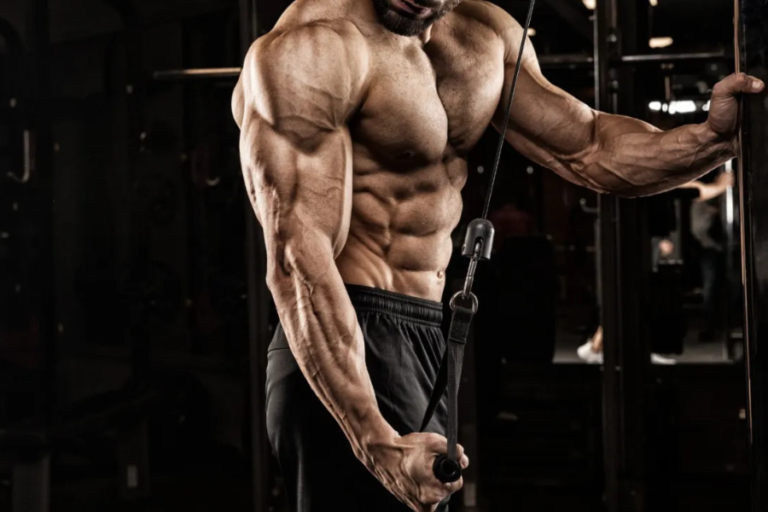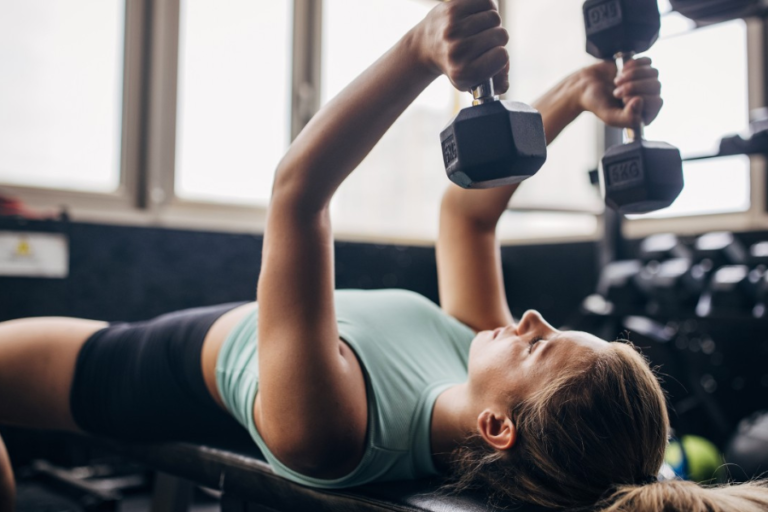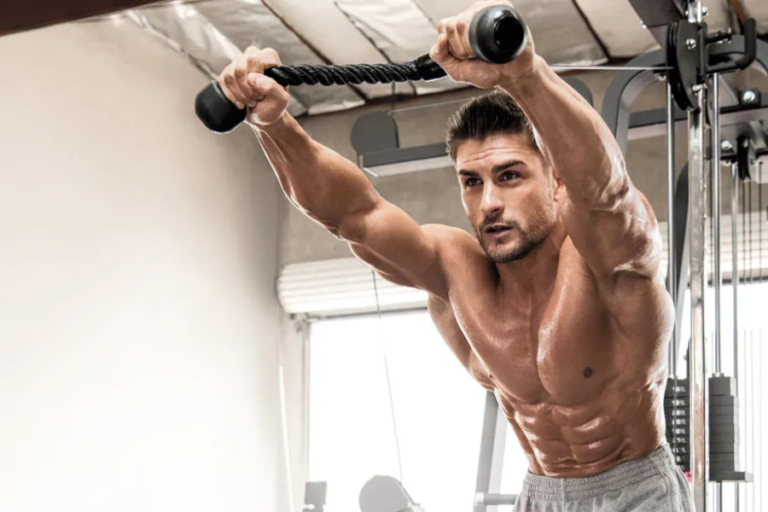

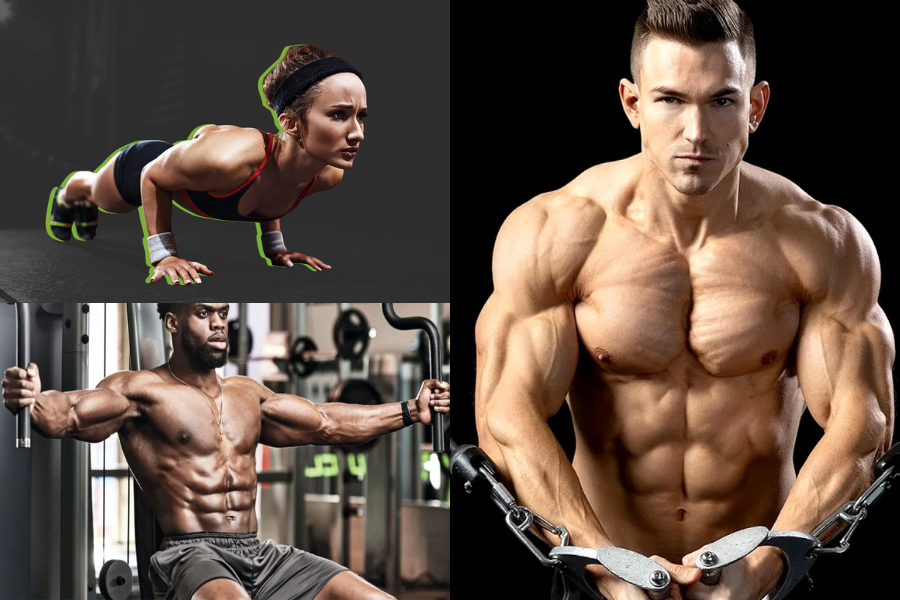
Looking to build a stronger, more defined upper body? The best chest exercises challenge your pecs from every angle, helping you develop power, stability, and a balanced physique. A well-rounded routine goes beyond simple pressing movements. It asks you to train the chest in different planes, incorporate variety in reps and sets, and master proper form to prevent injuries. You will find that a strong chest does more than fill out a shirt. It supports everyday activities like pushing open heavy doors and lifting bulky items off the ground. Most importantly, it anchors the rest of your upper body training, ensuring you work smarter, not harder.
When you engage your pecs systematically, you also recruit your shoulders, arms, and core. Studies suggest that mixing angles—for instance, a flat press and an incline press—activates more muscle fibers, leading to improved strength and size. Experts recommend aiming for at least 10 sets of chest work per week to see noticeable gains. You can split these sets over one or two sessions, or even three, depending on your schedule and recovery. If you are pushing for bigger results, consider raising the frequency to two times a week or experimenting with advanced training methods. Below, you will see 10 proven exercises that deserve a place in your plan. Each has unique benefits, from classic moves like the barbell bench press to innovative twists like advanced pushups. Use them to create a balanced chest routine that progresses with you. Ready? Let’s dive in.
Build your base with pushups
Pushups remain one of the best chest exercises to build size, muscle, and overall strength at home [1]. Although they may look simple, they are incredibly effective at developing your pecs, arms, and core. By using your own body weight, you place consistent tension on the chest while staying joint-friendly. Plus, pushups require minimal setup. All you need is enough floor space to lower your chest.
- Mechanics: Keep your body in a straight line from your heels to your head. Pull your abs in, squeeze your glutes, and turn your elbow pits forward to externally rotate your shoulders. Lower your chest to just an inch above the ground, then press through your palms to return to the top.
- Reps and Sets: Aim for 8 to 15 reps per set, adjusting for your current strength. Beginners might do 3 sets, while more experienced individuals can go up to 4 or 5 sets.
- Variations: If standard pushups become too easy, try half-typewriter pushups or single-arm pushups for more unilateral loading. Pausing at the bottom or adding slow negatives also increases time-under-tension for bigger gains.
Pushups are endlessly scalable. From slow tempos to explosive clap variations, you can always find a way to keep them challenging. Focus on tight form, a strong plank position, and full depth for the best results.
Load up the barbell bench press
The barbell bench press is often called the cornerstone of chest training. It is known for building significant chest strength and power because it lets you move heavier weights than dumbbells typically allow. In one analysis, the bench press targets not only your pecs but also your anterior deltoids and triceps, making it a comprehensive upper-body exercise [2].
- Mechanics: Lie flat on a bench with your feet planted firmly on the floor. Grip the bar slightly wider than shoulder-width, and keep your shoulders tight against the bench. Lower the bar to around mid-chest level, then press it upward, fully extending your elbows but without locking them out so you maintain tension on the chest.
- Reps and Sets: For pure strength, 3 to 5 sets of 3 to 6 reps will push your limits. For muscle size (hypertrophy), aim for 3 to 4 sets of 6 to 12 reps. Make sure to maintain control, lowering the bar slowly and pressing upward in a steady motion.
Because you are handling heavier loads, you might find that technique is crucial to protect your shoulders. Keep your shoulder blades retracted, think about driving through your feet, and exhale as you push the bar away. Over time, progressive overload—adding small amounts of weight every few sessions—will keep this exercise challenging.
Develop stability with dumbbell bench press
Dumbbell bench presses are a favorite for addressing muscle imbalances. Each side of your body must work independently, which helps even out strength and size differences [2]. Dumping the bar when you hit failure can be tricky and unsafe. With dumbbells, however, you can drop them to your sides if needed, so you might push each set a bit further.
- Mechanics: Begin seated on a sturdy bench with a dumbbell in each hand, resting the weights on your thighs. Lie back and position the dumbbells near your chest, elbows bent at about a 45-degree angle. Press the weights upward until your arms are nearly straight, palms facing forward. Pause briefly, then lower them slowly.
- Reps and Sets: 3 to 4 sets of 6 to 8 reps stimulate both strength and size. If you prefer higher rep ranges, 10 to 12 reps will give you extra time under tension.
- Tips: Imagine pressing the dumbbells in a slight arc rather than straight up and down. Keep your torso tight, feet flat on the floor, and shoulders retracted to place maximum tension on your pecs.
Dumbbells promote a larger range of motion than a barbell, allowing you to sink more deeply at the bottom. This extra stretch can spark additional muscle growth. Just make sure you can manage the weight safely at that deeper range.
Emphasize upper chest with incline press
If you have ever felt your lower pecs growing faster than your upper chest, the incline press is your solution. By adjusting the bench angle to 30–45 degrees, you shift tension onto the clavicular head of the pectoralis major [3].
- Mechanics: Sit down on an incline bench set up between 30 and 45 degrees. Grab your barbell or dumbbells and maintain a neutral spine. Lower the weights slowly to the upper portion of your chest, then drive them back up, exhaling as you press.
- Reps and Sets: If the goal is size and aesthetic development, 3 to 4 sets of 8 to 10 reps are common. For more strength-oriented work, you can drop some reps and add weight.
- Tips: Watch your shoulder position. When the bench is too steep, your shoulders might take over. Keeping a moderate incline reduces the strain on your deltoids and focuses the workload on the upper pecs.
Even with excellent form, the incline press is typically weaker than its flat counterpart, so start a bit lighter and build up. This variation complements flat and decline work, rounding out your chest development for a fuller look.
Try a decline press approach
If incline focuses on the upper chest, the decline press emphasizes the lower portion. Though it is sometimes overlooked, the decline press helps build that crisp line between your lower pecs and your upper abs. Some lifters find decline pressing more comfortable on the shoulders, thanks to a reduced angle at the top.
- Mechanics: Secure your legs on a decline bench so you do not slide. Grasp the bar or dumbbells with a slightly wider than shoulder-width grip, just as you would during a flat press. Lower the weights toward your lower chest or upper abdominal area, then press back to the starting position.
- Reps and Sets: Similar to the flat press, 3 to 4 sets of 6 to 12 reps work well. If you are new to decline exercises, start on the lower end of this range until you master the angle.
- Tips: Keep your shoulders down and back, with your elbows tracking in a stable path. A declined bench may reduce stress on your shoulders if you keep control on the descent and alignment in your wrists.
Feel free to alternate this movement with incline or flat pressing day by day or week by week. Decline training can help you build an all-around powerful and sculpted chest.
Go deeper with chest dips
Dips hammer the lower chest when performed with slight forward lean. If you only stay vertical during dips, you will focus more on your triceps, so tilt your torso so your chest can take a bigger portion of the load [3].
- Mechanics: Grasp parallel dip bars, then lift your body to full arm extension. Lean forward, bending at the hips, and keep your elbows flared moderately, not pinned directly to your sides. Lower yourself until you feel a stretch in your chest, then press back up.
- Reps and Sets: You can start with bodyweight-only dips for 2 to 3 sets of as many reps as you can manage, aiming for at least 8 to 10 reps. Once bodyweight becomes comfortable, add resistance via a weight belt or hold a dumbbell between your legs.
- Tips: Lock your shoulder blades back and down. Avoid chain tension with your neck or straining through your traps. If standard dips feel tough, try an assisted dip machine or resistance bands until you can support your own weight confidently.
Dips ask for significant upper-body strength and stability, especially in your chest, shoulders, and core. Leaning forward puts more stress on your chest, sculpting your lower pecs for a complete look.
Isolate with cable crossovers
When you want to fine-tune chest definition, isolated movements like cable crossovers step up. Cables can keep tension on your pecs through the entire range of motion, giving you a strong contraction at the center. This exercise also allows bilateral movement, so you can correct strength or size imbalances between your left and right pecs [2].
- Mechanics: Set the pulleys at your chosen height. Stand between them with a slight forward lean, arms out to your sides, gripping the cable handles. Bring the handles together in a sweeping motion until they meet or slightly cross in front of your chest. Pause to feel that peak contraction, then allow the handles to return outward under control.
- Reps and Sets: For shaping and endurance, try 3 to 4 sets of 10 to 12 reps. Keep the weight moderate so you can maintain a smooth, even tempo.
- Tips: Experiment with pulley height. High-to-low crossovers target your lower pecs, while low-to-high crossovers emphasize the upper portion. Keep your elbows slightly bent throughout to protect your shoulders.
Cable crossovers are an excellent finishing exercise, capping off a demanding workout with high tension and a deep burn that can elevate your chest from good to great.
Add variety with dumbbell fly
The dumbbell fly emphasizes horizontal adduction, a key function of your pec muscles. Unlike presses, flies reduce triceps involvement, making the chest do most of the heavy lifting [4]. You will gain extra stretch at the bottom, which can boost muscle growth.
- Mechanics: Lie on a flat bench with a dumbbell in each hand, palms facing each other. Start with your arms extended above your chest, but keep a slight bend in your elbows. Slowly open your arms out wide, feeling the tension in your chest as your arms lower. Do not go beyond shoulder-level if you feel strain. Then, bring the dumbbells back together, as if hugging a barrel.
- Reps and Sets: Typically, 3 sets of 10 to 12 reps ensure enough time under tension to stimulate growth without exhausting your stabilizers too quickly.
- Tips: Keep your elbows locked in that gentle bend, so the movement remains in your shoulders and chest, not your elbow joints. Focus on a controlled negative (the lowering phase) to accentuate the stretch, then contract your pecs hard at the top.
Whether on a flat, incline, or decline bench, dumbbell flies are a smart way to isolate the chest after your compound presses. Keep the weight light to moderate. Priority number one is preventing shoulder injuries by using stable form.
Protect shoulders with floor press
No bench? No problem. The dumbbell floor press works like a bench press, except you lower the weights only until your triceps graze the floor. This restricted range of motion can be a lifesaver for anyone with cranky shoulders [4].
- Mechanics: Lie on the floor, knees bent, feet flat, your dumbbells in hand. Start with your upper arms resting on the floor, elbows bent at a 90-degree angle. Press the weights up until your arms are almost locked, then carefully lower them back until your elbows touch down.
- Reps and Sets: 3 to 4 sets of 8 to 10 reps offer a balance of strength and hypertrophy. It is easy to exceed that if you are working with moderate weight, or you can go heavier for fewer reps to mirror a barbell bench press approach.
- Tips: Because your elbows hit the floor, you effectively remove the lowest portion of the bench press movement. This partial range means you can handle a decent load without worrying about your shoulders over-stretching.
When you want to up the intensity, try a pause at the bottom. This eliminates any bouncing momentum and forces your chest and triceps to work harder. You will also refine your press technique, making each rep more efficient if you transition back to the bench.
Target your pecs with advanced pushups
If plain pushups feel too routine and you crave a new challenge, advanced pushups such as archer or single-arm variations offer a creative alternative. They force one side of your chest to handle most of the work, resulting in more unilateral strength and increased core stability [1].
- Archer Pushups: Begin in a wide pushup stance, shifting your weight to one side as you lower. Bend one elbow deeply while keeping the other arm almost straight. This approach transforms a standard pushup into a single-arm press. Alternate sides each rep.
- Single-Arm Pushups: Keep your feet wider than shoulder-width for stability. Place one hand on the floor under your chest, the other behind your back. Lower yourself with control and press back up. Start with negatives or partial reps if this is too demanding.
- EMOM or AMRAP Routines: Every minute on the minute (EMOM) sessions or as many reps as possible (AMRAP) sets keep your pushup workouts fresh and progressively difficult. You can set a timer for 10 minutes, do a set number of advanced pushups each minute, and rest in the remaining time. Or chase a total-rep goal in AMRAP style.
Unilateral pushups naturally load your pecs more heavily. They also reveal muscle imbalances and highlight core weaknesses. If you notice one side is weaker, add extra reps or partials to bring it up to speed.
Design your complete chest routine
Now that you have 10 solid exercises in your arsenal—from classic barbell movements to advanced pushups—you can combine them into a cohesive plan. Aim to train your chest with enough volume to stimulate muscle growth but not so much that you compromise recovery. Experts often recommend at least 10 total sets per week, but you can split that across two sessions if you prefer. For example:
- Session A (Strength Emphasis)
- Barbell Bench Press: 4 sets of 6 reps
- Incline Dumbbell Press: 3 sets of 8 reps
- Cable Crossover: 3 sets of 10 reps
- Session B (Hypertrophy & Balance)
- Dumbbell Bench Press: 3 sets of 8 reps
- Decline Press: 3 sets of 10 reps
- Chest Dips: 3 sets to near-failure
Feel free to add in or swap advanced pushups, floor presses, or dumbbell flies to keep your routine engaging. Vary your repetitions now and then. For instance, spend a few weeks focusing on heavier sets of 5 or 6 reps, then pivot to sets of 10 or 12 to emphasize muscle endurance and growth. If you find that a certain exercise aggravates your shoulder or elbow, adjust its angle or sub in a similar move that suits your body better.
Do not forget the little details. Good warmups—such as band pull-aparts or shoulder mobility drills—prepare your joints and muscles for chest-heavy sessions. Adequate rest, hydration, and protein intake are also must-haves when trying to sculpt a powerful chest. And if you ever get stuck in a plateau, consider progressive overload: add a couple of pounds here, a few extra reps there, or experiment with advanced training techniques like EMOM pushups to jolt your pecs out of complacency.
Above all, consistency wins. These best chest exercises work wonders only if you commit to practicing them regularly and refining your form. Check in with yourself weekly or monthly. Are you gaining strength? Is your chest looking fuller? If the answer is yes, keep up the momentum. If you are not seeing results, tweak your plan, up the training frequency, or consult a fitness professional for a more personalized approach.
A strong chest benefits you in the gym, on the field, and in everyday tasks that demand pushing power. Challenge yourself with this mix of fundamental presses, isolation moves, and advanced progressions. Soon, you will notice better posture, more confidence, and bigger lifts across your training. You have the data, the moves, and the plan—now step up and build the chest you deserve.