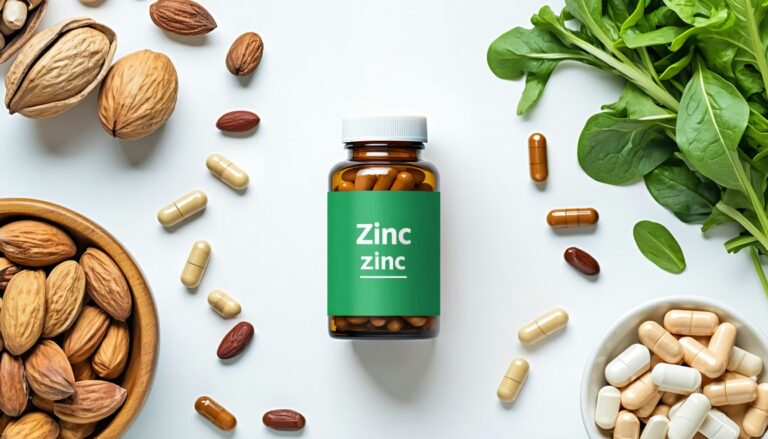
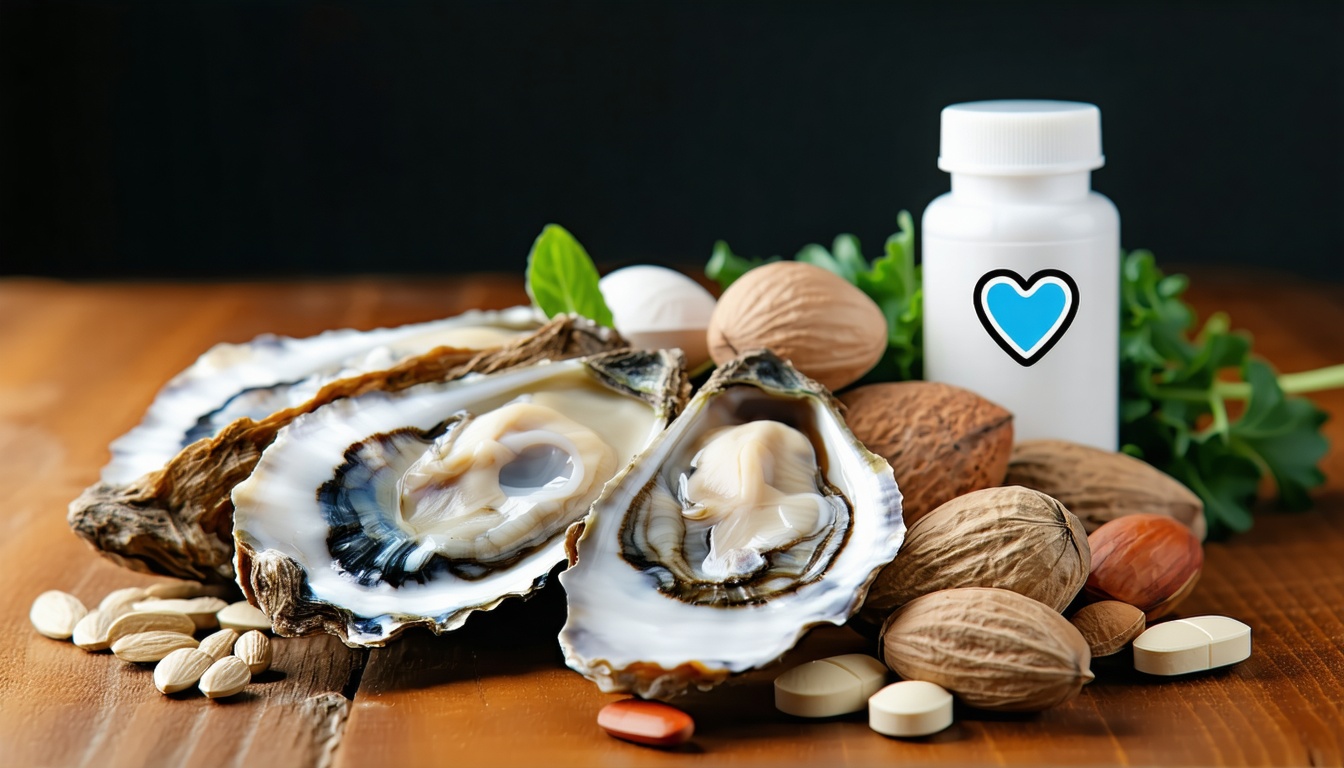
Zinc Vitamin plays a crucial yet often underestimated role in maintaining optimal health and well-being. From supporting immune function to enhancing skin repair and cognitive clarity, zinc quietly powers many of your body’s essential processes. This guide explores how to identify zinc deficiency, who’s most at risk, how to supplement wisely, and which foods can naturally boost your intake—empowering you to take control of your health with confidence.
Understanding Zinc Deficiency
Zinc’s like that quiet friend at a party, super important but often overlooked. It works behind the scenes to keep your body ticking along nicely, and if you skip out on it, well, it doesn’t hesitate to let you know. Let’s take a closer look at what happens when you’re running low on this superstar mineral.
Symptoms of Zinc Deficiency
When you’re light on zinc, your body starts waving red flags to grab your attention. Here’s what you might notice:
- Hair loss: If your pillow starts looking like Cousin It, it’s a sign you might need more zinc.
- Brain fog: You might feel like you’re moving in slow-motion or just not zippy enough.
- Blunted taste and smell: If your favorite meal suddenly becomes bland, zinc could be the missing ingredient.
- Nail drama: Your nails may start misbehaving—think brittle, and slow-growing—taking tips from Freddy Krueger!
This all-important mineral is your body’s knight in shining armor, warding off germs and producing those vital cells that keep things in check (Healthline).
| Symptoms of Zinc Deficiency | What It Looks Like |
|---|---|
| Hair Loss | Shedding more than a tree in autumn |
| Brain Fog | Feeling like a zombie |
| Blunted Taste and Smell | Food and scents losing their magic |
| Nail Drama | Nails taking on a life of their own |
Groups at Risk for Zinc Deficiency
Zinc deficiency doesn’t discriminate, but some folks are a bit more prone to it:
- Breastfeeding infants: Little ones growing fast, but not always getting enough from breast milk alone.
- Older adults: Their bodies might need extra zinc to keep up with life’s demands.
- Pregnant women: Gotta share the zinc love with the little one on the way.
- Those who enjoy a drink (or three): Too many cocktails can mess with how your body absorbs this crucial mineral.
Others who might be caught short are people who’ve had weight loss surgery, have gut issues like Crohn’s, or those opting for a vegetarian lifestyle. Less common stateside, if it strikes, expect fun surprises like hair wandering off, gut troubles, skin breaches, and a disappearing appetite (Mather Hospital).
| Groups at Risk for Zinc Deficiency | Why They’re Vulnerable |
|---|---|
| Breastfeeding Infants | Not enough zinc in milk supply |
| Older Adults | Changing diet needs |
| Pregnant Women | Sharing with baby |
| Alcohol Fans | Nutrient not sticking around |
| Post-Weight Loss Warriors | Altered food absorption |
| Plant Lovers | Plants don’t pack enough punch |
Knowing what’s what can help you find your zinc groove. Feel any of these twinges or are part of a risk posse? Might be time to chat with a doctor, or feast on a zinc-y meal. Keep your zinc levels as happy as you are!
Diagnosing and Treating Zinc Deficiency
Figuring out if you’re low on zinc and knowing how to fix it isn’t just smart—it’s something that can keep you feeling your best. Health starts with knowing what’s up, right? If you’re having any suspicious vibes about zinc levels, it’s time to chat with a doc who can run the right tests and sort out the treatment stuff.
Methods of Diagnosing Zinc Deficiency
Catching a zinc shortage involves a few different approaches. Your doc might bring up one or more of these routes:
- Blood Tests: This is the classic route—checking zinc directly through a blood test. It’s a popular go-to for a reason.
- Urine Tests: This one looks at how much zinc you’re kicking out in the bathroom trip. Odd but helpful.
- Hair Analysis: Snipping a bit of hair might tell a tale of your zinc journey, though it’s not the usual suspect.
- Additional Testing: Sometimes, low zinc points to bigger fish to fry health-wise. More testing might tell the full story (Healthline).
It’s a team effort with your healthcare buddy to nail the best and most reliable method for your situation.
Treatment Options for Zinc Deficiency
Usually, zinc troubles can be kicked to the curb with proper action. Here’s the lowdown:
- Zinc Supplements: If the doc gives the green light, supplements might be your new best friend. Improvements? You might see those in just a week or two of sticking to it (Cleveland Clinic).
- Dietary Changes: Until the blood work shouts otherwise, getting your zinc fix from grub is usually the best bet. We’ve got a guide to help you load up on zinc-packed eats over at zinc rich diet.
- Consult Medical Advice: Supplements sound easy but always consult your medical guide, especially because the FDA doesn’t babysit these products. Your healthcare pro will help decide if extra zinc is a good pick and ward off any pitfalls of overdoing it (Mather Hospital).
Before popping any supplement pills, including zinc supplement, zoom in on your health needs. In some cases, specific types like zinc picolinate or mixes like calcium magnesium zinc might be the doc’s orders.
Keeping those zinc levels in check helps you feel on top of your game. It’s not just about health; it plays a part in overall mojo, including men’s reproductive health. Regular check-ins on your zinc status keep you in the groove (Healthline).
Recommended Daily Intake of Zinc
Getting enough zinc is a big deal for feeling your best. Whether you’re thinking about popping a zinc supplement or just want to make sure you’re not skimping on it in your diet, it’s good to know how much zinc you should actually be getting.
Zinc Intake Guidelines for Adults
For the grown-ups out there, how much zinc you need can be different depending on your gender. Here’s what you should aim for to keep things balanced:
| Gender | Age Group | Recommended Intake (mg) |
|---|---|---|
| Women | 19 and up | 8 mg |
| Men | 19 and up | 11 mg |
Curious about how your lifestyle or health needs might change these numbers? Check out our article on zinc and your health for more scoop.
Zinc Intake Recommendations for Specific Groups
Some people might need a bit more zinc depending on where they’re at in life or because of certain health conditions. Here’s the lowdown:
- Pregnant Women: Aim for about 11 mg a day.
- Breastfeeding Women: You’re looking at a target of around 12 mg daily.
- Kids: Needs change with age, so here are some pointers:
| Age Group | Recommended Intake (mg) |
|---|---|
| Infants (0-6 months) | 2 mg |
| Toddlers (1-3 years) | 3 mg |
| Kids (4-8 years) | 5 mg |
| Kids (9-13 years) | 8 mg |
| Teens (14-18 years) | Girls 9 mg, Boys 11 mg |
Always consider personal factors when figuring out your zinc needs. This is super crucial if you’ve got a condition like type 2 diabetes that could mess around with zinc levels (NIH Office of Dietary Supplements).
And if you’re looking to munch on more zinc-rich foods, don’t miss our article on how to mix them into your meals in a zinc rich diet.
Food Sources Rich in Zinc
Wanna up your zinc game? Knowing which foods pack a punch in zinc is your first step. Dive into this list of tasty foods that load you up with zinc and see how you can bring them into your meals without making it a chore.
Top Food Sources of Zinc
Zinc isn’t some rare mineral that only exists in secret corners of the world. It’s hanging out all over your kitchen. Here are some foods that are practically shouting, “Hey! I’m full of zinc!”
| Food Item | Serving Size | Zinc Content (mg) |
|---|---|---|
| Oysters | 90 g | 30 |
| Beef (steak) | 90 g | 3.8 |
| Pumpkin seeds (pepitas) | 30 g | 2.2 |
| Poultry (chicken) | 90 g | 2.7 |
| Dairy (cheese) | 30 g | 1.0 – 2.0 |
| Lentils | 1 cup cooked | 1.3 |
| Whole grains (wheat) | 1 cup cooked | 1.0 – 2.0 |
| Fortified breakfast cereals | 1 serving | Varies by product |
Oysters win the zinc contest without breaking a sweat, but don’t overlook tasty buddies like red meat, chicken, seafood, and even those humble nuts and grains, as they bring a fair share to the table.
Bringing Zinc-Rich Foods to Your Plate
Okay, so you’ve got the list. Here’s the action plan to sneak more zinc into your meals:
- Dive into Oysters: Feeling fancy? Slurp them raw, or cook them up for a pasta party. Think of them as the secret ingredient to your fine dining night.
- Beef or Bird: Spice up your week with some beef or chicken meals. Keep things interesting by trying them grilled, roasted, or stir-fried. Just let your taste buds lead.
- Nuts and Seeds Nibbling: Stockpile pumpkin seeds, cashews, or almonds for those snacky moments. They’re also a crunchy topping for your salads or a yogurt mix-in, keeping boredom at bay.
- Whole Grain Goodness: Swap out your white bread and cereals for their whole grain cousins. You’ll sneak zinc into your breakfast without even trying.
- Lentil Lovin’: Soups, stews, salads – lentils are the versatile wonders that pack a zinc punch, and they’re perfect for keeping things meat-free.
- Dairy Treats: Cheese isn’t just for pizzas—add it everywhere. And when breakfast rolls around, grab some Greek yogurt for a creamy start to your day.
Keeping an eye on your zinc intake is like giving your body a little extra love. Most folks won’t need extra zinc from supplements unless a doc gives the nod. Still, squeezing zinc-rich foods into your routine? A no-brainer. For more tasty ideas, check out how to maintain a zinc-rich diet.
Benefits of Zinc Supplements
Zinc supplements are like little health superheroes, offering a bunch of perks that can make you feel fantastic. Everyone’s talking about their power to boost your immune system and spruce up your skin’s healing game.
Immune System Support
Your immune system loves a bit of zinc. It helps your body’s defense squad be on top form by giving those immune cells a real kick up the backside. Some brainy folks figured out that popping a zinc supplement might shorten your cold misery by a third. Yeah, that’s right, 33% less time with a runny nose! Plus, your immune system throws a parade, and who doesn’t want protection against those pesky free radicals? Older folks, take note, a little zinc might keep those nasty bugs at bay!
| Benefit of Zinc | Effect on Immune System |
|---|---|
| Less cold time | Cuts down duration by 33% |
| Gives immune cells a boost | Supercharges your defense |
| Fights oxidative stress | Keeps cells safe |
Wound Healing and Skin Health
Zinc and skin are best buddies, teaming up to speed up wound healing, thanks to collagen and inflammation know-how. It’s a doc’s go-to for burns, ulcers, and when skin decides to throw a tantrum. For those knee-deep in diabetic foot ulcers, some zinc magic has been known to shrink ‘em down, which is pretty impressive.
Collagen, that magic stuff for skin repair, gets a helping hand from zinc, making your skin feel like it’s hit the refresh button. Here’s the lowdown:
| Benefit of Zinc | Effect on Wounds and Skin |
|---|---|
| Helps collagen | Revamps skin repair |
| Boosts immune action | Speeds up healing |
| Calms inflammation | Boosts skin health |
When you’re thinking zinc, you’ve got options—maybe zinc picolinate or zinc oxide fit your fancy. But remember, a chat with your doc never hurts if you’ve got health questions dogging you. Whether you’re all in for immune backup or skin TLC, zinc’s got your back. And if you’re feeling gender-specific, our pages on zinc supplements for women and zinc supplement for men have your back.
For a complete health makeover, consider mixing in some zinc-rich foods with your supplement routine for a shot at peak health vibes!
Cautions and Considerations
Thinking about adding a zinc supplement to your routine? Hold your horses—you gotta know about some potential side effects and how zinc might mess with your meds. You’re doing this to boost your health, not to start a medical drama!
Potential Side Effects of Zinc Supplements
Zinc’s a real MVP for your body, but too much of a good thing can go south fast. Here’s what you might run into if you’re chugging zinc like it’s water:
| Potential Side Effects | Description |
|---|---|
| Nausea | Feeling queasy and ready to yak. |
| Vomiting | Upchucking your latest meal. |
| Loss of Appetite | The thought of food just ain’t appealing. |
| Abdominal Cramps | Stomach doing its best squeezy impression. |
| Diarrhea | Like a fast-moving stream, if you catch my drift. |
| Headaches | Ouch town, population: your head. |
The Mayo Clinic gives the lowdown that taking too much zinc over time can leave you short on copper. This can cause some serious nerve issues, like feeling numb or weak in your limbs. Grown-ups should keep it under 40 mg a day of zinc—go much higher (like 150–450 mg daily), and you’re looking at chronic problems, such as messing with your copper and immune system Mather Hospital).
Interactions with Medications
Zinc’s not always a good team player when it comes to other meds. Here are some classic match-ups where things don’t end well:
- Antibiotics: Zinc can hog the spotlight, reducing how well your antibiotics work their magic.
- Diuretics: These can fiddle with zinc levels, making shortages a concern.
- Penicillamine: Often prescribed for rheumatoid arthritis, this needs to keep its distance from zinc as it can steal its thunder (Mather Hospital).
Popping any pills? It’s smart to chat with your doc before jumping into the zinc game. They can help you figure out if it’s a thumbs-up move for your health needs. And hey, you might wanna scope out a zinc-rich diet as part of the game plan, too.
Final Thoughts
Zinc may not be the flashiest nutrient in your cabinet, but its impact on your overall health is profound. From promoting faster wound healing to bolstering immunity and even enhancing taste and smell, maintaining adequate zinc levels is an easy win for your wellness routine. Whether you choose to adjust your diet, consider a supplement, or simply become more mindful of your daily intake, a little attention to this mineral can make a big difference. As always, consult with a healthcare provider before starting any new supplement to ensure it’s the right move for your body and lifestyle.
Frequently Asked Questions (FAQ)
What are the signs of zinc deficiency?
Common symptoms include hair loss, brain fog, decreased sense of taste and smell, and brittle nails. If you’re experiencing any of these signs, it could be worth discussing with a healthcare professional.
Who is at greater risk of zinc deficiency?
Groups that may be more susceptible include breastfeeding infants, pregnant women, older adults, individuals with digestive conditions like Crohn’s, those who’ve had weight loss surgery, and vegetarians.
How much zinc do I need daily?
Adult women need about 8 mg per day, while men require around 11 mg. Pregnant and breastfeeding women may need slightly more—about 11–12 mg per day.
What foods are high in zinc?
Top zinc-rich foods include oysters, beef, chicken, pumpkin seeds, dairy products, lentils, whole grains, and fortified cereals.
Can I take too much zinc?
Yes. Consuming more than 40 mg per day regularly can lead to side effects like nausea, vomiting, and long-term copper deficiency, which may cause neurological issues.
Do zinc supplements interact with medications?
Yes. Zinc may interfere with antibiotics, diuretics, and certain arthritis medications. Always consult a doctor before starting supplements if you’re on any medication.
What are the benefits of taking zinc supplements?
Zinc supplements can enhance immune function, reduce the duration of colds, support skin healing, and help maintain healthy inflammatory responses.