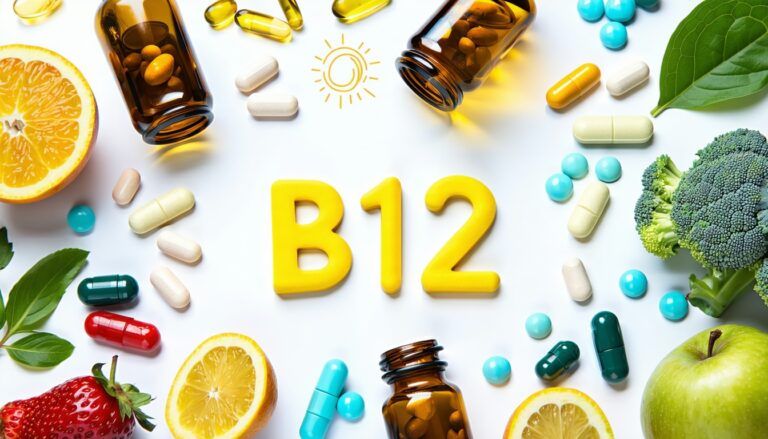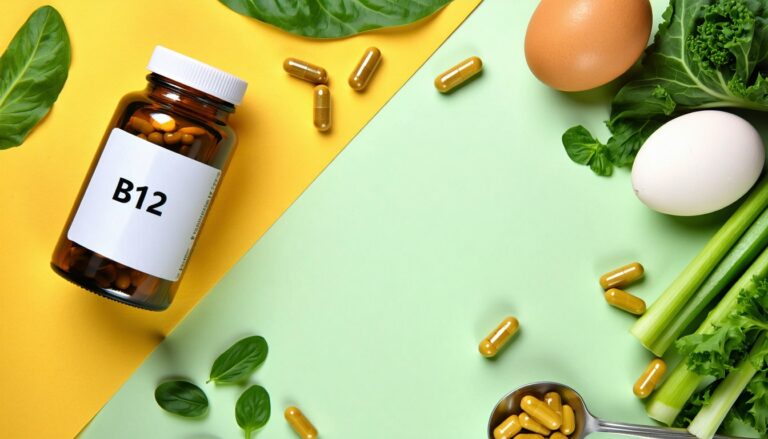

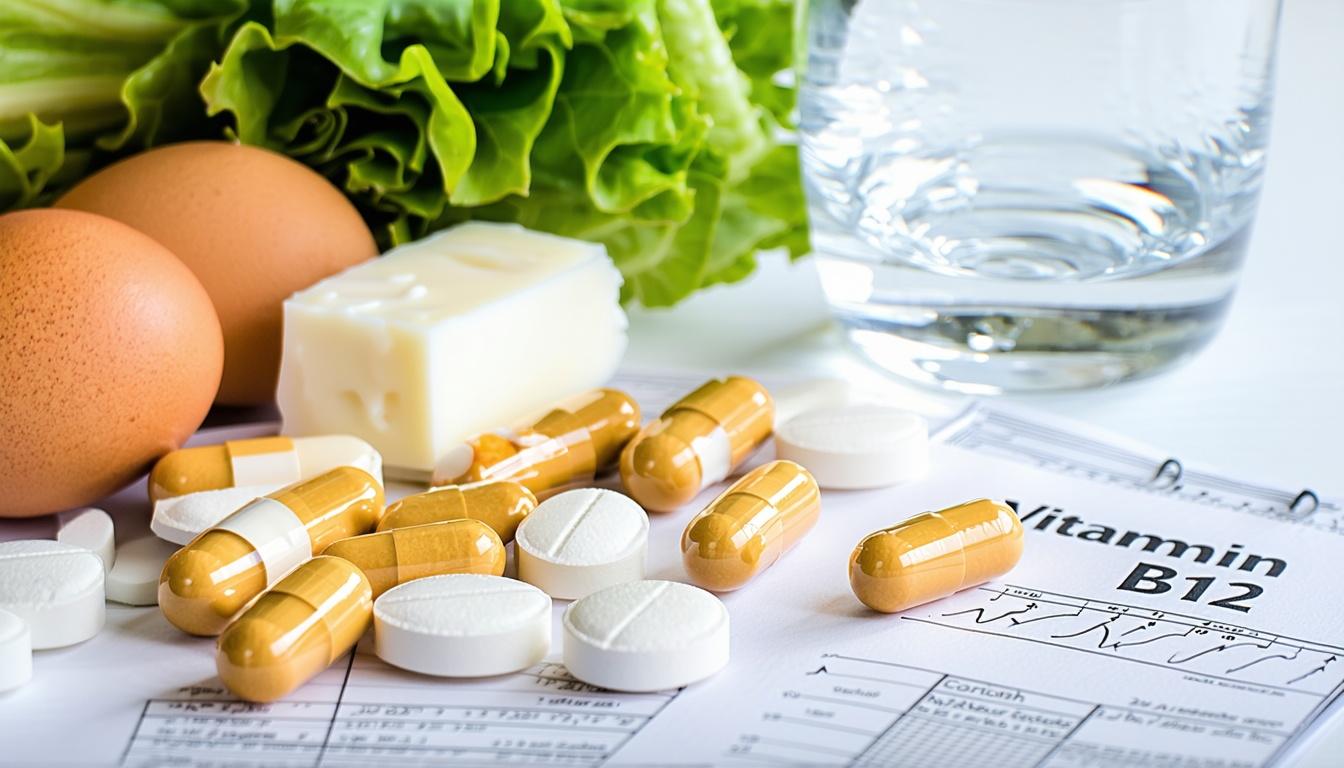
Vitamin B12 is a powerhouse nutrient essential for keeping your body and mind in top form. From producing red blood cells and supporting nerve health to boosting energy and mood, this vitamin plays a central role in how your body functions daily. While animal-based foods are primary sources, many people — including vegans, older adults, and those with certain medical conditions — may fall short and benefit from supplements or fortified foods. Understanding how Vitamin B12 works, where to get it, and what happens when you’re deficient can be the key to unlocking better overall health.
Understanding Vitamin B12
Why is Vitamin B12 Important?
Vitamin B12 is like that superstar nutrient your body can’t get enough of. It’s a big player in keeping you healthy and full of energy. Think of it as the glue holding together some of your body’s most important jobs. Without enough B12, you might find yourself feeling zapped and cranky. It’s vital for making red blood cells, keeping your brain sharp, and your nerves in tip-top shape (Medical News Today). Not getting enough can mess with your body, leading to stuff like weakness, feeling down, or just plain worn out.
Here’s the 411 on why B12 is your body’s BFF:
| What It Does | Why It Matters |
|---|---|
| Powering Red Blood Cells | Keeps ’em healthy to stop anemia from sapping your strength. |
| Nerve Whisperer | Helps nerves chat with your brain, so you don’t misfire. |
| DNA Production | Makes sure cells grow and split right, kind of like their instruction manual. |
| Beauty Booster | For glowing skin, shiny hair, and nails to make you proud. |
Vitamin B12’s Greatest Hits
B12 isn’t just sitting back; it’s hustling behind the scenes to help your body run smoothly. Check out its star performances:
-
Blood Cell Builder: B12 is the master builder of red blood cells, your body’s oxygen transport crew. Without it, you’re setting yourself up for anemia, the condition that makes being tired and weak a permanent state (Mayo Clinic).
-
Nerve Protector: B12 is practically the bodyguard of your nerves. It’s responsible for making myelin, the stuff that coats your nerves and keeps messages zipping through your body. Drop the ball here, and nerves could start going haywire.
-
DNA Duty: It’s the go-to for making DNA, the all-important blueprint your cells use to grow and divide. Without it, your body’s manufacturing plant hits a snag.
-
Mood Lifter: Feeling blue? B12 might have something to say about that. It’s tied to mood, and not having enough could leave you feeling off-kilter, maybe even anxious or depressed.
Knowing how B12 keeps you firing on all cylinders can help you decide if it’s time to bring in some reinforcements through vitamin B supplements or a special vitamin B12 supplement to give your health a leg up. Keeping an eye on your B12 levels ensures you’re running optimally, particularly if you suspect you’re running low.
Dietary Sources of Vitamin B12
Thinking about popping a vitamin B12 supplement? It might be worth knowing where you can naturally find this important nutrient in your diet first. You can hunt it down mostly in animal products, but hey, plants got a thing or two going on too!
Animal-Based Sources
The best grub to scoop up that vitamin B12 comes from, you guessed it, animals. Take a look at these Vitamin B12-loaded treats:
| Food Source | Serving Size | Vitamin B12 Content (%) |
|---|---|---|
| Lamb Liver | 3.5 oz (100g) | 3,571% Daily Value (DV) |
| Clams | 20 small | Over 7,000% Daily Value (DV) |
| Beef (Flat Iron Steak) | 190 grams | 467% Daily Value (DV) |
| Fish (Such as Trout) | 3.5 oz (100g) | 188% Daily Value (DV) |
| Dairy (Like Milk) | 1 cup (240ml) | 18% Daily Value (DV) |
| Eggs | 1 large | 6% Daily Value (DV) |
You got your animal liver and kidneys, especially from lamb, and clams packing a punch with vitamin B12. They’re pretty awesome if boosting B12 is your game.
Plant-Based Sources
Plants are kinda stingy with B12 naturally, but don’t sweat it. Some foods get a boost with that sweet vitamin:
| Food Source | Serving Size | Vitamin B12 Content (% DV) |
|---|---|---|
| Fortified Cereals | 1 cup (30g) | Up to 100% Daily Value (DV) |
| Nutritional Yeast | 2 tablespoons | 100% Daily Value (DV) |
| Fortified Plant Milk | 1 cup (240ml) | 50% Daily Value (DV) |
Grabbing a bowl of fortified cereal or a glass of plant milk every day can be your fruity pebbles to B12 paradise if you’re keen on keeping it plant-based.
Need more info on hitting those healthy vitamin levels? Check out b12 supplements or think about a vitamin b complex option that packs a bunch of goodies for your health vibe.
Vitamin B12 Deficiency
Causes of Deficiency
Vitamin B12 deficiency sneaks up on you for different reasons, mainly tied to the way it gets absorbed and stored. Knowing what’s behind the deficiency could guide you to decide on grabbing a vitamin B12 supplement.
| Cause | Description |
|---|---|
| Lack in Diet | Not eating enough vitamin B12-rich food, which is usually meat, eggs, and dairy, making vegetarians and vegans often miss out. |
| Trouble Absorbing | If you have conditions like pernicious anemia, your body might not produce enough of an intrinsic factor that’s needed to soak up B12. |
| Getting Older | As we age, the stomach might not produce as much acid, slowing down B12 absorption. |
| Digestive Disorders | Issues like Crohn’s or celiac disease can mess with how your body digests and sucks up nutrients. |
| Some Medications | Drugs like proton pump inhibitors and metformin can block B12 from being absorbed. |
Symptoms of Deficiency
Vitamin B12 deficiency can show up in your body, brain, and even affect your emotions, often creeping up slowly. Some symptoms take their sweet time to show up, so watching your health and checking in with a doctor just to be on the safe side is a good call.
| Symptom | Description |
|---|---|
| Fatigue | You might feel wiped out all the time because of not making enough red blood cells. |
| Weakness | General blah feeling that makes everyday stuff like lifting groceries a chore. |
| Mind Fog | Forgetfulness, trouble focusing, and maybe even slipping into serious mental struggles. |
| Mood Problems | Feel off? Anxiety, depression, or moods that swing harder than a playground set could be B12 nudging you. |
| Nerve Issues | Tingling or numb sensations in hands and feet could trip you up, literally. |
| Anemia | Pale look, gasping for air after simple tasks, and a racing heart are all part of the package. |
| Tummy Troubles | Constipation, eating less than usual, or shedding pounds without trying. |
Ignoring this can lead to headaches for your brain and nervous system (WebMD). If anything rings a bell, a chat about vitamin B supplements with your doctor can map out next steps—like tests or treatments.
Treatment and Supplements
Running low on vitamin B12? Let’s talk solutions—whether you’re taking pills or getting a jab, we’ll help get those B12 numbers up.
Vitamin B12 Supplements
If you’re one of those whose breakfast cereal and veggies are slacking in the B12 department, supplements are a handy fix. Popping a daily B12 tablet, especially if plants fill your plate, can work wonders. Vegans may want to make B12 tablets a lifelong buddy (NHS).
These supplements are pretty safe at the right doses. Expectant or new moms who stick to veggie or vegan meals—better consider B12 tablets too (Mayo Clinic).
| Supplement Type | Usual Amount | How Well It Works |
|---|---|---|
| Swallow Tablets | 1,000 – 2,000 mcg | Good for poor absorption issues |
| B12 Complex | Changes | Adds extra B vitamins for all-rounder benefits |
Curious to dig deeper? Check out our vitamin B supplements guide.
Vitamin B12 Injections
Sometimes, taking pills ain’t enough, and that’s when injections come to the rescue. Cyanocobalamin—the lab-made version of B12—can be zapped into your system either directly into muscle or just under the skin. How often you need these will depend on why your B12’s playing hide and seek (Cleveland Clinic).
Surprising tidbit: Oral megadoses (1,000-2,000 mcg) stack up as well as injections for most folks struggling with absorption, so you’ve got options.
Thinking about injecting some sense into those B12 levels? Chatting with a healthcare pro can help decide what’s best for your case. And whether it’s swallowing or injecting, keeping those B12 levels steady is where it’s at.
For the complete scoop, swing by our pages on vitamin B12 supplement and vitamin b complex supplements.
Risk Factors and Precautions
Populations at Risk
Some folks are more likely to miss out on vitamin B12, and knowing this can keep you on your toes health-wise.
-
Vegetarians and Vegans: If you’re all about the greens and skip on the meat, you might not be getting enough B12 since it likes to hang out in animal foods. Checking out vitamin B12 supplements or picking foods that are fortified can keep your levels in check.
-
Older Adults: Getting older isn’t just about the wisdom—you also need to keep an eye on how well your body sucks up nutrients, including B12. You might want to get those levels checked more often.
-
Folks with Absorption Issues: If you’ve got stuff like celiac disease, Crohn’s, or have had some gut surgery, your body’s got a harder time taking in B12, which can put you in the danger zone for missing out.
-
Expectant and Nursing Moms: If you are pregnant, you should aim for taking in 2.6 mcg of B12 daily, while nursing means bumping it up to 2.8 mcg to keep both you and the baby in great shape (Medical News Today).
At-Risk Populations in a Nutshell
| Group | Why They’re at Risk |
|---|---|
| Vegetarians/Vegans | Low B12 in daily eats |
| Older Adults | Absorption slows down |
| Absorption-Reduced Conditions | Hard to soak up nutrients |
| Pregnant/Nursing Moms | Higher nutrition needs |
Recommended Dosages
You’re gonna need different amounts of B12 based on your stage in life. Most folks should shoot for 2.4 mcg a day. Here’s a quick look at what’s what:
| Group | Daily B12 Intake (mcg) |
|---|---|
| Teens and Grown-ups (14+) | 2.4 |
| Pregnant Folks | 2.6 |
| Nursing Folks | 2.8 |
Most people should be fine getting their B12 from food, but those who might miss the mark should consider vitamin B supplements or fortified options. No need to panic about taking too much—your body will handle the extra by letting it go (Medical News Today). But if you think you need more because you’re lacking, it’s smart to chat with a healthcare provider.
Monitoring and Prognosis
Blood Tests for B12 Levels
You gotta keep an eye on your vitamin B12 levels, and that means regular blood tests are your new best friend, especially if you might be running low. Doctors generally use serum or plasma tests to see what’s up. If your levels drop below a certain point, it might be time to think about supplements or dig a bit deeper. Tracking those B12 numbers is crucial to make sure your treatment’s hitting the mark and you’re keeping in tip-top shape.
For folks dealing with stuff like pernicious anemia, this monitoring thing gets even more important. Pernicious anemia is an autoimmune issue that can seriously tank your B12, messing with your blood and intrinsic factor (IF) levels. The Office of Dietary Supplements (ODS) says keeping tabs on your B12 levels is a smart move to dodge those physical, brain-jarring, or nerve-wracking symptoms.
| Test Type | What It’s For |
|---|---|
| Serum B12 Test | Checks B12 levels in your blood |
| Reticulocyte Count | Looks at immature red blood cells to see how your bone marrow’s doing |
| Hemoglobin Levels | Measures how well your blood’s delivering oxygen and staying healthy |
Long-Term Outlook
Catching a vitamin B12 deficiency sooner rather than later can change everything. With the right treatment, most symptoms start clearing up. But if you ignore it, it could lead to lasting damage to your nerves or brain (Cleveland Clinic). After you start on the supplements or other treatments, you still need to keep an eye on your levels to be sure they’re staying where they should. If you slack off or the treatment doesn’t work, those symptoms might come back to haunt you. The NHS points out that follow-up tests, like checking hemoglobin and reticulocyte counts, are often necessary to see if the treatment’s working.
Thinking about grabbing a vitamin B12 supplement? Look into options like vitamin B12 supplements or B complex supplements to boost your health. Regular visits to your doctor can keep you clued in on what your body’s begging for, vitamin-wise, and help you keep feeling great.
Final Thoughts
Vitamin B12 is more than just a daily requirement — it’s a cornerstone for maintaining vitality, mental clarity, and long-term well-being. Whether you’re managing a vegetarian diet, dealing with absorption challenges, or simply aiming to feel more energized, knowing your B12 status is a critical step. With proper dietary choices, regular monitoring, and supplementation when necessary, you can stay ahead of deficiency and enjoy the full benefits this essential nutrient has to offer. Your health is worth the investment, and Vitamin B12 might just be the missing piece to help you thrive.
Frequently Asked Questions (FAQ)
What does Vitamin B12 do for the body?
Vitamin B12 supports red blood cell production, protects nerve function, assists with DNA synthesis, and can positively influence mood and energy levels. It plays a crucial role in keeping your brain and body functioning properly.
Who is at risk of Vitamin B12 deficiency?
Vegetarians, vegans, older adults, people with gastrointestinal conditions like Crohn’s or celiac disease, and individuals taking certain medications (such as metformin or acid reducers) are at higher risk of B12 deficiency.
How can I tell if I’m deficient in Vitamin B12?
Common symptoms include fatigue, weakness, mood swings, memory issues, tingling in hands and feet, and even anemia. A blood test is the most reliable way to check your levels.
Can I get enough Vitamin B12 from plant-based sources?
Not naturally. Plant-based diets often lack sufficient B12, but fortified foods (like cereals and plant milks) and supplements are effective alternatives for vegetarians and vegans.
Are Vitamin B12 supplements safe?
Yes, B12 supplements are generally safe and well-tolerated, even in high doses. Your body typically eliminates excess amounts through urine. However, it’s best to consult with a healthcare provider for personalized advice.
Are B12 injections better than oral supplements?
For most people, high-dose oral supplements are just as effective as injections. Injections may be recommended in severe deficiency cases or when absorption issues are present.
How much Vitamin B12 do I need daily?
Adults typically need 2.4 mcg per day. Pregnant individuals require 2.6 mcg, and those who are breastfeeding need 2.8 mcg. Your doctor may recommend higher doses if you’re deficient.