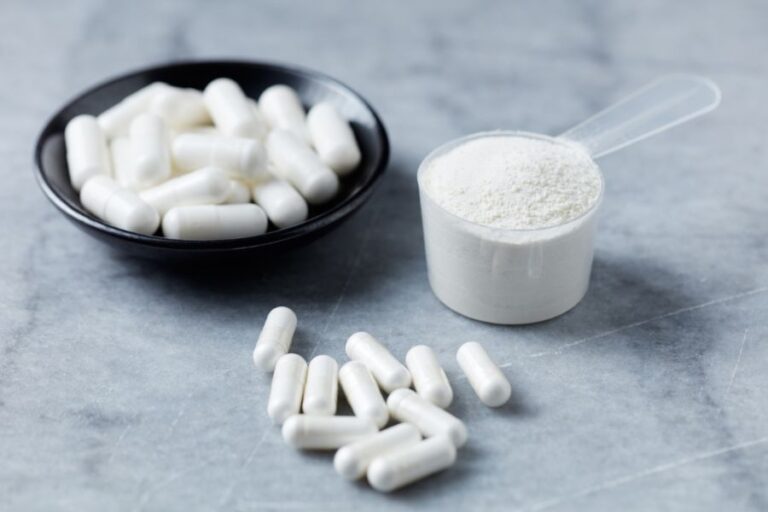


MSM, short for methylsulfonylmethane, is a naturally occurring compound that contains sulfur. It’s found in small amounts in many foods and is also produced in the human body. Over the years, MSM has gained attention for its potential health benefits, particularly in joint support, inflammation reduction, and recovery from physical stress.
You’ll often see MSM as an ingredient in dietary supplements marketed for joint health, skin improvement, or exercise recovery. It’s available in various forms, including capsules, powders, and topical creams. Some people also take MSM as part of a broader anti-inflammatory or wellness routine.
In this article, we’ll explore what MSM does for the body, how it may help with common health concerns, and what the current science says about its effectiveness. We’ll also look at how to use MSM safely and whether it makes sense to include it in your supplement regimen.
What Is MSM?
MSM (methylsulfonylmethane) is an organic sulfur compound made up of carbon, hydrogen, oxygen, and sulfur. It’s naturally present in fruits, vegetables, grains, milk, and meat—but usually in very small amounts that are lost during cooking or food processing. Because of this, many people turn to MSM supplements to increase their intake.
Chemically, MSM is known for its high sulfur content, which the body uses to build essential amino acids, enzymes, and antioxidants. Sulfur also plays a key role in producing collagen and keratin—two proteins that support healthy skin, joints, hair, and nails.
MSM has been studied for several decades, initially gaining traction in veterinary medicine for treating inflammation in horses and dogs. Eventually, researchers began exploring its potential benefits for humans. Today, it’s commonly included in joint health supplements and is often paired with glucosamine, chondroitin, or hyaluronic acid.
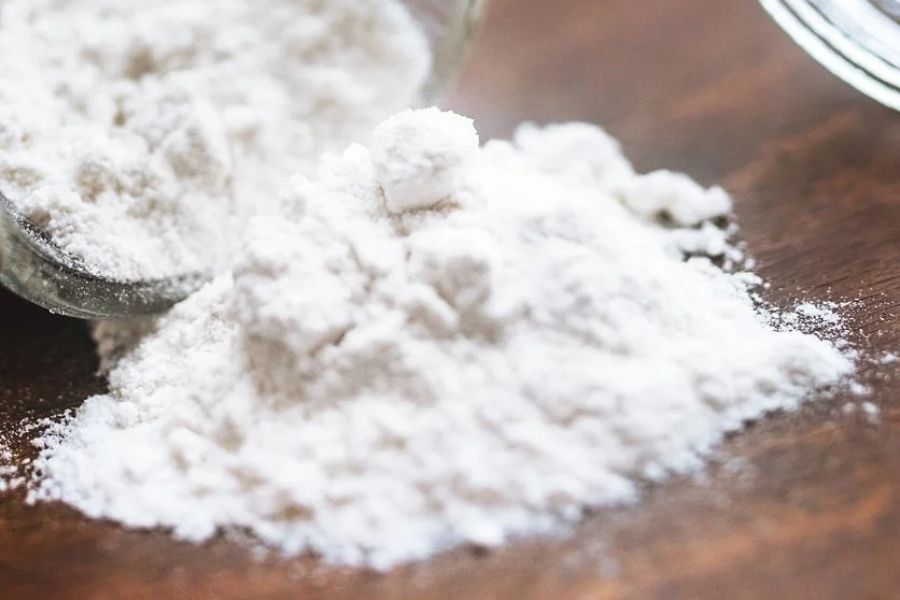
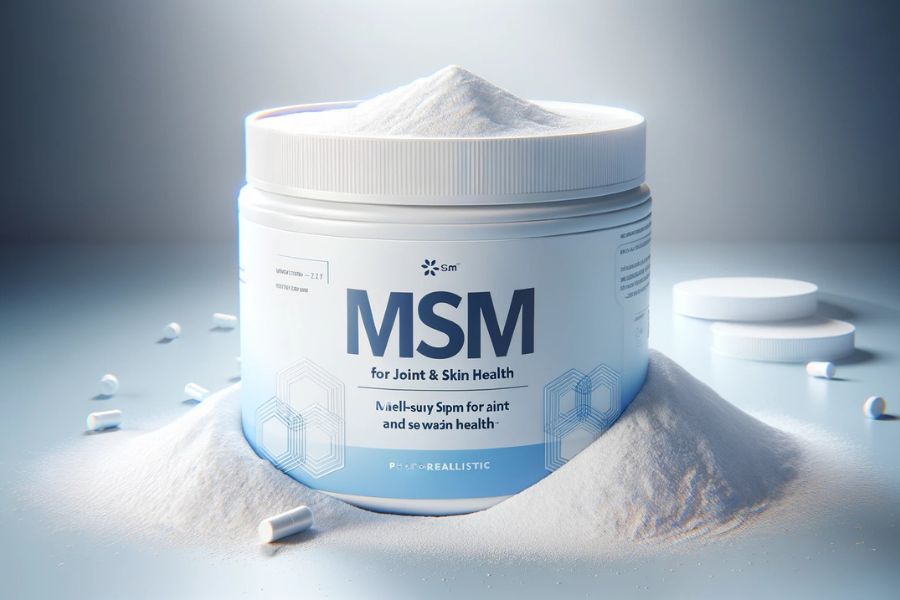
This compound is usually taken in oral form (capsules or powder), though topical MSM creams are available for localized pain or skin concerns. It dissolves well in water and is generally considered safe when used as directed.
Anti-Inflammatory Effects
One of MSM’s most widely researched and reported benefits is its potential to reduce inflammation. Chronic inflammation plays a central role in many health issues, including arthritis, muscle pain, allergies, and even heart disease. MSM may help regulate the body’s inflammatory response and ease related symptoms.
MSM appears to work by inhibiting the release of pro-inflammatory cytokines—molecules that signal the body to produce inflammation. It also seems to reduce oxidative stress, which occurs when there’s an imbalance between free radicals and antioxidants in the body. Together, these actions can lower the overall inflammatory burden on joints, muscles, and tissues.
Clinical studies have found that MSM can reduce pain and improve function in people with osteoarthritis, especially in the knees. Some participants in these studies reported less stiffness and better mobility after several weeks of daily MSM supplementation. In one trial, MSM at a dose of 3 grams twice a day led to significant improvements in joint discomfort compared to a placebo.
Other research suggests that MSM might help relieve symptoms related to exercise-induced muscle damage, allergic reactions, and even inflammatory bowel conditions. However, more large-scale human studies are still needed to confirm these broader effects.
Joint and Muscle Support
MSM is often included in joint support formulas for good reason—it may help reduce pain, improve flexibility, and slow joint degeneration. This makes it a popular option for people dealing with arthritis, stiffness, or general wear and tear from aging or physical activity.
In individuals with osteoarthritis, particularly in the knees, studies show MSM can ease pain and improve joint function. For example, research has found that taking around 3 grams of MSM twice daily for 12 weeks can significantly reduce joint pain and swelling. Participants often report increased comfort while walking, standing, or climbing stairs.
MSM may also support muscle health and recovery. It appears to lower levels of oxidative stress and inflammation caused by strenuous exercise. This can help athletes and active individuals recover faster and experience less soreness after workouts. In a small trial, participants who took MSM reported less muscle soreness and fatigue after endurance activities compared to those taking a placebo.
Some joint supplements combine MSM with glucosamine and chondroitin for added support. While each compound works differently, together they may provide broader relief for joint discomfort and stiffness, especially in people with degenerative joint conditions.
Skin, Hair, and Nail Health
MSM may offer benefits beyond joints and muscles—it also supports healthy skin, hair, and nails. This is largely due to its sulfur content. Sulfur is necessary for producing keratin and collagen, two structural proteins that give strength and elasticity to skin and hair.
Regular MSM supplementation may improve skin texture and hydration. Some studies suggest it can reduce redness, roughness, and signs of aging like fine lines. It may also help repair the skin barrier, especially when combined with other ingredients like hyaluronic acid or vitamin C. MSM’s anti-inflammatory and antioxidant effects can further support skin health by calming irritation and protecting against environmental damage.
Topical MSM is often used in creams or gels to soothe acne-prone or inflamed skin. While results vary, some users report fewer breakouts and reduced redness with consistent use.
In terms of hair and nails, MSM is thought to strengthen strands and promote growth. While human research in this area is limited, anecdotal evidence suggests it may help reduce hair shedding and lead to thicker, shinier hair over time. It may also contribute to stronger, less brittle nails due to its role in keratin production.
Antioxidant and Detoxification Support
MSM may help the body manage oxidative stress and support its natural detoxification processes. This benefit is tied to sulfur, a critical component in the production of glutathione—one of the body’s most powerful antioxidants.
Glutathione helps neutralize harmful free radicals and supports the health of cells, tissues, and organs. MSM acts as a sulfur donor, providing the building blocks your body needs to maintain adequate glutathione levels. By doing so, it may help improve cellular defense against toxins, pollutants, and oxidative damage.
Some research suggests that MSM may also support liver function, which plays a central role in detoxifying the body. In animal studies, MSM helped reduce liver inflammation and oxidative stress caused by toxic compounds. While human research is still limited, these early findings are promising.
Additionally, MSM may aid the body’s natural elimination pathways. Some users report improved digestion and fewer signs of toxin buildup, such as fatigue, brain fog, or skin issues, after consistent supplementation.
Although MSM should not be viewed as a detox cure, its role in supporting antioxidant activity and sulfur metabolism may contribute to overall wellness when paired with a balanced diet and healthy lifestyle.
Immune System Effects
MSM may help regulate immune activity by reducing inflammation and oxidative stress—two factors that can disrupt immune balance. While it’s not classified as an immune booster in the traditional sense, some studies suggest that MSM can support immune function in indirect but meaningful ways.
One potential benefit is its effect on seasonal allergies. MSM has been studied for its ability to reduce symptoms like nasal congestion, sneezing, and itching. In one clinical trial, participants taking 2,600 mg of MSM daily for 30 days reported significant improvement in allergy symptoms compared to a control group. Researchers believe this may be due to MSM’s ability to reduce histamine levels and calm inflammatory responses.
MSM might also help modulate immune overactivity in cases of chronic inflammation or autoimmune conditions. By lowering the release of pro-inflammatory cytokines and oxidative compounds, MSM may help reduce flare-ups and tissue damage. While more research is needed in this area, early data suggests that it may help promote a more balanced immune response.
Additionally, MSM’s support of glutathione production may help immune cells function more effectively. Glutathione plays a role in cell signaling and protects immune cells from oxidative damage, which is essential for maintaining long-term immune health.
MSM for Exercise Performance and Recovery
MSM is popular among athletes and fitness enthusiasts for its potential to reduce muscle soreness and speed up recovery after intense physical activity. While it doesn’t directly improve strength or endurance, it may help the body bounce back faster and with less discomfort.
One of the main reasons MSM is used in this context is its anti-inflammatory action. After strenuous exercise, especially strength training or endurance workouts, the body produces inflammatory compounds that contribute to muscle soreness and stiffness—known as delayed onset muscle soreness (DOMS). MSM may help by limiting the production of these compounds and reducing muscle damage.
Several small studies support this effect. In one trial, participants who took 3 grams of MSM daily for three weeks reported less muscle soreness after running a half-marathon compared to those who took a placebo. Other research found that MSM supplementation helped reduce fatigue and muscle damage markers after resistance training.
MSM may also help support flexibility and joint comfort during regular physical activity, especially in people who train frequently. While it doesn’t replace rest and proper recovery practices like hydration and stretching, it can be a helpful addition to a well-rounded fitness routine.
Digestive and Gut Health Benefits
Although MSM is better known for its effects on joints and inflammation, some early research and anecdotal evidence suggest it may also support digestive health—particularly through its anti-inflammatory and antioxidant properties.
Chronic inflammation in the gut can contribute to a range of digestive issues, including bloating, gas, cramps, and more serious conditions like irritable bowel syndrome (IBS) or leaky gut. MSM may help calm inflammation in the gastrointestinal tract, which could lead to fewer symptoms and better gut function over time.
There’s also interest in MSM’s role in maintaining the integrity of the intestinal lining. A compromised gut barrier, often referred to as “leaky gut,” allows toxins and undigested food particles to pass into the bloodstream, potentially triggering immune reactions. MSM’s sulfur content contributes to tissue repair and may help strengthen the mucosal barrier, although direct evidence is still limited.
In addition, MSM may support a balanced gut microbiome by creating an environment that limits oxidative stress. A healthier microbiome often leads to better digestion, more regular bowel movements, and improved nutrient absorption.
While more clinical studies are needed to confirm these benefits in humans, many users report improvements in bloating, regularity, and general digestive comfort with consistent MSM use.
Dosage and How to Take MSM
The optimal dosage of MSM depends on the individual’s goals, health status, and tolerance. Most clinical studies use daily doses ranging from 1,500 mg to 6,000 mg, often split into two or three servings throughout the day.
For general joint support or inflammation relief, 2,000 to 3,000 mg per day is commonly used. Athletes aiming to reduce muscle soreness after workouts may take up to 6,000 mg daily, especially during periods of intense training. It’s best to start with a lower dose (e.g., 1,000 mg per day) and gradually increase to assess how your body responds.
MSM is available in several forms:
- Capsules or tablets: Convenient and easy to dose.
- Powder: Usually more cost-effective for higher dosages; can be mixed with water or juice.
- Topical creams or gels: Applied directly to the skin for localized relief of joint or muscle pain.
To reduce the risk of digestive discomfort, it’s recommended to take MSM with food. Splitting the dose into two or three servings throughout the day may also improve absorption and minimize side effects.
Because individual responses vary, consistency is key. Some people notice results within a week, while others may need three to four weeks of daily use before experiencing benefits.
Potential Side Effects and Safety Considerations
MSM is generally considered safe for most people when used at standard doses. It has earned GRAS (Generally Recognized as Safe) status from the U.S. Food and Drug Administration, and clinical trials have shown few adverse effects, even with doses up to 6,000 mg per day.
That said, some individuals may experience mild side effects, especially when first starting supplementation. These can include:
- Upset stomach
- Nausea
- Diarrhea
- Headache
- Fatigue
- Skin rash (less common)
These effects are usually temporary and often subside as the body adjusts. Taking MSM with food or reducing the dosage can help limit discomfort.
There are a few situations where MSM use should be approached with caution:
- Pregnant or breastfeeding women should avoid MSM unless approved by a healthcare provider, as safety data is limited.
- People with sulfur allergies should consult a doctor, though MSM is not the same as sulfa drugs and usually doesn’t trigger the same reactions.
- Individuals taking blood thinners or anticoagulants should check with their physician, as MSM may have a mild blood-thinning effect.
If you’re managing a chronic health condition or taking prescription medications, it’s best to speak with a healthcare professional before adding MSM to your routine.
What Does the Research Say?
Scientific interest in MSM has grown steadily over the past two decades, with research focusing on its anti-inflammatory, antioxidant, and pain-relieving properties. While more large-scale human trials are needed, existing studies provide encouraging results.
Joint Health and Pain Relief
One of the most cited studies is a double-blind, placebo-controlled trial published in Osteoarthritis and Cartilage, where participants with knee osteoarthritis took 3,000 mg of MSM twice daily. After 12 weeks, they showed significant improvements in pain, stiffness, and physical function compared to the placebo group.
Exercise Recovery
A study in The Journal of Sports Medicine and Physical Fitness evaluated MSM’s effect on exercise-induced muscle damage. Subjects who supplemented with MSM reported reduced muscle soreness and lower levels of muscle damage markers after running. Similar results have been observed in resistance training studies, suggesting MSM may shorten recovery time.
Skin and Allergy Relief
Research published in The Journal of Alternative and Complementary Medicine found that MSM improved skin tone and firmness after 16 weeks of use. Another trial observed reduced symptoms of seasonal allergic rhinitis in participants taking 2,600 mg daily, including better breathing and less congestion.
Anti-Inflammatory and Antioxidant Activity
Animal and in-vitro studies confirm that MSM can inhibit the release of inflammatory cytokines and support glutathione production. These effects suggest MSM may be beneficial in managing chronic inflammation and oxidative stress, though more human data is needed.
Limitations
While results are promising, many studies are small and short-term. Larger, longer-term clinical trials are needed to better understand MSM’s role in treating chronic conditions and how it interacts with other nutrients or medications.
Conclusion
MSM is a versatile supplement with a growing body of evidence supporting its use for joint comfort, inflammation control, and recovery support. Its role as a sulfur donor helps the body produce essential compounds like glutathione, collagen, and keratin—all of which are vital for maintaining overall health.
Many people use MSM to relieve joint stiffness, improve skin quality, reduce muscle soreness, and support immune and digestive health. While results can vary, consistent use over several weeks often leads to noticeable improvements. MSM appears to be safe for most individuals when used appropriately and may serve as a helpful addition to a daily wellness routine.
If you’re considering MSM for a specific concern, such as arthritis, exercise recovery, or seasonal allergies, it’s wise to start with a low dose and gradually increase as needed. And as with any supplement, it’s best to speak with a healthcare provider—especially if you’re taking medication or managing a medical condition.
Frequently Asked Questions (FAQs)
1. How long does it take for MSM to work?
Most people begin to notice effects within 1 to 3 weeks of daily use. For joint pain or inflammation, benefits may become more noticeable after 3 to 4 weeks. Consistency is important, especially for chronic conditions.
2. Can I take MSM with other supplements?
Yes, MSM is commonly combined with glucosamine, chondroitin, turmeric, and hyaluronic acid. It generally mixes well with other joint and recovery supplements. However, if you’re taking prescription medications or managing a health condition, talk to your doctor first.
3. Is MSM natural or synthetic?
MSM used in supplements is typically synthetically derived, but it is chemically identical to the form found in nature. It’s often produced through a reaction involving DMSO (dimethyl sulfoxide) and hydrogen peroxide.
4. Should I take MSM every day?
Daily use is recommended for those seeking ongoing benefits, especially for inflammation or joint support. Long-term use appears to be safe at standard dosages, though it’s always a good idea to evaluate your supplement routine every few months.
5. What’s the best time of day to take MSM?
There’s no specific time that works best for everyone. Many users take MSM with meals, often splitting the dose between morning and evening to improve absorption and minimize side effects like stomach upset.
References
- Toguchi A, Noguchi N, Kanno T, Yamada A. Methylsulfonylmethane Improves Knee Quality of Life in Participants with Mild Knee Pain: A Randomized, Double-Blind, Placebo-Controlled Trial. Nutrients 2023;15:2995. View abstract.
- Hummadi AA, Gany SN, Hadi NR. Evaluation of the effect of topically applied methylsulfonylmethane and their combination with minoxidil solution for improvement of hair growth in male mice. Wiad Lek 2022;75(11 pt 2):2744-2751. View abstract.
- Miller L, Thompson K, Pavlenco C, et al. The Effect of Daily Methylsulfonylmethane (MSM) Consumption on High-Density Lipoprotein Cholesterol in Healthy Overweight and Obese Adults: A Randomized Controlled Trial. Nutrients 2021;13:3620. View abstract.
- Desideri I, Lucidi S, Francolini G, et al. Use of an alfa-lipoic, methylsulfonylmethane, Boswellia serrata and bromelain dietary supplement (OPERA®) for aromatase inhibitors-related arthralgia management (AIA): a prospective phase II trial (NCT04161833). Med Oncol 2022;39:113. View abstract.
- Crawford P, Crawford A, Nielson F, Lystrup R. Methylsulfonylmethane for treatment of low back pain: A safety analysis of a randomized, controlled trial. Complement Ther Med. 2019;45:85-88. View abstract.
- Muizzuddin N, Benjamin R. Beauty from within: Oral administration of a sulfur-containing supplement methylsulfonylmethane improves signs of skin ageing. Int J Vitam Nutr Res. 2020:1-10. View abstract.
- Desideri I, Francolini G, Becherini C, et al. Use of an alpha lipoic, methylsulfonylmethane and bromelain dietary supplement (Opera) for chemotherapy-induced peripheral neuropathy management, a prospective study. Med Oncol. 2017 Mar;34:46.View abstract.
- Withee ED, Tippens KM, Dehen R, Tibbitts D, Hanes D, Zwickey H. Effects of methylsulfonylmethane (MSM) on exercise-induced oxidative stress, muscle damage, and pain following a half-marathon: a double-blind, randomized, placebo-controlled trial. J Int Soc Sports Nutr. 2017 Jul 21;14:24. View abstract.
- Lubis AMT, Siagian C, Wonggokusuma E, Marsetyo AF, Setyohadi B. Comparison of glucosamine-chondroitin sulfate with and without methylsulfonylmethane in grade I-II knee osteoarthritis: a double blind randomized controlled trial. Acta Med Indones. 2017 Apri;49:105-11. View abstract.
- Notarnicola A, Maccagnano G, Moretti L, et al. Methylsulfonylmethane and boswellic acids versus glucosamine sulfate in the treatment of knee arthritis: randomized trial. Int J Immunopathol Pharmacol. 2016 Mar;29:140-6. View abstract.
- Hwang JC, Khine KT, Lee JC, Boyer DS, Francis BA. Methyl-sulfonyl-methane (MSM)-induced acute angle closure. J Glaucoma. 2015 Apr-May;24:e28-30. View abstract.
- Nieman DC, Shanely RA, Luo B, Dew D, Meaney MP, Sha W. A commercialized dietary supplement alleviates joint pain in community adults: a double-blind, placebo-controlled community trial. Nutr J 2013;12:154. View abstract.
- Beilke, M. A., Collins-Lech, C., and Sohnle, P. G. Effects of dimethyl sulfoxide on the oxidative function of human neutrophils. J Lab Clin Med 1987;110:91-96. View abstract.
- Lopez, H. L. Nutritional interventions to prevent and treat osteoarthritis. Part II: focus on micronutrients and supportive nutraceuticals. PM.R. 2012;4(5 Suppl):S155-S168. View abstract.
- Layman, D. L. and Jacob, S. W. The absorption, metabolism and excretion of dimethyl sulfoxide by rhesus monkeys. Life Sci 12-23-1985;37:2431-2437. View abstract.
- Armstrong, R., & Spooner, R. J. (2006). The effect of methylsulfonylmethane (MSM) on osteoarthritic knees: A pilot study. Osteoarthritis and Cartilage, 14(3), 286–288.
- Usha, P. R., & Naidu, M. U. R. (2004). Randomised, double-blind, parallel, placebo-controlled study of oral glucosamine, methylsulfonylmethane and their combination in osteoarthritis. Clinical Drug Investigation, 24(6), 353–363.