
Methylsulfonylmethane, or MSM, is a sulfur-containing compound found in plants, animals, and humans. It occurs naturally in some fruits, vegetables, grains, and animal products but is more commonly taken as a dietary supplement. MSM has gained popularity for its potential to support joint health, reduce inflammation, and promote overall wellness.
Although research is still developing, many studies suggest that MSM may help with pain management, exercise recovery, skin health, and immune function. Its ability to reduce oxidative stress and inflammation makes it a supplement of interest for people dealing with chronic pain, arthritis, and skin conditions.
This article explores the reported health benefits of MSM, how it works in the body, who may benefit from it, and what current research has to say.
What Is MSM?
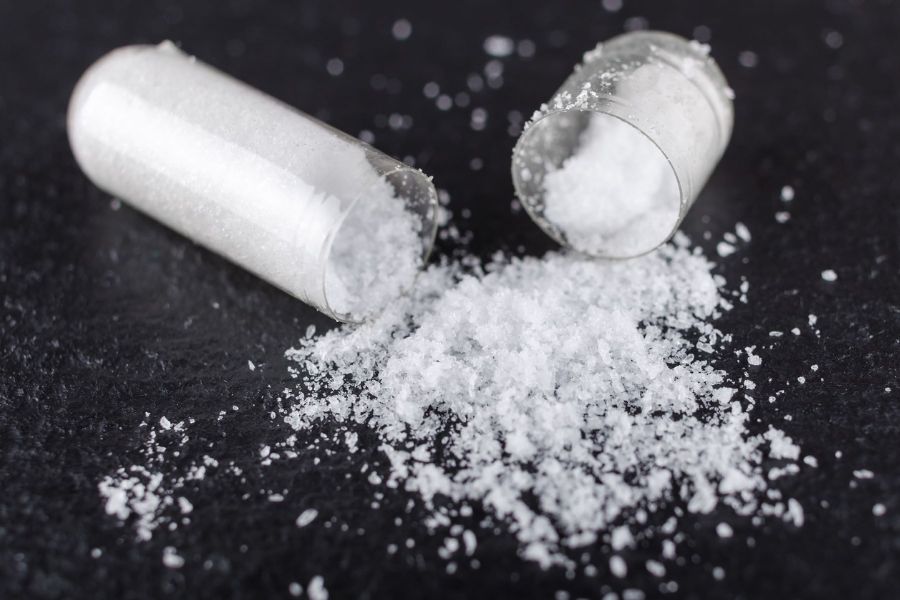
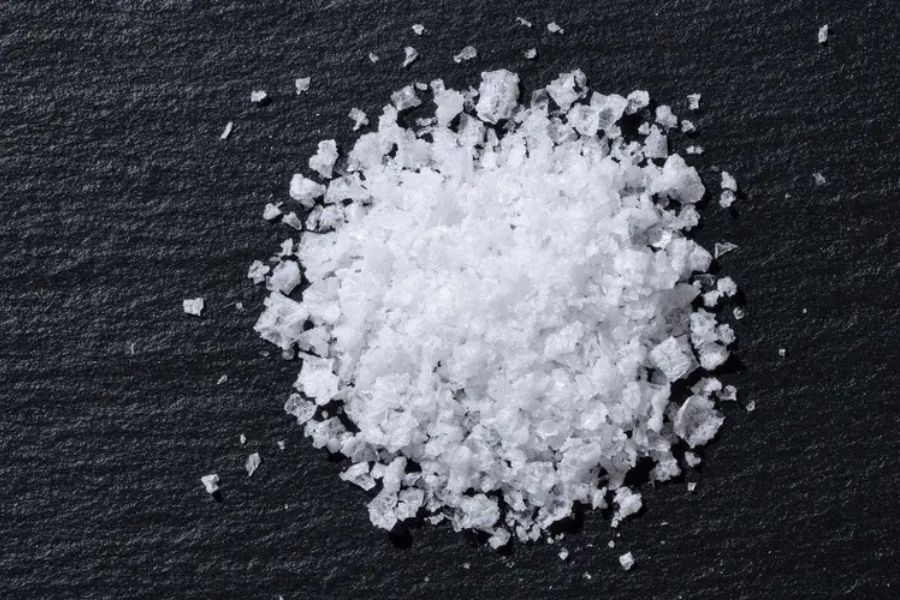
MSM stands for methylsulfonylmethane. It is an organic sulfur compound made up of carbon, hydrogen, oxygen, and sulfur. This compound exists naturally in small amounts in some foods, including raw vegetables, fruits, grains, and milk. However, most of the MSM found in dietary supplements is synthesized in laboratories to ensure purity and consistency.
MSM is a biologically active form of sulfur, which the body uses for many important functions. Sulfur plays a key role in the formation of connective tissue, enzymes, and antioxidants. Without enough sulfur, the body may struggle to maintain strong joints, healthy skin, and proper immune responses.
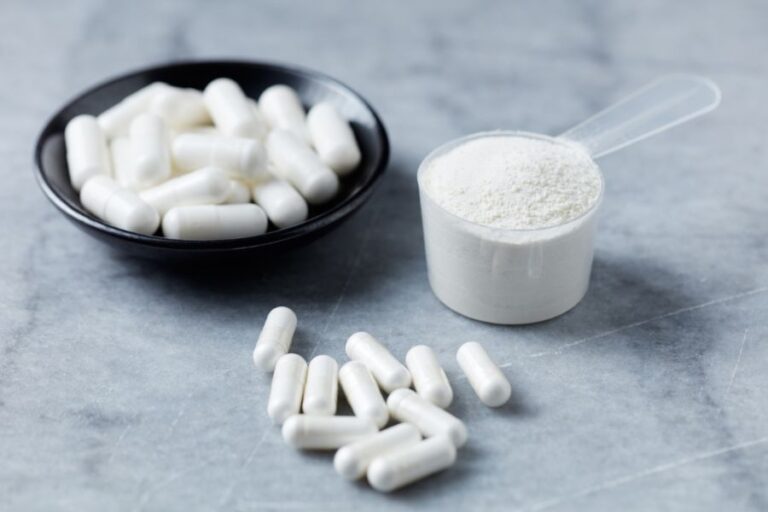
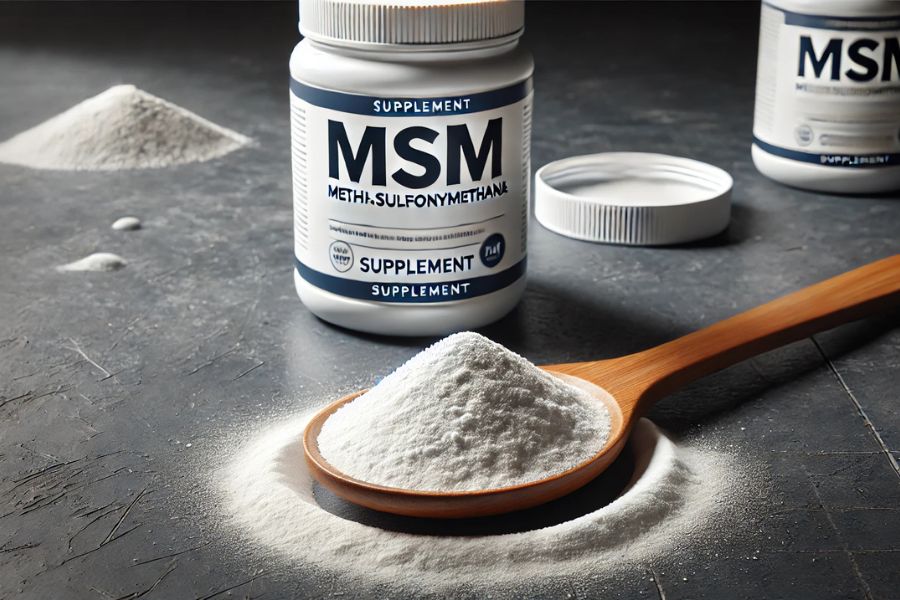
As a supplement, MSM is often used to help reduce inflammation, support joint mobility, and improve exercise recovery. It is available in several forms, including capsules, powders, and topical creams. Some users take MSM by itself, while others combine it with ingredients like glucosamine or chondroitin to enhance joint support.
MSM’s Role in Reducing Inflammation
One of the most well-known benefits of MSM is its ability to reduce inflammation. Inflammation is the body’s natural response to injury, infection, or stress, but chronic inflammation can contribute to many health issues, including arthritis, cardiovascular disease, and autoimmune conditions.
MSM appears to help regulate inflammatory processes by lowering the production of cytokines, which are signaling proteins involved in inflammation. It also reduces levels of nitric oxide and other markers of oxidative stress, which can damage tissues over time.
Several studies support MSM’s anti-inflammatory effects. For example, research shows that MSM supplementation can reduce markers of systemic inflammation, such as C-reactive protein (CRP) and interleukin-6 (IL-6). In individuals with osteoarthritis, MSM has been shown to ease joint swelling and tenderness, likely due to its effect on inflammatory pathways.
In addition to joint-related conditions, MSM may also help reduce inflammation linked to skin problems, allergies, and digestive discomfort. Its ability to calm the body’s inflammatory response is one reason it’s often included in supplements for general wellness.
Joint Health and Pain Relief
MSM is commonly used to support joint health and relieve pain, especially in individuals with osteoarthritis or other degenerative joint conditions. Its sulfur content helps maintain the structure of connective tissue, including cartilage, tendons, and ligaments.
Research shows that MSM can reduce joint pain, stiffness, and swelling. In a double-blind, placebo-controlled study involving people with knee osteoarthritis, those who took MSM reported a significant reduction in pain and improvement in physical function compared to the placebo group. These results suggest that MSM may help improve mobility and quality of life for those dealing with joint discomfort.
MSM may also slow the breakdown of cartilage by lowering oxidative stress and supporting collagen production. Many joint supplements combine MSM with glucosamine and chondroitin to enhance these effects, as they work through different mechanisms to support joint structure and comfort.
For people with chronic joint pain or stiffness, MSM offers a natural alternative that may reduce reliance on over-the-counter pain medications. While more long-term studies are needed, the available evidence supports its use as part of a joint care routine.
Muscle Recovery and Exercise Performance
MSM may benefit individuals who engage in regular physical activity by supporting muscle recovery and reducing post-exercise soreness. During intense exercise, the body produces reactive oxygen species (ROS), which can cause oxidative stress and contribute to muscle fatigue and damage. MSM helps neutralize these effects by acting as an antioxidant and anti-inflammatory agent.
Several studies have shown that MSM can reduce muscle soreness after exercise. In one study, physically active men who took MSM supplements reported less muscle soreness and fatigue after running. Another study involving resistance training found that MSM supplementation improved recovery time and reduced muscle damage, as measured by lower levels of creatine kinase (a marker of muscle breakdown).
MSM may also help improve range of motion and reduce joint stiffness after strenuous workouts. By limiting inflammation and supporting connective tissue health, it helps athletes recover faster and train more consistently.
These benefits make MSM a popular supplement among athletes, weightlifters, and active individuals looking to improve their performance and reduce recovery time between workouts.
Skin Health and Anti-Aging Properties
MSM supports skin health by aiding in collagen production and providing sulfur, a key element in the structure of skin, hair, and nails. Collagen helps maintain the skin’s elasticity and firmness, while sulfur helps strengthen keratin, the protein that forms the outer layer of the skin.
Several studies have explored MSM’s role in improving skin appearance. In one clinical trial, participants who took oral MSM for 16 weeks reported improvements in skin firmness, hydration, and overall tone. MSM may help reduce the appearance of fine lines and wrinkles by supporting skin structure and reducing oxidative damage.
MSM also has potential in managing skin conditions such as rosacea, acne, and eczema. Its anti-inflammatory and antimicrobial properties may help soothe irritated skin and reduce redness. Some products combine MSM with other soothing ingredients like aloe vera or tea tree oil in creams and serums for topical use.
Whether taken as a supplement or applied directly to the skin, MSM may support a clearer, more even complexion and promote a youthful appearance. Its antioxidant properties further protect the skin from environmental stressors that contribute to aging.
Immune System Support
MSM may help support immune function by regulating inflammation and strengthening the body’s natural defenses. The immune system relies on a balanced inflammatory response to protect against infections without causing excessive tissue damage. MSM appears to help modulate this response.
Studies suggest that MSM can lower levels of inflammatory markers like IL-6 and TNF-α, which are often elevated in chronic conditions. By reducing oxidative stress and promoting the activity of antioxidant enzymes such as glutathione, MSM helps maintain immune balance and protects immune cells from damage.
MSM has also been studied for its effects on seasonal allergies. It may reduce symptoms like sneezing, nasal congestion, and itching by decreasing histamine release and supporting the mucous membranes. In one clinical study, individuals with allergic rhinitis who took MSM experienced noticeable symptom relief without side effects.
While it’s not a cure or preventive measure for serious illnesses, MSM may help the body maintain a stable immune response, especially when combined with a nutrient-rich diet and healthy lifestyle.
Gut Health and Detoxification Support
MSM may contribute to better gut health and aid in detoxification by supporting the integrity of the intestinal lining and promoting the removal of harmful substances from the body. Its sulfur content plays a role in the production of glutathione, a key antioxidant involved in liver detoxification and cellular defense.
Some evidence suggests that MSM may help maintain the health of the gut barrier, reducing intestinal permeability—commonly referred to as “leaky gut.” A stronger gut lining can limit the entry of toxins and undigested food particles into the bloodstream, which may reduce inflammation and immune overreaction.
MSM is also thought to assist in detoxification by enhancing the body’s ability to flush out heavy metals and environmental toxins. It may support liver function by reducing oxidative stress and boosting the activity of detox enzymes. Though human studies are limited in this area, animal research and early clinical findings are promising.
By aiding gut health and detox pathways, MSM could support digestion, immune regulation, and overall vitality, especially in individuals exposed to dietary or environmental stressors.
Hair and Nail Growth
MSM may promote stronger, healthier hair and nails by supplying sulfur, a vital building block for keratin. Keratin is the structural protein that forms hair strands and nail plates, and sulfur helps reinforce the bonds that give these tissues their strength and resilience.
Anecdotal reports and early studies suggest that MSM can improve hair thickness, reduce shedding, and support faster growth when taken consistently. Some users also report shinier, more manageable hair and a reduction in breakage. These benefits are often most noticeable when MSM is used alongside other supportive nutrients like biotin and collagen.
For nails, MSM may help prevent brittleness and encourage stronger nail growth. It’s commonly included in beauty-focused supplements and topical treatments for this reason.
Although clinical research in this area is still limited, many individuals include MSM in their routine to support the visible health of hair and nails—especially those dealing with breakage, thinning, or slow growth.
Potential Benefits for Mood and Cognitive Health
MSM may offer some support for mental well-being by reducing oxidative stress and inflammation, which are linked to mood disorders and cognitive decline. Although research in this area is still emerging, early findings and user reports suggest MSM might help improve focus, clarity, and emotional stability.
Oxidative stress in the brain has been associated with anxiety, depression, and memory issues. MSM helps increase levels of glutathione, a powerful antioxidant that protects brain cells from damage. By maintaining healthy levels of antioxidants, MSM may contribute to better brain function and mental resilience.
Some users have reported a reduction in anxiety and improved concentration after taking MSM, although controlled studies are limited. In animal research, MSM showed promise in reducing depressive behaviors and improving stress response.
While it’s not a substitute for medical treatment, MSM may support mental health as part of a broader wellness routine, especially when paired with proper nutrition, exercise, and sleep.
MSM Safety and Side Effects
MSM is generally considered safe when used at standard dosages. Most people tolerate it well, even when taken over several months. The U.S. Food and Drug Administration (FDA) recognizes MSM as “Generally Recognized As Safe” (GRAS), and clinical trials have reported very few adverse effects.
When side effects do occur, they are typically mild. These may include bloating, nausea, diarrhea, fatigue, or headache. These symptoms often resolve on their own or disappear when the dose is reduced. To minimize discomfort, it’s best to start with a lower dose and gradually increase it.
MSM may not be appropriate for everyone. People who are pregnant, breastfeeding, or taking certain medications should consult a healthcare provider before use. There is limited research on MSM’s safety in children, so it is usually recommended for adults unless advised otherwise by a physician.
Long-term safety studies are still ongoing, but available data suggests that MSM has a strong safety profile, especially when taken within the commonly used dosage range of 1,000 to 3,000 mg per day.
Recommended Dosage and How to Take MSM
The typical dosage of MSM for adults ranges from 1,000 mg to 3,000 mg per day, though some studies have safely used up to 6,000 mg in divided doses. The right amount depends on the individual’s health status, goals, and tolerance. For general wellness, many people start with 1,000 mg and increase gradually.
MSM is available in various forms:
- Capsules or tablets: Easy to take, with fixed dosages
- Powder: Can be mixed with water or juice, allows for flexible dosing
- Topical creams: Used for localized relief of joint pain or skin conditions
It’s best to take MSM with food to avoid stomach upset. Dividing the total daily dose into two or three servings may improve absorption and reduce the chance of side effects.
Many supplements pair MSM with other nutrients like glucosamine, chondroitin, or vitamin C. Vitamin C, in particular, may help enhance MSM’s effects by supporting collagen formation and antioxidant protection.
As always, it’s a good idea to speak with a healthcare provider before beginning any new supplement routine, especially for those with underlying health conditions or who are taking medication.
How to Choose a Quality MSM Supplement
Not all MSM supplements are created equally. To ensure purity, safety, and effectiveness, it’s important to choose a product that meets high manufacturing standards.
One key indicator of quality is the use of OptiMSM®, a branded form of MSM that undergoes multi-stage distillation and third-party testing. OptiMSM is known for its high purity (typically 99.9%) and is widely used in clinical research. Choosing a product that uses OptiMSM can help you avoid contaminants or fillers that may be present in cheaper alternatives.
When evaluating MSM supplements, look for:
- Third-party testing: Independent lab results confirm purity and potency
- Clear labeling: Ingredients, dosage, and manufacturing details should be transparent
- No unnecessary additives: Avoid products with artificial colors, preservatives, or binders
- Reputable brands: Companies with a track record of quality and good manufacturing practices (GMP-certified)
If you prefer a specific delivery method—like capsules, powders, or topical creams—choose one that fits your lifestyle. Powders allow for flexible dosing, while capsules offer convenience.
A high-quality MSM supplement can improve the likelihood of seeing results and reduce the risk of side effects.
Conclusion
MSM (methylsulfonylmethane) is a widely used supplement that offers a range of potential benefits, especially for joint support, inflammation reduction, and exercise recovery. Its sulfur content supports the structure of connective tissues, while its antioxidant and anti-inflammatory effects help protect the body from physical stress and age-related decline.
Research suggests that MSM may improve joint mobility, ease muscle soreness, support healthy skin, and even promote stronger hair and nails. It may also offer support for immune function, gut health, and mood balance—though more research is needed in these areas.
MSM is generally well-tolerated, with minimal side effects when taken at appropriate doses. Choosing a high-quality product—preferably one that uses OptiMSM® and undergoes third-party testing—can make a difference in safety and effectiveness.
As with any supplement, it’s a good idea to speak with a healthcare professional before starting MSM, especially if you have a medical condition or take prescription medications.
Frequently Asked Questions (FAQs)
1. Is MSM natural or synthetic?
MSM is found in small amounts in some natural foods, but the MSM used in supplements is synthetically produced. This synthetic process replicates the compound’s natural structure and allows for a high level of purity, especially when produced using distillation methods like those used for OptiMSM®.
2. How long does it take to see results from MSM?
Many users report noticeable benefits within 2 to 4 weeks, though some effects—like improved joint comfort or skin appearance—may take longer. Consistency is important. Longer-term benefits may become more noticeable with ongoing use over 2 to 3 months.
3. Can MSM be taken with other supplements?
Yes. MSM is commonly combined with supplements like glucosamine, chondroitin, collagen, and vitamin C. These combinations may enhance benefits for joint support, skin health, and antioxidant protection. However, always check with a healthcare provider before starting multiple supplements.
4. Is MSM vegan?
Most MSM supplements, especially those made with OptiMSM®, are vegan and free from animal-derived ingredients. Still, it’s important to check the label to confirm that no gelatin capsules or animal-based additives are used.
5. Are there any drug interactions with MSM?
MSM has a low risk of interactions, but it may mildly thin the blood. If you’re taking blood thinners or medications for high blood pressure, consult your doctor before adding MSM. It’s also wise to check with a healthcare provider if you’re pregnant, breastfeeding, or managing a chronic illness.
References
- Tripathi R, Gupta S, Rai S, et al. Effect of topical application of methylsulfonylmethane (MSM), EDTA on pitting edema and oxidative stress in a double blind, placebo-controlled study. Cell Mol Biol (Noisy-le-grand). 2011 Feb 12;57:62-9. View abstract.
- Xie Q, Shi R, Xu G, et al. Effects of AR7 Joint Complex on arthralgia for patients with osteoarthritis: results of a three-month study in Shanghai, China. Nutr J. 2008 Oct 27;7:31. View abstract.
- Notarnicola A, Tafuri S, Fusaro L, et al. The “MESACA” study: methylsulfonylmethane and boswellic acids in the treatment of gonarthrosis. Adv Ther. 2011 Oct;28:894-906. View abstract.
- Debbi EM, Agar G, Fichman G, et al. Efficacy of methylsulfonylmethane supplementation on osteoarthritis of the knee: a randomized controlled study. BMC Complement Altern Med. 2011 Jun 27;11:50. View abstract.
- Brien S, Prescott P, Lewith G. Meta-analysis of the related nutritional supplements dimethyl sulfoxide and methylsulfonylmethane in the treatment of osteoarthritis of the knee. Evid Based Complement Alternat Med 2009 May 27. [Epub ahead of print]. View abstract.
- Kim LS, Axelrod LJ, Howard P, et al. Efficacy of methylsulfonylmethane (MSM) in osteoarthritis pain of the knee: a pilot clinical trial. Osteoarthritis Cartilage 2006;14:286-94. View abstract.
- Usha PR, Naidu MU. Randomised, Double-Blind, Parallel, Placebo-Controlled Study of Oral Glucosamine, Methylsulfonylmethane and their Combination in Osteoarthritis. Clin Drug Investig. 2004;24:353-63. View abstract.
- Lin A, Nguy CH, Shic F, Ross BD. Accumulation of methylsulfonylmethane in the human brain: identification by multinuclear magnetic resonance spectroscopy. Toxicol Lett 2001;123:169-77. View abstract.
- Gaby AR. Methylsulfonylmethane as a treatment for seasonal allergic rhinitis: more data needed on pollen counts and questionnaire. J Altern Complement Med 2002;8:229.
- Hucker HB, Ahmad PM, Miller EA, et al. Metabolism of dimethyl sulphoxide to dimethyl sulphone in the rat and man. Nature 1966;209:619-20.
- Allen LV. Methyl sulfonylmethane for snoring. US Pharm 2000;92-4.
- Murav’ev IuV, Venikova MS, Pleskovskaia GN, et al. Effect of dimethyl sulfoxide and dimethyl sulfone on a destructive process in the joints of mice with spontaneous arthritis. Patol Fiziol Eksp Ter 1991;37-9. View abstract.
- Jacob S, Lawrence RM, Zucker M. The Miracle of MSM: The Natural Solution for Pain. New York: Penguin-Putnam, 1999.
- Barrager E, Veltmann JR Jr, Schauss AG, Schiller RN. A multicentered, open-label trial on the safety and efficacy of methylsulfonylmethane in the treatment of seasonal allergic rhinitis. J Altern Complement Med 2002;8:167-73. View abstract.
- Klandorf H, et al. Dimethyl sulfoxide modulation of diabetes onset in NOD mice. Diabetes 1998;62:194-7.
- McCabe D, et al. Polar solvents in the chemoprevention of dimethylbenzanthracene-induced rat mammary cancer. Arch Surg 1986;62:1455-9. View abstract.
- O’Dwyer PJ, et al. Use of polar solvents in chemoprevention of 1,2-dimethylhydrazine-induced colon cancer. Cancer 1988;62:944-8. View abstract.
- Richmond VL. Incorporation of methylsulfonylmethane sulfur into guinea pig serum proteins. Life Sci 1986;39:263-8. View abstract.
- Barrager, E., Schauss, A. G., & Schiller, R. N. (2008). Safety and efficacy of methylsulfonylmethane (MSM) in osteoarthritis pain of the knee: A pilot clinical trial. Osteoarthritis and Cartilage, 16(11), 1277–1283.
- Usha, P. R., & Naidu, M. U. R. (2005). Randomized, double-blind, parallel, placebo-controlled study of oral glucosamine, methylsulfonylmethane and their combination in osteoarthritis. Osteoarthritis and Cartilage, 13(4), 287–294.
- Anthonavage, M., Benjamin, R., & Withee, E. (2015). Effects of oral supplementation with methylsulfonylmethane on skin health and wrinkle reduction. Natural Medicine Journal, 7(10).
- Grow Youthful. (n.d.). MSM (methylsulfonylmethane). Retrieved May 20, 2025, from GrowYouthful.com