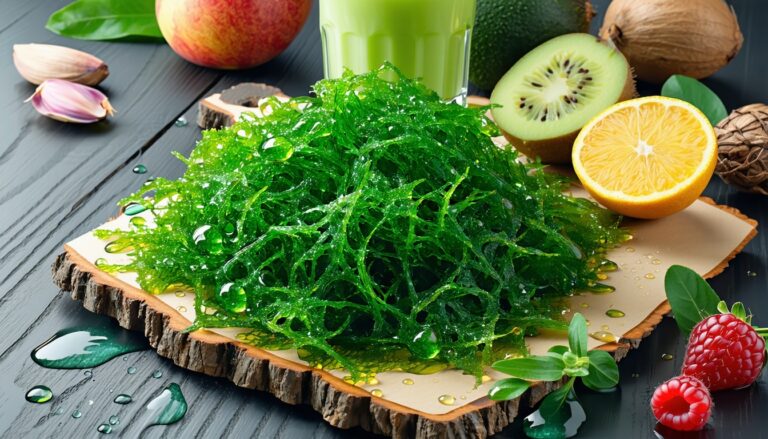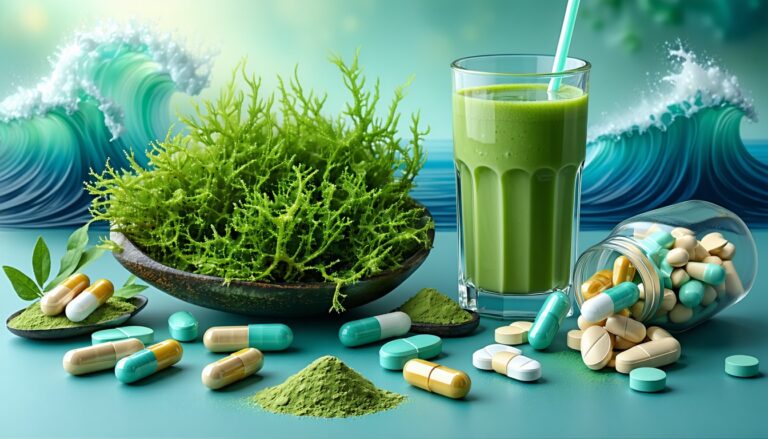

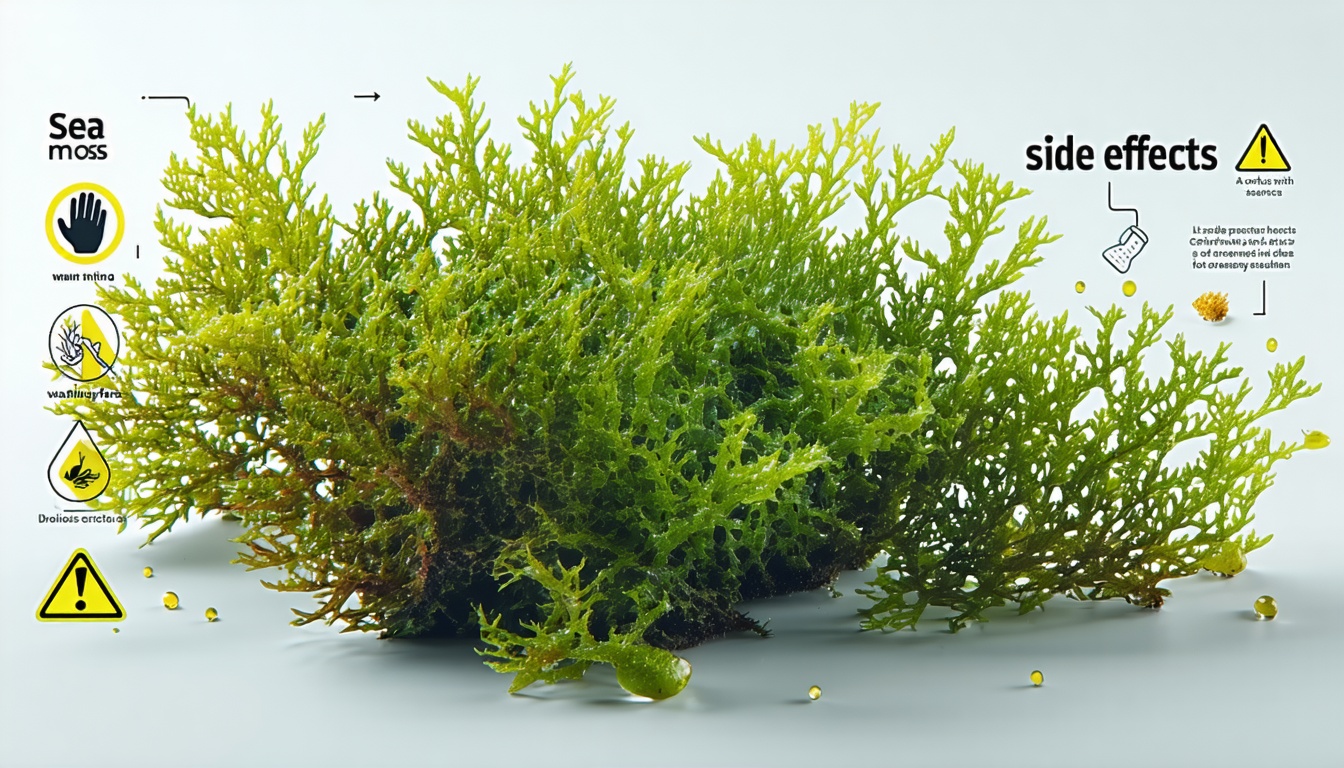
Sea Moss Side Effects can range from mild digestive discomfort to more serious thyroid imbalances when you exceed recommended amounts. In some people, high iodine levels in sea moss may lead to symptoms such as nausea, vomiting, diarrhea, or stomach pain. Sea moss also absorbs minerals from its environment, which means it can carry trace amounts of heavy metals; over time, this may pose additional risks. To use sea moss safely, start with a small dose—about 1–2 tablespoons of gel daily—and monitor how your body responds before increasing your intake.
Understanding Sea Moss
Definition and Origin
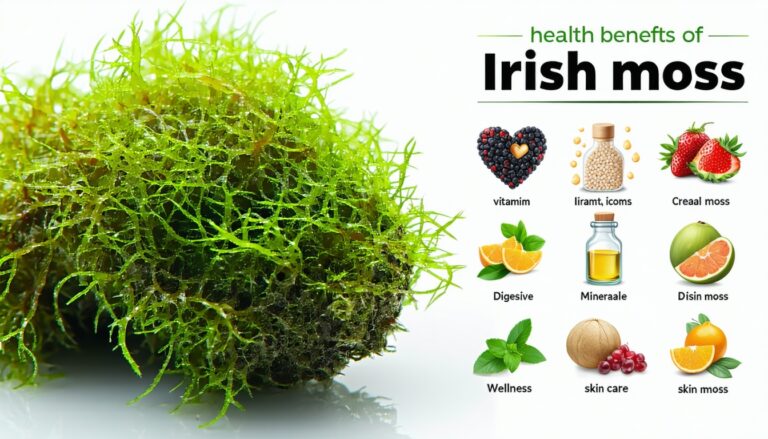
Sea moss — or as you might have heard it called, Irish sea moss or red seaweed — is a salty green gem from the ocean packed with goodies like minerals, vitamins, and antioxidants. Think of it as nature’s multivitamin, straight from the ocean. This sea veggie loves to hang out in the rocky Atlantic, mainly along the shores of North America and Europe. People have been into its health-boosting vibes for centuries. Curious about what this funky algae can do for you? Take a peek at our guide on sea moss benefits.
Common Forms and Uses
Sea moss is a team player, sliding easily into your daily eats. Here are some popular formats:
| Form | Description |
|---|---|
| Gel | Soak it in water, blend until smooth and stick it in the fridge. Voilà! You’ve got gel. |
| Powder | Just toss it into smoothies, soups, or whatever else you’re whipping up in the kitchen. |
| Oral Capsule | No muss, no fuss—pop a pill and go about your biz. |
| Gummy | Like candy with benefits. Who says gummies are just for kids? |
Some smart folks mix sea moss with stuff like turmeric or bladderwrack to pack an extra punch. However you take it, sea moss slips nicely into your routine, whether as the secret sauce in your smoothie or sprinkled into dinner. Want to dive into what it does for the ladies and gents? Peek at our pieces on sea moss benefits for women and sea moss benefits for men.
With its antioxidant and anti-inflammatory creds, sea moss can tackle stuff like arthritis or give your skin some extra glow (Banner Health). Dig into our article about sea moss is good for what to see all the juicy details.
Before hopping on the sea moss train, make sure you’re up to speed on any potential hiccups. Check out our section on sea moss side effects for the full scoop. And, hey, don’t forget to have a chinwag with your doc to make the best calls for your well-being.
Nutritional Profile of Sea Moss
Before you toss sea moss into your smoothie or cereal, let’s sneak a peek at what goodies it brings to the table. Sea moss bursts with vitamins and minerals that are like a booster shot for your wellness.
Vitamins and Minerals
Sea moss throws a nutrient party with every spoonful. A typical 4-tablespoon serving dishes up a buffet of health essentials, skimping on calories, fat, and sugar. Here’s the lowdown on what you’re getting:
| Nutrient | Amount per 4 Tablespoons |
|---|---|
| Iodine | 47 mg |
| Calcium | 60 mg |
| Magnesium | 75 mg |
| Potassium | 180 mg |
| Iron | 0.4 mg |
| Zinc | 0.22 mg |
| Vitamin C | 0.5 mg |
| Folate | 17 mcg |
Sea moss can strut its stuff in many costumes like gels or powders. Curious about other reasons to love sea moss? Swing by our page on sea moss benefits.
Antioxidants and Plant Protein
Beyond the vitamin treasure chest, sea moss packs a punch with antioxidants and a sprinkle of plant protein. Antioxidants in sea moss help you wage war against inflammation, which can save your skin from stuff like acne or psoriasis (Banner Health).
True, sea moss isn’t a protein powerhouse, but it contributes to your body’s needs when it’s mixed into a balanced diet. Plus, it’s loaded with fiber and prebiotics, keeping your tummy ticking happily (Banner Health).
If you’re on the lookout for a supplement that delivers a punch of health benefits, consider checking out sea moss supplements. They pair well with other super goodies like turmeric and bladderwrack. For a deeper dive on how sea moss can slide into your health routine, drop by our page on sea moss is good for what.
Potential Health Benefits
So, you’re thinking about giving sea moss a whirl? Let’s break down the perks you might snag if you add this sea treasure to your daily mix.
Immune System Support
Feeling like you’re in need of that extra immune boost? Sea moss could be your new best friend. Some folks reckon the carrageenan found in sea moss triggers your body’s natural defense by kicking in an anti-inflammatory vibe. Perfect for those pesky cold and flu seasons when we’re all just hoping not to catch the sniffles.
Digestive Health Effects
Got tummy troubles? This slippery sea wonder might just ease that drama. The gel-like makeup of sea moss can be a soothing balm for your gut, helping your digestion groove to a smoother beat. Plus, it’s got fiber—something your gut will thank you for since it likes to keep things moving along nicely.
| Nutrient | Content per 100g |
|---|---|
| Fiber | 0.6g |
| Carrageenan | 50-75% |
Why not give sea moss a shot if your digestive tract is feeling cranky? It’s a go-to for those seeking a little gut TLC the natural way.
Thyroid Function and Health
Ever hear the saying, “Happy thyroid, happy you”? Well, sea moss might be just the iodine-packed secret for keeping your thyroid on its game. Iodine is the magic ingredient to keep those crucial thyroid hormones ticking along. Especially for you moms-to-be or golden oldies, watching your iodine intake could be key. But remember, a little chat with your doctor is smart if you’re already in the thyroid struggle.
| Iodine Content | Daily Recommended Value (%) |
|---|---|
| Sea Moss | 10-15% |
Curious how sea moss could shake things up for your thyroid and beyond? Check out our deep dives on sea moss benefits and sea moss is good for what.
As you dip your toes into the sea moss waters, always a good idea to have a word with your healthcare buddy. Especially if you’ve got health stuff going on. Being proactive beats reactive any day!
Risks and Side Effects
Everybody’s been talking about sea moss lately and how it can be a health hero, but before you dive in, you might want to peek at some possible side effects. Knowing the risks can help you make better choices about whether sea moss is right for you.
Iodine Content Concerns
Sea moss wears the crown for packing a powerful punch of iodine. Now, iodine is a must-have for that thyroid of yours to keep things ticking, but too much of it might just overload the system. High iodine from sea moss could lead to hyperthyroidism, making your thyroid work overtime. If you’re dealing with hypothyroidism, extra iodine might not be your friend. Some folks have even run into a tough spot called thyrotoxicosis from too much iodine in their sea moss routine (Verywell Health).
| Iodine Level | What Could Happen? |
|---|---|
| High | Hyperthyroidism, thyrotoxicosis |
| Moderate | Keeping your thyroid happy |
Allergic Reactions
Sea moss isn’t exactly at the top of the allergy list, but don’t let your guard down entirely. Some people might experience a reaction. If you’ve got it in for carrageenan (a red seaweed relative), then sea moss products might not be your buddy. Any strange signs after chowing down on sea moss? Better have a chat with your doc (Healthline).
| Reaction Type | Signs to Watch For |
|---|---|
| Mild | Itchy skin, rash |
| Severe | Breathing troubles, anaphylaxis |
Digestive Upset and Fire Belly
Keeping something a bit touch-and-go in the tummy? Sea moss could stir up some discomfort or worse, a trip to the bathroom you didn’t plan on. Think nausea, diarrhea, or just an out-of-sorts stomach. Maybe ease up or toss it if this happens. Sea moss might also fan the flames of inflammation for those with sensitive digestive systems. Always listen to your body on this one. For more tips on enjoying sea moss without the tummy tantrum, look at our sea moss supplement guidelines.
| Belly Trouble | What You Might Feel |
|---|---|
| Upset | Nausea, diarrhea |
| Fire Belly | Bloating, tummy aches |
Always ring up your healthcare pro if you have health issues or questions about adding sea moss to your plate. Staying sharp about these possible side effects lets you soak up the goodness of sea moss without the less fun surprises.
Specific Folks at Risk
Thinking about throwing sea moss into the mix of your diet? Cool beans, but some groups gotta take it slow. Here’s the lowdown on who should be extra careful with this ocean greenery.
Pregnant and Breastfeeding Women
Mom-to-be or nursing? When it comes to sea moss, tread lightly. It’s got iodine—good for the thyroid and hormones, but too much? That’s a no-go for babies and little ones; can mess with developing thyroids (Verywell Health). Checking up on iodine levels when pregnant or breastfeeding is smart. Your doctor should definitely get a say before sea moss becomes a regular.
Folks with Thyroid Conditions
Got thyroid issues, especially if it’s of the sluggish variety (hypothyroidism)? Tread carefully. Sure, sea moss lends a hand with its iodine stash, but going overboard? Not such a bright idea. Your thyroid could get too wired, causing weight roller coasters and out-of-whack hormones (Healthline). Hit up your doc to see if sea moss vibes with your health sitch.
| Group | Watch-Outs |
|---|---|
| Pregnant Women | Keep an eye on iodine; chat with your doctor. |
| Breastfeeding Women | Get advice from your healthcare provider. |
| Folks with Thyroid Problems | Steer clear of big doses; seek medical insight. |
Medication Mix-Ups
On meds? Especially thyroid meds or blood thinners? Sea moss might tweak how drugs work for you. It could mess with your body’s drug absorption or interfere with what the meds do. It’s wise to loop in your doctor or healthcare pal about your sea moss munching, especially for long-term conditions.
Curious for more on sea moss perks? Dive into our sea moss benefits and sea moss supplements articles. Whatever you do with your health, make sure you’re on the same page with the pros to keep feeling good.
Safe Consumption Guidelines
Thinking about tossing some sea moss into your meals? Well, before you start dishing it out like it’s going out of style, let’s talk about enjoying the benefits without going overboard. Here’s the 411.
Recommended Dosage
For the average person, eating 3 to 4 grams of dried sea moss each day is pretty much a-okay. This isn’t just some made-up number—there are studies backing it up. But, hey, everyone’s different. Take into account things like how much iodine is actually in what you’re eating and any health conditions you might have. Don’t play fast and loose with the amounts; going above can cause headaches.
| Dosage Recommendation | Description |
|---|---|
| 3 – 4 grams | The go-to amount of dried sea moss per day for most grown-ups |
If you’re scratching your head over how much your body can take, a quick chat with your doctor could be just what you need.
Overdose Risks
Sea moss has its perks, but don’t let that halo blind you. Going overboard could bring unwanted side effects because of that sneaky iodine:
- Feeling queasy
- The runs
- Thyroid acting up
Keep an eye on your intake, and clearing the safe zone means steering clear of these issues. Get the lowdown on possible sea moss side effects so you can make smart choices.
FDA Regulations and Supplement Safety
The FDA says, “Hold your horses” on sea moss supplements. Unlike the usual meds, these aren’t watched as closely, so what you see on the label might not be the full story. Stick to stuff that’s been independently tested for extra peace of mind. Plus, chatting with a healthcare pro before adding sea moss or any supplement into your daily grind is a smart move (Verywell Health).
When picking sea moss products, trust only those that have been double-checked for quality and purity. Want more on why sea moss can be the bee’s knees for your health? Check out our sea moss benefits section.
Final Thoughts
Sea moss offers a nutrient-rich boost for many, but you must respect its potency. Keep your daily intake within recommended limits, choose a high-quality source, and pause use if you notice any adverse reactions. When in doubt, consult a healthcare professional—especially if you have thyroid issues, take medications, or are pregnant.
Frequently Asked Questions
What are the most common side effects of sea moss?
Most users experience mild digestive issues—such as bloating, gas, or diarrhea—when they start sea moss or take too much at once. You may also feel nausea or experience a burning sensation in your throat if your iodine intake spikes suddenly.
Who should avoid taking sea moss?
People with existing thyroid disorders should steer clear or use sea moss only under medical supervision, due to its high iodine content. Pregnant or breastfeeding individuals and those on blood thinners or thyroid medication should get approval from their healthcare provider first.
How much sea moss is safe to consume daily?
Experts generally recommend no more than 3–4 grams of dried sea moss—or about 1–2 tablespoons of sea moss gel—per day. Exceeding that amount increases your risk of iodine overload and related side effects.
Can sea moss interact with medications?
Yes. Sea moss may amplify the effects of thyroid medications and blood thinners, and it could interfere with blood pressure or diabetes drugs. Always discuss new supplements with your doctor if you take prescription medications.
Are there risks of heavy metal contamination?
Because sea moss absorbs minerals from seawater, it can contain trace metals like lead or mercury. While contamination levels often remain low, regular high-dose consumption of low-quality sea moss could raise heavy metal exposure over time. Purchasing from reputable brands reduces this risk.
What should I do if I experience severe symptoms?
If you notice signs of severe allergic reaction—such as difficulty breathing, swelling, or a widespread rash—stop using sea moss immediately and seek emergency medical care. For less urgent but troubling symptoms, contact your healthcare provider for guidance.