
A CQ10 supplement could be the hidden powerhouse your body needs to maintain energy, support heart health, and combat oxidative stress. Known scientifically as coenzyme Q10, this naturally occurring antioxidant plays a vital role in producing energy at the cellular level. As we age, or if we take certain medications like statins, our natural levels of CoQ10 may decline—making supplementation a smart addition to a proactive health regimen. Whether you’re aiming to boost your cardiovascular function, reduce migraine frequency, or simply regain your energetic edge, CoQ10 might just be your next wellness ally.
Understanding CoQ10
Let’s chat about CoQ10, or coenzyme Q10, your body’s little power hero that fights those pesky free radicals and helps keep the energy flowing in your cells. If you’re curious about how adding a CoQ10 supplement could boost your health, getting to know what CoQ10 is and where to snag some will seriously shed some light on why it’s a big deal.
What is CoQ10?
CoQ10 is this naturally popping antioxidant your body loves to whip up. It’s like the conductor of an energy symphony inside your cells, making sure everything runs smoothly and keeps you bouncing along. But hey, we aren’t ageless wonders and this mighty molecule wears a bit thin as we age, especially if heart issues or other health conditions pop up. Some meds, like statins that zap cholesterol, can also drain those CoQ10 reserves (Mayo Clinic).
Want to dig a little deeper? Check out our take on coenzyme Q10 what does it do to satisfy your curiosity.
Sources of CoQ10
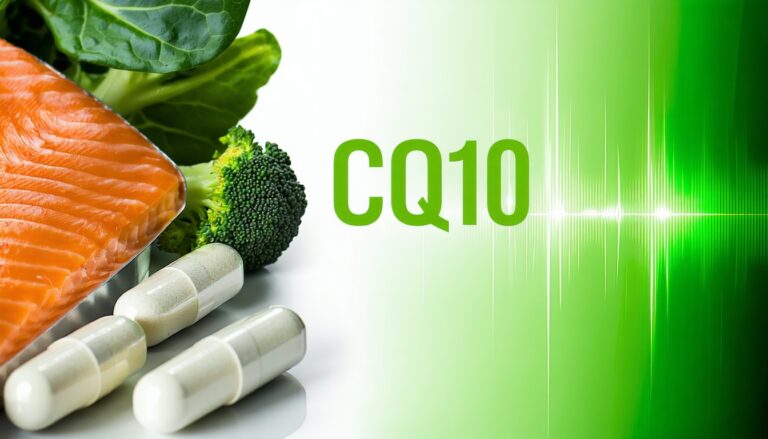
Sure, your body can kickstart CoQ10 production but you can also chow down on some foods to get your fix. Here’s a quick peek at some grub that packs a CoQ10 punch:
| Yumminess | CoQ10 Goodness (mg per 100g) |
|---|---|
| Beef | 2.6 |
| Sardines | 1.0 |
| Peanuts | 0.1 |
| Spinach | 0.5 |
| Broccoli | 0.2 |
Now, I wouldn’t blame you if you’re not a sardine fan. But real talk, nibbling on these foods alone usually won’t skyrocket your CoQ10 levels. That’s where supplements come swooping in to save the day. You’ve got your pick—capsules, gummies, liquid, even IV drips for the flashy folks.
For even more juicy details on CoQ10, dive into the buzz about coq10 what is it good for or coq10 what is it.
Benefits of CoQ10
CoQ10, or coenzyme Q10, isn’t just a jumble of letters and numbers; it’s a little powerhouse for your body! It’s like the spark plug in your car—revving up energy and keeping things ticking along smoothly. Let’s dive into how CoQ10 can boost your heart health, help keep migraines at bay, and tackle that sneaky age-related energy slump.
Heart Health Boost
When it comes to your ticker, CoQ10 is like a personal trainer for your heart. Studies have found it’s great at helping out with stuff like stubborn high blood pressure and heart hiccups. It swings into action by protecting your heart cells from those nasty free radicals and yanking up the energy levels in the cells. Regular CoQ10 intake might just help keep things calm and collected, getting those blood pressure numbers looking nice and friendly (Mayo Clinic).
| Boost | What It Does |
|---|---|
| Blood Pressure | Might help take the edge off high blood pressure |
| Heart Function | Pumps up energy in heart cells |
| Antioxidant | Guards heart cells like a pro |
Migraine as a No-Show
If migraines are frequent party crashers in your life, CoQ10 might help them forget your invite. It’s like a bouncer for your head, making sure those migraine attacks are fewer and far between—and when they do show up, they’re not staying for long. That’s because CoQ10 ensures your brain cells are running on full power, which seems to kick some of those headaches to the curb (PubMed Central).
| Migraine Help | What’s Happening Up There? |
|---|---|
| Attack Frequency | Fewer unwanted migraine episodes |
| Attack Duration | Shortens the headache experience |
| Severity | Turns down the headache drama |
Battling the Birthday Blaze
Time marching on can reduce your own levels of CoQ10, kind of like a retreating hairline or those mysteriously squeaky knees. But add a bit of CoQ10 back into the mix, and you might just see your energy sneaking back, like a cat prowling for a midnight snack. It’s especially helpful for those who have hit their fourth decade or for anyone dealing with the curveballs life might throw. A boost here means keeping things like energy levels and overall well-being from nosediving (Cleveland Clinic).
| Age-Defying Perk | Deal with Aging Like a Boss |
|---|---|
| Energy Levels | Turns up the power as years roll by |
| Cellular Health | Keeps your cell troops in line |
| Overall Wellness | Makes everyday living a bit brighter |
Adding some CoQ10 supplement magic into your daily scoop of health may offer these wins. Just make sure to have a chit-chat with your doc before giving it a go. Better safe than sorry!
Considerations for CoQ10 Supplements
Adding a CoQ10 supplement to your routine isn’t something to take lightly. There are a few important things to keep in mind, from figuring out how much to take, to checking if it will clash with your other meds, straight through to what side effects it might have.
Dosage Recommendations
Usually, folks land somewhere in the 100 to 300 mg per day zone when taking CoQ10. If you’re on statins and notice your muscles acting up, then 100 to 200 mg might do the trick Healthline.
| Condition | Suggested Dosage (mg/day) |
|---|---|
| General wellbeing | 100 – 300 |
| Statin relief | 100 – 200 |
But hey, don’t just guess—chat with your healthcare guru to pin down what’s best for you and your body.
Potential Interactions
Mixing CoQ10 with other stuff, whether it’s pills, herbs, or over-the-counter goodies, could lead to some unexpected surprises. Let your healthcare provider know what’s on your daily “to-take” list Cleveland Clinic to keep things smooth sailing.
Side Effects
While CoQ10’s generally pretty chill, don’t be shocked if your belly starts a mild protest with nausea or diarrhea. And if you’re expecting or breastfeeding, there’s still a lot to learn about its safety, so definitely bring it up with your healthcare pro Mayo Clinic.
So, while CoQ10 might boost your health in several ways, it’s wise to know the scoop on dosages, possible interactions, and the little annoyances it might bring. Curious about what wonders CoQ10 can work for you? Check out more on coq10 what does it do, coenzyme q10 what is it, and coq10 is for what.
Specific Health Conditions
Adding CoQ10 to your health regimen might just be your ticket to feeling better. Getting a grip on how this handy nutrient works could lead you to some smart choices for keeping fit.
Heart Conditions
Your heart has a friend in CoQ10. According to some brainy folks, this sidekick may help your ticker keep on ticking when it goes through rough times like surgery. It’s like giving your heart muscles a little pep talk to keep them pumped with energy. Curious how this all shakes out? Check out our guide here for more heartwarming info.
Mitochondrial Disorders
Mitochondria might sound a bit like tiny power plants working hard in your cells. When they malfunction, it’s time for CoQ10 to step in. This supplement could perk up those microscopic energy factories, bringing a little more zing to folks dealing with mitochondrial hiccups. Dive into the details at this link if you wanna learn more about how it helps.
Chronic Fatigue Syndrome
Ever felt so darn tired you could cry? If tired is your middle name, CoQ10 might be your new best bud. Folks with Chronic Fatigue Syndrome found a lift in their energy levels and a drop in fatigue when CoQ10 teamed up with NADH. Think of it as a little energy booster shot that could turn yawns into yeehaws. Intrigued? Take a peek at our energetic piece right here.
So there you go! CoQ10 could have a pretty bright spot in your health mix. If you’re thinking about shaking hands with this nutrient superstar, check out if a cq10 supplement fits your lifestyle.
Research and Evidence
Studies on CoQ10
You know that little thing called CoQ10? Turns out, it might just be a bit of a superhero in your body, battling those pesky free radicals. It’s got folks wondering about its powers to tackle heart problems, brain issues, headaches, and even cancer. Folks are catching on that keeping your CoQ10 levels up could mean keeping symptoms down and maybe even slowing down the progress of these health dilemmas (PubMed Central).
Imagine a big ol’ chart that dishes the deets from research:
| Health Condition | Findings |
|---|---|
| Heart Issues | Popping some CoQ10 helps with symptoms and makes the heart’s pipes function smoother (NCBI Bookshelf). |
| Headaches | Migraine relief! Fewer, less intense attacks, and might keep inflammation at bay. |
| Brain Stuff | May slow down Alzheimer’s and mildly help with Parkinson’s vibes (WebMD). |
| Cancer | Being the antioxidant it is, might add some oomph to treatment plans, though we need more proof. |
Thinking of trying a CoQ10 supplement? This table suggests it could be a good buddy for your health adventures.
Potential Neuroprotective Effects
Now, about that brain power: CoQ10 is getting a lot of buzz in the research world. Consistently using it might be a game changer for slowing down things like Alzheimer’s or Parkinson’s. Early findings suggest it can act like a shield for your nerve cells and improve how patients are doing.
How about a cheat sheet of those brainy benefits:
| Neurodegenerative Condition | Observations |
|---|---|
| Alzheimer’s | Evidence pointing towards slowing the decline (WebMD). |
| Parkinson’s | Some perks are seen, but we’re hoping for more studies to really nail it down. |
| Huntington’s | Mixed bag here but some folks see symptom relief. |
If staying sharp is your thing, CoQ10 might be worth a shot. For all the nerdy details on how CoQ10 can boost your life, check out our reads on CoQ10: what does it do and CoQ10: what is it good for.
Practical Applications
Supplemental Therapy
Thinking about adding a CoQ10 supplement to your routine for a health boost? It might just be the sidekick you need for various health conditions. There’s some good news from research: CoQ10 might just help pump up those muscles, spark some energy, and improve how you feel – especially if you’re no spring chicken. The sweet spot for dosing falls between 100 and 200 mg a day when you’re dealing with age-related CoQ10 dips (Healthline).
But it’s not just about age. CoQ10 steps up to the plate for different health problems too. Take chronic fatigue syndrome (CFS) for example—when paired with other compounds like nicotinamide adenine dinucleotide (NADH), CoQ10 has been known to tackle fatigue head-on and boost your get-up-and-go. Here’s a quick look at some health issues where CoQ10 shines.
| Health Condition | CoQ10 Benefits |
|---|---|
| Heart Disease | Prevents heart issues |
| Chronic Fatigue Syndrome | Fights tiredness, fuels energy |
| Mitochondrial Disorders | Pumps up aerobic power |
Impact on Physical Performance
For those of you chasing better physical performance, CoQ10’s popped up as a real contender. Some research hints that taking a moderate-to-high dose can up your aerobic game during workouts, especially if you’re tackling mitochondrial issues (NCBI Bookshelf). CoQ10 might just be the secret weapon for upping your endurance and shaking off tiredness quicker.
If you’re the active type—with a calendar full of gym sessions—consider adding CoQ10 to your supplement mix. It works its magic at the cellular level, a bit like a tiny personal trainer, helping boost your stamina and turn your average gym day into a great one.
Pregnancy and Breastfeeding Concerns
When you’re pregnant or breastfeeding, safety on supplements is key. So what’s the score on CoQ10 during this time? Research on its effects here is pretty sparse. That’s why it’s crucial to chat with your healthcare provider before popping any new pills. They’ll tailor advice to fit you and your little one’s unique needs.
While CoQ10 might seem like a tempting pick-me-up for energy, making sure you’re both safe comes first. Need more CoQ10 insights and how it can potentially help you? Go ahead and check out coq10 what is it good for.
Final Thoughts
Incorporating CoQ10 into your daily wellness routine can offer a wide range of health benefits—from supporting heart function and reducing migraines to promoting healthier aging and increasing cellular energy. However, as with any supplement, it’s essential to consider proper dosing, potential interactions with medications, and any side effects. Always consult with a healthcare provider before beginning a new supplement regimen, especially if you have underlying health conditions or are pregnant or breastfeeding. With informed choices and the right approach, CoQ10 could be a valuable addition to your path toward better health and vitality.
Frequently Asked Questions (FAQ)
What is CoQ10 and why is it important?
CoQ10, or coenzyme Q10, is a natural antioxidant produced by the body that plays a crucial role in generating cellular energy. It helps protect cells from damage and supports vital functions like heart health and brain performance.
What are the main benefits of taking a CoQ10 supplement?
CoQ10 supplementation may help lower blood pressure, improve heart function, reduce the frequency and severity of migraines, boost energy levels, and support healthy aging by replenishing declining CoQ10 levels.
How much CoQ10 should I take daily?
Typical recommended doses range from 100 to 300 mg per day for general well-being, and 100 to 200 mg if you’re taking statins. Dosage should be tailored to individual needs by a healthcare provider.
Are there any side effects of CoQ10 supplements?
CoQ10 is generally well-tolerated, but some people may experience mild side effects such as nausea, diarrhea, or stomach upset. Always monitor your response and consult your doctor if symptoms persist.
Can CoQ10 be taken with other medications?
CoQ10 can interact with certain medications, including blood thinners and blood pressure drugs. It’s important to discuss all supplements and medications you’re taking with your healthcare provider to avoid potential interactions.
Is CoQ10 safe during pregnancy or breastfeeding?
There is limited research on the safety of CoQ10 during pregnancy or breastfeeding. Therefore, it’s best to consult your healthcare provider before using the supplement in these cases.
Can food provide enough CoQ10?
While foods like beef, sardines, spinach, and peanuts contain CoQ10, the amounts are typically too low to significantly boost levels, especially for therapeutic purposes. That’s where supplements can be particularly beneficial.