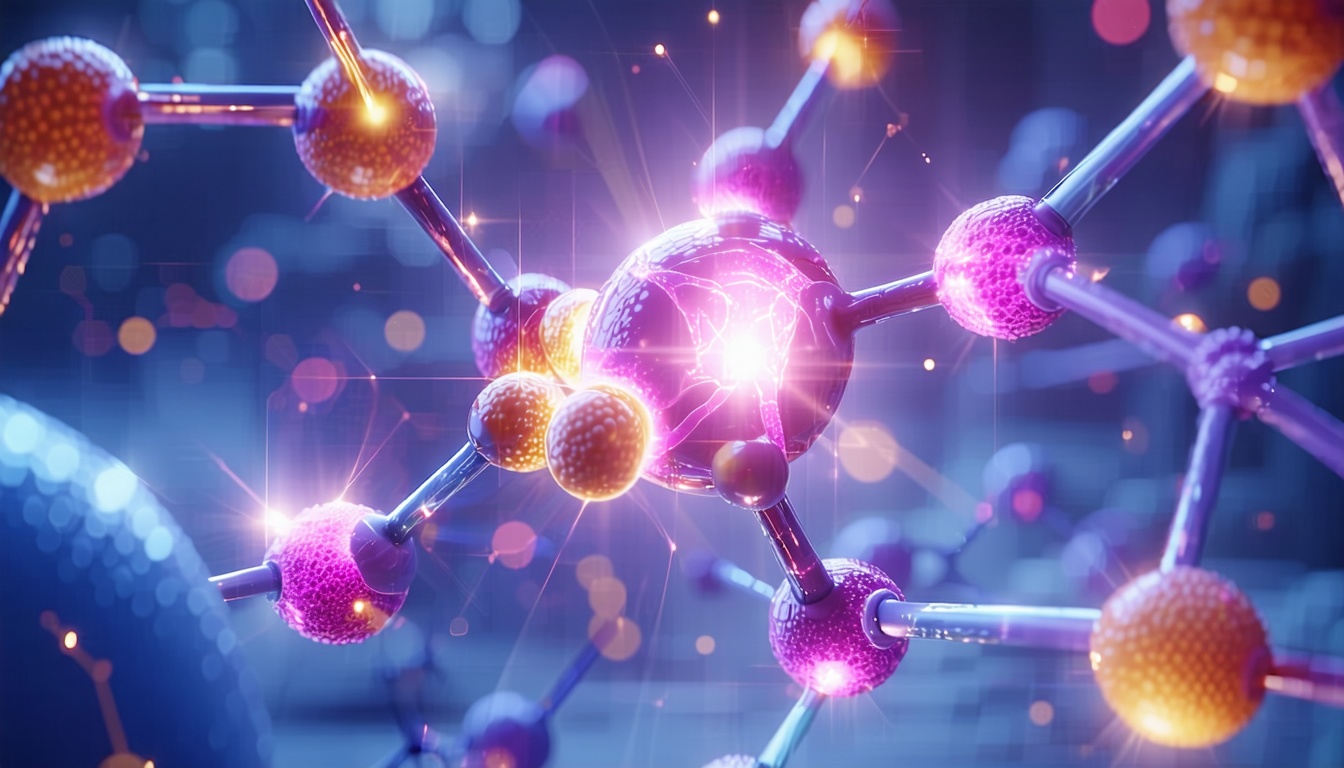
Coenzyme Q 10 (CoQ10) is a vital compound found in every cell of your body, acting as both a powerful antioxidant and an essential player in energy production. Often described as the spark plug for cellular engines, CoQ10 supports heart health, fights oxidative stress, and naturally declines with age—making supplementation increasingly important as you grow older. This guide breaks down the science, benefits, dietary sources, and best practices for supplementing with CoQ10 to help you maintain optimal health and vitality.
Understanding CoQ10
What is CoQ10?
Coenzyme Q10, or CoQ10, is like your body’s trusty battery booster. It’s an antioxidant working behind the scenes to keep everything charged up. Found in every cell, it helps whip up the energy you need for growth and daily hustle. Think of CoQ10 as the spark plugs for your cells’ engines—the mitochondria. They turn your food into pure energy you can actually use.
Now, as time does its thing and you age gracefully, CoQ10 levels can dip, especially if you’re dealing with conditions like heart problems or taking cholesterol meds like statins. Want to dig deeper into how CoQ10 makes magic happen? Check out what it does or more on CoQ10.
Importance of CoQ10 in the Body
CoQ10 isn’t just sitting around in your body; it’s crucial for several important jobs, including:
- Energy Production: Acts like the gas pedal for ATP, your body’s go-to energy currency.
- Antioxidant Protection: Shields cells from oxidative stress—the bad stuff that can mess things up.
- Heart Health: It’s like having an insurance policy for your heart, especially if you’re dealing with heart issues. Low CoQ10 levels have been associated with different heart conditions like ischemic heart disease and dilated cardiomyopathy. More details can be found over here.
Research even backs up that CoQ10 might give your heart a fighting chance by improving its function and lowering death rates due to heart problems. Might be worth considering if heart health’s on your mind, as we dive into what CoQ10’s good for.
Check out this quick rundown of what CoQ10 brings to the table:
| Function | Description |
|---|---|
| Energy Production | Gets those ATP energy cells buzzing |
| Antioxidant Defense | Keeps those pesky oxidative stressors at bay |
| Heart Health | Boosts heart function and could improve heart disease outcomes |
If you’re thinking about upping your CoQ10 game with supplements, we’ve got the 411 on all that, including which products to snag and how much to take, in our supplement guide.
CoQ10 and Aging
Age-related Decline in CoQ10 Levels
As the years roll by, your body gets stingy with its coenzyme Q10, better known as CoQ10. This handy nutrient is a powerhouse for cell growth and keeping your energy levels up, plus it moonlights as an antioxidant superhero. The slide in CoQ10 can kick off as early as your 30s, and it nosedives further with each birthday. Experts agree that older folks often Clock in with CoQ10 rates way lower than when they were younger.
Feast your eyes on this table that gives you the lowdown on CoQ10 levels based on your age:
| Age Range | Typical CoQ10 Levels (µg/mL) |
|---|---|
| 20-30 years | 1,200-2,000 |
| 30-40 years | 900-1,800 |
| 40-50 years | 600-1,200 |
| 50-60 years | 400-800 |
| 60+ years | 200-600 |
Running low on CoQ10 is even more common in folks with heart issues or those popping meds like statins, which can suck even more out of your system. Curious about the magic CoQ10 can work? Head over to cozone q10 what does it do for the full scoop.
Impact of CoQ10 Deficiency
Not having enough CoQ10 can spell trouble for your health, especially as you get on in years. Thanks to a stack of research, we know that low CoQ10 levels are tied to oxidative stress—a no-good condition that fast-tracks aging and brings about chronic illnesses. Your ticker can also take a hit, with a shortage of CoQ10 linking back to troubles like heart failure or other cardiac concerns.
For those battling heart diseases, CoQ10 levels often dip in direct proportion to their health woes. Taking CoQ10 supplements can potentially jazz up the good cholesterol and tamp down inflammation, cutting the chances of another heart scare (NCBI).
Thirsty for more deets on CoQ10’s perks, like kicking migraines to the curb? Check out our piece on coenzyme q10 what is it good for. Getting hip to the perks of keeping CoQ10 levels in check can help steer your health ship in the right direction as you age.
Dietary Sources of CoQ10
You’re probably wondering what the heck Coenzyme Q10 is and why you should care. Well, it’s a mighty little molecule that’s super important for keeping your body in tip-top shape. So, let’s chat about where you can find it lurking in your diet.
Natural Food Rich in CoQ10
Some foods are practically bursting with CoQ10 and can make a lovely addition to your meals. Check out these prime picks:
| Food Source | CoQ10 Content (mg per 100g) |
|---|---|
| Beef (muscle) | 2.6 |
| Sardines | 3.0 |
| Mackerel | 2.2 |
| Peanuts | 0.6 |
| Spinach | 0.9 |
| Broccoli | 0.5 |
| Whole grains | Varies |
Although these foods have some CoQ10, the little bit you get from munching on ‘em might not meet all your body’s demands, especially as the years go by or if you’re tackling specific health bumps. Mixing a variety in your meals can give your CoQ10 levels a little nudge.
Effectiveness of Dietary CoQ10 Intake
How well your body soaks up CoQ10 from food kinda depends on you—your age, health, and maybe even how much spinach you sneak into your diet. While noshing on CoQ10-packed foods helps, sometimes you might need a bit more, especially if you’re dealing with things like heart issues or those statins that mess with cholesterol.
Studies say your body can grab CoQ10 from food, but popping a CoQ10 supplement might pack a punch by delivering a bigger dose where you need it. Curious about what else this powerhouse molecule can do? Dive into our pages on coenzyme q10 what does it do and coenzyme q10 what is it good for for the full scoop.
Mix some CoQ10-rich bites into your diet, think about extra help with supplements, and you’ll be on your way to staying spry and healthy.
CoQ10 Supplements
Tired of feeling sluggish? Coenzyme Q10 (CoQ10) might be the pick-me-up your body needs. Let’s break down the basics of CoQ10 supplements and how you can fit them into your routine.
Forms of CoQ10 Supplements
CoQ10 supplements come in various options, so you can pick what suits your vibe. Here’s a quick look:
| Form | What’s the Deal? |
|---|---|
| Capsules | Pop and go—classic pill form. |
| Chewable Tablets | Tasty and to the point—perfect if you hate swallowing pills. |
| Liquid Syrups | Quick to kick in—ideal if tablets aren’t your thing. |
| Intravenous | A heavy-duty option for specific medical issues—handled by pros (Mayo Clinic). |
All these forms pack a CoQ10 punch, but it depends on what jives with your daily groove.
Recommended Dosage for CoQ10
How much CoQ10 you need kinda depends on your health ambitions, so it’s smart to chat with a doc. Here’s a ballpark of daily dosages from some smarty-pants studies:
| Health Goal | Suggested Dosage |
|---|---|
| General Wellness | 30-200 mg |
| Caring for Your Ticker | 100-300 mg |
| Zapping Migraines | 300 mg |
| Boosting Baby-Making Odds | 200-300 mg |
Generally speaking, CoQ10 is pretty chill with minimal side effects. You might get a gurgly tummy, but anything serious is rare. Definitely check in with your healthcare provider before diving in, especially if you’re taking meds like blood thinners or insulin (Mayo Clinic).
Wanna know more about the perks of CoQ10? Don’t miss our guide on coenzyme Q10 what does it do.
Health Benefits of CoQ10
Coenzyme Q10 (CoQ10) packs a punch when it comes to your health. This little wonder can do wonders for your heart and might even help with those nagging migraines.
CoQ10 for Heart Health
Think of CoQ10 as your heart’s best buddy. It could be a game-changer for folks dealing with congestive heart failure, according to the brains at Mayo Clinic. Here’s what CoQ10 can do for your ticker:
| What it does | How it helps |
|---|---|
| Boosts Heart Performance | CoQ10 might just give your heart that extra kick it’s craving, especially if you’re battling heart issues. |
| Tames Blood Pressure | Got high blood pressure? CoQ10 might help bring that down—11 points on the high number and 7 on the low one, says NCBI. |
| Cuts Down Swelling | CoQ10 could help your heart by lowering body inflammation, giving your heart a break (NCBI). |
This stuff keeps your heart’s energy factory running smooth, crucial for keeping your heart smiling!
CoQ10 in Treating Migraines
Living in migraine city? CoQ10 might be your ticket out. Research nods to CoQ10 not just for prevention, but in calming the storm of migraine symptoms.
| What it does | How it helps |
|---|---|
| Keeps Migraines at Bay | Those dreaded migraine days could decrease thanks to CoQ10. |
| Eases the Pain | When a migraine does strike, CoQ10 may take the edge off. |
| Usually No Nasty Surprises | Most folks take CoQ10 with very few side effects, promise (Mayo Clinic). |
Pop CoQ10 into your routine, and you might just cut down on those grueling headaches. But hey, check with your doctor before diving in.
Want to dive deeper into CoQ10’s world? Check out our reads on coenzyme q10 what is it and coq10 what does it do. Whether it’s heart or head, CoQ10’s worth considering in your health toolkit.
Considerations and Interactions
Side Effects of CoQ10 Supplements
Before you jump on the CoQ10 bandwagon, it’s important to know about the potential bumps along the way. Most folks skate through with no issues, but occasionally, CoQ10 might stir up a little tummy upset. Not a showstopper, but worth keeping in mind. Rarely, there can be more serious effects, but they’re as rare as a unicorn sighting. If you’re expecting or nursing, it’s smart to check in with your doc beforehand (Mayo Clinic).
| Side Effect | How Often? |
|---|---|
| Tummy troubles | Often |
| Other rare effects | Hardly ever |
Interactions with Medications
CoQ10 might play tag with certain meds, and that’s kind of a big deal for your health. If you’re on blood thinners like warfarin (Coumadin), there could be hiccups. CoQ10 might make your blood clot more, and nobody likes surprise clots. Keep an eye on your blood levels and tweak that warfarin dose if you’re teaming it up with CoQ10. Chat with your healthcare guru to keep everything smooth (WebMD).
Staying in the know about how supplements like CoQ10 mix with your health and meds is golden. For more on the CoQ10 perks, check out our reads on coenzyme q10 what does it do and coenzyme q10 what is it good for. By doing your homework and having a talk with healthcare pros, you can score the benefits CoQ10 has up its sleeve.
Final Thoughts
CoQ10 stands out as a multifaceted nutrient with impressive benefits, particularly for energy production, heart health, and reducing inflammation. While it’s naturally present in certain foods like fatty fish, meat, and leafy greens, aging and certain medications can significantly deplete your body’s levels. CoQ10 supplements—available in capsules, liquids, chewables, and even IV form—offer a convenient way to replenish your stores. Whether you’re looking to support cardiovascular function, fight fatigue, or prevent migraines, incorporating CoQ10 into your routine may be a smart, science-backed move. As always, consult with a healthcare provider before beginning any new supplement regimen.
Frequently Asked Questions (FAQ)
What is Coenzyme Q 10 and what does it do?
Coenzyme Q 10 (CoQ10) is a naturally occurring antioxidant that helps generate energy in your cells. It supports cellular function, protects against oxidative stress, and plays a crucial role in maintaining heart and metabolic health.
Can CoQ10 help with heart conditions?
Yes, studies have shown that CoQ10 can support heart health by improving energy production in heart cells, reducing inflammation, and potentially lowering blood pressure. It’s particularly beneficial for people with congestive heart failure or those taking statin medications.
Does CoQ10 help with migraines?
Research indicates that CoQ10 may reduce the frequency and intensity of migraines. It’s often used as a preventative supplement, especially for individuals seeking non-pharmaceutical options.
What are the best food sources of CoQ10?
Rich dietary sources include beef, sardines, mackerel, peanuts, spinach, broccoli, and whole grains. However, the amount of CoQ10 in food is generally low compared to what supplements provide.
How much CoQ10 should I take daily?
Dosage varies depending on your goals. For general wellness, 30–200 mg daily is common. For heart health, 100–300 mg may be recommended. It’s best to consult with a healthcare provider for personalized advice.
Are there any side effects of CoQ10 supplements?
CoQ10 is generally well tolerated, with mild digestive issues being the most commonly reported side effect. Rarely, it can interfere with blood-thinning medications, so it’s important to speak with your doctor if you’re on prescription drugs.
Can I take CoQ10 with other medications?
CoQ10 may interact with medications like blood thinners (e.g., warfarin) or insulin. Always consult a healthcare professional before adding CoQ10 to your supplement routine if you’re taking medication.