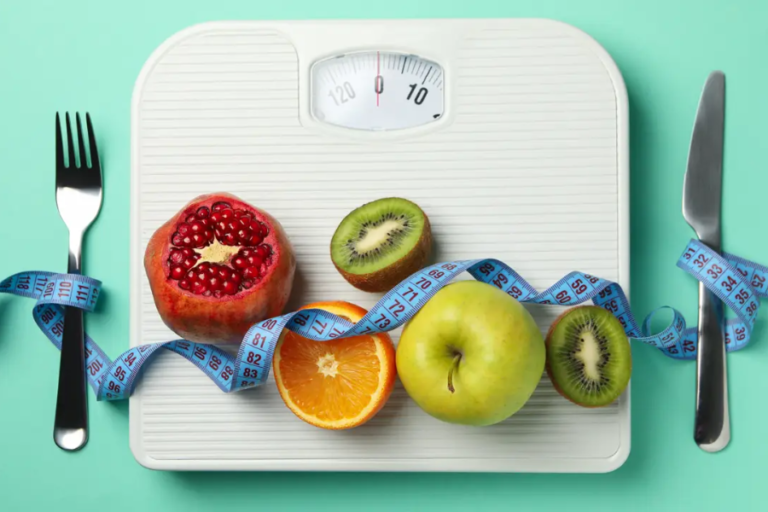


Understand the basics of nutrition and weight management
If you want to lose weight and improve your health, nutrition and weight management go hand in hand. You cannot out-exercise an unbalanced diet, and you cannot rely on short-term diets if you want results that last.
At its core, weight management comes down to energy balance over time:
- Calories you eat and drink
vs. - Calories your body uses through metabolism and physical activity
Research from Harvard Health explains that metabolism, the process of converting food and drink into energy, affects how many calories you burn in a day, but it is not usually the main cause of weight gain (Harvard Health Publishing). More often, gradual calorie surpluses from food and drinks lead to extra pounds over months and years.
Your goal is not to chase a “perfect metabolism.” Instead, you focus on:
- Eating in a way that keeps you satisfied, energized, and in a gentle calorie deficit
- Moving your body regularly so you burn more calories and protect your health
- Building habits you can live with, not just tolerate for a few weeks
See why healthy weight management matters
Obesity is now so common that it can feel almost normal. Yet the impact on health is serious. The World Health Organization reports that obesity has reached epidemic levels globally and is linked to at least 2.8 million deaths every year, increasing your risk of heart disease, stroke, type 2 diabetes, and some cancers (American Society for Nutrition).
The good news is that even modest weight loss makes a difference. The Mayo Clinic notes that losing just 5% of your body weight, such as 9 pounds if you weigh 180 pounds, can lower your risk of long-term conditions like heart disease and type 2 diabetes (Mayo Clinic).
Beyond the scale, better nutrition and weight management can help you:
- Sleep more soundly
- Feel more comfortable moving your body
- Improve your mood and mental well-being
- Reduce inflammation and support your gut health (Nutrients)
Those “non-scale victories” are often what keep you motivated over the long run.
Set realistic and safe weight loss goals
If you aim too high and too fast, you are more likely to burn out or regain the weight. Current guidelines suggest losing about 1 to 2 pounds (0.5 to 1 kilogram) per week by eating 500 to 750 fewer calories than you burn each day (Mayo Clinic).
A helpful way to think about your first goal:
- Start with 5% to 10% of your current body weight, not your “dream weight”
- Give yourself several months, not just a few weeks, to get there
Many structured diet programs achieve a 4% to 10% weight loss in 6 to 12 months, with very low calorie diets reaching up to 15%, but keeping that weight off is the hard part and requires ongoing behavior changes and support (Nutrients).
Instead of fixating on one “magic” diet, you focus on building an eating pattern you can maintain.
Build a healthy eating pattern that fits your life
Follow flexible, balanced guidelines
Personalized nutrition therapy often recommends a daily calorie reduction of 500 to 1,000 calories from your usual intake, a flexible mix of carbohydrates, protein, and fat, and a focus on nutrient dense foods (Nutrients). This is less about strict rules and more about consistent patterns.
You do not need to cut entire food groups. The CDC highlights that people with healthy eating patterns tend to live longer and have a lower risk of heart disease, type 2 diabetes, and obesity (CDC).
Key principles:
- Fill your plate with vegetables and fruits
- Choose whole grains over refined grains most of the time
- Include lean proteins and plant proteins
- Use healthy fats in moderate amounts
- Limit added sugars and highly processed foods
Use MyPlate as a simple visual
The USDA’s MyPlate plan can help you figure out what and how much to eat from each food group while staying within your calorie allowance (CDC). A basic plate at lunch or dinner might look like this:
- Half your plate: vegetables and some fruit
- One quarter: whole grains like brown rice, quinoa, or whole wheat pasta
- One quarter: lean protein such as beans, tofu, fish, poultry, or lean meat
You do not have to be perfect at every meal, but aiming for this pattern most of the time supports both nutrition and weight management.
Choose more plant-based foods
Plant-based foods are usually lower in calories and higher in fiber, which helps you feel fuller for longer. The Mayo Clinic notes that adding more fruits, vegetables, and whole grains can naturally reduce your calorie intake and support weight loss, because fiber slows digestion and increases satiety (Mayo Clinic).
You can:
- Add vegetables to your usual dishes, such as pasta, omelets, stir-fries, and sandwiches
- Swap half the meat in recipes for beans or lentils
- Keep fruit on hand for snacks, choosing fresh, frozen, or canned in water or natural juice rather than syrup (CDC)
Make small, smart food swaps
You do not need a complete kitchen overhaul on day one. Instead, start with a few targeted changes that reduce calories without leaving you hungry.
Some examples:
- Bake, grill, or broil meat instead of frying it to cut extra fats and calories (CDC)
- Replace sugary drinks with water, sparkling water, or unsweetened tea
- Use smaller plates and bowls to help with portion awareness
- Swap refined grains (white bread, white rice) for whole grain options
- Use beans or lentils in place of some meats to lower calorie density (CDC)
Keep your favorite comfort foods in the picture
Cutting out everything you enjoy often backfires. The CDC notes that you can still enjoy higher calorie comfort foods occasionally if you keep portions small or prepare them with lighter ingredients (CDC).
For example, you might:
- Share dessert at a restaurant instead of ordering your own
- Make pizza at home with a thinner crust, extra vegetables, and less cheese
- Enjoy a small serving of your favorite chips paired with a piece of fruit instead of eating straight from the bag
This balanced approach lets you stay consistent, which is far more important than being perfect.
Understand metabolism without obsessing over it
You might wonder whether a “slow metabolism” is the reason weight loss feels difficult. Metabolism does play a role, but not usually in the way people think.
According to Mayo Clinic, metabolism is the process your body uses to convert food and drink into energy and it includes several pieces (Mayo Clinic):
- Basal metabolic rate (BMR): calories your body uses just to keep you alive and functioning at rest
- Physical activity: calories you burn through exercise and everyday movement
- Nonexercise activity thermogenesis (NEAT): small, often unconscious movements like walking around the house, fidgeting, or standing instead of sitting, which can burn roughly 100 to 800 calories per day (Mayo Clinic)
Harvard Health points out that lean individuals often burn more calories through everyday movement like fidgeting, which can add or subtract hundreds of calories each day (Harvard Health Publishing). However, excess weight is largely influenced by environment, especially diet and activity patterns, not just genetics or metabolism.
A few helpful points:
- People with higher metabolism burn more calories at rest and during activity, and usually need more calories to maintain weight (Harvard Health Publishing)
- People with slower metabolism burn fewer calories and have to be more mindful of intake to avoid gradual weight gain
- True medical causes of a significantly slow metabolism, like hypothyroidism or Cushing syndrome, are uncommon (Mayo Clinic)
Also, the Mayo Clinic notes that supplements advertised as “metabolism boosters” are usually ineffective and can have side effects (Mayo Clinic). Your energy is better spent on consistent habits than on quick fixes.
Use timing and meal patterns to your advantage
What and how much you eat matters most, but timing and frequency can support your efforts.
A large analysis of over 50,000 adults found that certain eating patterns were associated with lower body mass index (BMI) (American Society for Nutrition):
- Eating fewer meals and no snacks
- Eating breakfast
- Making your largest meal in the morning
- Having a long overnight fast, around 18 hours or more
That does not mean you must skip snacks or adopt an 18 hour fast, but it suggests that long eating windows and late night eating may work against weight control for many people.
At the same time, a 16 week randomized trial found that simply telling people to eat breakfast or skip it did not make a difference in weight loss outcomes (American Society for Nutrition). This shows that no single timing rule works for everyone.
You can experiment with:
- Eating more earlier in the day and keeping dinner lighter
- Having set meal and snack times to avoid constant grazing
- Allowing at least a few hours between your last meal and bedtime
Pay attention to how your energy, hunger, and cravings respond. Choose a pattern that feels sustainable instead of chasing the latest trend.
Combine diet and physical activity for better results
Nutrition and weight management are most effective when you pair eating changes with regular physical activity.
The CDC explains that physical activity increases how many calories your body uses for energy, and when you combine it with fewer calories from food, you create the calorie deficit needed for weight loss (CDC).
Know how much activity you need
For general health and weight maintenance, adults should aim for at least (CDC):
- 150 minutes per week of moderate intensity aerobic activity, such as brisk walking
or - 75 minutes per week of vigorous intensity aerobic activity, such as running or fast cycling
- Plus, muscle strengthening activities on 2 or more days per week
If you want to lose weight and keep it off, you often need more activity unless you are also making meaningful calorie reductions with your eating.
Some examples of calories burned for a 154 pound person in 30 minutes of activity (CDC):
| Activity type | Example activities | Approx. calories burned in 30 minutes |
|---|---|---|
| Moderate intensity | Walking 3.5 mph, hiking, gardening | 140 to 185 |
| Vigorous intensity | Running, swimming laps | 220 to 295 |
These numbers are estimates, but they give you a sense of how movement adds up.
Why exercise alone is not enough
A 2017 review with at least one year of follow up found that exercise by itself usually leads to only small weight loss, and significant changes often require more activity than current general guidelines suggest (Diabetes Spectrum).
For example:
- One study of obese men who burned about 700 calories per day through exercise, roughly 60 minutes per day, lost about 7.5 kilograms over 3 months (Diabetes Spectrum)
This suggests that:
- Exercise can help you lose weight, but you usually need more than “a little extra walking”
- It is much easier to skip a 500 calorie dessert than to burn an extra 500 calories through movement
On the other hand, when it comes to keeping weight off, physical activity plays a huge role. The National Weight Control Registry reports that 94% of people who maintain long term weight loss include exercise in their routine and those with the most activity also tend to practice more dietary restraint (Diabetes Spectrum).
Higher daily activity levels of around 11 to 12 calories per kilogram per day, roughly 900 calories per day for an 81 kilogram woman, are associated with less weight regain, and more than 2,500 calories of activity per week has been linked with better long term maintenance (Diabetes Spectrum).
The main takeaway for you: pair consistent movement with mindful eating instead of relying on one or the other.
Respect your body’s individual response
Not everyone loses weight from exercise at the same rate. Some people unconsciously eat more when they move more, which can offset the calorie burn. Individual differences in appetite regulation and compensatory eating help explain why some people, called “nonresponders,” do not see the expected weight loss from activity alone (Diabetes Spectrum).
If you notice that intense workouts make you ravenous and lead to overeating, you might:
- Start with moderate activity and increase slowly
- Plan a balanced snack or meal after exercise so you are not driven by cravings
- Track both your movement and your intake for a few weeks to see patterns
Consider working with professionals and medication when needed
For many people, especially if you live with obesity or weight related health conditions, nutrition and weight management are easier with support.
Current guidelines describe nutritional therapy as a foundation, often including a flexible calorie deficit of 500 to 1,000 calories per day, a focus on high quality, nutrient dense foods, and counseling on behavior change and physical activity (Nutrients).
In some cases, your health care provider may recommend adding medication to your plan. For example, GLP 1 agonists are a class of drugs that can help regulate appetite and make it easier to stick to a calorie reduced diet. Research suggests that combining nutritional therapy with such medications can improve not just weight loss, but also blood sugar, blood pressure, and other health markers, as long as side effects and nutrient needs are monitored (Nutrients).
If you are considering medication, it is important that you:
- Discuss your full medical history and current medications with your provider
- Work with a registered dietitian or qualified nutrition professional if possible
- Keep regular follow up appointments to adjust your plan as needed
Medication is not a shortcut or a replacement for healthy habits, but it can be one more tool when lifestyle changes alone are not enough.
Focus on health benefits beyond the scale
The number on the scale is only one piece of your health story. Dietetic interventions do far more than change your clothing size. Research shows that high fiber, nutrient dense patterns like the Mediterranean or DASH diets can improve (Nutrients):
- Cholesterol levels
- Blood pressure
- Insulin sensitivity and blood sugar control
- Inflammation levels
Shifting your focus from “How fast can I lose weight?” to “How much better can I feel?” can make the process more encouraging. Non scale victories might include:
- Walking up stairs without getting as winded
- Sleeping through the night more often
- Noticing your mood is more stable
- Feeling less joint pain
- Having more energy to play with your kids or pursue hobbies
This mindset supports long term adherence, which is key in obesity and weight management.
Turn ideas into a simple action plan
To make nutrition and weight management feel less overwhelming, pick a few small actions to start with. You can always build from there.
Here is a straightforward checklist you can adapt:
- Clarify your first goal
- Aim for a 5% to 10% weight loss instead of a specific “ideal” number.
- Adjust your plate
- At one meal per day, fill half your plate with vegetables and some fruit, one quarter with lean protein, and one quarter with whole grains.
- Tweak your beverages
- Replace one sugary drink per day with water or unsweetened tea.
- Move a bit more
- Add a 10 to 15 minute walk most days of the week. When that feels easy, extend it or add a second short walk.
- Protect your sleep
- Aim for a consistent bedtime and wake time. Poor sleep can increase hunger and cravings.
- Plan for treats, do not ban them
- Choose one or two times in the week for a favorite treat, and enjoy a modest portion without guilt.
- Track your progress beyond the scale
- Notice improvements in energy, mood, stamina, or how your clothes fit, not just pounds lost.
Key takeaways
- Nutrition and weight management are built on steady calorie balance, not on extreme diets or quick fixes.
- Safe, realistic weight loss is around 1 to 2 pounds per week by combining a modest calorie deficit with regular physical activity.
- A balanced, mostly plant-based eating pattern, like the MyPlate approach, supports both weight control and long term health.
- Metabolism matters, but daily habits and environment have a much larger effect on your weight than an inherently “slow” metabolism.
- Exercise alone has limited impact on weight loss, but it is crucial for keeping weight off and supporting heart health, mood, and more.
- Professional support and, when appropriate, medication can be helpful tools, especially if you are managing obesity or chronic conditions.
- Focusing on non-scale victories, such as better sleep, improved mood, and easier movement, helps you stay motivated over the long run.
You do not have to change everything at once. Choose one or two small steps from this guide and start there. With consistency, those small changes can add up to a healthier, more comfortable life that feels like it belongs to you.