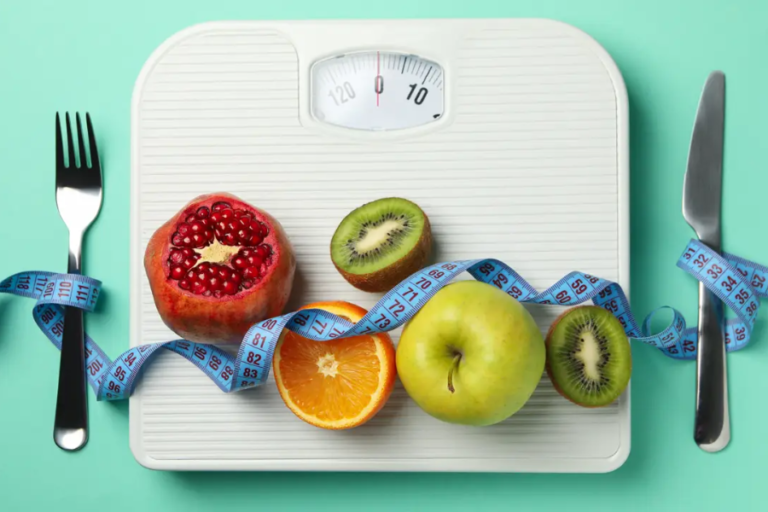


Understand what weight management really means
When you think about weight management, you might picture strict diets or intense workouts. In reality, weight management is about sustaining a healthy weight over time with habits you can live with, not short bursts of deprivation that leave you exhausted and discouraged.
The National Institute of Diabetes and Digestive and Kidney Diseases notes that more than one in three adults in the United States is overweight or has obesity, which raises the risk of type 2 diabetes, heart disease, stroke, and other conditions (NIDDK). That can sound intimidating, but it also means you are far from alone if you are struggling.
Weight control vs weight management
It helps to separate two ideas:
- Weight control often focuses on rapid loss, like squeezing into a deadline or event. You might follow a fad diet, then regain the weight as soon as you stop.
- Weight management focuses on the long view. Obstetricians & Gynecologists, PC in Nebraska describe it as maintaining a desired or healthy weight through lifelong habits, rather than restrictive short-term diets that often fail (OBGYN Nebraska).
If you have spent years cycling through diets, moving toward weight management is one of the most powerful shifts you can make.
How a “healthy weight” is actually defined
You may have heard about body mass index, or BMI. It is a simple formula that uses your height and weight as a rough guide to health risk. BMI is a starting point, not the whole story.
For weight management, health professionals also consider (OBGYN Nebraska):
- Your age
- Your gender
- Your activity level
- Your medical history
- Your family history and genetics
The “right” weight for you is the one that reduces your risk of problems such as type 2 diabetes and high blood pressure, and that you can maintain with realistic habits.
If you feel unsure what a healthy range looks like in your case, that is a good question to bring to your health care provider or a registered dietitian.
Shift your focus from fast loss to steady progress
One of the biggest weight management secrets is that slow and steady really does win here, even if your brain is begging for faster results.
The power of small, realistic goals
CDC guidance encourages you to set specific, realistic short-term goals, like walking 15 minutes three days a week, rather than extreme goals like “lose 20 pounds in two weeks” (CDC). Unrealistic targets tend to lead to frustration and quitting.
Try rewriting your goals so they pass this test:
- Specific: “I will walk after dinner for 15 minutes on Monday, Wednesday, and Friday.”
- Measurable: “I will drink water with every meal this week.”
- Realistic: You can genuinely imagine doing it with your current schedule.
Each time you hit a small goal, you build confidence, which makes the next step easier.
Aim for slow, sustainable weight loss
Both the CDC and the Mayo Clinic recommend aiming to lose about 1 to 2 pounds per week for long-term success (CDC, Mayo Clinic). That often means:
- A modest calorie deficit, not extreme restriction
- Regular movement, not all-day workouts
- Habits you could still see yourself following a year from now
Even losing about 5 percent of your body weight makes a real difference. For example, if you weigh 200 pounds, losing 10 pounds can improve blood pressure, cholesterol, and blood sugar and lower your risk of chronic disease (CDC).
You do not have to reach a “perfect” number for your efforts to matter.
Eat for weight management without feeling deprived
You do not need a complicated or trendy eating plan to manage your weight. A balanced, steady approach is both simpler and more effective.
Build meals around food groups
For weight management, a balanced diet means choosing nutrient-rich foods from all food groups, including fruits, vegetables, grains, proteins, and dairy or plant-based alternatives. Ideally, your meals include at least three food groups so you get enough nutrients and stay satisfied (OBGYN Nebraska).
One easy formula is to picture your plate:
- Half vegetables and/or fruit
- One quarter whole grains, like brown rice or whole wheat pasta
- One quarter lean protein, such as chicken, beans, tofu, fish, or eggs
The Mayo Clinic also recommends making more room for plant-based foods like fruits, vegetables, and whole grains because they tend to be lower in calories and higher in fiber, which helps you feel full on fewer calories (Mayo Clinic).
Quietly lower calories with smart swaps
You do not need to overhaul every recipe. Start with manageable changes:
- Swap sugary drinks for water, sparkling water, or unsweetened tea.
- Choose grilled or baked options instead of fried when possible.
- Use smaller plates so portions feel satisfying without being oversized.
- Add vegetables to dishes you already love to increase volume and fiber.
The Mayo Clinic Health System notes that if you keep meals under about 500 calories, it is easier to stay near 1,500 calories per day, which can support weight loss for many adults, depending on your size and activity level (Mayo Clinic Health System). You can tailor this with your provider or dietitian.
Plan ahead to avoid the “no time” trap
Lack of time is a common barrier to eating well. MD Anderson Cancer Center suggests planning your menu in advance and using time-savers like (MD Anderson Cancer Center):
- Buying pre-cut vegetables and bagged salads
- Using a slow cooker so dinner cooks while you work
- Doubling recipes and freezing portions for hectic nights
- Ordering groceries online so you are not shopping while hungry or rushed
You do not have to spend your whole Sunday meal prepping. Even planning three dinners and buying the ingredients at once can dramatically cut last-minute takeout.
Use labels as a simple guide
Reading nutrition labels is an underrated weight management tool. The Mayo Clinic Health System recommends focusing on (Mayo Clinic Health System):
- Serving size: Packages often contain more than one serving.
- Total calories per serving: Multiply by servings you actually eat.
- Added sugars: Lower is better.
- Total and saturated fat: Aim for lower saturated fat options when possible.
Once you get into the habit, comparing two products takes just a moment and can save you hundreds of calories over a week.
Allow all foods so you do not feel deprived
Feeling like you “can never have” certain foods can backfire. MD Anderson Cancer Center notes that a sense of deprivation is a major barrier to healthy eating, and that including moderate amounts of all foods can help you stay on track (MD Anderson Cancer Center).
You can:
- Enjoy a dessert or favorite snack on purpose, not as a “cheat,” and savor it slowly.
- Plan higher calorie foods into your week instead of banning them.
- Ask yourself, “Is this worth it right now?” and decide mindfully instead of by impulse.
Progress, not perfection, is what sustains weight management over time.
Use physical activity strategically, not perfectly
Exercise can feel like another all-or-nothing area, but weight management benefits from consistency more than intensity.
Understand how activity fits into the picture
The CDC explains that regular physical activity increases how many calories your body uses, and that most weight loss comes from reducing calorie intake while exercise helps maintain weight loss over time (CDC).
You can think of it like this:
- Food choices create the main calorie deficit.
- Movement helps deepen that deficit and protect your results.
Meet basic activity guidelines first
For general health and weight management, the CDC recommends that adults get (CDC):
- At least 150 minutes per week of moderate-intensity aerobic activity, such as brisk walking or dancing, or
- 75 minutes per week of vigorous-intensity activity, such as running or faster cycling, and
- Muscle-strengthening activities at least 2 days per week.
You can break this into pieces. For example, 30 minutes of moderate activity five days per week.
Examples for a 30-minute moderate session for a 154-pound person include hiking, light gardening, dancing, or walking at 3.5 miles per hour, which burns roughly 140 to 185 calories. A 30-minute vigorous session like running at 5 miles per hour or bicycling faster than 10 miles per hour burns around 230 to 295 calories (CDC).
When you might need more movement
Research shows that exercise alone often leads to modest weight loss, and that some people compensate by eating more when they exercise, which reduces the net effect (NCBI). Some trials found that higher amounts of exercise, such as about an hour a day, could lead to clinically meaningful weight loss of several kilograms over a few months (NCBI).
This does not mean you must hit the gym for hours. It means:
- If you prefer not to adjust food very much, you may need more activity to see changes.
- If your schedule is tight, focusing on both modest food changes and moderate activity can work better than relying on one alone.
For long-term weight maintenance, studies suggest that people who consistently expend around 2,500 calories per week with exercise are more likely to keep weight off (NCBI). That might look like daily brisk walks plus a couple of longer sessions over the weekend.
Make movement easy to say “yes” to
Walking is often the simplest starting point. Evidence shows that walking five or more times per week is linked with higher chances of weight loss success and better eating habits over time (NCBI PMC).
You can make it easier by:
- Parking farther from entrances.
- Taking stairs when you can.
- Setting a 10 minute “movement break” timer during long sitting stretches.
- Turning phone calls into walking time.
Aim for “more than before” rather than perfection.
Strengthen the habits that quietly support weight management
Beyond food and exercise, several lifestyle habits play a big role in your ability to lose weight and keep it off.
Protect your sleep
Getting 7 to 9 hours of sleep per night supports weight management, partly because poor sleep can disrupt hormones related to hunger and fullness. OBGYN Nebraska highlights adequate sleep as a key part of sustainable weight management, along with balanced eating and physical activity (OBGYN Nebraska).
If sleep is a struggle, you can start with:
- A consistent bedtime and wake time, even on weekends.
- A wind-down routine that does not involve screens right before bed.
- Keeping your bedroom cool, dark, and quiet.
Better sleep often makes it easier to choose healthy foods and move more, simply because you feel less exhausted.
Manage stress in livable ways
Chronic stress can undermine your efforts by increasing cravings, emotional eating, and fatigue. Healthy stress outlets like walking, yoga, deep breathing, or short meditations support weight management and mood (OBGYN Nebraska).
You do not need a long routine. Even 5 minutes of slow breathing or stretching between tasks can lower stress and interrupt mindless snacking.
Watch out for all-or-nothing thinking
MD Anderson Cancer Center points out that an “all or nothing” mindset is a common barrier. If you think in terms of “on” or “off” the plan, a single slip can feel like failure and prompt you to quit (MD Anderson Cancer Center).
You can gently replace that pattern with:
- “One decision does not cancel all my progress.”
- “What is the next choice I can feel good about?”
- “This is practice, not perfection.”
The Mayo Clinic also emphasizes the need for a mindset shift that treats healthy eating and exercise as permanent lifestyle changes, and encourages you to acknowledge setbacks without giving up (Mayo Clinic).
Understand your unique motivators and barriers
What motivates you is personal, and knowing your own “why” helps you stick with weight management when it feels hard.
Notice what actually motivates you
A systematic review of studies found that motivators for weight loss in people with obesity often include health concerns, body satisfaction, emotional encouragement, self-determination, mindful eating, available exercise facilities, and support from family, friends, peers, or health professionals (NCBI PMC).
Some patterns emerged:
- Many women value accountability, social support, and nutrition education, and tend to place more trust in health care providers.
- Some men may lean more toward medication solutions and may be less focused on planning and social support (NCBI PMC).
You can use this insight to ask yourself:
- “What has truly helped me change habits in the past?”
- “Do I do better with solo efforts, or with a partner, group, or coach?”
- “Do health goals, energy levels, or how my clothes fit motivate me more?”
Identify and work around your biggest barriers
The same review noted common barriers like lack of time, physical pain, limited access to healthy food, low social support, emotional challenges, and feeling restricted by diet rules (NCBI PMC).
You do not need to fix all of these at once. Pick one:
- If time is your barrier, use shortcuts like pre-cut produce, grocery delivery, or 10 minute workouts.
- If pain makes movement difficult, ask your provider about gentle options like water exercise or physical therapy.
- If you feel alone in your efforts, consider an online community, a local walking group, or a registered dietitian.
Seeing obstacles as problems to solve, rather than reasons you “cannot,” gives you back a sense of control.
Use support and structure to stay on track
You are more likely to succeed with weight management when you do not try to handle everything alone.
Build your support system
The CDC highlights that support from family, friends, coworkers, health care professionals, structured programs, and community resources can greatly improve your chances of losing weight and keeping it off (CDC).
You might:
- Tell one trusted person what you are working on and what kind of support you want.
- Ask a coworker or friend to join you for regular walks.
- Use community resources like parks, trails, or recreation centers when available.
If loved ones are not on the same path, even one encouraging voice makes a difference.
Track progress with non-food rewards
Monitoring your progress and adjusting along the way keeps you engaged. The CDC suggests revisiting your goals regularly, recognizing achievements, and celebrating with non-food rewards, such as new workout gear, a book, or a day trip (CDC).
You can track:
- Steps per day or minutes of movement
- Fruit and vegetable servings
- Water intake
- Sleep patterns
Even if the scale stalls at times, these habits tell you that your efforts are still moving you in a healthy direction.
When to consider professional treatment
For some people, lifestyle changes alone are not enough to reach a healthier weight. The CDC notes that prescription medications or bariatric surgery may be appropriate for certain individuals and should be discussed with a health care provider (CDC).
This does not mean you have failed. It means you are using all available tools to manage a chronic condition, just as you would with high blood pressure or diabetes.
Put the “secrets” into one simple plan
You can pull these weight management insights into a realistic starting plan. For example, over the next month you could:
- Choose one food habit to adjust
- Add a vegetable to one meal every day.
- Plan three dinners per week ahead of time.
- Choose one activity habit to build
- Walk 15 minutes three days a week after dinner.
- Do a 10 minute strength routine twice a week.
- Protect one foundational habit
- Set a bedtime that allows at least 7 hours of sleep.
- Practice a 5 minute stress-relief routine daily.
- Add one support step
- Share your goals with a friend.
- Start a simple habit tracker for the month.
- Plan for setbacks
- Decide in advance how you will respond when you miss a day or have a high-calorie meal. For example, “I will go right back to my usual plan at the next meal without trying to make up for it.”
You do not need to implement every strategy at once. Pick one or two changes that feel doable this week. As they become part of your routine, you can build from there.
Weight management is not about willpower or perfection. It is about designing your everyday life so that the healthy choice becomes the easier, more natural choice for you.