
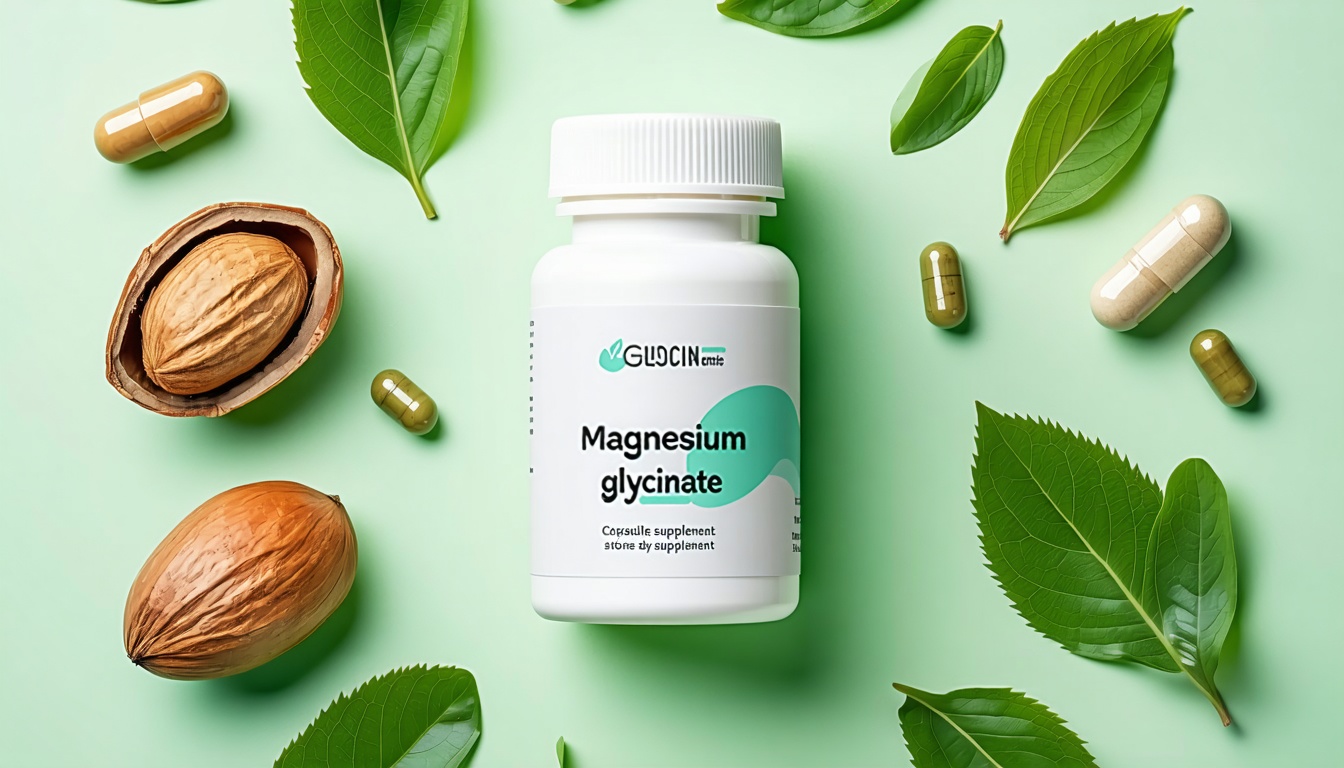
Magnesium Glycinate is quickly becoming a go-to supplement for those looking to boost their heart health, enhance mental clarity, and get better sleep—all while being gentle on the stomach. As a unique blend of magnesium and the amino acid glycine, this form of magnesium is not only highly absorbable but also supports a variety of bodily functions with fewer digestive issues compared to other forms. Whether you’re struggling with stress, muscle cramps, poor sleep, or low energy, magnesium glycinate may offer an effective and natural solution.
Understanding Magnesium Glycinate
Magnesium glycinate is a combo of magnesium and glycine, an amino acid superstar. You might snag it as tablets, gummies, or powders—your choice, your style. They say it packs a punch compared to other types of magnesium, thanks to its easy absorption and stomach-friendly nature (Mayo Clinic).
Benefits of Magnesium Glycinate
Magnesium glycinate’s got some serious perks. Check these out:
- Happy Heart: Keeps your ticker in top shape and your blood pumping right.
- Blood Sugar Buddy: Good vibes for keeping those sugar levels chill, a boon for folks managing diabetes.
- Brain Booster: May keep your noggin sharp and help to ease anxiety and blues.
- Better Sleep: Many folks sleep like a charm, saying goodbye to those restless nights.
| Benefit | Description |
|---|---|
| Happy Heart | Boosts heart function and overall cardiovascular health |
| Blood Sugar Buddy | Keeps your blood sugar on an even keel |
| Brain Booster | Supports mental sharpness, helps with anxiety and blues |
| Better Sleep | Enhances sleep quality, less tossing and turning |
Absorption of Magnesium Glycinate
Magnesium glycinate’s got one leg up, with top-notch absorption that sets it apart from its magnesium pals. This means your body can happily soak it up, without the tummy tantrums others might cause. If you’ve got a touchy belly, this might be your jam. It’s a double-duty hero—great for calming nerves and improving your sleep cycle (Sealions).
Beyond just absorption, this supplement could be a game-changer, as lots of people out there aren’t hitting their magnesium mark. This gap can stir up health woes, making magnesium a solid buddy for your diet (PMC).
Thinking about adding magnesium glycinate to your daily mix? It’s got the goods to boost your health while ensuring your body grabs the nutrients it craves. Curious for more scoop? Take a look at our section on magnesium supplements.
Importance of Magnesium
Magnesium Deficiency Symptoms
A surprising number of folks here in the good ol’ U.S. just ain’t getting enough magnesium. About 60% of us are running low on this essential mineral. Your body does a decent job of hanging onto its supply by managing how much it lets out, but low levels can still sneak up on you without making a big fuss upfront. You might find yourself dealing with some annoyingly familiar issues!
| Symptom | What’s Going On |
|---|---|
| Muscle Cramps | Your muscles decide they’re moving on their own. |
| Fatigue | No matter how much you rest, you’re still dragging. |
| Irritability | Everything and everyone gets on your nerves. |
| Heart Palpitations | Your heart turns into a drummer at a rock concert. |
| Sleep Disturbances | Your nights are longer but somehow shorter. |
Taking a peek at these symptoms and seeing your reflection might mean trying a magnesium supplement is worth a shot. For those night owls out there, check out magnesium glycinate for sleep.
Role of Magnesium in the Body
Magnesium’s no underachiever; it’s like the secret sauce for hundreds of enzyme systems. It also puts the gears in motion for various chemical reactions that keep you firing on all cylinders. Here’s how it’s got your back:
| Function | What It Does |
|---|---|
| Energy Production | Transforms your lunch into the energy you spend. |
| Bone Health | Keeps those bones of yours strong and sturdy. |
| Muscle Function | Stops your muscles from misbehaving. |
| Nerve Function | Keeps the lines open for your brain to chat with the rest of your body. |
| Blood Sugar Regulation | Helps keep your blood sugar from going on a rollercoaster ride. |
Keeping those magnesium levels up is a big deal for feeling good. If you suspect you’re falling short, a magnesium glycinate supplement might just fill that gap nicely. Eating right with magnesium-rich foods can also do wonders, so pop over to our article on a high magnesium diet for some tasty ideas.
Dosage and Recommendations
Thinking about adding magnesium glycinate to your daily health mix? Well, let’s break down the details so you’re well-informed.
How Much You Need
Your magnesium needs vary depending on who you are. Age, gender, and things like pregnancy influence how much you should get. For most grown-ups, you’re looking at a range of 300 to 420 mg a day. Here’s a simple table to keep it straight:
| Age Group | Males (mg/day) | Females (mg/day) |
|---|---|---|
| 19-30 years | 400 | 310 |
| 31-50 years | 420 | 320 |
| 51+ years | 420 | 320 |
| Pregnant folks | N/A | 350-360 |
| Breastfeeding folks | N/A | 310 |
It’s a bit of a shocker, but about 60% of people in the U.S. don’t get enough magnesium. Crazy, right? Many just don’t hit the suggested amounts (Healthline).
What Affects Your Magnesium Needs
There are a few things to think about when figuring out how much magnesium you need:
- Age: Younger people need more magnesium for that spurt of growth.
- Gender: Guys usually need more magnesium, especially as adults.
- Pregnancy and Nursing: Expectant or new moms need extra for those little ones growing and nursing (Healthline).
- Health Issues: Problems like gut issues or kidney troubles can mess with how your body handles magnesium.
- Eating Habits: If you’re short on magnesium-rich foods like greens, nuts, and whole grains, your levels might dip. It could help to take a peek at a high magnesium menu.
By tweaking your diet and keeping these things in mind, you can work magnesium glycinate into your routine for some real health perks. Give it a shot and feel the difference!
Health Benefits of Magnesium Glycinate
Boosting your health can be as simple as adding a pinch of goodness with magnesium glycinate. It’s like a secret weapon for a happy heart and sharp mind. Let’s dive into the perks and see why folks are turning to this mag-gician of supplements.
Improved Heart Health
Want your ticker to keep on ticking smoothly? Magnesium glycinate might just be your heart’s best buddy. It keeps the heart powering along nicely, smoothing out any skips or dances in its rhythm. Plus, it’s like a little fire extinguisher for body inflammation, which nobody likes. Think of it as your heart’s personal trainer, fine-tuning those cholesterol numbers and cutting down the risk of heart disease because who doesn’t want a happy, healthy heart?
| Benefit | Effect |
|---|---|
| Smooths out heart rhythm | Keeps the heart beating peacefully |
| Reduces body’s angst | Lowers chances of heart trouble |
| Tunes up cholesterol | Helps manage cholesterol for a healthy heart |
Regulation of Blood Sugar Levels
Magnesium glycinate plays nice with your blood sugar too. It lends a helping hand in making sure your body uses insulin like a pro. This little mineral magician might just keep those sugar spikes at bay. Anyone dealing with the daily sugar shuffle or worried about diabetes should give magnesium glycinate a nod.
| Benefit | Effect |
|---|---|
| Boosts insulin performance | Smooths out sugar levels |
| Lowers diabetes risk | Keeps diabetes fears at arm’s length |
Cognitive Function Support
Not just a one-trick pony, magnesium glycinate is brainy too. It’s got a knack for helping folks, especially kids dealing with ADHD, focus like a laser. And it’s a bit like a memory booster for those in their golden years tackling dementia. It’s like a workout for your noggin, keeping it sharp and snappy.
| Benefit | Effect |
|---|---|
| Focus enhancer | Sharpens attention for whizzing ideas |
| Memory support | Gives a helping hand to memory for the elderly |
Fitting magnesium glycinate into your day-to-day routine could sprinkle some extra health magic into your life. Curious for more? Peek at our page on magnesium glycinate supplement or broaden your horizon with magnesium citrate supplement.
Taking Magnesium Glycinate
Best Practices for Consumption
Got magnesium glycinate on your radar? Well, if you wanna make the most of it, there are some handy tricks you should follow. Let’s jump into them:
- When to Take It: Popping your magnesium glycinate in the evening or before hitting the sack can work wonders. It’s known to help you unwind, making it a good buddy if you’re on the hunt for a better snooze. Check out our insight on magnesium supplement for sleep.
- How Much: Figuring out the right dose can be a bit of a puzzle since it varies by person. A typical range is 200 to 400 mg daily. A chat with your doctor can point you towards the sweet spot.
- Pair with Food: Munching it down with a meal might just help your belly soak it up better while reducing those annoying tummy aches.
- Hydration is Key: Good ol’ H2O! Guzzling enough water during the day keeps your kidneys happy and helps toss out any extra magnesium. More details are on Healthline.
- Doc Talk: Before diving into any new supplement, having a word with your doc, especially if you’ve got other health stuff going on or are on meds, is always wise.
Need more scoop on dosages? Don’t miss our article on magnesium glycinate supplement.
Possible Side Effects
Magnesium glycinate is mostly a hit, but it ain’t all sunshine and rainbows for everyone. Here’s what some folks might feel:
| Side Effect | What Might Happen |
|---|---|
| Diarrhea | Loose stools might crash the party if you take in too much magnesium. |
| Nausea | Your stomach might play games, especially if it’s empty when supplement time rolls around. |
| Stomach Cramps | A bit too much of a good thing or being sensitive can make your gut grumble. |
While it’s rare for folks with healthy kidneys to OD on magnesium (because they flush out the excess), discomfort shouldn’t be ignored. If any bothersome effects stick around, quit the supplement and holler at your healthcare provider for guidance.
Interestingly, this marvel can also jazz up your chill factor, helping with stress and anxiety and adding a wellness boost Health.com. Curious about how magnesium shakes hands with sleep? Snoop around our section on magnesium and sleep.
Follow these easy peasy tips, and you’ll be well on your way to reaping all the health perks magnesium glycinate can dish out!
Considerations for Magnesium Supplements
Thinking of picking up some magnesium supplements? It’s important you know what’s what among the different types and how they fit your needs. Let’s break down what makes magnesium glycinate tick compared to its magnesium buddies and see where it shines.
Magnesium Glycinate vs. Other Forms
Magnesium supplements ain’t a one-size-fits-all deal. You’ve got your magnesium glycinate, citrate, and oxide. Each has its thing, especially in terms of how well your body soaks it up and what it does for you.
| Supplement Type | Absorption Level | What It’s Known For |
|---|---|---|
| Magnesium Glycinate | High | Easy on the stomach, helps with sleep and muscles (magnesium glycinate sleep) |
| Magnesium Citrate | Moderate | Good for digestion but might have you running to the bathroom (magnesium citrate supplement) |
| Magnesium Oxide | Low | Pretty common but not the best at getting into your system |
Magnesium glycinate shines by how easily your body absorbs it, making it the go-to for improving both shut-eye and chilling out (Health.com). If you’re worried about your stomach revolting or needing too many bathroom breaks, glycinate could be your best buddy.
Craving more scoop on how magnesium glycinate compares to citrate? Swing by our write-up on magnesium citrate and glycinate.
Magnesium Glycinate for Special Cases
Magnesium glycinate can really make a difference in some specific scenarios:
- Pregnancy: Pregnant women aged 18+ are recommended to dial up their magnesium to 350–360 mg a day. Glycinate’s gentle touch supports muscles and aids relaxation during pregnancy.
- Stress and Anxiety: Some studies suggest glycinate might be handy in dialing down those stress levels and giving anxiety the boot, leading to a better mental state (Health.com).
- Skin Conditions: Dealing with things like atopic dermatitis? Magnesium can give your skin’s hydration a boost and help patch up its defenses. Glycinate’s good rep extends to keeping skin in check (PMC).
- Kidney Issues: Got kidney concerns? Have a chat with a healthcare pro before diving into magnesium glycinate, as excess magnesium can be tricky for the kidneys to handle (Medical News Today).
So whether you’re eyeing something broadly helpful or you’ve got specific needs in mind, magnesium glycinate is a solid choice that caters to all kinds of folks. Get the full lowdown on magnesium options by hopping over to our pages on magnesium supplements and magnesium glycinate supplement.
Final Thoughts
If you’ve been feeling run-down, anxious, or simply not yourself, magnesium glycinate could be a gentle yet powerful addition to your daily wellness routine. With its high bioavailability and wide-ranging health benefits—from heart and brain support to improved sleep quality—this supplement offers more than just a magnesium boost. It’s a versatile option for anyone aiming to support their body’s essential systems without unwanted side effects. As always, it’s smart to consult your healthcare provider before starting any new supplement, especially if you have underlying health conditions or are pregnant. Give your body the mineral support it deserves, and let magnesium glycinate help you thrive.
Frequently Asked Questions (FAQ)
What is magnesium glycinate?
Magnesium glycinate is a form of magnesium combined with glycine, an amino acid. It’s known for its superior absorption and is often used to help with anxiety, sleep, and muscle support while being gentle on the digestive system.
What are the main benefits of taking magnesium glycinate?
Magnesium glycinate supports heart health, stabilizes blood sugar levels, promotes better sleep, improves cognitive function, and reduces symptoms of stress and anxiety. It’s also effective for individuals with magnesium deficiency.
How is magnesium glycinate different from other magnesium supplements?
Compared to forms like magnesium citrate or oxide, glycinate offers higher absorption and is easier on the stomach. It’s especially recommended for people who experience digestive discomfort with other magnesium types.
When should I take magnesium glycinate?
It’s typically best taken in the evening or before bed due to its calming effects. However, you can take it with meals during the day to reduce the chances of stomach upset.
What is the recommended dosage?
The general daily dosage for adults ranges from 200 to 400 mg, depending on age, gender, and individual health needs. Always consult a healthcare provider for personalized guidance.
Are there any side effects?
While most people tolerate magnesium glycinate well, some may experience diarrhea, nausea, or stomach cramps—especially if taken in high doses. Staying hydrated and taking it with food can help minimize these effects.
Can I take magnesium glycinate during pregnancy?
Yes, magnesium glycinate is considered safe for pregnant women, and it may help with muscle cramps and sleep. However, dosage should be carefully monitored, so always consult your OB-GYN before starting.
Is magnesium glycinate good for anxiety and sleep?
Yes, it’s often used for these purposes. Magnesium helps regulate neurotransmitters involved in mood and relaxation, while glycine enhances its calming effect, making it beneficial for improving sleep and reducing anxiety.