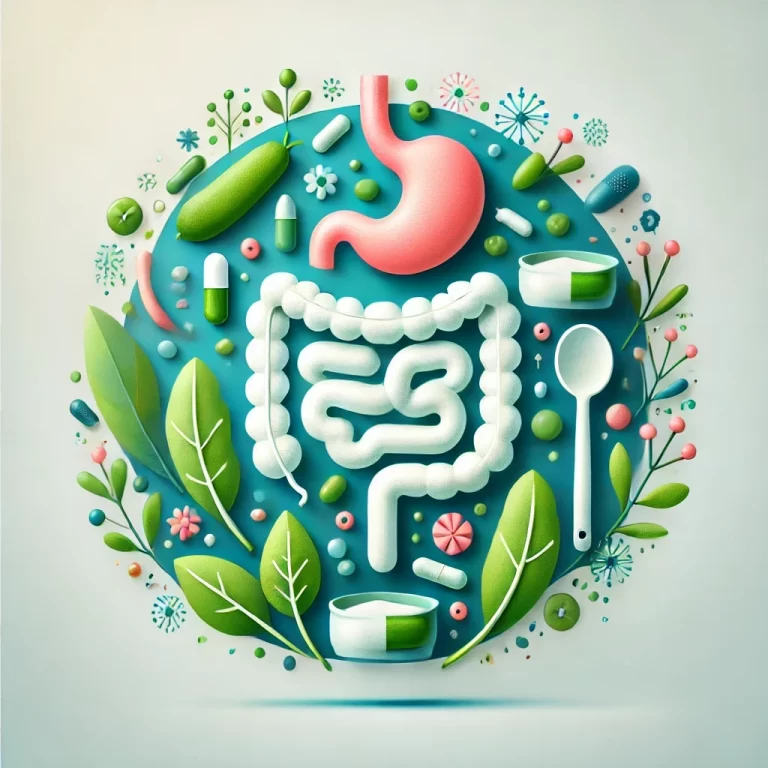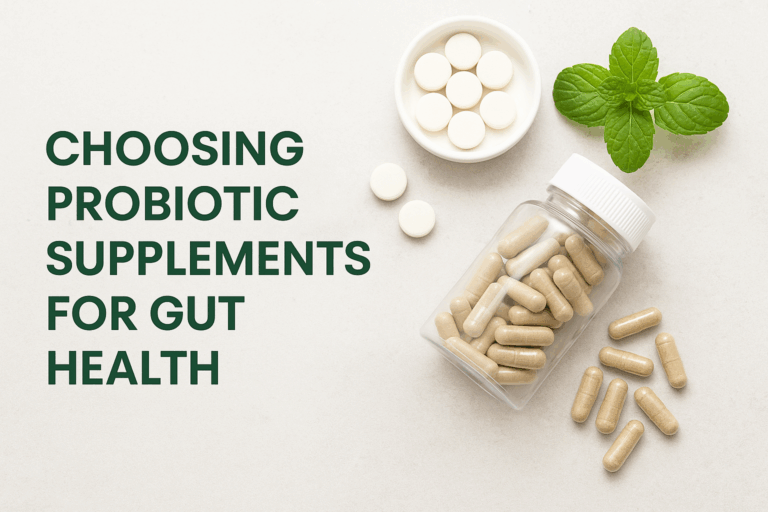

Gut health plays a larger role in overall wellness than most people realize. From digestion and immunity to skin health and mental clarity, the balance of bacteria in your digestive system can affect how you feel every day. Probiotic supplements have gained attention for their potential to support this balance—but are they right for you?
If you’re wondering whether probiotic supplements might be beneficial, a quick self-assessment can help. Scroll down to take our short quiz and find out.
✅ Take the Quiz: Are Probiotic Supplements Right for You?
This quick, six-question quiz can give you a better idea of whether probiotic supplements could be helpful for your digestive health and overall wellness.
Once you’ve answered the questions, you’ll get a recommendation based on your score. Whether your results suggest strong potential benefits or minimal need, the quiz will help you make a more informed decision.
Are Probiotic Supplements Right for You?
Not Sure Where to Start? Try Thrive Well Probiotic Supplements
If your quiz results suggest that probiotics might support your health goals, Thrive Well Supplements offers several high-quality probiotic formulas designed to support digestion, nutrient absorption, and immune function. Whether you’re looking for a daily capsule or a more targeted blend, you can browse their full collection here:
Each product is formulated with care, using proven strains and clean ingredients to help you get the support you need without the additives you don’t.
Understanding Your Results
Here’s what the quiz score might suggest:
- Score 5–6: You’re experiencing several signs of imbalance. Probiotic supplements may offer meaningful support, especially if combined with a healthier diet and reduced stress.
- Score 3–4: You could benefit from probiotics, but lifestyle changes may also improve your symptoms.
- Score 0–2: You may not need probiotics right now. A balanced, nutrient-dense diet might be enough to maintain gut health.
These suggestions aren’t a substitute for medical advice, but they can help you determine whether to explore probiotics further.
What Are Probiotics?
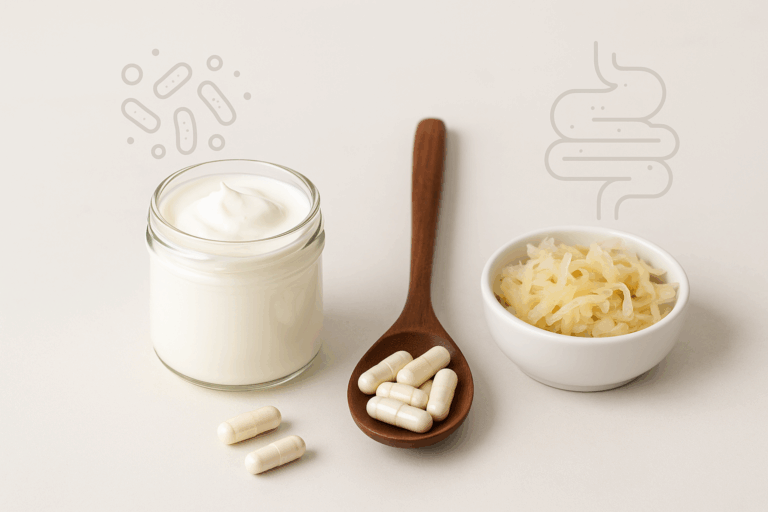
Probiotics are live microorganisms—mainly bacteria and yeasts—that can provide health benefits when consumed in adequate amounts. They occur naturally in fermented foods like yogurt, kefir, sauerkraut, and kimchi, but they’re also available in supplement form.
These supplements often contain strains of beneficial bacteria such as Lactobacillus, Bifidobacterium, and Saccharomyces boulardii. When introduced to the gut, they help maintain a healthy balance of intestinal flora.
Why Gut Health Matters
The digestive system isn’t just about processing food. It’s connected to many key functions in the body, including:
- Immune support: About 70% of your immune cells are located in your gut.
- Mood regulation: The gut produces around 90% of the body’s serotonin.
- Nutrient absorption: A balanced microbiome helps you extract vitamins and minerals from food.
- Inflammation control: Gut imbalance has been linked to chronic inflammation and several autoimmune conditions.
Disruptions to this balance can happen for many reasons—poor diet, antibiotic use, stress, lack of sleep, and even environmental toxins. Probiotics may help restore balance and ease related symptoms.
Common Signs You May Benefit from Probiotics
While probiotics aren’t a cure-all, many people notice improvements when they address gut imbalance. Here are some signs that your body might respond well to probiotic support:
- Frequent bloating, gas, or constipation
- History of antibiotic use
- Skin problems like acne, eczema, or rosacea
- Weakened immunity or frequent illness
- Persistent fatigue or trouble sleeping
- Diet high in processed foods and sugar
If any of these apply to you, you’re not alone—and that’s exactly why we created the quiz below.
Choosing the Right Probiotic
If your quiz results suggest that probiotics might be worth trying, here are a few tips for choosing a quality supplement:
- Look for multiple strains: Diversity helps improve effectiveness. Common beneficial strains include L. acidophilus, B. longum, and S. boulardii.
- Check CFU count: Aim for at least 5–10 billion CFUs (colony-forming units) per dose.
- Check for prebiotics: Some supplements include prebiotic fibers like inulin, which feed beneficial bacteria.
- Avoid unnecessary additives: Steer clear of artificial colors, sweeteners, and preservatives.
- Choose a reputable brand: Look for third-party testing and clear labeling.
Also consider your individual needs. Some formulas are designed specifically for women’s health, immune support, or digestive issues like IBS.
Lifestyle Habits That Support Gut Health
Supplements can help, but lifestyle still makes a big difference. Here are simple habits that support a healthy gut:
- Eat more fiber: Vegetables, legumes, fruits, and whole grains feed good bacteria.
- Reduce processed foods and added sugars: These promote bad bacteria and yeast overgrowth.
- Stay hydrated: Water helps move waste through the digestive tract.
- Get enough sleep: Aim for 7–8 hours per night.
- Manage stress: Chronic stress can disrupt your gut flora.
- Exercise regularly: Movement promotes healthy digestion.
Making small changes in these areas can boost the effectiveness of any probiotic you choose.
Final Thoughts
Gut health affects more than digestion—it plays a role in energy, mood, immunity, and skin. If you’ve been feeling off and aren’t sure why, probiotics may offer support. Our quiz provides a quick, simple way to assess whether you might benefit from a supplement.
Take a minute to complete the quiz and review your results. Then consider your options for improving gut health—whether through diet, lifestyle adjustments, or high-quality probiotics.