
Coenzyme Q10 CoQ10 Supplement is gaining attention as a powerful ally in supporting heart health, boosting energy levels, and combating age-related cellular decline. This naturally occurring antioxidant plays a vital role in energy production within the mitochondria—your cells’ power plants. But as we age, or when dealing with certain health conditions like heart disease or taking statins, our natural levels of CoQ10 can dip, making supplementation a smart choice for many looking to maintain vitality and overall wellness.
Understanding CoQ10
What is CoQ10?
Coenzyme Q10, usually shortened to CoQ10, is like your body’s very own spark plug. A natural antioxidant, it’s something your body makes all by itself. CoQ10’s main gig? Helping to make sure your cells have the energy they need to keep you up and running. This happens in the mitochondria, which is kinda like your cell’s power station, turning nutrients into energy. But, as birthdays pile up, your body’s CoQ10 seems to pack its bags. Plus, if you’ve got issues like heart problems or are on statins (meds for lowering cholesterol), your CoQ10 could need a little extra boost.
Curious about the nitty-gritty of CoQ10’s action? Head over and check out our article on coenzyme q10 what does it do.
Importance of CoQ10 in the Body
CoQ10 is kind of a big deal for a few reasons:
- Energy Powerhouse: It’s the behind-the-scenes force, cranking out energy for those parts of you that need it most, like your ticker and brain.
- Antioxidant Armor: CoQ10 doubles as a protector, keeping your cells safe from damage, like a body’s own superhero.
- Heart Helper: Some folks find that keeping CoQ10 levels up can lend a hand to heart performance. For those with heart ailments, CoQ10 supplements might be the key to a happy heart.
Here’s a breakdown of CoQ10’s role in your system:
| Function | Description |
|---|---|
| Energy Production | Turns nutrients into get-up-and-go juice for your cells |
| Antioxidant Defense | Shields your cells from getting roughed up by oxidative stress |
| Heart Health Support | Cheers on your heart to operate smoothly, especially if it’s troubled by disease |
Eager to know more about how CoQ10 can boost your wellbeing? Swing by coq10 what is it good for.
Getting your head around CoQ10’s part in your bodily orchestra might spotlight why keeping its levels in tip-top shape is a smart move for staying healthy. If you’re running low on energy or facing issues tied to diminished CoQ10, think about chatting with your doc about supplements. Keep up the learning with our articles on coq10 what is it and coq10 supplement.
Benefits of CoQ10
Coenzyme Q10, or CoQ10 if we’re feeling abbreviated, is like that dependable friend who always has your back. It offers loads of perks to keep your health in check, so let’s peek at what’s in store for you.
Heart Health Benefits
Your ticker deserves some love, and CoQ10’s here to help. It’s got a knack for easing chest pain, lowering the nasty cholesterol, and might even give you a fighting chance at living a little longer if you’re dealing with heart issues. Folks with heart conditions might wanna aim for around 200 mg a day for this helper to truly shine. Healthline’s got your back too if you need more info..
| Benefit | Description |
|---|---|
| Reduces Angina Pain | Eases the chest discomfort tied to heart trouble. |
| Lowers LDL Cholesterol | Helps curb the levels of bad cholesterol. |
| Decreases Mortality Risk | Could lower the chance of heart-related problems knocking you out early. |
Wanna dig deeper into the heart perks of CoQ10? Check out coq10 what does it do.
Role of CoQ10 in Aging
Getting older doesn’t mean slowing down, and CoQ10 could give you that extra spark. As time goes by, your natural CoQ10 levels slip, leaving you more tired than a cat after a nap marathon. This nifty little supplement can give your cells the energy boost they need, supporting not just your pep but your overall mojo as well. Research says it’s good stuff for keeping us fresh and hearty as we age, fine-tuning our energy production and heart health (Here’s the science to back it up).
| Aging Factor | Benefit of CoQ10 |
|---|---|
| Decreased Production | Aging nicked your CoQ10 levels, messing with your get-up-and-go. |
| Improved Egg Quality | Can keep those eggs fresh and boost fertility vibes. |
| Enhanced Cellular Energy | Turns food into fuel like a champ. |
For more on how CoQ10 might just be the fountain of youth, head over to coenzyme q10 what is it good for.
Jumping on the CoQ10 bandwagon can bring some serious benefits, especially for your heart and keeping that youthful glow. Whether you’re all for popping a coenzyme q10 supplement or thinking about another way to get it, knowing its top-notch perks is key.
CoQ10 Supplementation
Sources of CoQ10
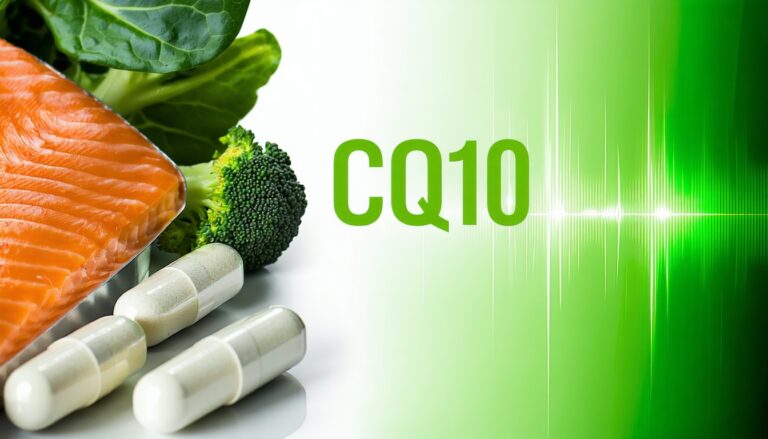
Alright, so you’re thinking of ramping up your CoQ10 game, huh? Well, guess what? Your dinner plate’s got your back! You can score some Coenzyme Q10 from good ol’ meat, fish, and those crunchy nuts we all love. But spoiler alert – the amount might not exactly rock your CoQ10 boat. If we’re really talking business, supplements come in as the knight in shining armor. They’re easily found as capsules, chewable tablets (yum!), liquids, and even the fancy intravenous way for you fancy folks!
Have a peek at this table for some grub you’ll wanna keep an eye on:
| Food Source | CoQ10 Content (mg per 100g) |
|---|---|
| Beef | 3.0 – 6.0 |
| Spinach | 0.5 – 1.0 |
| Fish | 1.0 – 4.0 |
| Nuts | 0.5 |
| Chicken | 1.0 |
Wanna nerd out on all things CoQ10 and its superpowers in your body? Check out this guide.
Recommended Dosage of CoQ10
Now, let’s sort out how much CoQ10 you should be popping. Seriously, it varies like nobody’s business! Folks with heart problems can go big with doses up to 200 mg a day – it’s like a VIP pass to chill heart vibes, less chest pain, and a match against bad cholesterol. Lifesaving, right?
Just looking for a good boost in life? The daily magic dose is usually between 100 to 200 mg. You’ll feel a switch-up in muscle mojo and overall zest. Plus, older adults can feel an edge in workouts, possibly giving age-related heart and brain blues the gentle boot.
| Condition | Recommended Dosage (mg/day) |
|---|---|
| Heart Issues | Up to 200 |
| General Health Boost | 100 – 200 |
| Muscle Power | 100 – 200 |
| Migraine Management | 400 |
Newsflash: taking 400 mg of CoQ10 daily has blown researchers’ minds by slashing how often and how bad migraines are. Thank goodness, right?
But before you chuck down any pills, make a date with your doctor or healthcare buddy to play it safe and smart. For more juicy details on CoQ10’s superhero background, vist this post.
CoQ10 for Specific Health Conditions
CoQ10 for Migraines
Got that pounding headache? CoQ10 might be your new best friend. Some folks find that taking 400 mg of CoQ10 each day can make those annoying migraines a little less menacing. In a study with 45 women, those who took CoQ10 saw their migraines drop in number and pain compared to those who popped a placebo. This isn’t some magic potion, though! Science says it might reduce oxidative stress and slap down those pesky free radicals that love triggering headaches.
And there’s more to why CoQ10 works wonders. It hangs out in the mitochondria of your brain cells, tackling little mishaps there that are often tied to migraines.
| CoQ10 Amount | Migraine Magic |
|---|---|
| 400 mg/day | Fewer, milder, shorter migraines |
Want to geek out over CoQ10’s benefits? Head over to coq10 what does it do.
CoQ10 for Muscle Strength
Thinking of hitting the gym more often? CoQ10’s got your back when it comes to muscle power, especially if you’re not a spring chicken. Taking 100 to 200 mg of CoQ10 might just give your muscles the boost they need, making your time on the treadmill a little more impressive. And hey, it’s not just about flexing those biceps. There’s a chance it could help fend off heart troubles and memory problems that sneak up as we age.
Here’s why CoQ10’s a buddy to your muscles:
| CoQ10 Amount | Muscle Boost |
|---|---|
| 100-200 mg/day | Strength and performance upturn |
Curious about how CoQ10 plays a part in keeping your muscles healthy? Dive into our coenzyme q10 what is it good for guide.
Adding some coenzyme q10 supplement into your daily routine might just be the thing that helps keep those migraines at bay and your muscles in action.
Safety and Side Effects
Trying out something new like coenzyme Q10, or CoQ10, comes with a need for a bit of caution. Knowing how safe it is and what side effects you might run into is key. This part has got your back, giving you a heads-up on what you could face with mild side effects and any possible hiccups when mixing it with meds.
Mild Side Effects
On the whole, CoQ10 pills get a thumbs-up as safe from most health experts, especially if you’re sticking to the dose instructions. But, you might come across some minor bumps on the road. The usual suspects are:
| Side Effect | Description |
|---|---|
| Stomach Problems | Some folks talk about feeling queasy, having runs, or a funny tummy after taking CoQ10. |
These side effects don’t typically scream for attention, but if they decide to hang around or feel nastier, chatting with your doc is a smart move. Also, whether CoQ10 plays nice during pregnancy or breastfeeding isn’t set in stone, so getting a pro’s take is super wise before diving into it in these times (Mayo Clinic).
Interactions with Medications
Now, there’s the question of how CoQ10 fits in with any meds you might already be using. Some stuff you really want to keep an eye on:
- Blood Thinners: If you’re on blood thinners like warfarin, your body might not play by the rules with CoQ10 in the mix.
- Blood Pressure Medication: CoQ10’s talent for lowering blood pressure could make your usual meds for hypertension work overtime.
Before kicking off a CoQ10 routine, a heart-to-heart with your healthcare provider is a good idea to measure up if it aligns with your current prescriptions (Mayo Clinic). Clued up about side effects and med mix-ups means you’re making a top choice on your path to better health.
If you’re itching for more on what CoQ10 can do, have a look at coq10 what is it, and coenzyme q10 what is it good for.
Factors Affecting CoQ10 Absorption
Cracking the code on what makes CoQ10 work its magic in your body can ramp up its benefits. Let’s break down the lowdown on CoQ10’s uptake and how you can get the best bang for your buck with this supplement.
Bioavailability of CoQ10
Bioavailability—big word for how your body slurps up nutrients from a supplement. CoQ10’s case is a little finicky; it’s all about the mix. If CoQ10 bits are like a clunky puzzle, they won’t fit well, and you’re looking at a 75% dip in how much your body can actually use (PubMed Central). Picking the right CoQ10 matters too. The ubiquinol variant packs double the punch than its cousin, ubiquinone, if ubiquinone’s just floating around without some shakeup love. Why does this matter, you ask? Because unless those CoQ10 bits are in mix-and-match mood, you’re not getting the whole shebang (PubMed Central).
And hey, typically, CoQ10 takes its sweet time—about 5 to 8 hours—from your mouth to the bloodstream. Along the way, ubiquinol tends to go “poof” and changes into ubiquinone (PubMed Central). So, getting a supplement that knows its stuff can really up your CoQ10 game.
Enhancing CoQ10 Bioavailability
Wanna up CoQ10’s game? Try these hacks:
- Pick the Good Stuff: Choose a coenzyme Q10 supplement that’s either in ubiquinol form or one where CoQ10’s all cozied up through some heat mixing magic.
- Spread Your Doses: One mega-dose may not cut it. Sprinkling your CoQ10 fixes throughout the day could lead to better levels (PubMed Central).
- Fat’s Your Friend: Eating CoQ10 with fatty meals can really amp things up. As a fat-friendly substance, CoQ10 pairs well like cheese with wine, enhancing its absorption.
- Helper Molecules: Some smart supplements have tiny helpers (like NPC1L1) that drag CoQ10 past the intestinal bouncers into your system without a hitch.
By picking the right form and time for your CoQ10, you’d be saying hello to a world of better health goodies it brings. If you’re curious about more CoQ10 wonders, take a peek at our stories on coq10 what does it do and coq10 what is it good for.
Final Thoughts
Adding a Coenzyme Q10 supplement to your routine may provide significant health benefits, especially if you’re managing cardiovascular conditions, frequent migraines, or age-related fatigue. While CoQ10 is present in foods like meat, fish, and nuts, dietary sources often fall short of meeting optimal levels. Choosing a high-quality, bioavailable form—particularly ubiquinol—can maximize your body’s ability to absorb and utilize this essential nutrient. As with any supplement, it’s wise to consult with a healthcare provider to tailor usage to your individual needs and ensure it doesn’t interact with current medications.
Frequently Asked Questions (FAQ)
What is Coenzyme Q10 (CoQ10) and what does it do?
CoQ10 is a natural antioxidant produced in the body that supports cellular energy production. It helps convert food into energy and protects cells from oxidative damage. It is especially important for organs with high energy demands like the heart and brain.
Who should consider taking a CoQ10 supplement?
People with heart conditions, those taking statins, older adults, or anyone experiencing fatigue, migraines, or declining energy levels might benefit from CoQ10 supplementation. It’s always best to consult a healthcare provider before starting.
What is the recommended dosage for CoQ10?
For general health, 100–200 mg per day is common. Individuals with heart issues or migraines may require higher doses, up to 400 mg daily. Dosage should be tailored to your needs and guided by a healthcare professional.
Can CoQ10 help with migraines?
Yes, studies suggest that taking 400 mg of CoQ10 daily may reduce the frequency and severity of migraines by decreasing oxidative stress and supporting mitochondrial function in brain cells.
Are there any side effects of taking CoQ10?
Most people tolerate CoQ10 well. Mild side effects may include stomach upset, nausea, or diarrhea. It’s also important to check for interactions if you’re taking blood thinners or blood pressure medications.
How can I improve CoQ10 absorption?
Taking CoQ10 with a fatty meal enhances absorption. Choosing the ubiquinol form or supplements designed for better bioavailability can also improve effectiveness.