
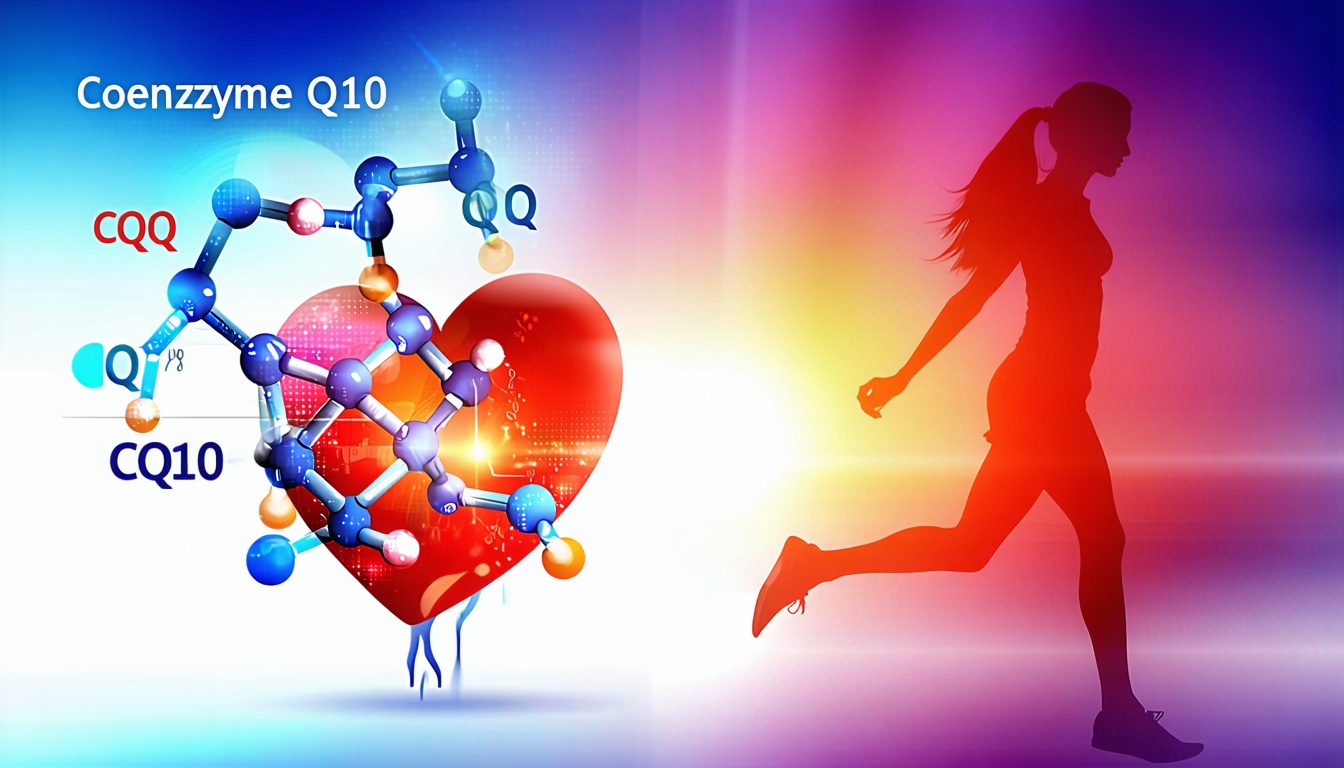
Coenzyme Q10 is a naturally occurring antioxidant that plays a vital role in cellular energy production and overall wellness. Found in every cell of the body—especially in high-energy organs like the heart—CoQ10 helps generate adenosine triphosphate (ATP), the fuel that keeps our bodies running smoothly. However, as we age or face certain health conditions, CoQ10 levels decline, which can lead to fatigue, cardiovascular concerns, and other health challenges. Fortunately, understanding how to replenish these levels through diet or supplementation can offer meaningful support for heart health, energy, and even migraine management.
Understanding CoQ10
What is CoQ10?
So, Coenzyme Q10—yep, CoQ10 for short—is this nifty antioxidant your body churns out like a champ. Picture it as the spark plug for your cells, revving up energy production right where it happens—in the mitochondria, those little engines cranking out power. It’s like creating adenosine triphosphate (ATP), the magical energy molecule cells can’t function without (Healthline).
But here’s the kicker: as you rack up the birthdays, your body starts slipping up in CoQ10 production. Chuck in a few health hiccups like heart disease or tossing back some cholesterol meds (statins), and you might be left a bit short on juice (Mayo Clinic). This makes knowing your CoQ10 a bit of a secret weapon in the battle for peak health and energy levels.
Importance of CoQ10 in the Body
CoQ10 is your all-around MVP, covering a bunch of bases in your body. It’s not a magic bullet, but it’s got your back in these key areas:
| Thing It Does | Why It Rocks |
|---|---|
| Energy Jolt | CoQ10 is your cell’s caffeine hit, creating ATP to keep you moving and grooving. |
| Cell Shield | Acts like a bodyguard for your cells, fending off rowdy free radicals and keeping things intact. |
| Heart Pal | Loads of CoQ10 hang out in your heart, championing its health and keeping it ticking just right. |
| Cell Builder | Helps cells grow and stay in line across different body tissues. |
Getting the hang of CoQ10 means you can make savvy choices about what goes down your throat. Want the lowdown on what CoQ10 packs in? Hop over to our piece on coq10 what does it do. For a peek at how it jazzes up your health, check out coq10 what is it good for.
If you’re game for keeping your energy up and your health on point, fitting CoQ10 into your diet or popping a supplement could be the way to go. Keep an eye out for the scoop on where to nab CoQ10 and how to up those levels!
CoQ10 and Aging
As time marches on and you collect years and wisdom, your body’s composition takes a twist too. One of those is a drop in coenzyme Q10 (CoQ10) levels. Getting a grip on this slide can help you see why keeping up those levels might matter.
Age-Related Decrease in CoQ10 Levels
CoQ10 is like your body’s little energy booster, but over time, the internal factory that makes it starts running a bit slower. Even by the time you’re old enough to rent a car, the drop-off begins, and it just keeps going from there.
Here’s a peek at how CoQ10 can dwindle as the years pile on:
| Age Range | Estimated CoQ10 Levels |
|---|---|
| 20-30 | Happily High |
| 40-50 | Middling |
| 60+ | Scraping the Bottom |
Implications of Low CoQ10 Levels
When CoQ10 is running on empty, your batteries might feel a bit low too. Less energy can mean more nap sneaking up on you and can be a bit of a drag on overall health. Plus, a shortage of this powerhouse has been linked with stuff like heart troubles and those annoying migraines.
Some folks digging into the science arena think that a CoQ10 supplement might give your ticker a kick and put a damper on those pesky headaches (Mayo Clinic). Curious? Our article on coq10 what is it good for might scratch that itch with more perks tied to CoQ10.
Foods like meats, the ocean’s bounty, and nuts do have CoQ10, but not enough to rocket your levels up when they’re low. That’s why folks often check out CoQ10 supplements to give their health game a boost.
Figuring out how aging and CoQ10 mesh can put you in the driver’s seat with your well-being, whether you lean on food choices or pop a supplement. Want to unravel more about what coenzyme Q10 can do for you? Slide over to coenzyme Q10 what does it do to scoop up more on how this energetic buddy plays into your health story.
Sources of CoQ10
Thinking about cranking up your CoQ10? Dive into your pantry or maybe pop a supplement to keep things ticking. You’ll want the good stuff in your grub or just grab a supplement so you won’t miss out on this tiny powerhouse.
Dietary Sources of CoQ10
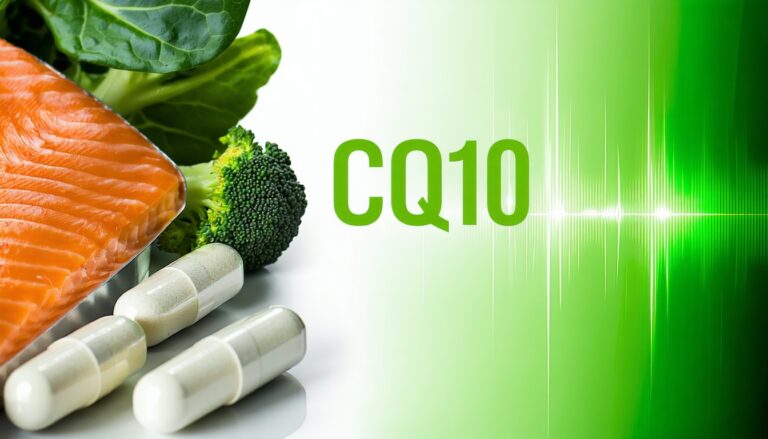
You might already be munching on CoQ10 and not even know it. These foods have got your back:
| Chow Down On | What You’ll Find | CoQ10 Goodies (mg per 100g) |
|---|---|---|
| Organ Eats | Kidney, Liver | 49-100 |
| Fishy Fare | Sardines, Salmon | 14-30 |
| Veggie Delights | Spinach, Broccoli | 1.5-2.5 |
| Fruity Bits | Strawberries, Oranges | 0.5-1 |
| Oily Stuff | Canola, Soybean | 0.7-1.2 |
| Bean Bunches | Soybeans, Lentils | 1-2 |
| Nutty Snacks | Pistachios, Sesame Seeds | 0.1-0.5 |
Munching on meat, fish, and nuts checks off some CoQ10, but sometimes it just ain’t enough. Don’t stress; that’s where the supplements step in.
CoQ10 Supplements
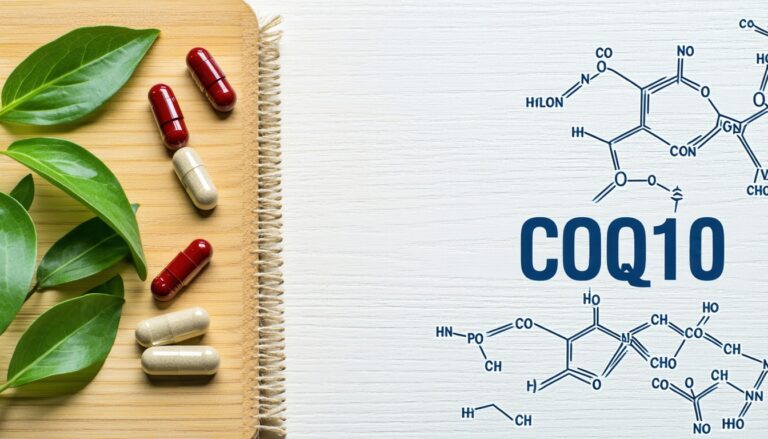
Found yourself in a pickle about squeezing in enough CoQ10? Don’t sweat it; supplements got you covered, supporting your ticker and easing those migraines. Whether you like capsules, chewies, or syrups, there’s a form for you—even the straight shot into your system kind. Peek at our coq10 supplement article for the scoop.
The usual advice is somewhere between 90-500 mg daily. Ubiquinol tends to be the rock star of the bunch, soaking up all nice and easy in your body (Ro). Whether you’re chomping on it or taking a pill, both routes work pretty well (Ro).
On the hunt to pump up your health with CoQ10? Trying both what’s on your plate and what’s in a bottle creates the perfect storm. For more tidbits on how CoQ10 can rev up your health, check our top reads like coenzyme q10 what does it do and coenzyme q10 what is it good for.
Health Benefits of CoQ10
Let’s chat about Coenzyme Q10, also known as CoQ10, a supplement that’s got quite the rap for its heart-loving and headache-busting powers. If you’re thinking of giving it a whirl, here’s some good stuff to know.
CoQ10 for Heart Health
CoQ10 is like a little sidekick for your heart. Some folks say it can help keep your blood pressure in check by lowering those top and bottom numbers doctors are always talking about.
But there’s more to it – CoQ10 is like a powerhouse for your cells, especially in your heart. It gives them a boost, keeping your ticker ticking even during tough times, like when it’s colder than a polar bear’s toenail (NCBI).
Here’s how CoQ10 tags along with your heart:
| What It Does | How It Helps |
|---|---|
| Blood Pressure | Puts the squeeze on those numbers |
| Energy Boost | Charges up your heart’s batteries |
| Heart’s Backup Generator | Keeps your heart in its happy place |
For a deeper scoop, mosey on over to our piece on coenzyme q10 what is it good for.
CoQ10 for Migraine Management
Got migraines? CoQ10 might be your new best buddy. Some studies give it a thumbs up for easing the smackdowns those migraines can throw your way (Healthline). It seems to cozy up to your brain’s power hubs to keep those headaches at bay.
If migraines are cramping your style, check these out:
| Migraine Mischief | CoQ10’s Touch |
|---|---|
| Migraine Pain | Turns down the volume |
| Length of Attack | Cuts it short |
| Number of Headaches | Less of them knocking |
Ready for more on how CoQ10 can be your sidekick with migraines? Head over to coenzyme q10 what does it do.
CoQ10’s got some solid street cred for backing up your heart and dodging migraines. But remember, don’t go gobbling up supplements like they’re candy bars without giving your healthcare provider a heads-up.
CoQ10 Dosage and What Your Body Can Really Use
Recommended CoQ10 Dosages
Thinking about diving into CoQ10 supplements but scratching your head over how much to take? Well, these supplements usually sport capsules that pack between 90 mg to 200 mg a day. However, for those of you who might need an extra boost, healthcare pros can suggest going up to 500 mg daily.
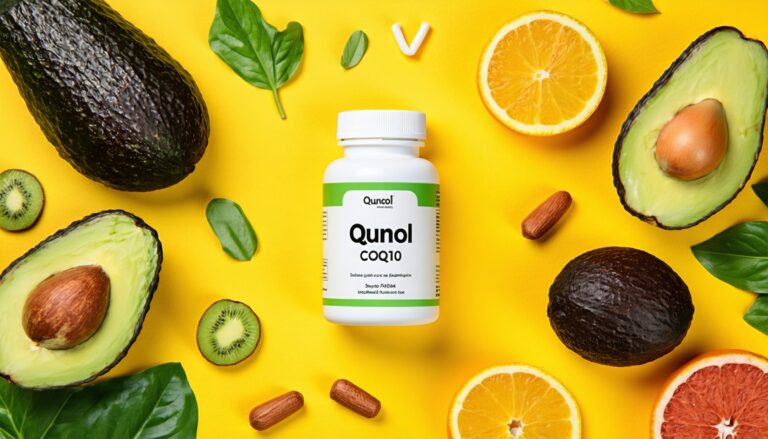
To get the most bang for your buck (and body), try going for ubiquinol instead of ubiquinone. Ubiquinol is like that popular friend who gets into every event—it’s more easily taken in by your system. Pop that pill with something fatty, like avocado toast or a cheeseburger, because CoQ10 likes to party with fats.
| Dosage | What’s Up with that Amount |
|---|---|
| 90–200 mg | Regular day-to-day intake |
| Up to 500 mg | If your body craves a bit more |
Bioavailability of CoQ10
Ever wonder how your body handles CoQ10 from different places? Whether from food or pills, your body pretty much absorbs it the same way. But FYI, for convenience and reliability, supplements are like that dependable friend who always shows up on time.
Considering adding CoQ10 to your daily hustle? Supplements can be the simplest way to keep your CoQ10 game strong. Curious about how CoQ10 helps out? Check out the full rundown in our piece on coenzyme q10 and its perks.
Want to funnel in even more CoQ10 knowledge? Peek at our write-ups on coenzyme q10 what does it do and take a look at coenzyme q10 what is it.
Safety and Side Effects
So, you’re thinking about giving Coenzyme Q10 (CoQ10) supplements a whirl? Before you dive in, let’s talk about keeping it safe and what side effects you might want to watch out for.
Safety of CoQ10 Supplements
By and large, CoQ10 is seen as a safe bet by the healthcare crew, with very few side effects getting any airplay. Still, it’s always a good idea to give your healthcare provider a heads-up before popping any new supplement, CoQ10 included (Mayo Clinic).
Most folks get along just fine with CoQ10, but it’s all about knowing what you’re getting into. Here’s the lowdown on its safety vibe:
| Aspect | Description |
|---|---|
| General Safety | Safe for most people, generally speaking |
| Recommended Consultation | Check with your healthcare pro before starting any new supplement |
Potential Side Effects and Interactions
Even though CoQ10 doesn’t usually cause a fuss, some folks might notice a few mild issues. The biggies are stomach-related woes like feeling queasy or dealing with diarrhea. More side effects might come out of the woodwork as research goes on, so staying in the loop is a smart move (Mayo Clinic).
| Possible Side Effects | Notes |
|---|---|
| Stomach Problems | Watch out for nausea and loose stools |
| Interactions | Be alert for interactions with other meds you’re taking |
And one more thing—if you’re pregnant or breastfeeding, the safety jury’s still out on CoQ10. So, double-check with your healthcare guru before jumping on that train.
Hungry for more scoop about what CoQ10 can do for you? Check out our articles on coenzyme q10 what is it or coenzyme q10 what does it do and get all the details you’ll need!
Final Thoughts
CoQ10 isn’t just another supplement on the shelf—it’s a critical component of your body’s energy and defense systems. From boosting cellular energy and supporting cardiovascular function to potentially reducing the frequency of migraines, this powerhouse compound earns its reputation. While you can get CoQ10 from foods like organ meats, fish, and some vegetables, supplements provide a more efficient and concentrated way to maintain optimal levels, especially as you age. As always, consult a healthcare provider before beginning any supplement routine, particularly if you’re managing existing health conditions or taking medications.
Frequently Asked Questions (FAQ)
What is Coenzyme Q10 and what does it do?
Coenzyme Q10 (CoQ10) is a compound that helps produce energy in your cells and acts as an antioxidant. It’s essential for powering organs like the heart and brain and protecting cells from oxidative stress.
Why do CoQ10 levels drop as we age?
CoQ10 production naturally declines with age. Factors like chronic illnesses and certain medications, such as statins, can also reduce CoQ10 levels, making supplementation more beneficial over time.
What are the main health benefits of taking CoQ10?
Key benefits include enhanced heart health, improved energy levels, and potential migraine relief. It may also support brain function and protect against oxidative damage.
What are the best food sources of CoQ10?
Organ meats (like liver and kidney), fatty fish (such as salmon and sardines), and certain vegetables (like spinach and broccoli) contain small amounts of CoQ10. However, these amounts are often not sufficient for therapeutic benefits.
How much CoQ10 should I take daily?
Typical dosages range from 90 to 200 mg per day, but some may require up to 500 mg based on specific health needs. Ubiquinol, a more absorbable form, is often recommended.
Is CoQ10 safe to take, and are there any side effects?
CoQ10 is generally well-tolerated. Some people may experience mild stomach upset or diarrhea. Always consult a healthcare provider before starting, especially if you’re pregnant, breastfeeding, or taking medications.