
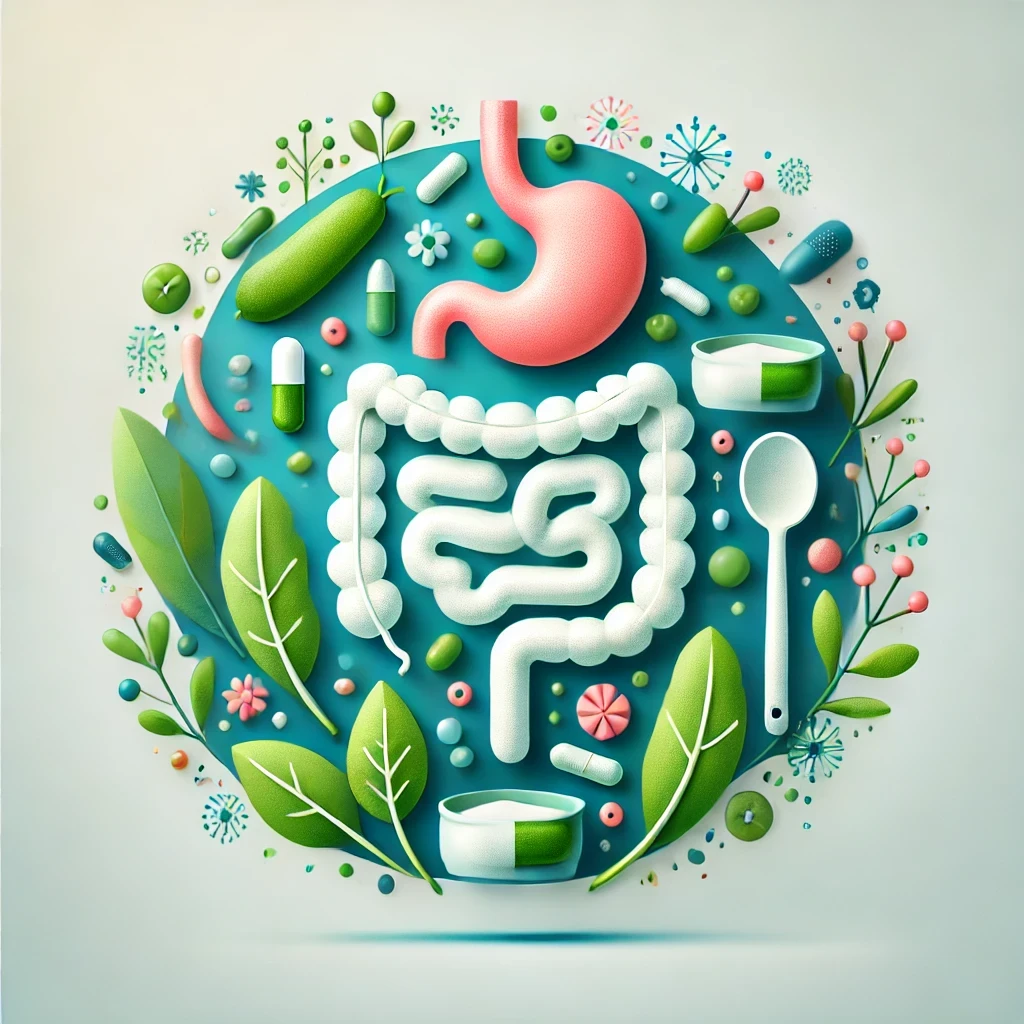
In recent years, interest in gut health has surged—and for good reason. The digestive system is not only responsible for processing the food we eat but also plays a central role in nutrient absorption, immune function, and even mental well-being. Among the many factors that contribute to a healthy gut, probiotics for digestive health have become a focal point in both scientific research and wellness conversations.
“The digestive system houses approximately 70% of the body’s immune cells, making gut health a foundational element of overall health.”
Probiotics, often referred to as “good” or “friendly” bacteria, help maintain a balanced gut microbiome—a delicate ecosystem of microorganisms in the digestive tract. When this balance is disrupted, it can lead to a range of issues including bloating, irregular bowel movements, and even chronic gastrointestinal disorders. Understanding the role and impact of probiotics for digestive health is essential for anyone looking to improve their overall well-being.
What Are Probiotics?
Probiotics for digestive health are live microorganisms that, when consumed in adequate amounts, provide health benefits—particularly within the gut. They are most commonly bacteria, though some yeasts also qualify as probiotics. Unlike harmful bacteria that can cause infections or illness, probiotics support and restore the natural balance of your digestive system.
There are many different strains of probiotics, with Lactobacillus and Bifidobacterium being among the most widely studied and commonly used. Each strain can have different effects on the body, which is why understanding the specific benefits of each is important when choosing the right probiotic product.
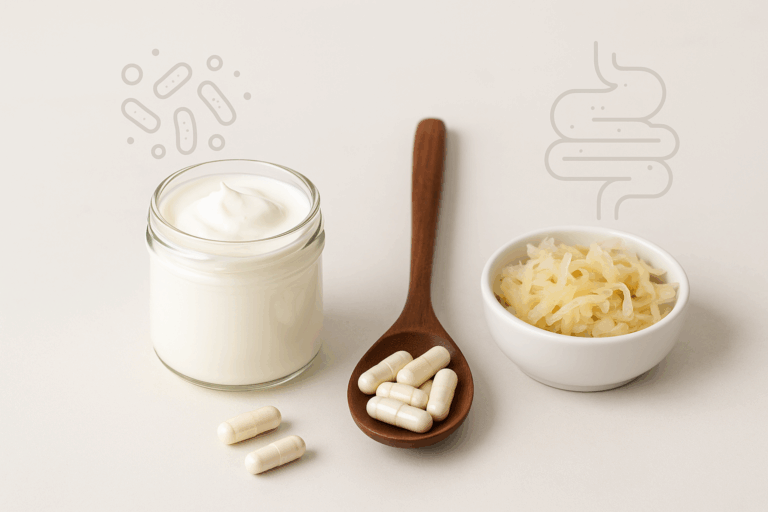
You can naturally incorporate probiotics for digestive health into your diet through fermented foods like yogurt, kefir, sauerkraut, kimchi, miso, and kombucha. These foods not only contain live cultures but often come with other nutritional benefits like fiber and antioxidants. Additionally, probiotic supplements are available in capsule, powder, and liquid form, offering a convenient option for those who need targeted support.
As we move forward, we’ll explore how these beneficial microbes contribute to the complex ecosystem of the gut—and why keeping that ecosystem in balance is so crucial.
The Role of the Gut Microbiome
At the heart of probiotics for digestive health lies a complex and fascinating ecosystem known as the gut microbiome. This community of trillions of microorganisms—including bacteria, viruses, fungi, and other microbes—lives primarily in the large intestine and plays a vital role in nearly every aspect of digestion.
The gut microbiome helps break down complex carbohydrates, synthesize essential vitamins, and support the absorption of nutrients. It also plays a key role in producing short-chain fatty acids, which fuel the cells lining your colon and help maintain gut barrier integrity. When the microbiome is diverse and balanced, the digestive system functions efficiently and contributes to overall health.
“The human gut microbiome is made up of over 100 trillion microorganisms, and its genetic content—often called the ‘second genome’—is 150 times greater than that of the human genome.”
Harvard T.H. Chan School of Public Health
However, this delicate balance can be easily disrupted by factors such as poor diet, stress, illness, and especially antibiotics, which can wipe out both harmful and beneficial bacteria. This imbalance, known as dysbiosis, has been linked to a range of issues—from indigestion and constipation to more serious conditions like inflammatory bowel disease and even obesity.
This is where probiotics for digestive health step in. By replenishing beneficial bacteria, probiotics can help restore harmony in the gut microbiome. They may also compete with pathogenic microbes, reducing their ability to thrive, and produce substances that inhibit harmful bacteria.
Maintaining a healthy gut microbiome isn’t just about avoiding digestive discomfort—it’s about supporting a system that influences everything from immune response to mood regulation. In the next section, we’ll delve into the specific, science-backed benefits that probiotics for digestive health can offer.
Proven Benefits of Probiotics for Digestive Health
Scientific research increasingly supports the idea that probiotics for digestive health offer tangible benefits, particularly for those dealing with gastrointestinal discomfort or chronic gut-related conditions. These benefits are not just theoretical—they’re backed by clinical studies and real-world outcomes.
Preventing and Treating Diarrhea
One of the most well-documented benefits of probiotics is their ability to prevent and reduce the severity of diarrhea. This includes diarrhea caused by infections, travel, or the use of antibiotics. Antibiotics, while necessary for fighting infections, often wipe out both harmful and beneficial bacteria, leading to imbalances in the gut. Probiotics for digestive health help restore that balance, reducing both the frequency and duration of antibiotic-associated diarrhea.
“A 2020 meta-analysis found that probiotics reduced the duration of infectious diarrhea by about 25 hours compared to placebo.”
Cochrane Review
Managing Irritable Bowel Syndrome (IBS)
People suffering from IBS often experience symptoms like bloating, gas, abdominal pain, and irregular bowel habits. Several strains of probiotics, especially Bifidobacterium infantis and Lactobacillus plantarum, have shown promise in alleviating these symptoms by improving gut motility and reducing inflammation. For many, incorporating probiotics for digestive health into their routine can lead to noticeable relief.
“Studies show that certain probiotic strains can improve symptoms in up to 60% of patients with irritable bowel syndrome (IBS).”
American Journal of Gastroenterology
Supporting Inflammatory Bowel Disease (IBD)
Though more research is needed, early studies suggest that certain probiotic strains may help manage symptoms of inflammatory bowel diseases like Crohn’s disease and ulcerative colitis. While they are not a cure, probiotics for digestive health may aid in reducing flare-ups and promoting remission in conjunction with other medical treatments.
Improving Gut Barrier Function
The lining of the gut acts as a barrier, preventing harmful substances from entering the bloodstream. When this barrier is compromised—a condition sometimes referred to as “leaky gut”—it can lead to inflammation and chronic health issues. Probiotics can help strengthen the gut lining and support the production of mucus, which plays a role in protecting intestinal walls.
As we can see, probiotics for digestive health do much more than improve digestion—they contribute to a well-functioning, resilient digestive system. But the benefits don’t stop there. In the next section, we’ll explore how probiotics influence immune health as well.
Probiotics and the Immune System
It may come as a surprise, but a significant portion of your immune system—nearly 70%—resides in your gut. This close relationship between gut and immunity means that probiotics for digestive health don’t just support digestion; they also play a crucial role in strengthening immune defenses.
Enhancing Immune Response
Certain probiotic strains have been shown to stimulate the production of natural antibodies and promote the activity of immune cells such as macrophages and T-lymphocytes. By enhancing these immune responses, probiotics for digestive health help the body recognize and fight off harmful pathogens more effectively.
“One review found that daily probiotic use reduced the incidence of upper respiratory tract infections by 42%.”
Frontiers in Pharmacology
Reducing Inflammation
Chronic inflammation is at the root of many modern health conditions, including allergies, autoimmune diseases, and even some cancers. An imbalanced gut microbiome can trigger systemic inflammation. Probiotics may help reduce this by encouraging the growth of anti-inflammatory bacteria and restoring equilibrium in the gut environment.
Protecting Against Infections
Probiotics for digestive health can crowd out harmful microbes in the gut, creating an environment less hospitable to pathogens like Clostridium difficile, E. coli, and Salmonella. Some strains also produce antimicrobial compounds that inhibit the growth of these undesirable organisms.
Allergy Prevention and Immune Tolerance
Emerging research suggests that probiotics might help prevent certain allergic conditions by promoting immune tolerance. This is especially important in early life—several studies have shown that giving probiotics to infants or pregnant mothers may reduce the risk of eczema and food allergies.
In essence, maintaining gut health through probiotics is like building a strong foundation for your body’s immune fortress. The symbiotic relationship between the gut and the immune system underscores why probiotics for digestive health have far-reaching effects beyond just gastrointestinal comfort.
Choosing the Right Probiotic
With the rising popularity of probiotics for digestive health, the market is flooded with supplements and probiotic-rich foods. However, not all probiotics are created equal. Selecting the right product requires more than just grabbing the first bottle on the shelf—you need to consider several critical factors to ensure you’re getting real, measurable benefits.
“A study in Frontiers in Microbiology revealed that nearly half of probiotic supplements sold online did not match their label claims in terms of species or potency.”
Frontiers
Strain Specificity Matters
Different probiotic strains serve different purposes. For instance, Lactobacillus rhamnosus GG is well-studied for preventing antibiotic-associated diarrhea, while Bifidobacterium infantis may be more effective for relieving symptoms of irritable bowel syndrome. When selecting probiotics for digestive health, look for products that clearly specify the strain (not just the species), and ideally, cite clinical research.
Colony Forming Units (CFUs)
The potency of a probiotic is measured in CFUs, which indicate the number of viable microorganisms in a dose. While more isn’t always better, a product with at least 1 billion CFUs per serving is typically recommended for general digestive health. For targeted issues, higher CFU counts may be beneficial, but always follow clinical guidelines or professional advice.
Survivability and Delivery Method
Probiotics must survive the acidic environment of the stomach to reach the intestines where they exert their benefits. Some supplements are specially coated or formulated to enhance survivability. Capsules, enteric coatings, and time-release technology can improve effectiveness. When seeking probiotics for digestive health, ensure the product is designed to deliver bacteria alive to the gut.
Refrigerated vs. Shelf-Stable
Some probiotics require refrigeration to maintain potency, while others are shelf-stable thanks to advanced manufacturing techniques. Either can be effective—what matters is proper storage and adherence to expiration dates.
Consult a Healthcare Provider
Before starting any probiotic regimen, especially if you have a medical condition or are taking other medications, it’s wise to consult a healthcare professional. They can help you choose the most appropriate probiotics for digestive health based on your individual needs and health goals.
With these factors in mind, you’ll be better equipped to make informed decisions and choose probiotics that truly support your digestive wellness. In the next section, we’ll clear up some common myths that often cause confusion about probiotics.
Common Myths and Misconceptions
As the popularity of probiotics for digestive health continues to grow, so too does the misinformation surrounding them. It’s easy to get overwhelmed by marketing claims and anecdotal advice. Let’s clear up some of the most common myths and misconceptions about probiotics.
Myth: All Probiotics Are the Same
Not true. Each probiotic strain has different properties and health benefits. For example, Lactobacillus acidophilus may help with lactose digestion, while Saccharomyces boulardii is more effective in treating certain types of diarrhea. Assuming all probiotics have the same effect can lead to disappointment or ineffective treatment.
Myth: You Only Need Probiotics After Taking Antibiotics
While probiotics for digestive health are especially helpful after a round of antibiotics, they can—and often should—be used proactively. Daily intake of probiotics can help maintain gut balance, support immune function, and reduce the risk of future digestive issues.
Myth: Fermented Foods Automatically Contain Effective Probiotics
Not all fermented foods contain live probiotic cultures. For instance, some commercial yogurts and pickles are pasteurized after fermentation, which kills beneficial bacteria. Always check labels for terms like “live and active cultures” when choosing probiotic-rich foods.
Myth: More CFUs Always Mean Better Results
High CFU counts can be helpful in some situations, but they aren’t universally better. The effectiveness of probiotics for digestive health depends more on the right strains and the individual’s health condition than simply the quantity of bacteria.
Myth: Probiotics Work Instantly
While some people experience rapid improvement, it can take days or even weeks for probiotics to produce noticeable benefits. Patience is important, as the process of restoring balance in the gut microbiome doesn’t happen overnight.
Understanding these myths can empower you to make smarter choices about probiotics for digestive health and avoid the hype that can sometimes overshadow the real science.
Future Trends and Research
The field of probiotics is rapidly evolving, with new discoveries constantly reshaping our understanding of their potential. As science advances, the role of probiotics for digestive health is expanding beyond basic gut support into more personalized and targeted therapies. Here are some of the most promising trends and research directions:
The Gut-Brain Axis and Mental Health
Emerging research has uncovered a strong connection between gut health and brain function—a relationship often referred to as the gut-brain axis. Scientists are investigating how probiotics for digestive health may influence mood, anxiety, and even depression. Certain strains, sometimes called “psychobiotics,” show potential in modulating neurotransmitter production and reducing stress-related symptoms.
Personalized Probiotics and Microbiome Testing
The one-size-fits-all approach to probiotics may soon become outdated. With the rise of at-home microbiome testing kits, it’s becoming easier to assess individual gut profiles. This paves the way for personalized probiotics for digestive health—formulations tailored to each person’s unique microbial makeup, enhancing effectiveness and minimizing trial and error.
Next-Generation Probiotics
Traditional probiotics mostly include strains from the Lactobacillus and Bifidobacterium genera. However, researchers are now exploring next-generation probiotics, such as Akkermansia muciniphila and Faecalibacterium prausnitzii, which may offer new therapeutic options for inflammatory diseases, metabolic disorders, and even cancer.
Expanded Applications in Chronic Disease Management
Beyond the digestive system, probiotics are being studied for their potential in managing chronic conditions like obesity, type 2 diabetes, and autoimmune diseases. While still in the early stages, these studies highlight the systemic impact of gut microbiota and the growing role of probiotics for digestive health in broader healthcare.
Regulatory Advances and Clinical Validation
As more probiotic products enter the market, there’s a push for stricter regulations and standardization. This includes clearer labeling, more rigorous clinical testing, and better consumer education—all of which are crucial for ensuring that probiotics for digestive health are both safe and effective.
In short, the future of probiotics is bright and full of potential. As science continues to unravel the complex relationship between gut microbes and human health, probiotics are poised to become a cornerstone of personalized wellness and preventative medicine.
Conclusion
As we’ve explored throughout this article, probiotics for digestive health play a vital role in maintaining a balanced gut microbiome, supporting immune function, and preventing or alleviating a range of gastrointestinal issues. Whether you’re recovering from antibiotics, managing chronic digestive conditions, or simply aiming to improve your overall wellness, probiotics can be a powerful and natural ally.
From their ability to restore harmony in the gut after disruption, to their potential influence on mental and metabolic health, probiotics represent far more than just a passing health trend. They are backed by growing scientific evidence and a deeper understanding of how the gut interacts with nearly every system in the body.
Choosing the right probiotics—based on strain, delivery method, and individual health goals—can make a significant difference. And while supplements are useful, don’t overlook the value of incorporating probiotic-rich foods into your diet as part of a broader approach to digestive wellness.
Ultimately, probiotics for digestive health remind us that caring for the gut is an investment in our total well-being. A healthier gut can lead to a stronger body, a more resilient immune system, and even a brighter mind.
Frequently Asked Questions (FAQ)
1. What are probiotics and how do they help with digestive health?
Probiotics are live microorganisms, mainly beneficial bacteria, that help maintain or restore balance in the gut microbiome. They support digestion by breaking down food, enhancing nutrient absorption, and protecting against harmful bacteria. Probiotics for digestive health can also alleviate symptoms like bloating, gas, constipation, and diarrhea.
2. What foods are naturally high in probiotics?
Foods rich in natural probiotics include yogurt with live cultures, kefir, sauerkraut, kimchi, miso, tempeh, and kombucha. Be sure to choose products that state “live and active cultures” on the label to ensure probiotic content.
3. Do I need to take probiotic supplements if I eat probiotic-rich foods?
Not necessarily. A healthy diet that includes a variety of fermented foods may provide enough beneficial bacteria for many people. However, supplements can offer targeted support, especially during illness, after antibiotic use, or if you’re dealing with a specific digestive issue. Consult your healthcare provider to determine if probiotics for digestive health in supplement form are right for you.
4. Can probiotics cause side effects?
Most people tolerate probiotics well, but some may experience mild, temporary side effects such as gas or bloating during the first few days. These usually subside as your body adjusts. People with compromised immune systems or serious health conditions should consult a doctor before starting probiotics.
5. How long does it take for probiotics to work?
The effects of probiotics for digestive health vary depending on the individual, the strain used, and the specific condition being addressed. Some people notice improvements within a few days, while others may need several weeks. Consistency is key.
6. Are all probiotics the same?
No. Probiotics vary by strain, and different strains offer different benefits. It’s important to choose a product with clinically studied strains that match your health needs, such as Lactobacillus rhamnosus GG for diarrhea or Bifidobacterium infantis for IBS.
7. Can children take probiotics?
Yes, children can benefit from probiotics for digestive health, especially if they’re dealing with digestive issues, infections, or have been prescribed antibiotics. However, it’s best to consult a pediatrician for appropriate strains and dosages.
8. Do probiotics need to be refrigerated?
Some probiotics require refrigeration to stay potent, while others are shelf-stable thanks to advanced preservation techniques. Always follow the storage instructions on the product label.
9. Are probiotics safe to take long-term?
Generally, yes. Many people take probiotics for digestive health on a long-term basis without issues. In fact, continuous use may help maintain a healthy balance of gut bacteria. However, it’s good practice to periodically reassess your needs with a healthcare provider.
APA-Style References
- Hill, C., Guarner, F., Reid, G., Gibson, G. R., Merenstein, D. J., Pot, B., … & Sanders, M. E. (2014). Expert consensus document: The International Scientific Association for Probiotics and Prebiotics consensus statement on the scope and appropriate use of the term probiotic. Nature Reviews Gastroenterology & Hepatology, 11(8), 506–514. https://doi.org/10.1038/nrgastro.2014.66
- McFarland, L. V. (2015). From yaks to yogurt: The history, development, and current use of probiotics. Clinical Infectious Diseases, 60(Suppl 2), S85–S90. https://doi.org/10.1093/cid/civ054
- Kristensen, N. B., Bryrup, T., Allin, K. H., Nielsen, T., & Hansen, T. (2016). Alterations in fecal microbiota composition by probiotic supplementation in healthy adults: A systematic review of randomized controlled trials. Genome Medicine, 8(1), 52. https://doi.org/10.1186/s13073-016-0300-5
- Markowiak, P., Śliżewska, K., & Jachymek, W. (2024). Probiotic supplementation improves blood parameters and gut microbiota composition in cows with subclinical ketosis. Journal of Dairy Science. https://doi.org/10.3168/jds.2023-24649
- Wang, Z., Li, X., Zhang, W., & Liu, L. (2024). Effects of probiotics on gut microbiota and their association with disease risk factors in adults: A randomized controlled trial. Current Developments in Nutrition. https://doi.org/10.1016/j.cdnut.2024.100257
- LeRoy, C. I., Galvez, E. J. C., & Brown, K. (2022). Diet, probiotics, and the microbiome—A combined strategy for improving metabolic health. Journal of Dairy Science. https://doi.org/10.3168/jds.2022-21693
- Allen, S. J., Martinez, E. G., Gregorio, G. V., & Dans, L. F. (2010). Probiotics for treating acute infectious diarrhoea. Cochrane Database of Systematic Reviews, 2010(11), CD005496. https://doi.org/10.1002/14651858.CD005496.pub3
- Ouwehand, A. C., & Salminen, S. (2013). The health effects of cultured milk products with viable and non-viable bacteria. Nutrition Reviews, 71(1), 23–33. https://doi.org/10.1111/nure.12001
- Roberfroid, M., Gibson, G. R., Hoyles, L., McCartney, A. L., Rastall, R., Rowland, I., … & Cummings, J. H. (2014). Prebiotic effects: Metabolic and health benefits. Annals of the New York Academy of Sciences, 1301(1), 11–19. https://doi.org/10.1111/nyas.12377