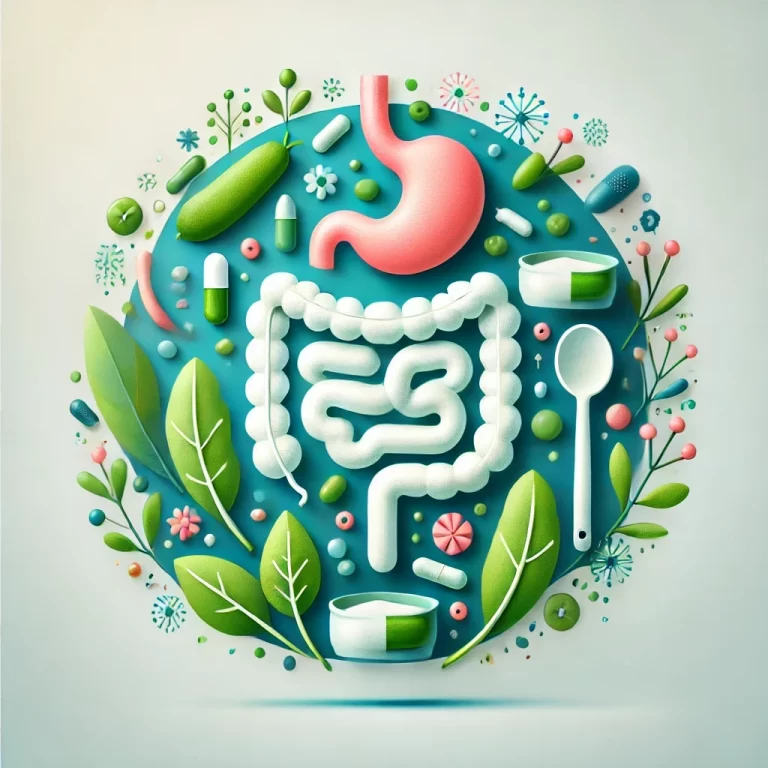

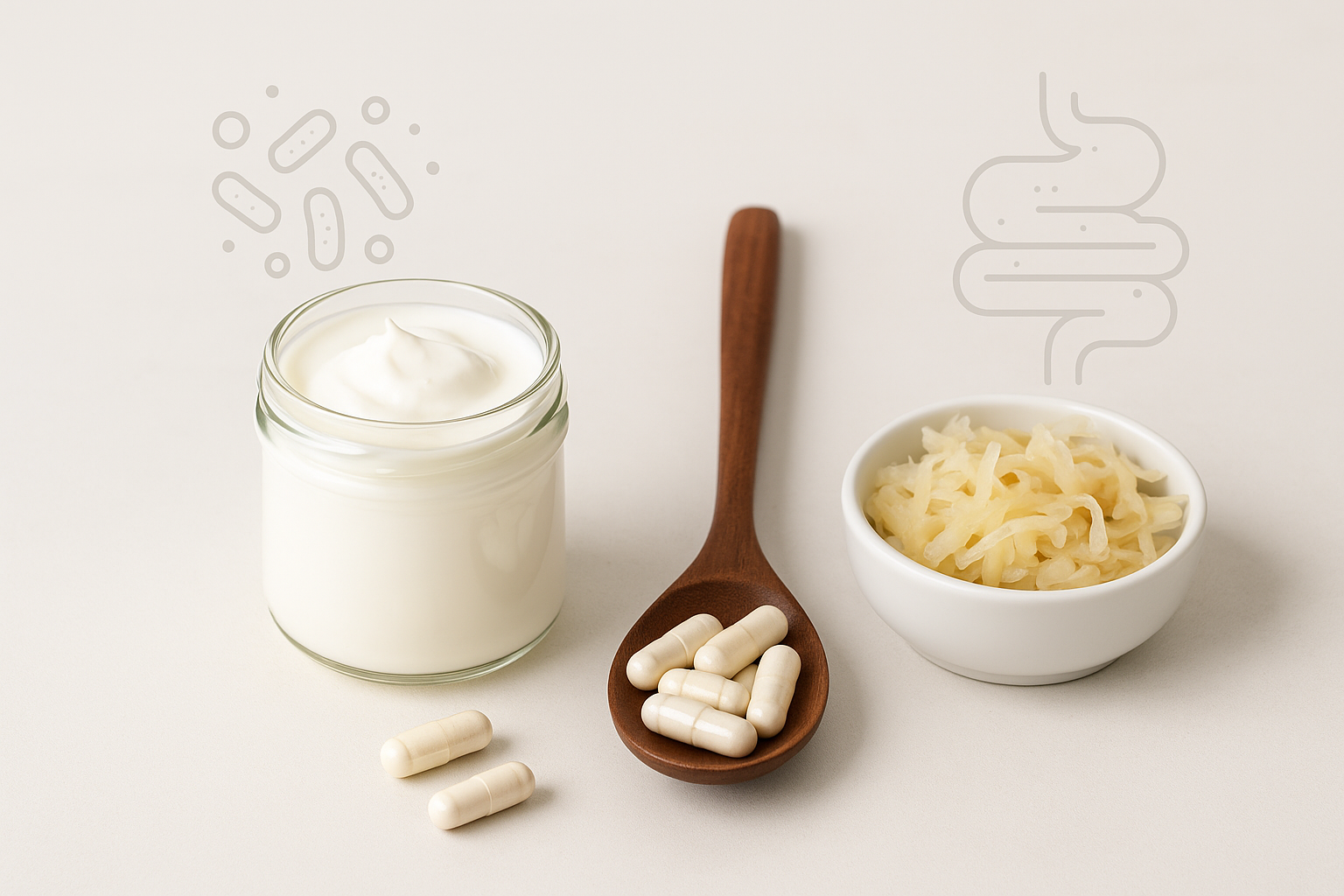
Digestive probiotics play a key role in maintaining a healthy gut, which directly affects your overall well-being. These beneficial bacteria help keep your digestive system balanced and functioning smoothly. When your gut is in good shape, your body can absorb nutrients more efficiently, fight off harmful pathogens, and even support your mood and energy levels.
Research shows that the gut microbiome contains over 100 trillion microbes, which impact not only digestion but also immunity and mental health (NIH Human Microbiome Project, 2021).
In this article, we’ll look at how digestive probiotics support your health, the specific ways they improve digestion and immunity, and how to choose the right probiotic for your needs.
What Are Digestive Probiotics?
Digestive probiotics are live microorganisms that support the health of your digestive system. They naturally occur in your gut, but you can also get them from fermented foods or supplements. These friendly bacteria help maintain a balanced gut microbiome, which is essential for digestion, nutrient absorption, and immune defense.
The most common types of digestive probiotics belong to the Lactobacillus and Bifidobacterium families. Each strain offers different benefits, so the specific type you take can make a difference depending on your digestive needs. You’ll find these probiotics in foods like yogurt, kefir, kimchi, sauerkraut, and in capsules or powders labeled with billions of colony-forming units (CFUs).
By introducing more digestive probiotics into your routine, you can help restore and maintain a healthier balance of gut bacteria, especially if your diet, stress levels, or recent antibiotic use have disrupted it.
Key Ways Digestive Probiotics Benefit Your Health
Digestive probiotics do more than just support digestion. They impact multiple aspects of your health by improving gut function, strengthening your immune system, and helping your body manage inflammation. Here are some of the most important benefits:
Improve Digestive Efficiency
Digestive probiotics help break down food more effectively, which improves nutrient absorption. They also produce enzymes that assist in digesting lactose, fiber, and other hard-to-process substances. As a result, many people experience less bloating, gas, and discomfort after meals.
Strengthen the Gut Barrier
A healthy gut lining prevents unwanted substances from entering the bloodstream. Digestive probiotics support this barrier by producing short-chain fatty acids and reinforcing the mucosal lining. This defense helps reduce the risk of leaky gut and other gastrointestinal issues.
Support Immune Function
About 70% of your immune system resides in the gut. Digestive probiotics help maintain immune balance by encouraging the growth of good bacteria and limiting the overgrowth of harmful microbes. They also help regulate inflammation and support your body’s ability to defend against illness.
About 70–80% of the immune system is located in the gut, making digestive probiotics essential for immune defense (Cleveland Clinic, 2023).
Restore Balance After Antibiotic Use
Antibiotics can wipe out both bad and good bacteria in the gut. Taking digestive probiotics after a round of antibiotics helps restore microbial diversity and may reduce side effects like diarrhea. Rebuilding your gut flora can shorten recovery time and promote long-term gut health.
Studies show that a single course of antibiotics can reduce gut microbial diversity by up to 30%, which may take months to recover without probiotic support (Harvard Health Publishing, 2020).
Mental Health and the Gut-Brain Connection
Your gut and brain are closely linked through what scientists call the gut-brain axis. Digestive probiotics play a role in this connection by influencing neurotransmitter production, inflammation levels, and the overall balance of bacteria in your digestive system.
Some strains of digestive probiotics, such as Lactobacillus rhamnosus and Bifidobacterium longum, have been studied for their potential to reduce symptoms of anxiety and depression. They may help regulate mood by affecting how your body processes serotonin and GABA — two important brain chemicals involved in emotional balance.
One clinical trial found that participants taking probiotic supplements reported a 55% reduction in depression scores compared to a placebo group (Mayo Clinic, 2023).
A healthy gut supported by digestive probiotics can also reduce inflammation and oxidative stress, both of which are linked to poor mental health. While probiotics aren’t a substitute for professional care, they may offer a complementary approach to managing mood and cognitive function.
Choosing the Right Digestive Probiotic
Not all digestive probiotics are the same. Each strain serves a specific purpose, and choosing the right one depends on your individual health needs. Some strains help ease constipation, while others are more effective for diarrhea, bloating, or immune support.
When selecting a digestive probiotic, look for the following:
- Strain specificity: Choose a product that clearly lists the strain (e.g., Lactobacillus acidophilus NCFM) instead of just the species. This tells you exactly what you’re getting and what it’s known to support.
- CFU count: CFUs, or colony-forming units, measure the number of live organisms in each dose. Most effective supplements offer at least 10 billion CFUs, though some people may benefit from higher or lower amounts.
- Quality and stability: Shelf-stable probiotics are convenient, but some need refrigeration to maintain potency. Check the expiration date and storage instructions.
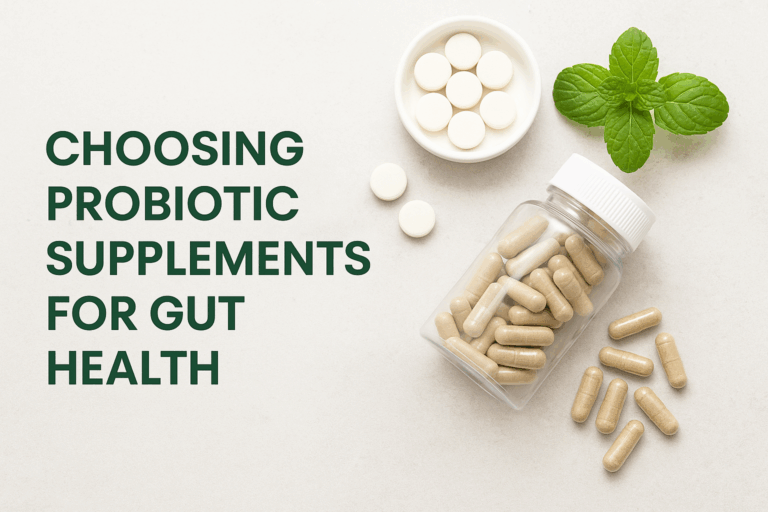
- Delivery method: Capsules, powders, and chewables are all options. Choose a form that fits your routine and protects the probiotics until they reach your gut.
Also, consider any specific conditions you’re addressing. For example, Bifidobacterium infantis may be helpful for IBS symptoms, while Saccharomyces boulardii is often used to prevent traveler’s diarrhea.
Taking the time to choose the right digestive probiotic can improve results and help you maintain better gut health in the long term.
Potential Side Effects and Considerations
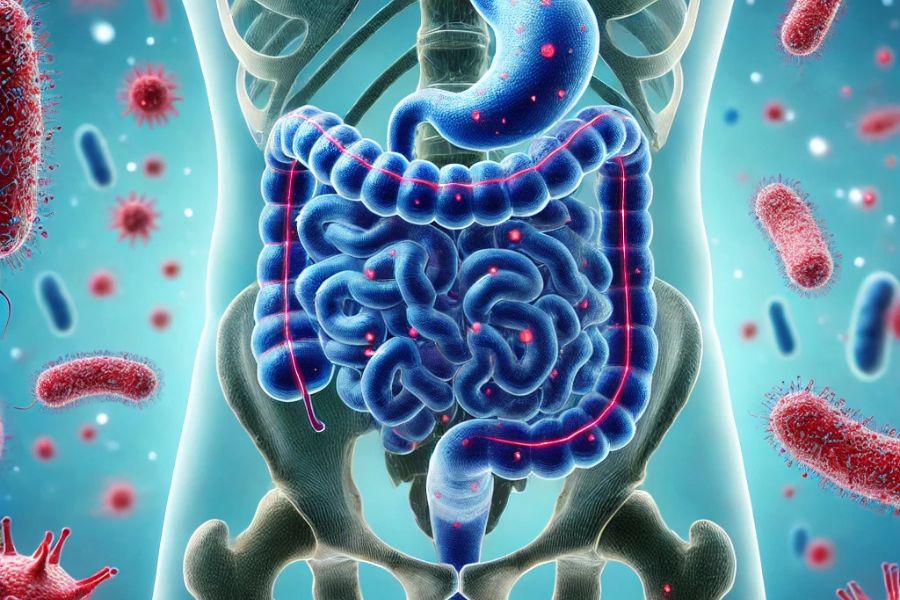
Digestive probiotics are generally safe for most people, but it’s important to be aware of possible side effects and situations where caution is needed. When starting a new probiotic, some individuals may experience mild digestive symptoms such as gas, bloating, or changes in bowel movements. These effects usually fade within a few days as the body adjusts.
People with compromised immune systems, serious illnesses, or those recovering from major surgery should consult a healthcare provider before using digestive probiotics. In rare cases, introducing new bacteria can cause complications in vulnerable individuals.
It’s also worth noting that not every probiotic works the same way for everyone. What helps one person may have little effect on another. Pay attention to how your body responds, and give the product a few weeks to show results. If symptoms persist or worsen, discontinue use and speak with a professional.
For the best outcome, choose a high-quality supplement, follow the dosing instructions, and pair it with a balanced diet that supports overall gut health.
Final Thoughts
Digestive probiotics offer more than just support for your gut. They can improve digestion, strengthen your immune system, enhance nutrient absorption, and may even influence your mood. By maintaining a healthy balance of bacteria in your gut, you’re setting a strong foundation for overall well-being.
Adding digestive probiotics to your daily routine doesn’t have to be complicated. Whether you choose to get them from food or supplements, consistency is key. Just be sure to choose the right strains for your needs and give your body time to adjust.
If you’re looking for a simple way to support your health from the inside out, digestive probiotics are a reliable starting point.
Frequently Asked Questions (FAQ)
Are digestive probiotics safe for daily use?
Yes, most digestive probiotics are safe for daily use in healthy individuals. Many people take them regularly to support gut health, digestion, and immunity. However, if you have a medical condition or a weakened immune system, consult a healthcare provider before starting any probiotic supplement.
How long does it take to see results from digestive probiotics?
Some people notice improvements within a few days, especially in digestion and bowel regularity. For others, it may take two to four weeks of consistent use to see more noticeable changes. The timeline depends on your gut health, the strains used, and the reason you’re taking probiotics.
Can digestive probiotics help with bloating and gas?
Yes, certain strains of digestive probiotics can reduce bloating, gas, and other symptoms of digestive discomfort. They help by breaking down food more efficiently and reducing the growth of gas-producing bacteria in the gut.
Should I take digestive probiotics with or without food?
This depends on the specific product. Some probiotics work best when taken on an empty stomach, while others are more effective with meals. Check the label for instructions. When in doubt, taking them with food can help protect the probiotics as they pass through stomach acid.
Can digestive probiotics replace digestive medications?
Digestive probiotics can support gut health, but they are not a substitute for prescribed medications. If you’re managing a condition like IBS, acid reflux, or inflammatory bowel disease, talk to your doctor before making any changes to your treatment plan.
References
- Harvard Health Publishing. (2020). The benefits of probiotics bacteria. Harvard Medical School.
- NIH Human Microbiome Project. (2021). Human Microbiome Project Overview. National Institutes of Health.
- Abdelhamid AG, El-Masry SS, El-Dougdoug NK. Probiotic Lactobacillus and Bifidobacterium strains possess safety characteristics, antiviral activities and host adherence factors revealed by genome mining. EPMA J. 2019 Sep 5;10(4):337-350. Accessed 10/29/2023.
- U.S. National Institutes of Health (U.S.). Probiotics: What You Need To Know. Last updated 8/2019. Accessed 10/29/2023.
- Cleveland Clinic. (2023). What Are Probiotics?. Cleveland Clinic.
- Mayo Clinic Health System. (2022). What’s the deal with probiotics? Mayo Clinic Health System.
- Windsor Digestive Health Institute. (n.d.). Living the life of probiotics. Windsor Digestive Health.
- Gastroenterology Consultants of San Antonio. (2023). The benefits of probiotics for gut health. Gastroenterology Consultants of San Antonio.
- Houston Methodist. (2019). How probiotics affect your gut health. Houston Methodist Hospital.
- National Center for Complementary and Integrative Health. (2021). Probiotics: Usefulness and safety. U.S. Department of Health and Human Services.
- Nuvance Health. (2022). Probiotics for digestive health. Nuvance Health.