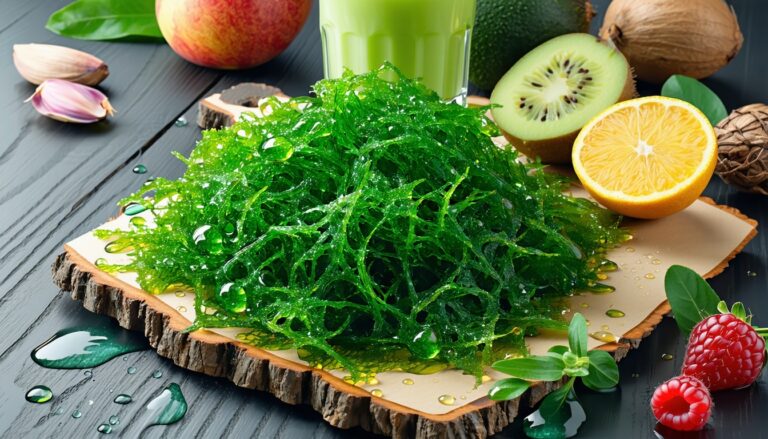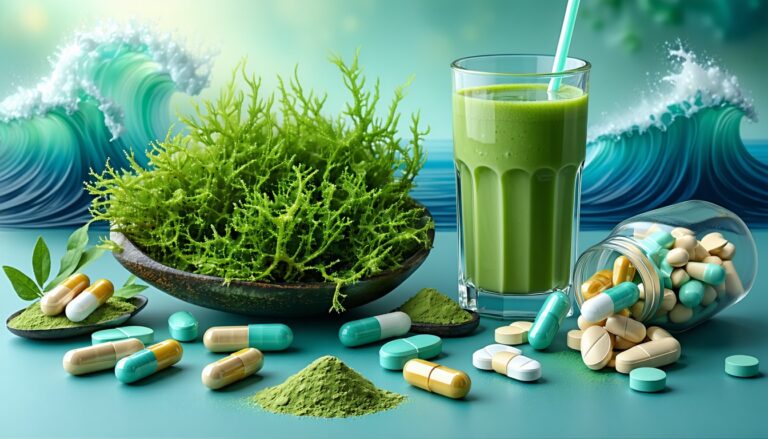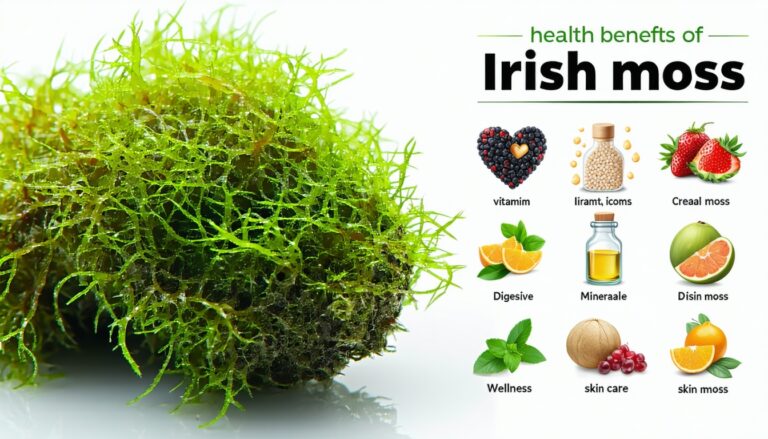

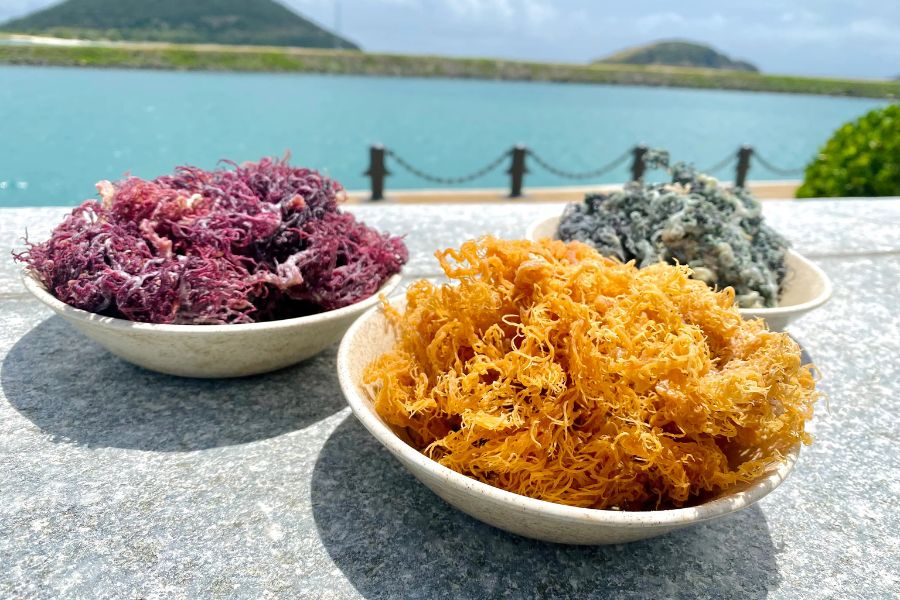
Sea moss, a type of red algae, has earned a strong following for its impressive mineral content. Many claim that it contains 92 of the 102 minerals the human body needs. While this figure is often debated, what’s clear is that sea moss offers a wide range of nutrients that contribute to overall health.
Its mineral profile makes it a popular supplement for people seeking natural ways to support immune function, improve energy levels, and promote skin, thyroid, and digestive health. In this article, we’ll explore what minerals are found in sea moss, what they do for the body, and whether the claim about “92 minerals” holds up under scrutiny.
1. What Makes Sea Moss Mineral-Rich?
Sea moss grows along the rocky Atlantic coasts of North America, Europe, and the Caribbean. Like other types of seaweed, it absorbs nutrients directly from the ocean. Because seawater contains a vast array of minerals and trace elements, sea moss naturally accumulates many of them during its growth.
There are several species of sea moss, but the most commonly consumed varieties include Chondrus crispus (often called Irish moss) and Gracilaria. The mineral content can vary based on the species, the region where it’s harvested, and the method of drying and processing.
Its ability to absorb and store nutrients makes sea moss a unique plant-based source of many essential and trace minerals. This is why it’s often promoted as a natural alternative to synthetic supplements.
2. The 92 Minerals: Fact or Myth?
The claim that sea moss contains 92 minerals often appears in marketing materials and health blogs, but it’s important to look at the science behind it. The number comes from the idea that seawater contains 102 trace minerals, and sea moss absorbs most of them—up to 92—during its growth cycle.
However, not all of these minerals have been consistently measured or confirmed in sea moss samples. Lab analyses typically identify around 15 to 25 minerals in significant amounts. Some additional trace elements may be present, but in such small quantities that they are difficult to detect without advanced testing.
So while the “92 minerals” statement may be partially true, it’s more accurate to say that sea moss contains a wide variety of essential and trace minerals—some in higher amounts than others. This still makes it a nutrient-dense food, even if the exact number falls short of 92.

3. Key Essential Minerals in Sea Moss
While the exact number of minerals in sea moss may vary, several appear consistently in measurable and beneficial amounts. These core minerals play essential roles in daily health:
- Iodine
Crucial for thyroid hormone production. Iodine helps regulate metabolism, supports energy levels, and is one of sea moss’s standout nutrients. - Calcium
Important for strong bones and teeth. It also supports nerve transmission, blood clotting, and muscle function. - Magnesium
Helps regulate muscle and nerve activity, blood sugar levels, and blood pressure. It’s also involved in over 300 enzymatic reactions in the body. - Potassium
Vital for maintaining fluid balance, nerve signals, and proper heart function. Sea moss is considered a rich plant-based source of potassium. - Iron
Supports red blood cell production and helps deliver oxygen throughout the body. Iron deficiency is a common cause of fatigue. - Zinc
Important for immune defense, wound healing, and maintaining skin health. It also supports reproductive function. - Phosphorus
Helps with energy production and is a building block of bones and teeth. It also plays a role in cellular repair and DNA formation. - Sodium
Needed in small amounts to maintain fluid balance and aid muscle contractions. Natural sodium from sea moss is different from processed table salt. - Copper
Works with iron to form red blood cells and supports immune and cardiovascular health. - Sulfur
Found in amino acids and involved in collagen production. It may help with joint health and skin clarity.
These minerals form the foundation of sea moss’s health claims. They contribute to many of the physiological processes the body relies on daily.
4. Additional Trace Minerals in Sea Moss
Beyond the core minerals, sea moss contains smaller amounts of trace elements. These minerals are needed in tiny amounts but still support essential functions. Some of the trace minerals found in sea moss include:
- Selenium – Supports thyroid function and acts as an antioxidant.
- Manganese – Aids bone development, metabolism, and wound healing.
- Boron – Helps the body use calcium and magnesium effectively.
- Chromium – Assists in regulating blood sugar by enhancing insulin activity.
- Fluoride – Contributes to dental and bone health.
- Molybdenum – Plays a role in breaking down certain amino acids and toxins.
- Cobalt – Works with vitamin B12 to form red blood cells.
- Silicon – Supports skin, hair, and nail strength, as well as joint health.
- Vanadium – May influence insulin sensitivity and bone growth.
- Nickel – Plays a minor role in enzyme function and hormone activity.
These trace minerals may not be present in large quantities, but their contribution to overall wellness is meaningful. Their presence in sea moss adds to its appeal as a natural, mineral-rich supplement.
5. How the Body Uses These Minerals
Minerals play a direct role in nearly every system of the body. They help maintain fluid balance, regulate nerve signals, build bones, support immune health, and assist in enzyme activity. Many minerals also work together to carry out biological processes more efficiently.
For example, magnesium helps activate vitamin D, which is necessary for calcium absorption. Zinc supports immune function but also aids wound healing and supports reproductive health. Iodine regulates thyroid hormones, which control metabolism and energy use. Even in trace amounts, minerals like selenium and molybdenum help detoxify the body and prevent oxidative stress.
Because minerals often rely on one another for proper absorption and function, getting a variety through natural sources like sea moss may be more beneficial than relying on isolated supplements. Sea moss delivers these minerals in a natural matrix, which some researchers believe may improve bioavailability.
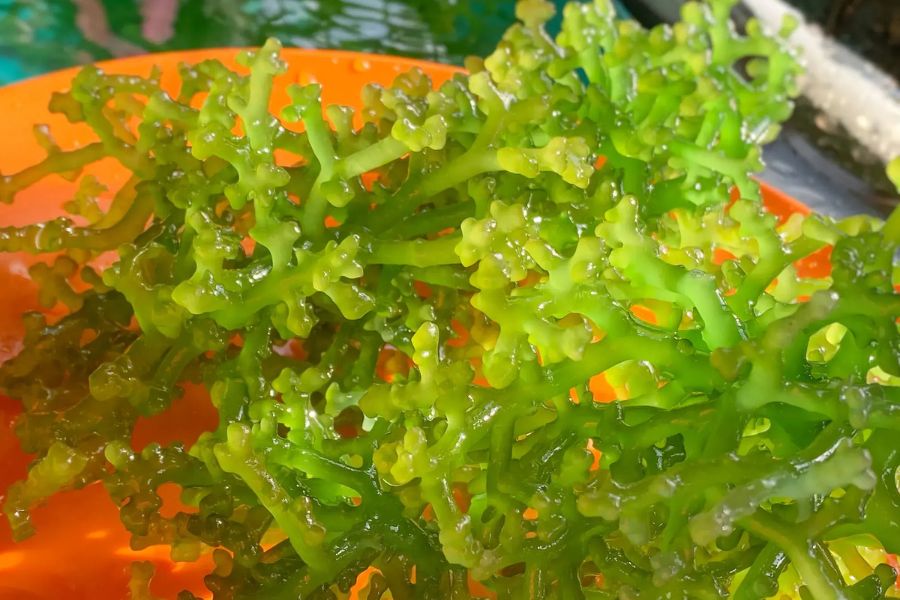
6. Does Sea Moss Provide All 92 Minerals in Significant Amounts?
Sea moss does contain a broad range of minerals, but not all are present in levels that significantly impact daily nutrition. While some—like iodine, potassium, calcium, and magnesium—appear in relatively high amounts, others exist only in trace quantities.
The exact mineral content depends on several factors:
- Species of sea moss
Different types, such as Gracilaria or Chondrus crispus, absorb nutrients at varying rates. - Growing environment
Ocean mineral content varies by region. Wild-harvested sea moss typically has higher mineral density than pool-grown varieties. - Harvesting and processing methods
Sun drying and boiling can affect the retention of certain minerals. Over-processing may reduce overall nutrient availability.
In short, while sea moss offers many minerals, it’s unlikely to supply all 92 in clinically meaningful amounts. Still, it provides a diverse mix of nutrients that can support a well-rounded diet.
7. Sea Moss Supplements vs. Raw Sea Moss
Sea moss is available in several forms—raw, gel, capsules, powders, and tinctures. Each option offers different levels of convenience and nutrient retention.
- Raw sea moss is typically soaked and blended into a gel. This form is closer to its natural state and may retain more of its original mineral content if prepared properly. However, the quality depends heavily on the source and how it’s cleaned and stored.
- Sea moss gel is a popular choice for smoothies and cooking. It’s easy to use but may lose some nutrients if it’s been overboiled or stored too long.
- Capsules and powders offer convenience and consistency. These products are often standardized and lab-tested, which helps with dosage accuracy. However, the drying and grinding process may reduce some of the heat-sensitive nutrients.
When choosing a sea moss product, look for details on sourcing (wildcrafted vs. pool-grown), third-party testing, and ingredient transparency. Reputable brands will often share where the sea moss is harvested and how it’s processed.
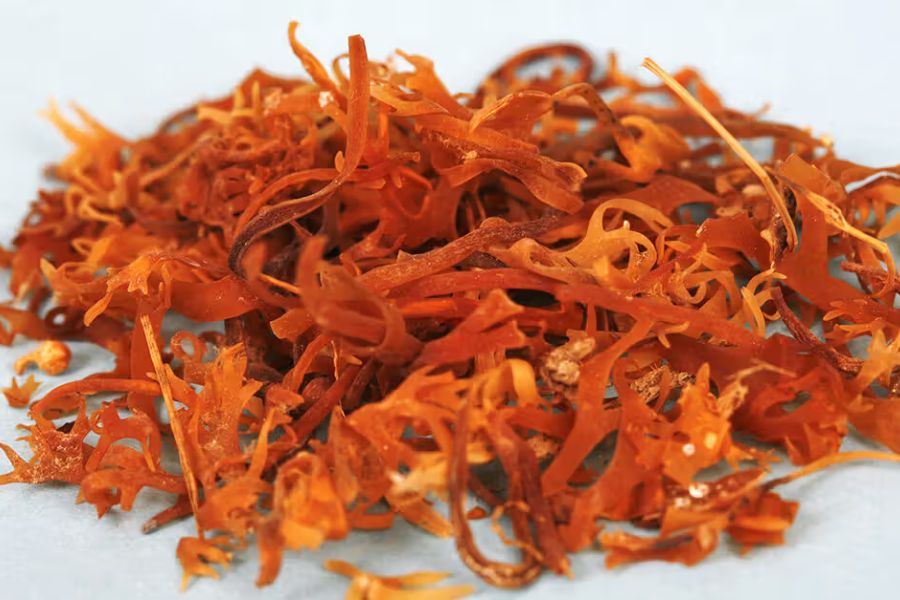
8. Safety and Dosage Considerations
While sea moss offers nutritional value, it’s important to use it in moderation. Taking too much can lead to mineral imbalances, especially with iodine. Excessive iodine intake may disrupt thyroid function and cause symptoms like fatigue, weight gain, or mood changes.
Other potential concerns include:
- Heavy metal contamination – Sea moss can absorb toxins from polluted waters. Always choose products tested for heavy metals like lead, mercury, and arsenic.
- Allergic reactions – Though rare, some individuals may experience sensitivity to sea moss or other types of seaweed.
- Medication interference – High iodine levels may affect thyroid medications or blood pressure drugs.
As a general guideline, 1 to 2 tablespoons of sea moss gel per day or the equivalent in powder or capsule form is considered safe for most people. However, those with thyroid conditions, kidney disease, or mineral metabolism disorders should consult a healthcare provider before using it regularly.
Conclusion
Sea moss contains a wide range of minerals that support various functions in the body—from thyroid regulation and bone strength to immune support and energy production. While the claim that it holds “92 minerals” isn’t fully backed by scientific testing, it’s clear that sea moss is a rich source of both essential and trace minerals.
Its nutritional value depends on the species, growing conditions, and preparation method. Whether consumed raw, in gel form, or as a supplement, sea moss can be a useful addition to a balanced diet when used responsibly.
Understanding what’s actually in sea moss helps set realistic expectations and ensures it’s used safely and effectively as part of a wellness routine.
Frequently Asked Questions (FAQs)
Does sea moss really contain 92 minerals?
Sea moss may contain up to 92 trace minerals, but not all are present in meaningful amounts. The number refers to the wide variety of elements found in seawater, many of which sea moss can absorb. However, most lab tests confirm around 15 to 25 minerals in measurable quantities.
Can sea moss replace a multivitamin?
Sea moss provides a range of natural minerals and some vitamins, but it may not cover all daily requirements. It can support a healthy diet but shouldn’t be relied on as a sole source of nutrition.
Is there a difference between wildcrafted and pool-grown sea moss?
Yes. Wildcrafted sea moss is harvested from the ocean and typically has a more diverse mineral profile. Pool-grown sea moss may lack some of the trace minerals found in wild varieties and can be less nutrient-dense depending on water quality and growing practices.
How much sea moss should I take daily?
A typical daily amount is 1 to 2 tablespoons of sea moss gel or the equivalent in capsules or powder. It’s best to start with a small amount and increase gradually, especially if you’re new to iodine-rich foods.
Is it safe to take sea moss every day?
For most people, moderate daily use is safe. However, individuals with thyroid conditions or those taking medications that affect mineral absorption should consult a healthcare provider before using sea moss regularly.
References
- Sea Moss: Benefits, Nutrition, and How to Use It (Health.com). (2022). Health.
- Sea Moss: Is it good for you? (Banner Health). (2023). Banner Health Blog.
- Is Sea Moss Good for Your Mental Wellbeing? (Herbal Vineyards). (2023). Healing 101 Blog.
- Sea Moss Health Benefits (Holland & Barrett). (2023). The Health Hub.
- Strengthening Your Immune Health During Winter: The Power of Elderberry, Sea Moss, and Moringa (Jamaica Herbal). (2023). Herbal Secrets Blog.
- What Happens if You Take Sea Moss Every Day? (The Moss Way). (2022). Blog.
- Lomartire S, Marques JC, Gonçalves AMM. An overview to the health benefits of seaweeds consumption. Mar Drugs. 2021;19(6):341. doi:10.3390/md19060341
- Academy of Nutrition and Dietetics. How to keep your immune system healthy.
- MedlinePlus. Thyroid diseases.
- Davani-Davari D, Negahdaripour M, Karimzadeh I, et al. Prebiotics: Definition, types, sources, mechanisms, and clinical applications. Foods. 2019;8(3):92. doi:10.3390/foods8030092
- Mazaheri Nia L, Iravani M, Abedi P, Cheraghian B. Effect of zinc on testosterone levels and sexual function of postmenopausal women: a randomized controlled trial. J Sex Marital Ther. 2021;47(8):804-813. doi:10.1080/0092623X.2021.1957732
- Bates JN, Kohn TP, Pastuszak AW. Effect of thyroid hormone derangements on sexual function in men and women. Sex Med Rev. 2020;8(2):217-230. doi:10.1016/j.sxmr.2018.09.005
- MedlinePlus. Parkinson’s disease.
- Pereira L, Valado A. The seaweed diet in prevention and treatment of the neurodegenerative diseases. Mar Drugs. 2021;19(3):128. doi:10.3390/md19030128
- Wells ML, Potin P, Craigie JS, et al. Algae as nutritional and functional food sources: Revisiting our understanding. J Appl Phycol. 2017;29(2):949-982. doi:10.1007/s10811-016-0974-5
- MedlinePlus. Soluble vs. insoluble fiber.
- Soliman GA. Dietary fiber, atherosclerosis, and cardiovascular disease. Nutrients. 2019;11(5):1155. doi:10.3390/nu11051155
- Wilson DW, Nash P, Buttar HS, et al. The role of food antioxidants, benefits of functional foods, and influence of feeding habits on the health of the older person: An overview. Antioxidants (Basel). 2017;6(4):81. doi:10.3390/antiox6040081
- Lomartire S, Marques JC, Gonçalves AMM. An overview to the health benefits of seaweeds consumption. Mar Drugs. 2021;19(6):341. doi:10.3390/md19060341
- Food and Drug Administration. NFL DRVs food components.
- U.S. Department of Agriculture. FoodData Central: Seaweed, irishmoss, raw.
- National Institutes of Health: Office of Dietary Supplements. Dietary supplements: What you need to know.